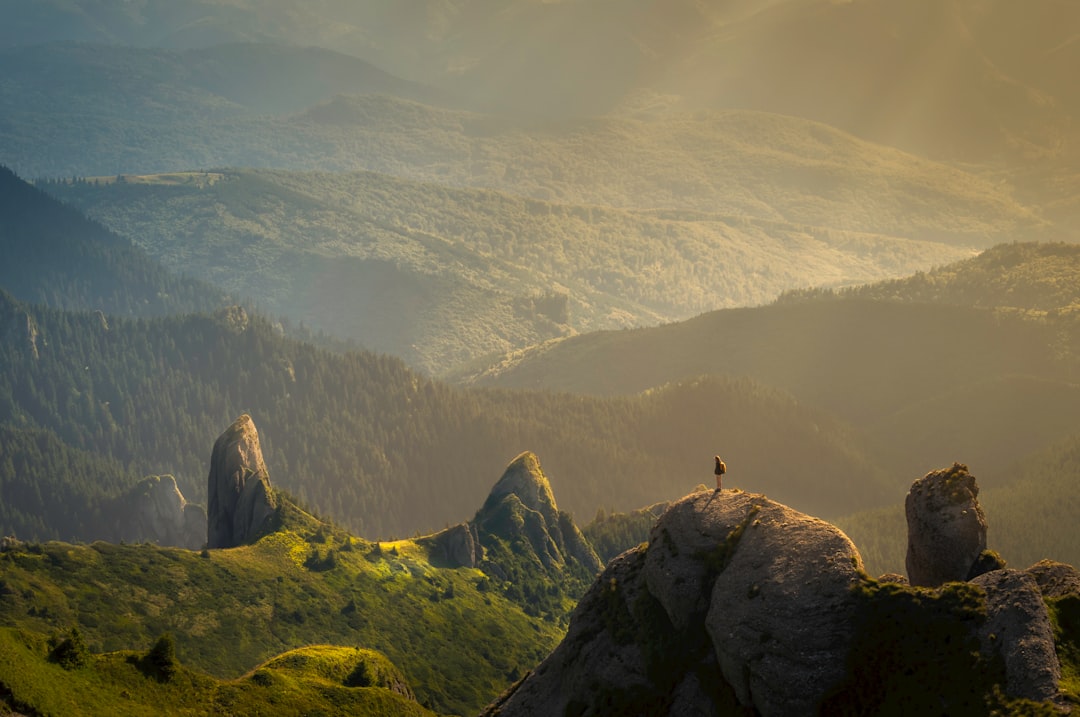
The Mediterranean Basin, a vast and vibrant expanse of land and sea, has captivated humanity for millennia. Its name, derived from the Latin for “middle of the land,” aptly describes its geographical position, acting as a crucial crossroads for trade, culture, and civilization. To truly unravel this complex region is to embark on a journey through history, geology, climate, and the very essence of human interaction. This brief explanation aims to illuminate the multifaceted nature of the Mediterranean Basin, exploring its defining characteristics and the interconnected forces that have shaped it into the unique and enduring entity it is today.
The Mediterranean Basin is more than just a body of water; it is a complex geographical landscape sculpted by tectonic forces and influenced by diverse climatic patterns. Understanding its physical layout is fundamental to grasping its significance.
The Azure Heart: The Mediterranean Sea
At the core of the basin lies the Mediterranean Sea itself, a semi-enclosed body of saltwater a remarkable testament to geological processes. Its shape is irregular, characterized by numerous islands, peninsulas, and gulfs, which have historically facilitated both exploration and isolation. The sea’s connections to the wider oceans are narrow and strategically important, primarily through the Strait of Gibraltar to the Atlantic Ocean and, via canals, to the Red Sea and the Indian Ocean. This semi-enclosed nature has profound implications for its salinity, temperature, and marine life. The sea is also not a single, homogenous entity; it is comprised of a series of distinct sub-basins, each with its own characteristics and historical significance, such as the Adriatic Sea, the Aegean Sea, and the Ionian Sea. The very color of the water, often depicted as a vibrant blue, is influenced by factors like depth, clarity, and the presence of microscopic organisms.
The Land Hugging the Coast: The Littoral Zones
Surrounding the Mediterranean Sea is a diverse range of landmasses, forming the littoral zones. This includes the southern edge of Europe, the northern edge of Africa, and the western edge of Asia. These coastal areas are rarely uniform. They transition from rugged, mountainous coastlines that plunge dramatically into the sea to fertile, alluvial plains that have been cultivated for millennia. The presence of mountain ranges, such as the Alps, Pyrenees, and Atlas, often acts as a climatic and cultural barrier, influencing settlement patterns and the flow of ideas. Conversely, the river valleys and deltas, formed by major waterways like the Nile, Rhone, and Po, create fertile oases that have been cradles of agriculture and civilization. The geological formations of these littoral zones are equally varied, ranging from volcanic landscapes to karstic terrains, each contributing to the unique character of the regional topography.
The Islands of Wonder: Archipelagos and Singularities
Scattered throughout the Mediterranean are countless islands, ranging from the vast landmasses of Sicily and Cyprus to tiny, uninhabited rocky outcrops. These islands are not merely decorative; they have played crucial roles in Mediterranean history, serving as trade hubs, cultural melting pots, and strategic military outposts. Their geological origins are diverse, with some being continental fragments, others volcanic creations, and still others emerging from underwater mountain ranges. Each island possesses its own microclimate and ecological niche, fostering unique flora and fauna. The history of each island often reflects its isolation or its connectivity to the mainland, shaping its political, economic, and cultural development. Major island groups include the Balearics, Corsica and Sardinia, the Ionian Islands, the Cyclades, and Crete, each with a distinct character and historical narrative.
The Mediterranean basin is a region rich in history, culture, and biodiversity, making it a focal point for various studies and discussions. For those interested in the economic implications of this area, a related article titled “Will Inflation Lead to Asset Seizure?” provides valuable insights into how economic factors can impact regions like the Mediterranean. You can read the article here: Will Inflation Lead to Asset Seizure?.
A Crucible of Climates
The Mediterranean climate is an iconic feature of the region, characterized by its distinct seasonal variations and its profound influence on both the natural environment and human endeavors.
The Sun-Kissed Summers: Dry and Hot
The hallmark of a Mediterranean summer is its prolonged period of intense sunshine, characterized by high temperatures and a pronounced lack of rainfall. This aridity is primarily driven by the influence of subtropical high-pressure systems that migrate over the region during the summer months, suppressing cloud formation and precipitation. The land often dries out, leading to an increased risk of wildfires. This dry heat shapes the vegetation, favoring drought-resistant plants like scrubland (maquis and garrigue), olive trees, and vineyards, which are well-adapted to conserve water. The shimmering heat haze is a familiar sight, and the long daylight hours encourage outdoor activities and agricultural cycles focused on specific summer crops. Coastal areas often benefit from sea breezes that offer some respite from the most extreme temperatures.
The Gentle Embrace of Autumn and Spring: Transitional Beauty
Autumn and spring represent the transitional periods in the Mediterranean climate, offering a welcome change from the extremes of summer and winter. During these seasons, temperatures become more temperate, and the likelihood of rainfall increases, though still often in sporadic bursts rather than prolonged downpours. These are often considered the most pleasant times to visit the region, with comfortable diurnal temperature ranges and blooming landscapes. Autumn sees the harvest of many crops, while spring heralds a period of renewed growth and vibrant floral displays. The intensity of the sun is gentler, and the air is often filled with the scent of blossoms and ripening fruits, making these seasons particularly evocative.
The Soft Touch of Winter: Mild and Wet
Mediterranean winters are generally mild, with infrequent and short-lived periods of frost or snow, particularly at higher elevations or further inland. The defining characteristic of winter is the increased rainfall, which is essential for replenishing water sources and sustaining the region’s agriculture. While not as severe as in continental climates, rainfall can be substantial, sometimes leading to localized flooding. Snowfall is more common in the mountainous regions, providing a water source through snowmelt in the spring. The cooler temperatures and increased humidity foster the growth of different types of vegetation and sustain the region’s diverse ecosystem. The days are shorter, but the skies are often clear between rain showers, offering crisp, cool air and a different kind of beauty to the landscape.
The Geological Stage
The Mediterranean Basin is a dynamic geological arena, a product of immense subterranean forces that have shaped its topography and continue to influence its processes.
Tectonic Collisions: The Earth’s Sculpting Hand
The Mediterranean region is a prime example of plate tectonics in action. It sits at the complex boundary between the Eurasian and African tectonic plates, a zone characterized by intense seismic and volcanic activity. The northward movement of the African plate colliding with the Eurasian plate has caused the buckling and folding of the Earth’s crust, leading to the formation of its prominent mountain ranges. This ongoing collision is responsible for the region’s frequent earthquakes and the presence of active volcanoes further east, such as those in Italy and Greece. The process of subduction, where one tectonic plate slides beneath another, is also a significant factor in shaping the Mediterranean’s geological features, including its deep trenches and volcanic arcs.
Volcanic Legacy and Activity: Fiery Origins
The geological history of the Mediterranean is deeply intertwined with volcanic activity. Ancient volcanic eruptions have created some of its most striking landscapes, from the fertile soils of volcanic plains to numerous islands formed from eruptions on the seabed. Today, the region still harbors active volcanoes, such as Mount Etna in Sicily, Mount Vesuvius near Naples, and the Santorini caldera, which stands as a dramatic reminder of past cataclysmic events. These active volcanoes not only shape the land but also influence local microclimates and contribute to the region’s rich mineral resources. The constant geological churn makes the region a fascinating study for volcanologists and geologists.
Karstic Landscapes: Dissolving Stones
In many parts of the Mediterranean, particularly where limestone bedrock is prevalent, the landscape has been shaped by karstic processes. This involves the dissolution of soluble rocks, primarily limestone, by rainwater, leading to the formation of distinctive geological features such as caves, sinkholes (dolines), underground rivers, and dramatic rock formations. These karstic terrains have a significant impact on water availability, often leading to underground drainage systems rather than surface rivers. The beauty of these geological formations, from vast cave systems adorned with stalactites and stalagmites to the dramatic pitted landscapes, is a unique aspect of the Mediterranean environment.
The Cradle of Civilizations
The Mediterranean Basin has been a fertile ground for the development of some of the world’s earliest and most influential civilizations, leaving an indelible mark on human history.
Ancient Maritime Empires: Masters of the Waves
The abundance of coastlines and islands, coupled with the relative ease of sea travel, fostered the rise of powerful maritime civilizations. The Phoenicians, Greeks, and Romans, in particular, were adept seafarers who established extensive trade networks that spanned the entire basin. They developed sophisticated shipbuilding techniques, navigational skills, and a deep understanding of ocean currents and winds. These empires controlled vital trade routes, facilitated the exchange of goods and ideas, and spread their influence across vast territories. Their legacy can be seen in their linguistic heritage, their architectural marvels, and their enduring legal and political systems. The very concept of “civilization” as we understand it often has its roots in the advancements made by these ancient Mediterranean powers.
Cultural Exchange and Fusion: A Crossroads of Humanity
The Mediterranean’s strategic location has always made it a nexus for cultural exchange. For millennia, peoples from Europe, Africa, and Asia have interacted, trading not only goods but also languages, religions, philosophies, and artistic styles. This constant intermingling led to the fusion of diverse traditions, creating a rich and complex cultural tapestry that is a hallmark of the region. From the spread of monotheistic religions like Judaism, Christianity, and Islam to the adoption of architectural styles and culinary practices, the Mediterranean has been a dynamic laboratory of cultural innovation. The influence of Greek philosophy, Roman law, and Islamic science resonated far beyond the basin itself, shaping the intellectual and artistic development of the world.
The Legacy of Antiquity: Enduring Influence
The ruins of ancient cities, the remnants of grand empires, and the enduring philosophical and scientific contributions of thinkers from antiquity continue to shape our modern world. The democratic ideals conceived in Athenian city-states, the legal framework established by the Romans, and the advancements in mathematics and astronomy attributed to scholars across the Mediterranean continue to inform our societies. The art, literature, and architecture of the classical world serve as constant inspiration, and the enduring appeal of the Mediterranean landscape itself is deeply connected to its historical significance. Even today, the study of ancient Mediterranean civilizations provides invaluable insights into the human condition and the trajectory of societal development.
The Mediterranean basin, known for its rich cultural heritage and diverse ecosystems, plays a significant role in global trade and economics. A related article discusses the economic impact of nearshoring in various regions, including the Mediterranean, highlighting how businesses are increasingly shifting their operations closer to home to enhance efficiency and reduce costs. For more insights on this topic, you can read the article on nearshoring’s effects on economies by following this link: nearshoring. This shift not only influences local economies but also reshapes the dynamics of international trade in the Mediterranean region.
The Interconnected Ecosystem
| Country | Area (sq km) | Population | Coastline (km) |
|---|---|---|---|
| Spain | 505,990 | 46,754,784 | 4,964 |
| Italy | 301,340 | 60,461,826 | 7,600 |
| Greece | 131,960 | 10,423,054 | 13,676 |
| Turkey | 783,356 | 83,614,362 | 7,200 |
The Mediterranean Basin supports a unique and diverse ecosystem, shaped by its climate, geology, and the long history of human interaction.
Marine Biodiversity: The Azure Depths
The Mediterranean Sea, despite its semi-enclosed nature and considerable human impact, harbors a remarkable array of marine life. Its waters support a rich diversity of fish species, marine mammals like dolphins and whales, sea turtles, and countless invertebrates. However, the basin is also facing significant environmental pressures, including overfishing, pollution, and the impact of climate change, which is leading to rising sea temperatures and ocean acidification. Efforts are underway to conserve this precious marine heritage, with marine protected areas and sustainable fishing practices becoming increasingly important. The health of the Mediterranean Sea is directly linked to the well-being of the coastal communities that depend on it for livelihoods and sustenance.
Terrestrial Flora and Fauna: Adaptable Life
The terrestrial ecosystems of the Mediterranean are characterized by their adaptation to the dry summers and mild, wet winters. The characteristic scrubland vegetation, known as maquis and garrigue, is highly resistant to drought and fire, featuring aromatic herbs like rosemary, thyme, and lavender, as well as low-lying shrubs and trees adapted to arid conditions. The region is also home to a variety of iconic Mediterranean-adapted fauna, including wild goats, boars, various species of lizards and snakes, and a rich diversity of birdlife. In areas with more rainfall, forests of oak, pine, and cypress can be found. The impact of human activities, such as agriculture, urbanization, and deforestation, has significantly altered many of these natural landscapes, leading to a focus on conservation and restoration efforts.
The Human Element: stewards and Agents of Change
Ultimately, the Mediterranean Basin is defined not only by its natural attributes but also by the myriad human communities that have inhabited it for millennia. These communities are both stewards and agents of change, shaping the environment through their agricultural practices, urban development, and resource utilization, while also being deeply influenced by the natural world around them. The traditional livelihoods of fishing, agriculture, and trade remain vital for many, but the region also faces the challenges of overconsumption, tourism pressures, and the ongoing effects of climate change. The future of the Mediterranean Basin rests on finding a sustainable balance between human needs and the preservation of its unique and invaluable natural and cultural heritage. The ongoing dialogue between humanity and its environment is a defining characteristic of this extraordinary region.

When the Mediterranean Became a Desert | The Messinian Salinity Crisis Explained
FAQs
What is the Mediterranean basin?
The Mediterranean basin is a geographical region that includes the Mediterranean Sea and the surrounding lands. It encompasses parts of Southern Europe, North Africa, and Western Asia.
What countries are part of the Mediterranean basin?
Countries that are part of the Mediterranean basin include Spain, France, Italy, Greece, Turkey, Syria, Lebanon, Israel, Egypt, Libya, Tunisia, Algeria, and Morocco, among others.
What is the climate like in the Mediterranean basin?
The climate in the Mediterranean basin is characterized by hot, dry summers and mild, wet winters. It is often referred to as a Mediterranean climate, and is known for its long, sunny days and relatively low rainfall.
What are the main economic activities in the Mediterranean basin?
The main economic activities in the Mediterranean basin include agriculture, tourism, fishing, and trade. The region is also known for its production of olive oil, wine, and other agricultural products.
What are some key environmental challenges facing the Mediterranean basin?
Key environmental challenges facing the Mediterranean basin include pollution, overfishing, habitat destruction, and climate change. These issues have led to concerns about the health of the Mediterranean Sea and the surrounding ecosystems.