The Miocene Epoch, a vast expanse of geological time stretching from approximately 23 to 5.3 million years ago, represents a critical period in Earth’s history. It stands as a bridge between the dramatic cooling and ice sheet formation that characterized the Oligocene and the glaciation of the Pleistocene. This era witnessed significant shifts in global climate, the diversification and spread of major mammalian groups, and the dramatic reshaping of continents and oceans. To truly appreciate the Miocene is to understand a planet in dynamic transition, a period where the foundations for much of today’s biodiversity and geography were laid.
The Miocene was not a monolithic climate period; rather, it experienced a significant climatic swing. The early Miocene began with a warmer, more humid climate than today, characterized by extensive forests and relatively stable sea levels. However, this balmy beginning gave way to a gradual global cooling trend. This cooling was not a steady, linear process but involved fluctuations and a significant decline in average global temperatures towards the late Miocene.
The Steady March of Continental Drift
The tectonic forces that have shaped our planet for eons were in full swing during the Miocene. The supercontinent Pangaea had long since broken apart, but the continued drift and collision of its remnants were instrumental in defining the Miocene landscape.
The Grand Collision of India and Asia
One of the most monumental geological events of the Miocene was the ongoing collision between the Indian tectonic plate and the Eurasian plate. This colossal impact, which began in the preceding Eocene and continued through the Miocene and beyond, was directly responsible for the uplift of the Himalayan mountain range. The immense pressure exerted by these colliding plates caused the crust of both continents to buckle, fold, and thrust upwards, creating the towering peaks that define the Tibetan Plateau and the Himalayas today. This massive geological upheaval had far-reaching consequences, influencing atmospheric circulation patterns and contributing to regional aridity.
The Rise and Fall of the Mediterranean Sea
The closure of the Tethys Ocean, a remnant of the ancient superocean, continued to influence the Mediterranean region. In the early to mid-Miocene, the Mediterranean was a vast, connected sea, facilitating the exchange of marine life between the Atlantic and Indian Oceans. However, as tectonic forces shifted, particularly the northward push of Africa, the Strait of Gibraltar, the primary gateway to the Atlantic, underwent periods of significant constriction and even complete closure.
The Messinian Salinity Crisis: A Dramatic Desiccation Event
Perhaps the most dramatic event associated with the Mediterranean during the Miocene was the Messinian Salinity Crisis, which occurred in the late Miocene, roughly 5.96 to 5.33 million years ago. During this period, the Strait of Gibraltar is believed to have been repeatedly closed, effectively isolating the Mediterranean Sea from the Atlantic Ocean. Without significant replenishment from the Atlantic, the Mediterranean began to evaporate at an accelerated rate. This led to the deposition of vast layers of salt and other evaporite minerals across the Mediterranean basin, in some places hundreds of meters thick. The drying of the Mediterranean had a profound impact on regional climate and ecosystems, creating a stark desert-like environment in what is now a relatively humid region. Evidence for this crisis is found in the geological record, including sedimentary deposits and deep drill cores. The eventual reopening of the Strait of Gibraltar, a catastrophic flood event, marked the transition into the Pliocene.
Other Continental Reshaping
Beyond these grand narratives, numerous other tectonic activities were shaping the Miocene world. The opening and closing of seaways, volcanic activity, and the formation of mountain ranges across various continents contributed to the overall geological tapestry of the epoch. For instance, the formation of volcanic arcs and rift valleys in East Africa was already underway, setting the stage for future primate evolution.
The Shifting Climate: From Warm to Cool
The Miocene’s climate trajectory is characterized by a general cooling trend, interspersed with periods of warming. Understanding these shifts is crucial to appreciating the adaptive strategies of life during this era.
The Early Miocene Warmth: A Lush World
The initial phase of the Miocene was generally warm and humid. Global average temperatures were likely higher than today, supporting extensive deciduous and coniferous forests across much of the planet. This favorable climate facilitated the flourishing of a diverse range of flora and fauna. Sea levels were also relatively high during this period, contributing to the inundation of continental margins.
The Mid to Late Miocene Cooling: A Global Shift
A significant cooling trend began to take hold during the mid-Miocene and intensified in the late Miocene. This cooling is thought to have been driven by a combination of factors, including changes in atmospheric CO2 concentrations and the strengthening of Antarctic glaciation. As glaciers expanded on Antarctica, they reflected more solar radiation back into space, creating a positive feedback loop of cooling. This cooling led to a contraction of tropical and temperate forests and an expansion of grasslands and savannas in many regions. The formation of the Antarctic Circumpolar Current, which isolated Antarctica from warmer ocean currents, is also believed to have played a role in its glaciation and the subsequent global cooling.
The Miocene epoch, which spanned from about 23 to 5 million years ago, was a significant period in Earth’s history marked by dramatic climate changes and the evolution of many modern plant and animal species. For those interested in exploring more about ancient artifacts and their connection to prehistoric times, a related article can be found at Unearthed: Impossible Artifacts Found, which delves into intriguing discoveries that challenge our understanding of human history and the timeline of civilization.
The Flourishing of Mammals: A New Era of Diversity
The Miocene was a golden age for mammalian evolution and diversification. Following the relative stability of the Oligocene, the Miocene witnessed the explosive radiation of many mammalian orders, filling ecological niches left vacant by earlier extinctions and adapting to the changing environmental conditions.
The Rise of Grazing Mammals: Adapting to Open Landscapes
As savannas and grasslands expanded, particularly in the Pliocene and Pleistocene, there was a significant evolutionary pressure favoring animals adapted to these open environments. Herbivores, in particular, underwent remarkable adaptations.
The Evolution of Grass-Eating Teeth: Hypsodonty
The transition to a diet primarily composed of grasses presented a significant challenge. Grasses are abrasive due to their high silica content, which wears down teeth rapidly. Mammals that relied on grazing developed a key adaptation: hypsodonty, meaning high-crowned teeth. These teeth have tall crowns that extend far above the gum line, providing a large surface area for chewing and allowing for a longer lifespan of the tooth as it wears down. This adaptation was crucial for the success of many Miocene herbivores.
The Diversification of Ungulates: Horses, Camels, and Rhinos
The Miocene saw the dramatic diversification of ungulates (hoofed mammals). Equids (horses) evolved from smaller, multi-toed ancestors into larger, single-toed grazers like Merychippus, a key ancestor in the horse lineage. Camelids, ancestors of modern camels and llamas, also experienced significant diversification, spreading across North America and into other continents. Rhinoceroses, already present, continued to diversify, with various new species emerging.
The African Primate Story: Ancestors in Our Midst
The Miocene was a pivotal time for primate evolution, particularly in Africa, where the earliest hominins—our direct ancestors and their close relatives—began to emerge.
The Dawn of Hominids: Sahelanthropus and Orrorin
While the fossil record for the earliest hominins is sparse, discoveries of species like Sahelanthropus tchadensis (around 7-6 million years ago, just at the cusp of the Miocene) and Orrorin tugenensis (around 6 million years ago) suggest that the divergence of the human lineage from other apes was occurring in the late Miocene or very early Pliocene. These early hominins, found in Africa, displayed some ape-like features but also possessed traits suggesting bipedal locomotion, a hallmark of the hominin lineage.
The Rise of Australopithecus and Ardipithecus: Early Steps Towards Bipedalism
The Miocene also saw the emergence of genera like Ardipithecus and Australopithecus, which are strongly associated with the transition to facultative and obligate bipedalism. Ardipithecus ramidus, for instance, dating to around 4.4 million years ago (late Miocene), exhibits a mosaic of arboreal (tree-dwelling) and terrestrial adaptations, showcasing a primate still navigating a mixed environment. The later Australopithecus species, which appeared towards the end of the Miocene and into the Pliocene, are more definitively bipedal, such as Australopithecus anamensis and Australopithecus afarensis (famous for the “Lucy” fossil). These discoveries paint a picture of a primate world in flux, with hominin ancestors slowly adapting to life on the ground.
The Expansion of Carnivores: Predators Adapting to New Prey
The diversification of herbivore populations created new opportunities for carnivores. The Miocene witnessed the evolution and spread of various predatory mammals.
The Age of Felids and Canids
Cats (Felidae) and dogs (Canidae) continued their evolutionary trajectory, with many new species emerging. While the iconic sabre-toothed cats like Smilodon would become more prominent in later epochs, their catarrhine ancestors were certainly present and diversifying during the Miocene. Similarly, early canids were adapting to hunting the newly abundant ungulates.
The Emergence of Ursids and other Carnivorans
Bears (Ursidae) also showed diversification, with various forms adapted to different diets and environments. The broader order Carnivora, which includes a wide array of predatory mammals, underwent significant expansion and specialization during the Miocene.
The Shifting Seas and the Ocean’s Bounty
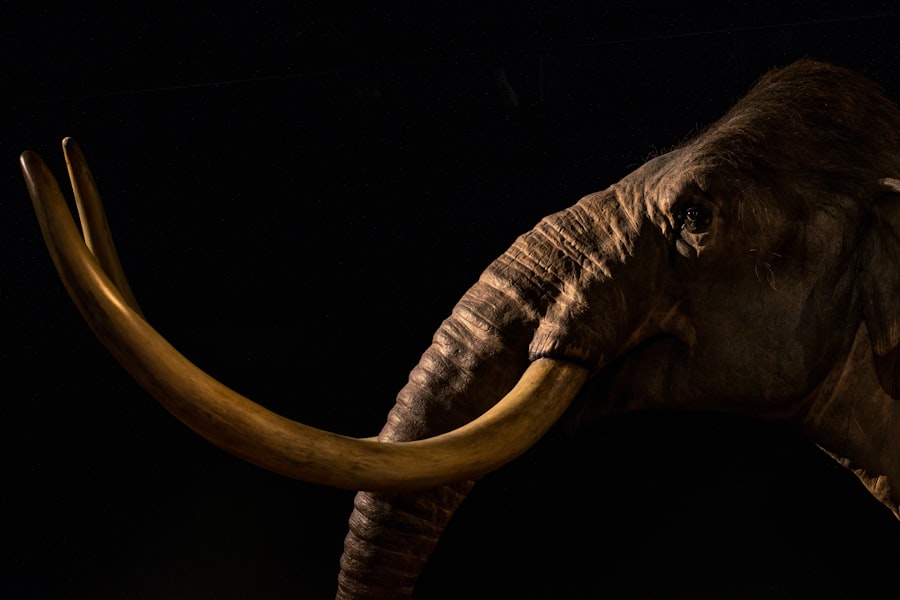
The Miocene oceans played a crucial role in global climate regulation and were teeming with life. Changes in sea levels, the interconnectedness of ocean basins, and the evolution of marine organisms all contributed to the Miocene’s unique aquatic environments.
The Influence of Sea Level Changes
Sea levels during the Miocene were generally higher than in the present day, though they fluctuated. These fluctuations had a significant impact on coastal ecosystems and the distribution of marine life.
Submerged Continents and Shallow Marine Life
During periods of higher sea level, large areas of continental landmass were submerged, creating vast, shallow marine environments. These shallow seas were incredibly productive, supporting rich coral reefs and supporting diverse communities of invertebrates, fish, and marine mammals.
The Impact of Glaciation on Sea Level
As the Miocene progressed and Antarctic glaciation intensified, the storage of water in ice sheets led to a global drop in sea levels. This exposed continental shelves and reshaped coastlines, impacting marine habitats and potentially leading to the isolation of marine populations.
Marine Mammal Evolution and Diversification
The Miocene was a critical period for the evolution of modern marine mammal groups.
The Cetacean Radiation: Whales and Dolphins Taking Shape
Whales and dolphins (cetaceans) continued their evolutionary diversification from their terrestrial ancestors. The Miocene saw the emergence of many new families and suborders within the cetaceans, including the ancestors of modern toothed whales (Odontocetes) and baleen whales (Mysticetes). Fossil evidence from this period provides crucial insights into the transition from land to sea and the development of echolocation and filter-feeding mechanisms.
Pinniped Development: Seals, Sea Lions, and Walruses
The ancestors of modern seals, sea lions, and walruses (pinnipeds) also experienced significant diversification during the Miocene. These amphibious mammals adapted to exploiting marine food resources while retaining ties to land for breeding and resting. Fossil discoveries illustrate the gradual development of their characteristic flippers and streamlined bodies.
The Richness of Marine Invertebrates and Fish
Beyond mammals, the Miocene oceans were home to a vibrant array of other marine life. Various species of sharks, bony fish, mollusks, crustaceans, and corals thrived in the diverse marine environments of the epoch. The geological record of these organisms provides invaluable information about past ocean chemistry, temperature, and salinity.
The Verdant World: Forests, Grasslands, and the Rise of Flowering Plants
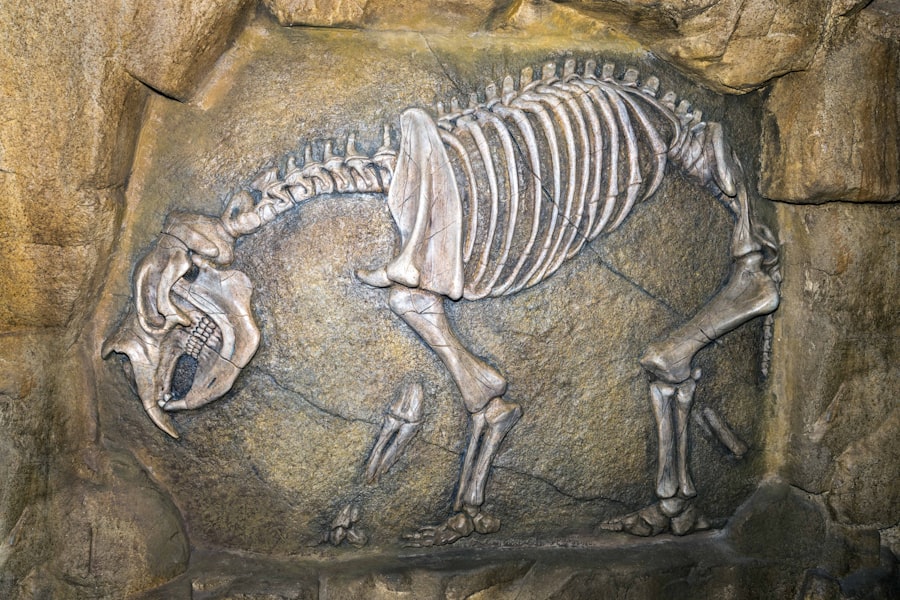
The plant kingdom underwent significant transformations during the Miocene, with the expansion of grasslands and the continued evolution of flowering plants playing vital roles in shaping terrestrial ecosystems.
The Expansion of Grasslands: A New Ecological Frontier
Perhaps the most significant change in terrestrial vegetation during the Miocene was the expansion of grasslands. Driven by the mid-Miocene cooling and increased seasonality, vast areas that were once forested transitioned into open grasslands and savannas.
The Impact on Herbivore Evolution
As discussed earlier, this expansion of grasslands was a major driver for the evolution of grazing mammals with specialized teeth and digestive systems. The shift from browsing on leaves and twigs to grazing on grasses fundamentally altered herbivore anatomy and behavior.
The Interplay Between Plants and Herbivores
The spread of grasslands and the evolution of grazing herbivores created a dynamic interplay. Grazing pressure could influence the composition and structure of grasslands, while the evolution of grasses with their rapid growth and reproductive cycles allowed them to persist under grazing.
The Continued Success of Flowering Plants (Angiosperms)
Flowering plants, which had diversified rapidly during the Cretaceous and Cenozoic, continued their dominance in the Miocene. They occupied a wide range of ecological niches, from the canopy of remaining forests to the open plains of grasslands.
Co-evolution with Insects and Pollinators
The Miocene witnessed continued co-evolution between flowering plants and their pollinators, primarily insects like bees, butterflies, and moths. The development of specialized flower shapes, colors, and scents attracted specific pollinators, ensuring successful reproduction for the plants and a food source for the insects.
The Diversification of Fruits and Seeds
Flowering plants also diversified their strategies for seed dispersal. This included the development of a wide array of fruits, which attracted frugivores (fruit-eating animals), facilitating the spread of seeds over greater distances. This process further shaped the distribution and diversity of plant life.
The Miocene epoch, a significant period in Earth’s history, is characterized by dramatic climate changes and the evolution of various plant and animal species. Understanding this epoch can provide insights into how past environmental shifts have shaped our planet. For those interested in the broader implications of climate change and geological transformations, a related article discusses the fascinating evidence of a pole shift in Antarctica, which can be explored further by visiting this link. This connection highlights the importance of studying ancient epochs to comprehend current and future climatic challenges.
Unveiling the Miocene Through Paleontology and Geology
| Aspect | Details |
|---|---|
| Time Period | 23 million to 5.3 million years ago |
| Climate | Warmer and more stable than the preceding Oligocene epoch |
| Geography | Continued movement of continents, leading to the formation of the Mediterranean Sea |
| Life Forms | Diversification of mammals, including the appearance of early apes and the first horses |
| Events | Formation of the Himalayas and the Antarctic ice sheet |
Our understanding of the Miocene Epoch is pieced together through the meticulous work of paleontologists and geologists, who excavate fossils and interpret the Earth’s rocky record.
The Power of the Fossil Record
Fossils are the primary window into the past, and the Miocene is exceptionally well-represented. Sites worldwide have yielded a treasure trove of fossil remains, providing direct evidence of the organisms that lived, their morphology, and their ecological interactions.
Key Fossil Sites and Discoveries
Numerous fossil-rich sites across the globe have illuminated the Miocene world. In North America, the fossil beds of the Great Plains have revealed much about the evolution of horses, camels, and other mammals. In Africa, sites like the Afar region have yielded crucial hominin fossils. In Europe, the rich fossil faunas from Germany and Spain have provided insights into Miocene mammals and ancient environments. Asia, particularly China and Pakistan, has also contributed significantly to our understanding of Miocene primate and mammalian evolution.
Reconstructing Ancient Ecosystems
By studying the types of fossils found together at a particular site, paleontologists can reconstruct ancient ecosystems. Evidence of predator-prey relationships, plant-herbivore interactions, and the overall environmental conditions can be inferred, allowing us to paint a picture of what these landscapes were like millions of years ago.
Geological Evidence: Rocks and Imprints of Time
Geological evidence complements the fossil record, providing context for the biological discoveries. The rock layers themselves, their composition, and their depositional environments offer critical clues about the conditions of the Miocene.
Sedimentary Rocks and Paleoclimates
Sedimentary rocks formed during the Miocene, such as sandstones, shales, and limestones, provide direct evidence of past environments. For example, the presence of coal deposits indicates ancient swamps and forests, while evaporite deposits (like salt) point to arid conditions and the desiccation of large bodies of water. The isotopic composition of marine sediments can also reveal information about past ocean temperatures and salinity.
Tectonic Signatures and Landform Evolution
The geological record also preserves the evidence of tectonic activity. Layers of volcanic ash can be dated radiometrically, providing absolute ages for associated fossils. The folding and faulting of rocks indicate periods of mountain building or rifting. By studying these geological signatures, scientists can trace the formation and erosion of mountain ranges, the opening and closing of seaways, and the overall reshaping of the Earth’s surface during the Miocene.
The Miocene Epoch, therefore, stands not just as a chapter in Earth’s history, but as a vital prologue to the world we inhabit today. Its dramatic climatic shifts, the spectacular diversification of life, especially mammals, and the relentless sculpting of continents provide a profound testament to the dynamic and ever-evolving nature of our planet.

When the Mediterranean Became a Desert | The Messinian Salinity Crisis Explained
FAQs
What is the Miocene epoch?
The Miocene epoch is a geological time period that occurred approximately 23 to 5.3 million years ago. It is part of the Neogene period and is known for its warm climate and diverse flora and fauna.
What major events occurred during the Miocene epoch?
During the Miocene epoch, the Earth experienced significant changes in climate, including the gradual cooling and drying of the planet. This period also saw the diversification and spread of many modern mammal groups, including apes and early hominids.
What were the environmental conditions like during the Miocene epoch?
The Miocene epoch was characterized by a warm and relatively stable climate, with global temperatures higher than those of today. The Earth’s continents were positioned similarly to their current locations, and the climate was generally more humid than in later epochs.
How did the Miocene epoch impact the evolution of life on Earth?
The Miocene epoch played a crucial role in the evolution of many modern plant and animal species. It saw the rise of grasslands and the spread of savannas, which influenced the development of grazing mammals and the expansion of hominid populations.
What evidence do we have of the Miocene epoch today?
Scientists have gathered evidence of the Miocene epoch from fossilized remains of plants and animals, as well as from geological formations and sedimentary layers. Additionally, the study of ancient climate patterns and the distribution of species provides further insight into this important period in Earth’s history.