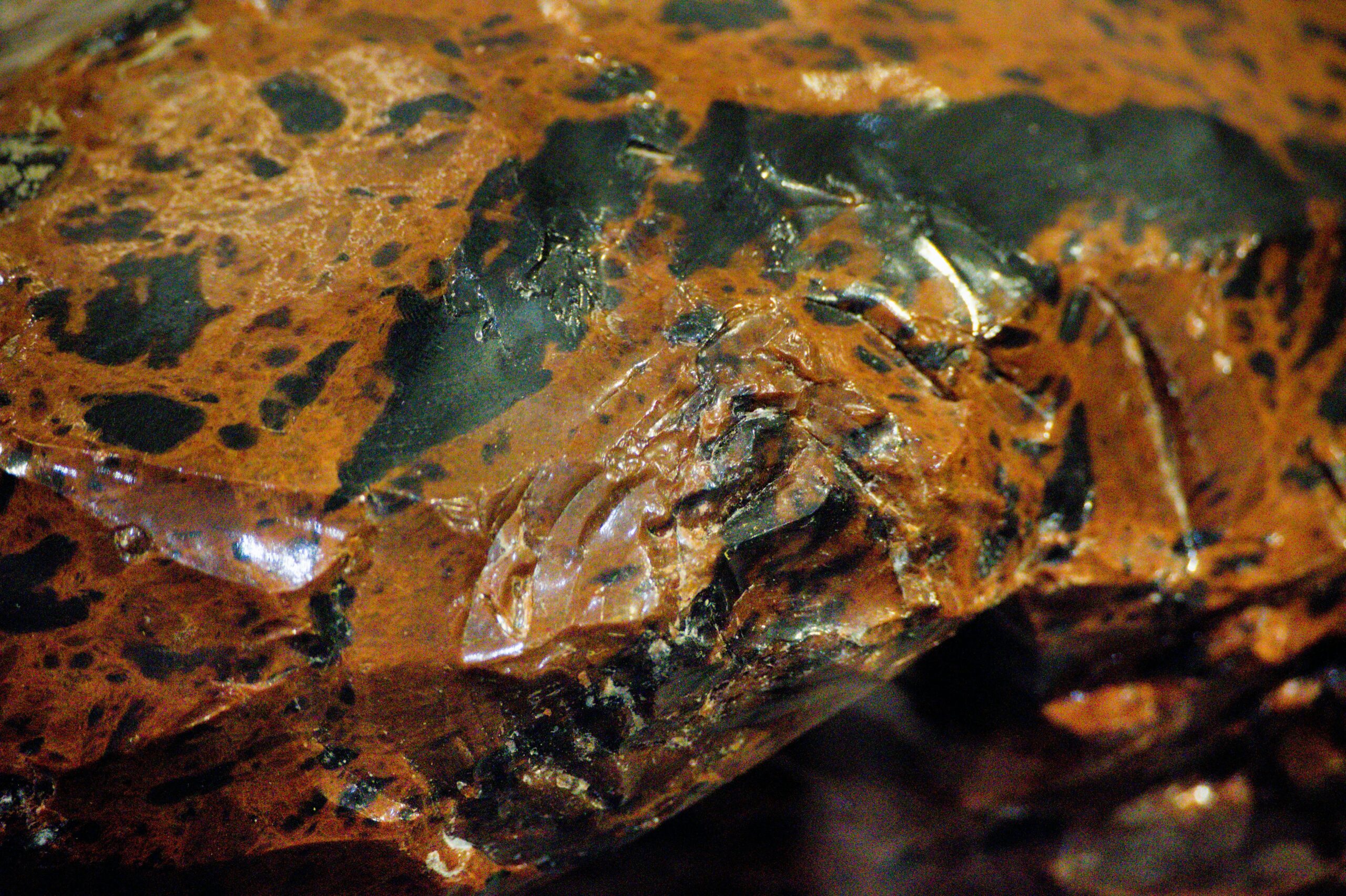
The glinting, volcanic glass known as obsidian has captivated humanity for millennia, its mirror-like surface reflecting both the ancient past and the ongoing quest to understand its origins. This lustrous material, born from the fiery heart of the Earth, offers a unique window into geological processes, human migration, and trade networks. Unraveling the mysteries of obsidian provenance—the study of its geographical origin and sources—is a complex yet rewarding endeavor that relies on a sophisticated blend of scientific analysis and archaeological interpretation. For archaeologists and geologists alike, obsidian is not merely a beautiful artifact; it is a tangible record of Earth’s dynamism and the ingenuity of its early inhabitants.
Obsidian’s journey from molten rock to a prized material begins deep within the Earth’s mantle. The conditions necessary for its formation are specific, requiring rapid cooling of silica-rich lava. This rapid chilling prevents the formation of crystals, resulting in the amorphous, glassy structure that defines obsidian. Understanding this geological fingerprint is the foundational step in deciphering its provenance.
Volcanic Activity and Lava Composition
The creation of obsidian is intrinsically linked to volcanic activity. Not all volcanic eruptions, however, produce obsidian. The key lies in the composition of the magma. Magmas that are relatively high in silica content (typically above 65-70%) and have a significant amount of dissolved water and gases are more prone to forming obsidian when they erupt. These viscous magmas, upon reaching the surface, cool quickly due to exposure to air or water. The rate of cooling is paramount; slow cooling allows minerals to crystallize, producing other igneous rocks like granite or rhyolite, while rapid cooling traps the silica in a disordered, glassy state. Areas with a history of silicic, explosive volcanism are thus the primary locations where obsidian deposits are found.
The Role of Rapid Cooling
The speed at which lava cools directly dictates whether obsidian forms. When basaltic lava, which is low in silica, erupts, it cools relatively slowly, forming basalt. However, rhyolitic or andesitic lavas, which are richer in silica, can form obsidian if the cooling rate is sufficiently rapid. This can occur in several scenarios:
- Surface Flows: Thick lava flows that are exposed to the elements will cool from the outside in. The outer layers, especially if the flow is relatively thin or the ambient temperature is low, can quench rapidly enough to form obsidian.
- Pyroclastic Deposits: Obsidian can also be found within pyroclastic deposits, such as ignimbrite or ash flows. In these situations, hot volcanic material is ejected into the air and quickly settles, cooling rapidly upon deposition.
- Submarine Eruptions: While less common, obsidian can form in submarine volcanic environments where extremely rapid cooling in water can lead to the glassy texture.
The textural variations within obsidian, such as the presence of small vesicles (gas bubbles) or flow bands (layers of different mineral composition or color), can also provide clues about the specific eruptive event and the conditions under which the obsidian formed.
Igneous Rocks vs. Volcanic Glass
It is crucial to differentiate obsidian from other igneous rocks. While they share a common origin from molten rock, the crystal structure is the defining characteristic. Crystalline igneous rocks, like granite, have a visibly granular texture due to the intergrown mineral crystals. Obsidian, on the other hand, has a conchoidal fracture, meaning it breaks with smooth, curved surfaces, much like glass. This characteristic fracture has made obsidian a highly desirable material for toolmaking throughout history. The absence of visible crystal structures is the hallmark of volcanic glass, and by extension, obsidian.
Obsidian provenance is a fascinating topic that delves into the origins and historical significance of obsidian as a material used by ancient cultures. For those interested in exploring related themes of resource management and defense strategies in extraterrestrial environments, the article on lunar base defense systems provides valuable insights. You can read more about it in this article: Securing the Moon: Lunar Base Defense Strategies and Systems.
The Science Behind Provenance Analysis
Identifying the specific geological source of an obsidian artifact is a scientific puzzle solved through the analysis of its intrinsic chemical composition. Each volcanic eruption is unique, producing obsidian with a distinct chemical “fingerprint” that can be traced back to its origin. Scientists employ a suite of advanced analytical techniques to decipher these fingerprints.
Instrumental Neutron Activation Analysis (INAA)
One of the most widely used techniques for obsidian provenance studies is Instrumental Neutron Activation Analysis (INAA). This non-destructive method involves bombarding obsidian samples with neutrons. This causes some of the elements within the sample to become radioactive isotopes, which then emit gamma rays. By measuring the energy and intensity of these gamma rays, scientists can determine the concentration of various trace elements present in the obsidian. These trace elements, often present in parts per million or even parts per billion, are highly characteristic of the source volcano and its magma. INAA is particularly effective because it can measure a broad spectrum of elements, providing a comprehensive compositional profile.
X-Ray Fluorescence (XRF)
X-Ray Fluorescence (XRF) is another common and versatile technique employed in obsidian provenance studies. In XRF, the obsidian sample is exposed to a beam of X-rays. This causes the atoms within the sample to emit fluorescent X-rays at characteristic energies. By analyzing the wavelengths and intensities of these emitted X-rays, the elemental composition of the obsidian can be determined. XRF is a relatively fast and portable technique, making it suitable for field analysis, although it may not always achieve the same level of precision as INAA for certain trace elements.
Other Spectroscopic Techniques
Beyond INAA and XRF, several other spectroscopic methods contribute to provenance analysis. Inductively Coupled Plasma Mass Spectrometry (ICP-MS) and Inductively Coupled Plasma Atomic Emission Spectrometry (ICP-AES) are powerful techniques that can measure a wide range of elements with high sensitivity and accuracy. These methods involve dissolving the obsidian sample in an acid solution and then analyzing the resulting liquid. Laser Ablation Inductively Coupled Plasma Mass Spectrometry (LA-ICP-MS) offers a way to analyze solid samples directly, minimizing sample preparation and allowing for spatial mapping of elemental concentrations within a single piece of obsidian. Each technique offers different strengths and sensitivities, and often a combination of methods is used for a more robust analysis.
Establishing Reference Libraries: The Cornerstone of Provenance
The effectiveness of any provenance study hinges on the existence of comprehensive reference libraries. These libraries are collections of chemical analyses from known obsidian sources. Geologists and archaeologists meticulously collect samples from volcanic deposits identified as potential obsidian sources and analyze them using the aforementioned techniques. This data is meticulously cataloged, forming a database that serves as a reference point. When an obsidian artifact is discovered, its chemical composition is analyzed and compared to the profiles in the reference library. A close match between the artifact’s composition and that of a specific geological source provides strong evidence for the artifact’s provenance. The accuracy and completeness of these reference libraries are therefore crucial for reliable provenance assignments.
Obsidian in the Archaeological Record: More Than Just Tools
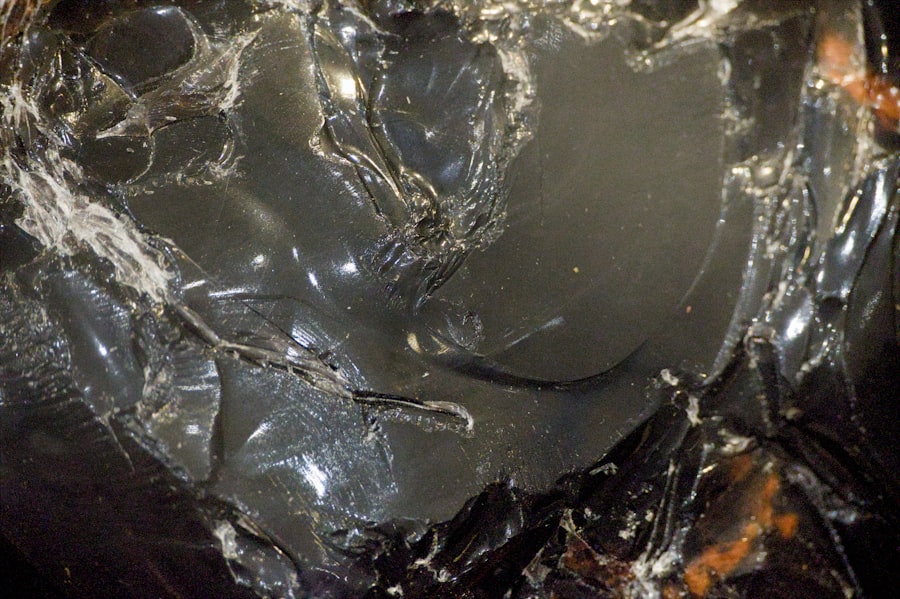
The presence of obsidian artifacts at archaeological sites offers invaluable insights into ancient human behavior, including settlement patterns, technological advancements, and the extent of trade and social networks. Its unique properties made it a material of choice for a wide range of implements, and its traceability allows archaeologists to reconstruct ancient movements and interactions.
The Prehistoric Toolkit: Blades, Scrapers, and Projectiles
Obsidian’s sharp, brittle nature made it ideal for crafting highly effective cutting tools. The conchoidal fracture produces remarkably thin and sharp edges, surpassing many other naturally occurring materials in its cutting ability. Prehistoric peoples expertly flaked obsidian to create:
- Blades and Knives: Essential for butchering animals, preparing food, and various crafting tasks.
- Scrapers: Used for softening hides, preparing wood, and other tasks requiring abrasive action.
- Projectile Points: Arrowheads and spear points, crafted with precision for hunting.
- Drills and Awls: For piercing materials like leather and bone.
- Sickles: Used for harvesting grains and grasses.
The presence of obsidian tools at a site, especially in regions where obsidian is not locally available, immediately signals the involvement of trade or direct travel to a source.
Ritual and Symbolic Significance
Beyond its utilitarian uses, obsidian also held significant ritual and symbolic meaning for many ancient cultures. Its dark, reflective surface was often associated with the underworld, divination, or spiritual realms.
- Mirrors: Polished obsidian mirrors were used in ritual practices and for scrying.
- Amulets and Ornaments: Small obsidian pieces were fashioned into beads, pendants, and other decorative items, often believed to possess protective or spiritual properties.
- Ceremonial Objects: In some cultures, obsidian was used to create specific ceremonial objects or was incorporated into elaborate burial goods.
The deposition of obsidian in mortuary contexts or as offerings further underscores its cultural importance and perceived power.
Obsidian as an Indicator of Social Interaction
Perhaps one of the most compelling aspects of obsidian in archaeology is its role as a tracer of human interaction. Because obsidian deposits are geographically restricted, the presence of artifacts made from obsidian sourced from distant locations indicates either:
- Direct Procurement: People traveled to the obsidian source to collect the material themselves. This suggests knowledge of the landscape, established travel routes, and potentially cooperative ventures.
- Exchange Networks: Obsidian was traded from its source region to other areas. This reveals the existence of complex exchange systems, intermediaries, and sophisticated social networks capable of facilitating the movement of goods over long distances.
The volume and type of obsidian found at a site can also provide clues about the nature of these interactions, whether it was long-term settlement near a source, intermittent trade expeditions, or participation in broader regional exchange systems.
Tracing Ancient Trade Routes and Migration Patterns

The ability to pinpoint the geological origin of obsidian artifacts has revolutionized our understanding of ancient trade networks and human migration. By analyzing obsidian from archaeological sites and comparing it to known source locations, researchers can reconstruct the pathways of interaction that shaped human history.
Mapping Obsidian Sourcing: The Foundation of Trade Route Studies
The initial step in tracing trade routes involves meticulously identifying the sources of obsidian used by ancient peoples. This requires extensive geological surveys to locate obsidian-rich volcanics and the subsequent chemical analysis of both geological samples and archaeological artifacts. Once a correspondence is established between artifact obsidian and a specific geological source, the geographic location of that source becomes a focal point. Archaeologists then examine the distribution of artifacts made from that source’s obsidian across the landscape.
Identifying Trade Zones and Hubs
The widespread distribution of obsidian from a particular source indicates the reach of its trade network. Areas with a high concentration of artifacts from a single, distant source suggest the existence of active trade routes converging on those locations. Conversely, sites located along these routes might show a more diverse range of obsidian types, reflecting their role as intermediaries or transit points. Analyzing the quantities of obsidian traded can also shed light on the economic importance of these materials and the scale of the exchange.
Reconstructing Migration and Dispersal
When obsidian artifacts of a particular source are found in regions far from their origin, and in contexts suggesting early human settlement, they can serve as powerful evidence for migration. For instance, if obsidian from a source in one geographic region is found in an archaeological site in a completely different region, and the dating of the site corresponds with known periods of human dispersal, it strongly suggests that the people who settled that site brought the obsidian with them either from their homeland or during their migratory journey. This allows researchers to map the movement of populations and understand how different groups came into contact with one another.
The Role of Social and Political Factors
The patterns of obsidian distribution are not solely dictated by geography and economics; social and political factors play a significant role. The establishment of trade alliances, diplomatic relationships, or even conquest could influence the flow of obsidian. Understanding the broader social and political landscape of a region during the period of obsidian use is crucial for interpreting the observed distribution patterns and discerning the underlying motivations for trade and movement.
Obsidian provenance is a fascinating topic that delves into the origins and historical significance of obsidian artifacts. For those interested in the broader implications of material sourcing, a related article discusses the military implications of commercial lunar payload services, which can be found here. This exploration highlights how the extraction and utilization of resources from celestial bodies may parallel the study of terrestrial materials like obsidian, shedding light on the importance of provenance in both ancient and modern contexts.
Challenges and Future Directions in Obsidian Provenance
| Location | Provenance | Age |
|---|---|---|
| Maya region | Guatemala | Preclassic period |
| Central Mexico | Pachuca | Postclassic period |
| Peru | Andes Mountains | Pre-Inca period |
Despite the remarkable advancements in obsidian provenance studies, the field continues to face challenges and offers exciting avenues for future research. Refining analytical techniques, expanding reference libraries, and integrating diverse datasets are key to further unraveling the complex stories that obsidian holds.
Expanding and Refining Reference Libraries
While extensive reference libraries exist for many well-known obsidian sources, there are still vast areas of the world where obsidian deposits have not been thoroughly explored or cataloged. Continued geological research is essential to discover and characterize new potential sources. Furthermore, the chemical signatures of even known sources can vary slightly due to factors like different eruption events or sub-deposits within a larger volcanic system. Ongoing refinement of analytical techniques allows for more precise characterization of these variations, enabling finer-grained provenance assignments.
Addressing Ambiguities and Complex Distributions
In some cases, two or more geographically distinct obsidian sources may have very similar chemical compositions, making it difficult to definitively assign an artifact to a specific origin based on chemical analysis alone. In such situations, other factors, such as geographical proximity or the presence of specific artifact forms associated with particular source regions, may need to be considered. The development of more sophisticated statistical methods for comparing chemical datasets can also help in resolving these ambiguities.
The Integration of Multi-Proxy Approaches
Future research in obsidian provenance will likely see a greater integration of multi-proxy approaches. This involves combining chemical analysis with other scientific techniques and archaeological data. For example, isotopic analysis (e.g., strontium or oxygen isotopes) can provide complementary information about the geological environment from which the obsidian originated. Studying the macroscopic and microscopic characteristics of the obsidian, such as its texture, fracture patterns, and the presence of inclusions, can also offer additional clues.
Computational Modeling and Big Data Analysis
The growing volume of data generated by obsidian provenance studies necessitates the use of advanced computational tools. Big data analysis and machine learning algorithms can be employed to identify complex patterns in chemical datasets, predict potential source locations, and model the spread of obsidian across vast geographic areas. This computational power can help researchers to process and interpret large, intricate datasets more efficiently, leading to new discoveries and a deeper understanding of ancient human interactions.
The Importance of Interdisciplinary Collaboration
Ultimately, the most significant advancements in unraveling the mysteries of obsidian provenance will come from sustained, interdisciplinary collaboration. Geologists, archaeologists, chemists, physicists, and statisticians must continue to work together, sharing knowledge and expertise. This collaborative spirit is essential for pushing the boundaries of current understanding, addressing complex challenges, and unlocking the full potential of obsidian as a window into Earth’s history and humanity’s past. The journey to understand obsidian’s origins is far from over, and its glassy depths continue to promise revelations for generations of researchers.

How Volcanic Glass Solved a 10,000-Year-Old Mystery
FAQs
What is obsidian provenance?
Obsidian provenance refers to the study of determining the geographical origin of obsidian artifacts through various analytical techniques. This helps archaeologists understand trade routes, social interactions, and cultural exchange in ancient societies.
How is obsidian provenance determined?
Obsidian provenance is determined through techniques such as X-ray fluorescence (XRF), neutron activation analysis (NAA), and laser ablation inductively coupled plasma mass spectrometry (LA-ICP-MS). These methods analyze the chemical composition of obsidian samples to match them with known geological sources.
Why is obsidian provenance important in archaeology?
Obsidian was a valuable commodity in ancient times and was traded over long distances. By determining the origin of obsidian artifacts, archaeologists can reconstruct ancient trade networks, understand social interactions, and study the movement of people and goods in the past.
What are some common sources of obsidian?
Obsidian is found in various locations around the world, including the western United States, Mexico, Central America, the Andes, the Mediterranean region, and the Middle East. Each source has unique chemical signatures that can be used for provenance studies.
What are the limitations of obsidian provenance studies?
While obsidian provenance studies can provide valuable insights into ancient trade and social interactions, they have limitations. For example, weathering and secondary sources of obsidian can complicate the analysis, and some regions may have overlapping chemical signatures, making it challenging to pinpoint the exact source of an artifact.