
Unraveling the Mystery: Jamestown’s Missing Family Tree Branch
The story of Jamestown, America’s first permanent English settlement, is a tapestry woven with tales of hardship, survival, and the burgeoning of a new nation. While the broad strokes of its history are familiar – the arrival of the Virginia Company, the “Starving Time,” the complex relationships with the Powhatan Confederacy – there are still threads within this narrative that remain tantalizingly elusive. Among the most perplexing of these is the enigma surrounding a specific family tree branch, a seemingly lost lineage that, if fully understood, could offer invaluable insights into the social fabric and personal lives of those who dared to venture to this new world.
The initial years of Jamestown were characterized by a desperate struggle for survival. The colonists, a mix of gentlemen, artisans, and laborers, arrived with varying motivations and expectations. The Virginia Company, a joint-stock enterprise, envisioned riches in gold and other commodities, a vision that quickly proved illusory. The early settlers were primarily men, reflecting the era’s patriarchal society and the perceived nature of the colonial venture as a labor-intensive enterprise rather than a place for established families to relocate. However, even in these nascent stages, the seeds of social connection and familial bonds were present, albeit in a form distinct from what might be expected of a modern settlement.
Gentlemen and Laborers: A Hierarchical Society
The Jamestown colony was structured along strict hierarchical lines. At the top were the “gentlemen,” men of property and standing who often served as leaders and administrators. Below them were the skilled artisans, followed by the larger group of ordinary laborers and servants. This social stratification directly influenced the early demographics of the colony. While the gentlemen might have had families back in England, their immediate focus in Jamestown was on establishing the colony itself. The presence of married couples, while rare, was significant, as it introduced a different dynamic and the potential for intergenerational settlement.
The mystery surrounding the missing family tree branch of Jamestown has intrigued historians and genealogists alike, as it highlights the complexities of ancestry and social structures in early American settlements. For a deeper understanding of how social fractures in ancient cities can impact familial connections, you can explore the article on this topic at Uncovering Social Fracture in Ancient Cities. This article delves into the intricate relationships and societal dynamics that shaped communities, offering valuable insights that may parallel the challenges faced in tracing the lineage of Jamestown’s early inhabitants.
Early Marriages and Procreation: A Scarce Commodity
The earliest records of marriages within Jamestown are sparse and often difficult to trace definitively. The harsh conditions, high mortality rates, and the sheer focus on survival meant that marriage and procreation were not immediate priorities for many. However, the arrival of women, though limited in the initial decades, was crucial for the long-term viability of the settlement. These women, often arriving as wives, servants, or later, as part of organized efforts to encourage family life, began to form the nucleus of what would eventually become a more established community
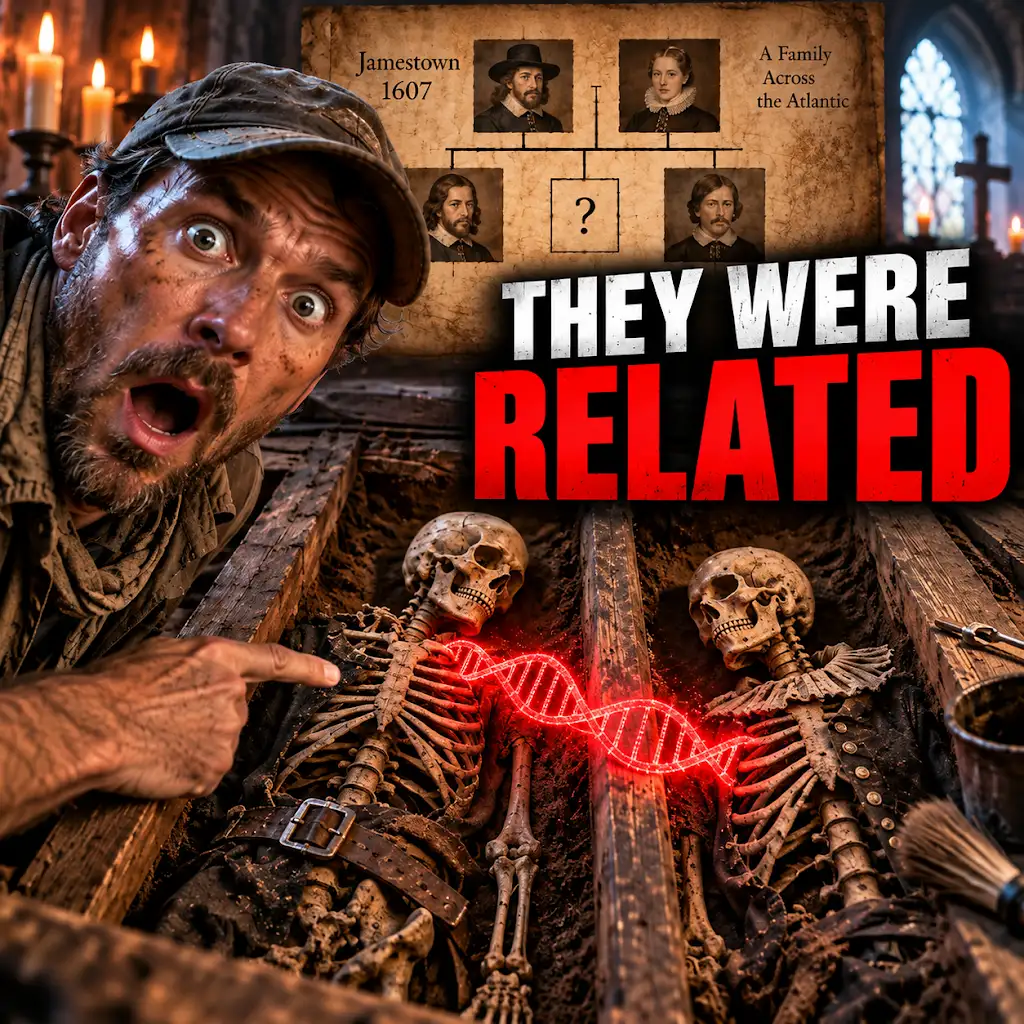
Jamestown DNA Revealed a Family Secret Hidden for 400 Years
FAQs

What is the Jamestown missing family tree branch?
The Jamestown missing family tree branch refers to a gap in the historical records of the early settlers of Jamestown, Virginia, where information about a particular family or individual is missing or incomplete.
Why is the missing family tree branch significant?
The missing family tree branch is significant because it can provide valuable insights into the lives, relationships, and experiences of the early settlers of Jamestown, helping to paint a more complete picture of the colony’s history.
How are historians and genealogists working to fill in the missing family tree branch?
Historians and genealogists are working to fill in the missing family tree branch by conducting research in historical archives, analyzing primary source documents, and collaborating with other researchers and descendants of Jamestown settlers to piece together the missing information.
What challenges do researchers face in uncovering information about the missing family tree branch?
Researchers face challenges such as incomplete or damaged historical records, conflicting information in different sources, and the passage of time, which can make it difficult to verify details about individuals and families from the early colonial period.
What are some potential implications of filling in the missing family tree branch for understanding Jamestown’s history?
Filling in the missing family tree branch can lead to a better understanding of the social dynamics, economic activities, and cultural practices of the early Jamestown settlers, shedding light on the complexities of life in the colony and its impact on subsequent generations.