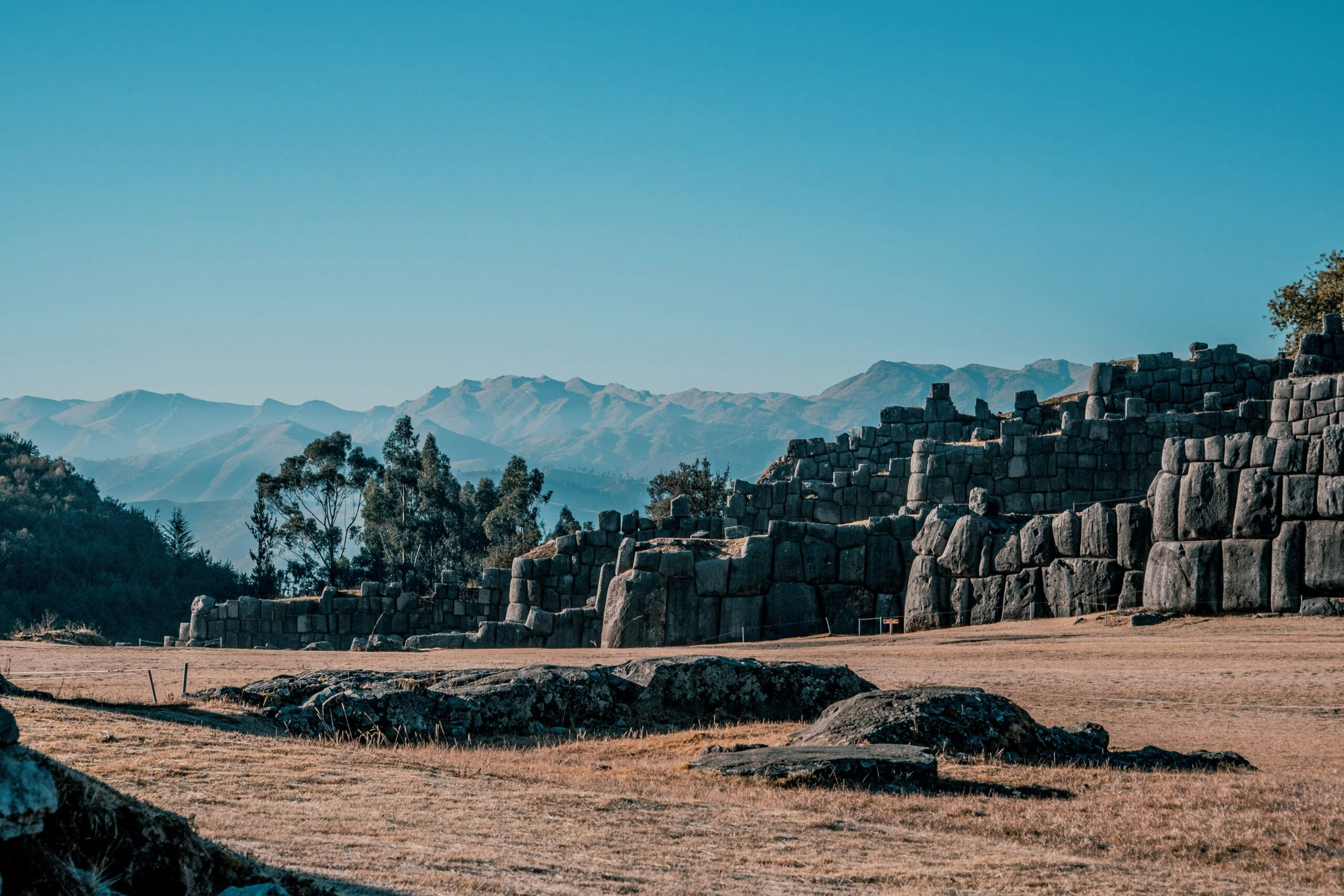
The colossal stones, precisely cut and fitted with an uncanny tightness, stand as silent witnesses to a forgotten era. Cyclopean masonry, a term evoking images of ancient giants and impossible feats, continues to baffle and intrigue those who study the architectural remnants of early civilizations. These monumental structures, characterized by their massive, irregular polygonal blocks, defy easy explanation. Their imposing presence, found across diverse geographical locations and time periods, hints at a sophisticated understanding of engineering and construction that seems to have vanished with their creators. Unraveling the mystery of cyclopean masonry is not merely an academic pursuit; it is a journey into the ingenuity of our ancestors and a quest to understand the lost knowledge that enabled them to shape the very landscape.
At its core, cyclopean masonry is defined by its raw, imposing scale and the seemingly effortless melding of colossal stones. The most striking feature is the size of the individual blocks, often weighing many tons, with some exceeding hundreds of tons. These are not the neatly quarried and dressed stones of classical Greek or Roman architecture. Instead, they are often irregular in shape, exhibiting a rugged, naturalistic appeal.
The Unmistakable Gigantism of the Blocks
The sheer dimension of the stones used in cyclopean constructions is the first characteristic that arrests the attention. Imagine blocks so large they would require contemporary machinery to move and position. In places like Mycenae, the Lion Gate’s lintel stone is estimated to weigh over 120 tons. The treasury of Atreus, also in Mycenae, features a dome constructed from massive stones, the largest of which is around 20 tons. These are not anomalies; similar colossal stones are found in ruins across the Mediterranean, South America, and beyond. The effort required to quarry, transport, and lift these behemoths without the benefit of modern cranes, pulleys, or even the wheel in some instances, is a puzzle that lies at the heart of the mystery.
The Precision of the Fit: A Seemingly Impossible Interlocking
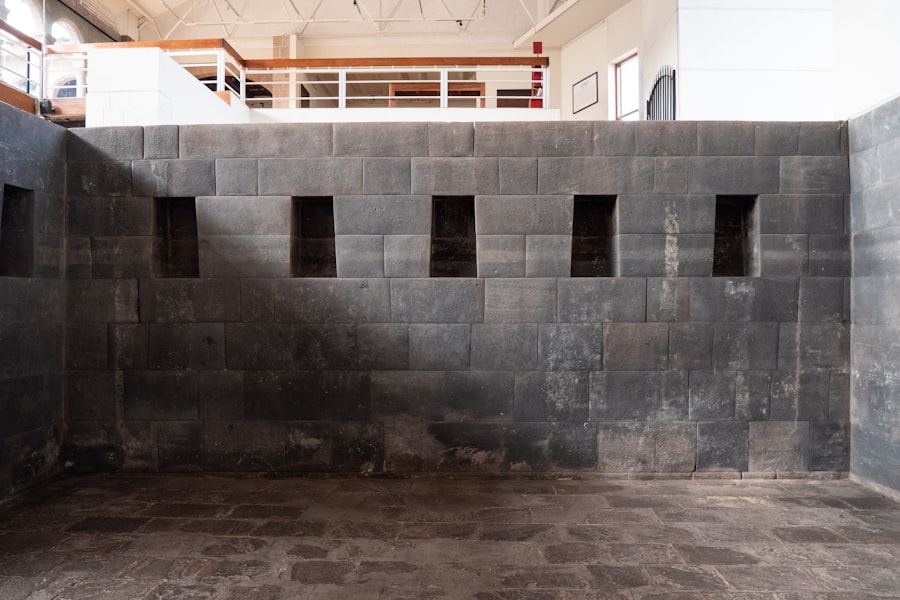
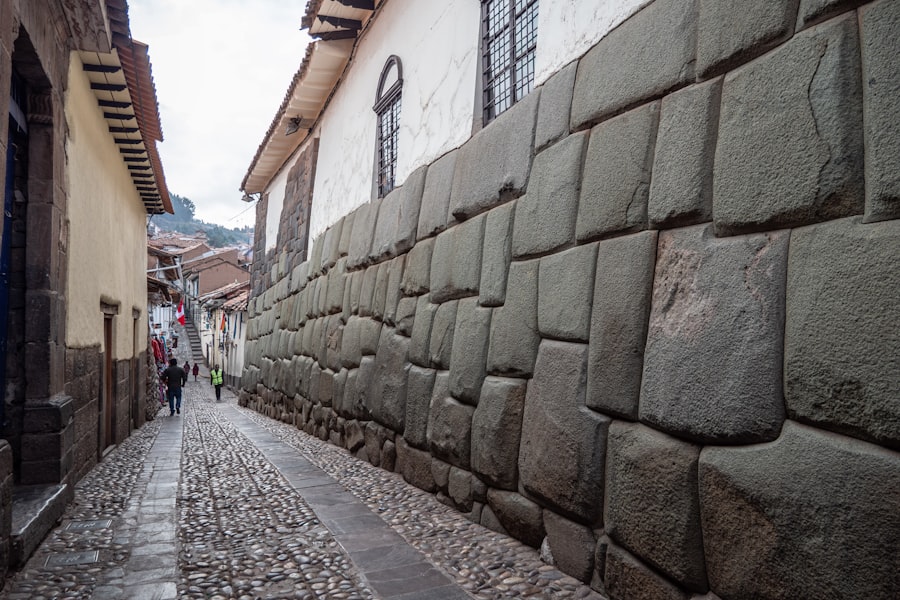
Perhaps even more astonishing than the size of the stones is the precision with which they are fitted together. There is often no mortar used in the construction of truly cyclopean walls. Instead, the irregular surfaces of the blocks are so expertly shaped that they lock together, creating remarkably stable and earthquake-resistant structures. The gaps between the stones are minimal, sometimes barely wide enough to insert a thin blade. This jigsaw puzzle-like arrangement suggests a level of skill and meticulous planning that challenges our assumptions about ancient craftsmanship.
The Absence of Mortar: A Testament to Precision Engineering
The complete or near-complete absence of mortar in many cyclopean structures is a critical aspect of their mystery. While some later examples might incorporate binding agents, the quintessential examples, such as the walls of Mycenae or the ruins of Sacsayhuamán in Peru, rely solely on the sheer weight and precise shaping of the stones for their integrity. This implies that the builders possessed an unparalleled understanding of geometry and material properties, enabling them to create interlocking systems that have endured for millennia.
Irregular Polygonal Shapes: A Masterclass in Adaptation
The use of irregularly shaped polygonal blocks is not a sign of laziness or lack of skill, but rather a testament to the builders’ adaptability and mastery of their materials. Rather than forcing natural, irregularly shaped stones into a predetermined mold, the builders worked with the forms provided by nature. Each stone was sculpted to perfectly complement its neighbors, creating a flowing, organic yet immensely strong wall. This approach contrasts with the standardized, rectangular blocks used in later architectural traditions, suggesting a different philosophy of construction that emphasized organic integration with the landscape.
Cyclopean masonry, characterized by its massive stone blocks and rough construction, has fascinated archaeologists and historians for centuries. This ancient building technique is often associated with monumental structures from the Mycenaean period, showcasing the engineering prowess of early civilizations. For those interested in exploring related topics, an insightful article on asset freezing powers under the IIEPA Act can be found here: IIEPA Act: Asset Freezing Powers Explained. While the two subjects may seem unrelated at first glance, both highlight the complexities of human ingenuity and the ways in which societies have developed systems to protect and preserve their legacies.
Theories of Construction: From Human Ingenuity to the Unexplained
The methods employed to create these magnificent structures have been the subject of intense debate for centuries. While conventional archeology offers explanations rooted in human engineering and labor, other theories venture into more speculative territory, attempting to account for the seemingly insuperable challenges involved.
The Conventional Archeological Perspective: Labor, Tools, and Time
The prevailing view among archeologists attributes the construction of cyclopean

The Walls That Shouldn’t Still Be Standing
FAQs
What is cyclopean masonry?
Cyclopean masonry is a construction technique where massive irregularly shaped stones are fitted together without the use of mortar. This technique was commonly used in ancient civilizations such as the Mycenaeans, Inca, and Etruscans.
How is cyclopean masonry different from other masonry techniques?
Cyclopean masonry differs from other masonry techniques in that it uses large, irregularly shaped stones that are fitted together without the use of mortar. This creates a distinctive and impressive architectural style.
What are some famous examples of cyclopean masonry?
Some famous examples of cyclopean masonry include the walls of the ancient city of Mycenae in Greece, the walls of Saksaywaman in Peru, and the Etruscan walls in Italy. These structures showcase the impressive and enduring nature of cyclopean masonry.
What are the advantages of using cyclopean masonry?
Cyclopean masonry is known for its durability and strength, as the massive stones are tightly fitted together without the need for mortar. This makes structures built with cyclopean masonry resistant to earthquakes and other natural disasters.
How was cyclopean masonry constructed?
Cyclopean masonry was constructed by fitting together massive irregularly shaped stones using a technique known as “dry stone construction.” Skilled craftsmen would carefully select and shape the stones to fit together tightly, creating a strong and enduring structure.