The allure of Damascus steel is a whisper that has echoed through centuries, conjuring images of swords that could slice through a falling silk scarf or a rifle barrel with unmatched precision and terrifying sharpness. For generations, the secrets of its creation were lost, a tantalizing enigma for metallurgists and historians alike. Its distinctive watered patterns, reminiscent of flowing water or rippling sand, were as beautiful as they were functional, hinting at a metallurgical process far beyond the understanding of its time. This article endeavors to unravel the mystery of this legendary metal, exploring its historical context, the scientific understanding of its composition and formation, modern attempts at replication, and its enduring legacy in the realm of metallurgy and art.
The origins of what we know as Damascus steel are steeped in legend and historical accounts that, while evocative, often blur the lines between fact and folklore. The name itself, “Damascus steel,” points to its connection with the great trading city of Damascus, a pivotal hub in the ancient world. This city was more than just a market; it was a crossroads where goods, ideas, and technologies from East and West converged. It’s within this vibrant cultural exchange that the exceptional properties of this steel likely first captured the attention of outsiders.
The Crucible of Legends
Early chroniclers and travelers, encountering blades forged in or traded through Damascus, were astounded by their performance. These weren’t just sharp tools; they were artifacts of extraordinary capability.
The Testimony of Crusaders
Perhaps the most prominent early narratives come from the accounts of Crusaders returning from the Holy Land. They spoke of swords that possessed an unparalleled combination of hardness and flexibility, able to withstand the brutal realities of medieval warfare. These blades were often described as having a distinctive shimmering pattern on their surface, a visual cue that set them apart from the coarser, often brittle steels of Europe.
The “Wootz” Connection
Later research would strongly link these fabled blades to a different, yet equally mysterious material: Indian wootz steel. It is believed that wootz ingots, characterized by their distinctive high carbon content and the presence of micro-structures that would later be identified as cementite, were imported to the Middle East and then forged by skilled smiths in Damascus. The process of forging wootz into the final blade was likely where the true artistry and the “Damascus” characteristics emerged.
The Decline and Disappearance of the Art
The precise reasons for the disappearance of the true art of Damascus steel forging remain a subject of debate. Several theories have been proposed, each offering a plausible explanation for the loss of this coveted knowledge.
Trade Routes and Resource Depletion
One strong possibility is the disruption of trade routes. The supply of wootz steel, possibly originating from specific regions in India where the raw materials and unique smelting conditions were available, may have been interrupted due to political instability or economic shifts. Without the essential raw material, the blacksmiths would have been unable to continue their craft.
Loss of Specialized Knowledge
Furthermore, the creation of Damascus steel was not a simple process. It demanded an intimate understanding of materials, heat treatment, and forging techniques that were likely passed down through generations of master smiths. This knowledge was probably not widely documented in written form, making it vulnerable to being lost with the passing of individuals or families who possessed it.
The mystery of Damascus steel, renowned for its distinctive patterns and exceptional strength, has intrigued metallurgists and historians alike for centuries. Recent research has shed light on the ancient techniques used in its production, paralleling discoveries in other fields, such as climate history. For instance, an article discussing how tree rings reveal evidence of a Bronze Age drought provides insight into the environmental conditions that may have influenced ancient metalworking practices. To explore this fascinating connection, you can read more in the article found here: Tree Rings Reveal Bronze Age Drought.
The Science Behind the Shimmer: Metallurgical Insights
For centuries, the magic of Damascus steel was attributed to mystical elements or obscure alchemical processes. However, modern science has begun to peel back the layers of this enigma, revealing a fascinating interplay of carbon content, microstructure, and careful thermal manipulation. The distinctive patterns, once thought to be purely decorative, are in fact direct manifestations of a complex internal structure.
The Role of High Carbon Content
Central to the unique properties of Damascus steel is its remarkably high carbon content. Unlike the steels commonly produced in Europe during the same period, which typically ranged from 0.3% to 0.8% carbon, true Damascus steel often contained between 1.5% and 2.0% carbon. This elevated carbon level is crucial for the formation of specific micro-structures that impart both hardness and toughness.
Cementite: The Hardening Agent
At these high carbon concentrations, a compound known as iron carbide, or cementite (Fe3C), plays a pivotal role. Cementite is an extremely hard and brittle phase of iron. In the context of Damascus steel, the controlled formation and distribution of cementite within the softer, more ductile iron matrix are what give the blades their exceptional edge retention and resistance to wear. The “watered” patterns are, in essence, the visual representation of these cementite structures.
The Pattern Welded vs. Crucible Steel Debate
Historically, there has been an ongoing discussion about whether “Damascus steel” referred to a single type of steel or encompassed different forging techniques. While the term is often associated with wootz crucible steel, it’s important to acknowledge other forms of historically significant patterned steels.
Crucible Steel (Wootz): The True Damascus?
The prevalent theory today is that the most legendary Damascus blades were forged from wootz steel. This type of steel was produced by smelting iron and carbon-rich materials in a sealed crucible, allowing for a high degree of homogeneity and a precise carbon content. Upon cooling, wootz steel would develop a characteristic microstructure. The subsequent forging process then worked this material to reveal the intricate patterns.
Pattern Welding: A Related but Distinct Art
Separately, pattern welding is a technique where different types of steel are forged together, twisted, and folded to create layered patterns. This method was more common in other regions, such as Viking Age Scandinavia. While pattern-welded blades can exhibit beautiful patterns and possess excellent properties, they are metallurgically distinct from genuine wootz-based Damascus steel. The confusion between these two techniques has contributed to the historical mystery.
The Importance of Heat Treatment
Beyond the material itself, the precise heat treatment applied during the forging process was paramount. This involved carefully heating the steel to specific temperatures and then rapidly cooling it (quenching) and tempering it. These steps controlled the size and distribution of the carbide structures, influencing the final balance of hardness and toughness.
Quenching and Tempering: The Blacksmith’s Touch
The quenching process, typically done by plunging the heated steel into a liquid medium like water or oil, rapidly transforms the steel’s internal structure, hardening it. Tempering, a subsequent heating to a lower temperature, reduces some of this brittleness and imparts toughness. The skill of the blacksmith lay in achieving the optimal combination, allowing the blade to be both sharp and resilient.
Recreating the Legend: Modern Interpretations and Innovations

The loss of the ancient art of Damascus steel forging ignited a quest for its rediscovery and replication. For centuries, metallurgists and bladesmiths have been fascinated by its properties and driven to recreate its legendary qualities. This pursuit has led to both successful rediscoveries and the development of new, advanced steels that draw inspiration from the original.
The Rediscovery of Wootz
Significant breakthroughs in understanding wootz steel came in the 20th century. Metallurgical analysis of surviving wootz ingots and historical blades provided crucial data on their composition and microstructures. This scientific investigation laid the groundwork for attempts to reproduce the original material.
Analyzing Ancient Ingots
Examining historical wootz ingots, often unearthed from archaeological sites, revealed their distinctive high carbon content and the presence of specific impurities that may have played a role in carbide formation. The intricate network of cementite within the ferrite matrix was identified as the key to the pattern and the steel’s strength.
Understanding the Forging Process
Through careful study and experimentation, modern metallurgists have pieced together educated guesses about the forging techniques used by ancient smiths. This involves understanding the critical temperatures, the duration of heating, and the specific hammering techniques that would have worked the wootz steel without shattering it.
Modern Pattern Welding: Honoring an Ancestry
While wootz replication remains a challenging endeavor, modern pattern welding has flourished as a means of creating blades with aesthetically pleasing layers and excellent performance. These techniques, while distinct from the original wootz-based Damascus, pay homage to the artistry and functional beauty of historical patterned steels.
Layering and Folding Techniques
Contemporary pattern welded steels are created by skillfully uniting layers of different steel alloys. These layers are then heated, hammered, twisted, and folded numerous times. This process creates complex and often breathtaking patterns that are not only visually striking but also contribute to the blade’s overall strength and flexibility by averaging the properties of the constituent steels.
Advanced Alloy Development
Modern developments in metallurgy have also led to the creation of advanced steel alloys that possess properties that rival, and in some cases surpass, those of historical Damascus steel. These new steels often incorporate elements like vanadium, molybdenum, and tungsten to enhance hardness, toughness, and corrosion resistance.
The Challenge of True Replication
Despite considerable progress, replicating true Damascus steel from wootz remains a difficult and somewhat elusive goal. The exact atmospheric conditions in the ancient smelters, the precise composition of the locally sourced raw materials, and the nuanced, intuitive knowledge of the blacksmiths are all variables that are hard to perfectly replicate.
The Human Element
The intangible “human element” – the almost instinctual feel for the metal, the deep understanding of subtle cues like color and sound during forging – is perhaps the hardest aspect to recreate. This tacit knowledge, passed down through generations, is often not fully captured by scientific analysis alone.
Material Purity and Consistency
Achieving the precise purity and consistency of wootz steel, especially in terms of trace elements that could influence carbide formation, is another significant challenge. Modern industrial steel production often aims for extreme purity, which can sometimes negate the very micro-structural characteristics that made wootz so unique.
The Enduring Appeal: Damascus Steel in Culture and Craft
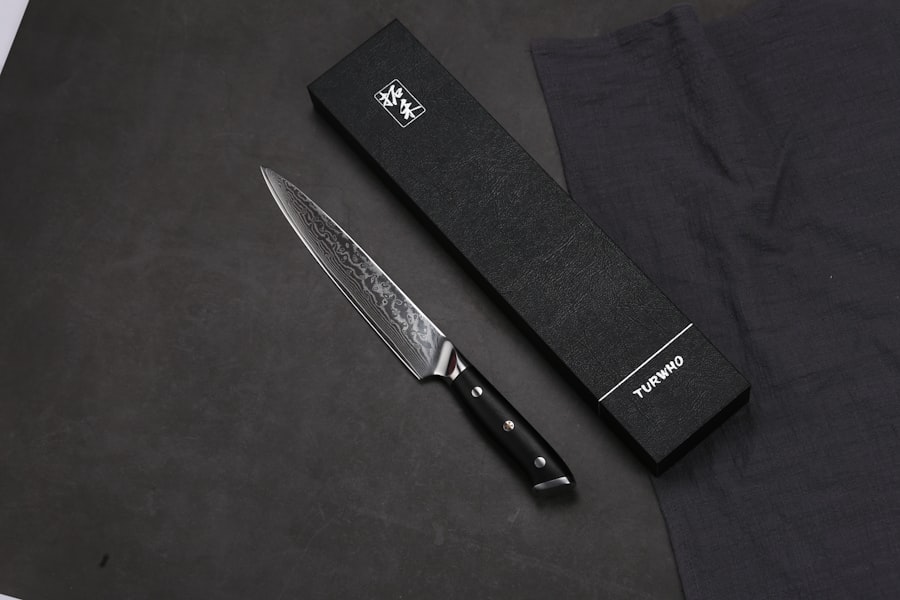
The mystique of Damascus steel extends far beyond its metallurgical properties. It has permeated literature, art, and popular culture, becoming a symbol of ultimate craftsmanship, formidable power, and timeless elegance. Its distinctive patterns continue to captivate enthusiasts and collectors, ensuring its relevance in the modern world.
Symbol of Superiority and Craftsmanship
For centuries, a blade of Damascus steel was a clear indicator of status and prestige. It represented not only a weapon of exceptional quality but also the pinnacle of metallurgical achievement. Its possession signified wealth, power, and discerning taste.
In Warfare and Legend
Throughout history, Damascus steel blades were prized on the battlefield. Kings, warriors, and knights sought them out for their perceived ability to defeat any opponent. Tales of their prowess became woven into the fabric of warfare and military lore.
A Mark of Distinction
Beyond military applications, Damascus steel was also used in the creation of ceremonial weapons and other objects of art. Its beauty and rarity made it a desirable material for adornment and display, further solidifying its reputation as a mark of distinction.
The Allure of the Pattern
The mesmerizing watered patterns are arguably the most recognizable feature of Damascus steel. These swirling, undulating lines are not merely ornamental; they are a direct visual manifestation of the steel’s internal structure, a testament to the smith’s skill and the inherent quality of the material.
Artistic Expression in Metal
For many, the patterns evoke a sense of natural beauty, reminiscent of flowing water, rippling sand, or even the celestial dance of distant nebulae. This aesthetic appeal has inspired countless artists and artisans, leading to its incorporation into a wide range of artistic endeavors.
Collecting and Appreciation
Today, collecting historical or expertly crafted modern examples of Damascus steel is a passion for many. Collectors are drawn to the unique combination of historical significance, scientific intrigue, and undeniable visual beauty. The subtle variations in patterns and the stories behind each blade add to their allure.
Damascus Steel in Modern Applications
While the fabled swords of old are no longer primary tools of warfare, the principles and aesthetics of Damascus steel continue to influence modern craftsmanship. Its legacy is evident in high-performance tools, specialized knives, and other implements where exceptional sharpness and durability are paramount.
Culinary and Tactical Knives
Many high-end culinary and tactical knives today are made from Damascus steel or pattern-welded alloys. These blades offer superior edge retention and are appreciated for their striking aesthetic, combining functionality with artistic flair.
Jewelry and Decorative Arts
The unique patterns of Damascus steel have also found their way into the realm of jewelry and decorative arts. Rings, pendants, and other ornamental pieces crafted from layered steel offer a distinctive and durable alternative to traditional precious metals.
The mystery of Damascus steel has fascinated historians and metallurgists alike, as its unique properties and intricate patterns have led to much speculation about its origins and production techniques. For those interested in exploring other ancient innovations, a related article discusses advanced technologies in lost civilizations, shedding light on how these societies achieved remarkable feats. You can read more about these intriguing advancements in the article on advanced tech in lost civilizations.
The Future of Damascus Steel: Innovation and Legacy
| Aspect | Details |
|---|---|
| Origin | Unknown |
| Composition | High-carbon steel and iron |
| Characteristics | Distinctive wavy pattern, exceptional strength |
| Production Technique | Lost to history |
| Modern Replication | Attempts using pattern welding |
The journey of Damascus steel is far from over. While the exact methods of its ancient creation may remain partially veiled, the spirit of its innovation and the pursuit of excellence continue to drive metallurgical advancements. The legacy of this legendary material lies not only in its historical artifacts but also in its ongoing inspiration for future generations of artisans and scientists.
Continuing Metallurgical Research
Ongoing research into wootz steel and other high-carbon steels continues to refine our understanding of their properties and potential. Scientists are exploring new heat treatments, alloying techniques, and manufacturing processes to unlock even greater performance from these materials.
Advanced Simulation and Analysis
Modern computational tools and advanced analytical techniques allow researchers to simulate the complex micro-structural transformations that occur during the forging and heat treatment of steels. This allows for more precise control over the creation of desired properties and patterns.
Exploration of New Carbon-Rich Materials
Beyond traditional iron and steel, there is also interest in exploring other carbon-rich materials and composites that might exhibit similar desirable properties. This could lead to entirely new classes of high-performance materials inspired by the lessons learned from Damascus steel.
The Blurring Lines Between Art and Science
The story of Damascus steel is a beautiful illustration of how art and science are often inextricably linked. The ancient blacksmiths, through intuition and centuries of trial and error, achieved results that modern science is only now beginning to fully comprehend. This synthesis continues today.
The Artisan’s Intuition
The skill of the modern bladesmith who works with Damascus steel or pattern-welded alloys involves a deep understanding of both the scientific principles at play and the intuitive feel for the metal. This blend of knowledge and artistry is what elevates a piece of Damascus steel from mere material to a work of art.
Collaborative Endeavors
The future may see even closer collaboration between metallurgists and artisans. By combining the precision of scientific analysis with the creative vision of skilled craftsmen, new frontiers in material science and artistic expression can be explored.
Preserving the Legacy, Embracing the Future
The enduring mystery of Damascus steel has served as a powerful catalyst for innovation. The quest to understand and recreate it has not only deepened our knowledge of metallurgy but also inspired a continued appreciation for the fusion of beauty, strength, and craftsmanship.
Educational Initiatives
Efforts to document and share the knowledge surrounding Damascus steel, both historical and modern, are crucial for preserving its legacy. Educational initiatives, workshops, and comprehensive research papers help to ensure that this fascinating aspect of material history remains accessible.
The Evolution of “Damascus”
The term “Damascus steel” itself is evolving. While referring to true wootz-based steel holds historical and scientific significance, the broader category of highly patterned and performant steels, often produced through advanced pattern welding or new alloy development, continues to contribute to the enduring appeal and application of this storied material. The mystery may be unraveled by science, but the legend, fueled by art and innovation, will undoubtedly continue to shine brightly.

The Greatest Technology Humanity Ever Lost
FAQs
What is Damascus steel?
Damascus steel is a type of steel characterized by its distinctive wavy pattern and exceptional strength. It was historically used to create high-quality swords and other bladed weapons.
What is the mystery surrounding Damascus steel?
The mystery surrounding Damascus steel lies in the exact methods used to create it, as well as the source of its exceptional strength and unique patterns. The original techniques for producing Damascus steel were lost to history, leading to speculation and ongoing research to uncover the secrets of its production.
What are some theories about the production of Damascus steel?
Some theories suggest that the unique properties of Damascus steel were achieved through a combination of specific forging techniques, the use of high-carbon steel, and the incorporation of impurities from the raw materials used in the production process. Other theories propose the involvement of specific types of ore or the addition of rare elements to the steel.
What are the characteristics of Damascus steel?
Damascus steel is known for its distinctive wavy patterns, exceptional strength, and the ability to hold a sharp edge. It is also prized for its durability and resistance to shattering, making it highly sought after for use in bladed weapons and other high-quality tools.
What is the significance of Damascus steel today?
While the original methods for producing Damascus steel may remain a mystery, modern metallurgists and craftsmen continue to study and replicate its unique properties. Today, Damascus steel is used in the production of high-end knives, swords, and decorative items, and it continues to be revered for its historical significance and exceptional quality.