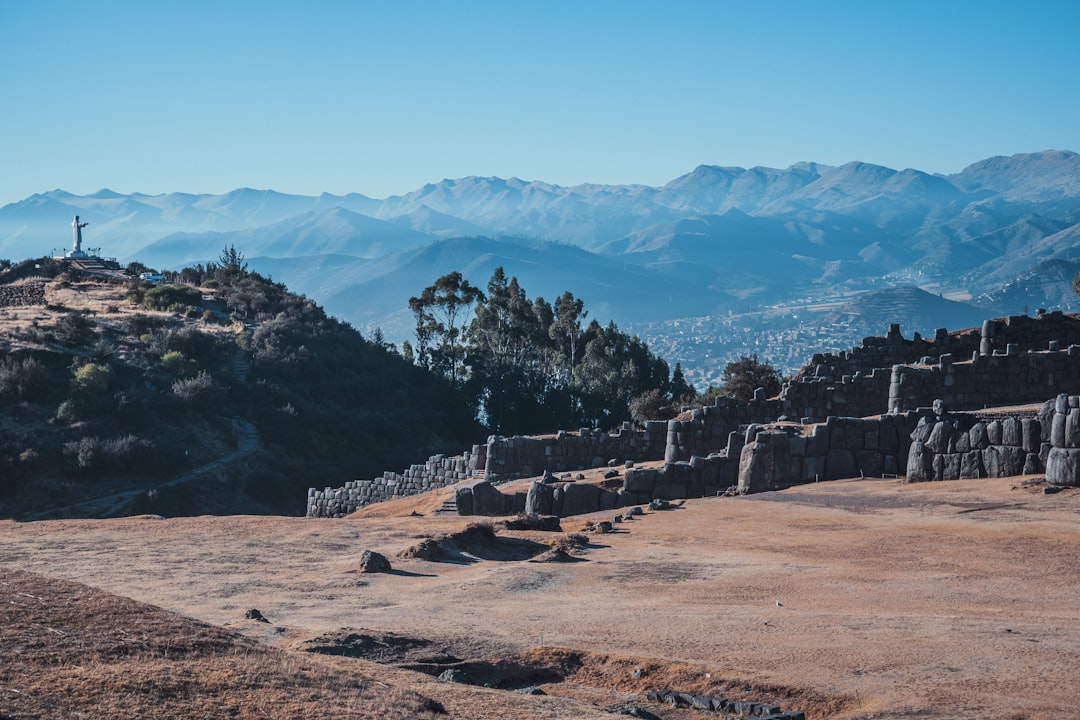
The stones of Machu Picchu, Cusco’s Sacsayhuaman, Ollantaytambo’s terraces – they speak a silent language of immense skill, an architectural testament that continues to perplex and awe. The Inca Empire, though relatively short-lived in its peak, left behind a legacy of stonework so precise, so monumental, it seems to defy simple explanation. How did a civilization without the wheel, iron tools, or formal written language achieve such feats? Unraveling the mystery of Inca stonework delves into ingenious

The Walls That Shouldn’t Still Be Standing
FAQs
What is Inca stonework?
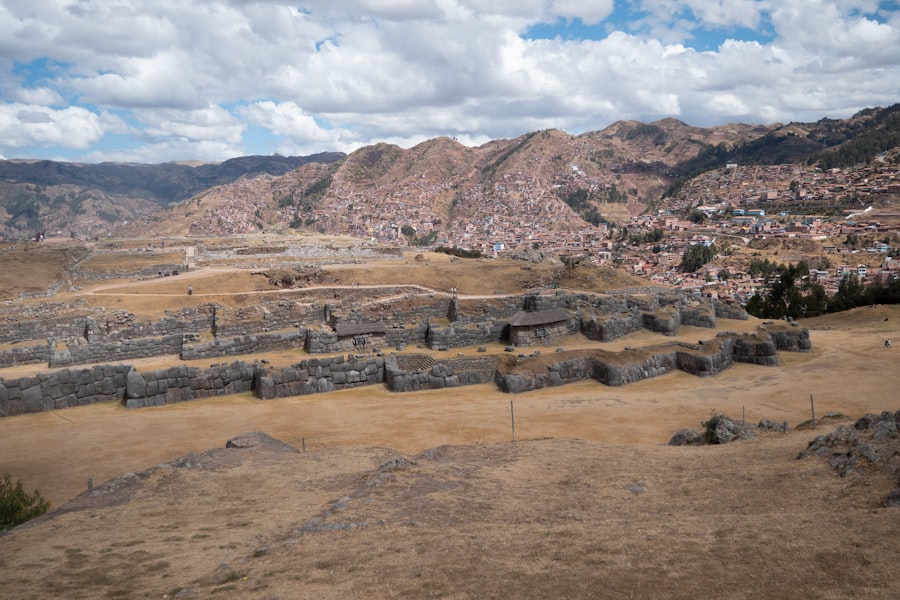
Inca stonework refers to the intricate and precise construction techniques used by the Inca civilization in their architectural projects. The Inca were known for their advanced skills in shaping and fitting stones together without the use of mortar.
How did the Inca construct their stonework?
The Inca used a technique called ashlar masonry, which involved shaping stones to fit together perfectly without the use of mortar. They achieved this by carving the stones with precise angles and shapes, allowing them to interlock tightly.
What are some examples of famous Inca stonework?
Machu Picchu is one of the most famous examples of Inca stonework, showcasing the precision and skill of the Inca builders. Other notable examples include Saksaywaman and Ollantaytambo in Peru.
What tools did the Inca use for their stonework?
The Inca used a variety of tools for their stonework, including bronze or stone chisels, hammers, and wooden wedges. They also used a technique called “knocking,” which involved shaping stones by repeatedly striking them with a hammerstone.
What is the significance of Inca stonework?
Inca stonework is significant for its advanced construction techniques and the precision with which the stones were fitted together. It is a testament to the engineering and architectural prowess of the Inca civilization, and continues to be studied and admired by architects and historians today.