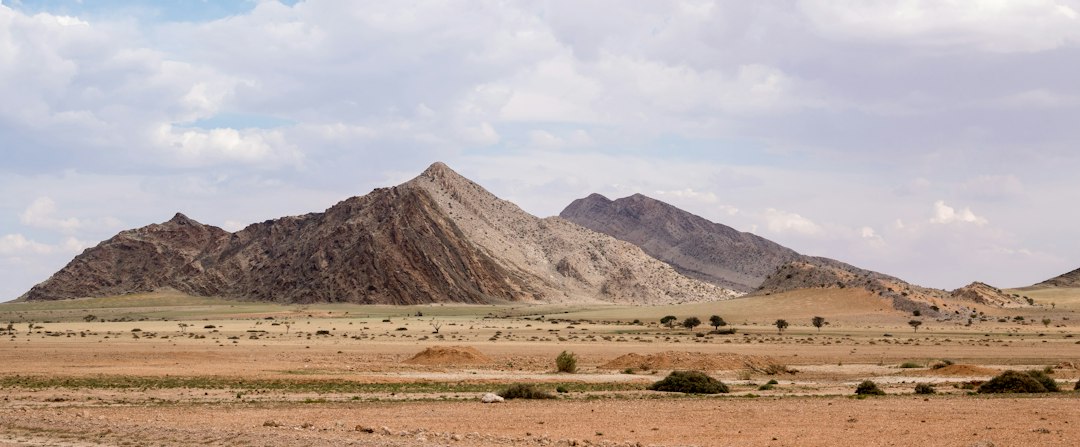
The vast, arid plains of the Nazca Desert in southern Peru are home to one of archaeology’s most enduring enigmas: the Nazca geoglyphs. Etched into the earth thousands of years ago by the ancient Nazca civilization, these colossal designs – stretching for hundreds of meters – depict an astonishing array of creatures, geometric shapes, and abstract lines. For centuries, their purpose and creation have captivated scholars and laypeople alike, fueling a perpetual quest to unravel the mystery of these remarkable earthworks.
The Enigmatic Artists of the Nazca Plains
The Nazca culture flourished in this harsh environment between roughly 100 BCE and 800 CE, developing sophisticated irrigation systems and intricate pottery. Yet, it is their monumental artistry, etched into the desert surface, that has cemented their place in history. The geoglyphs are created by removing the reddish-brown iron oxide-coated pebbles that cover the desert floor, revealing the lighter-colored earth beneath. This simple technique, when applied on such a grand scale, results in a breathtaking spectacle visible only from a significant altitude. The sheer precision and the scale of these designs suggest a society with a deep understanding of surveying and planning, capabilities that belie their historical isolation.
The Scale and Scope of the Designs
The sheer magnitude of the Nazca geoglyphs is one of their most striking features. Many of the figures, such as the hummingbird, monkey, and spider, are hundreds of feet long. The longest straight lines stretch for miles, crossing the desert in seemingly arbitrary directions. Some of these lines connect to other geoglyphs, while others appear to lead to nowhere. The geometric figures, including trapezoids, triangles, and rectangles, are equally impressive in their dimensions. The complexity and the sheer number of these designs, estimated to be in the thousands, point to a sustained and significant cultural undertaking. The desert itself becomes a canvas, a testament to the Nazca people’s ambition and their relationship with their environment. The act of creation was not a fleeting one; it was an enduring statement etched into the very fabric of the land.
The Methods of Creation: A Marvel of Ancient Engineering
The precise methods employed by the Nazca people to create these massive designs remain a subject of debate, but several theories have emerged. It is widely accepted that the Nazca used simple tools, likely sticks or stones, to scrape away the top layer of soil. The lack of permanent tools or scaffolding suggests a meticulous and patient approach. One popular theory, proposed by archaeologist Maria Reiche, who dedicated her life to studying the geoglyphs, involves the use of full-scale templates. These templates, made of string and stakes, would have been laid out on the ground to guide the creation of the figures. Another possibility is that the Nazca projected designs onto the desert floor using a system of sighting points and ropes, much like a rudimentary projector. The remarkable accuracy and consistency of the lines and curves across such vast distances suggest a sophisticated understanding of geometry and measurement, even if the exact techniques are lost to time. The simplicity of the materials belies the complexity of the execution, underscoring the ingenuity of the Nazca people.
The Nazca geoglyphs, remarkable ancient designs etched into the Peruvian desert, have long fascinated researchers regarding their creation methods. While the exact techniques remain a subject of debate, recent studies suggest that the Nazca people may have used simple tools and a keen understanding of geometry to create these massive artworks. For those interested in exploring another intriguing aspect of ancient ingenuity, the article on the Antikythera mechanism delves into the complexities of this ancient Greek device and its functions. You can read more about it here: Unlocking the Antikythera Mechanism’s Ancient Functions.
Theories of Purpose: Decoding the Desert’s Message
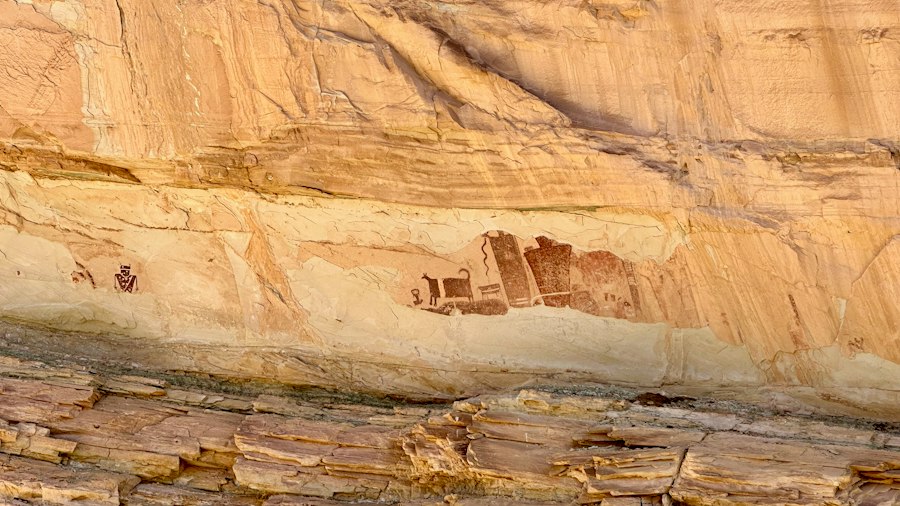
The most persistent question surrounding the Nazca geoglyphs is their intended purpose. Over the decades, numerous theories have been proposed, ranging from astronomical calendars and religious rituals to astronomical observatories and even extraterrestrial communication. Each theory, while offering a plausible explanation, faces its own set of challenges and limitations. The diversity of the figures themselves – some clearly recognizable animals, others abstract shapes – suggests that a single, all-encompassing purpose might be too simplistic a notion. The desert’s ability to preserve these creations for so long also speaks to the Nazca’s understanding of their environment and their commitment to leaving a lasting legacy.
The Astronomical Calendar Hypothesis
One of the earliest and most enduring theories posits that the geoglyphs served as an astronomical calendar. Proponents, like Maria Reiche, observed that certain lines and figures aligned with significant celestial events, such as the solstices and equinoxes, or the rising and setting points of specific stars. The Nazca civilization, dependent on agriculture, would have had a profound need for accurate timekeeping and agricultural planning. The vast open spaces of the Nazca plains would have provided an ideal location for observing the heavens, and the geoglyphs could have served as monumental markers for tracking celestial movements. This theory is supported by the presence of numerous lines that appear to point to the horizon at precise points of astronomical significance. However, critics point out that many lines do not align with any known astronomical events, and the sheer number of figures and lines makes it difficult to assign a definitive astronomical function to all of them. The possibility of multiple alignments or the existence of a more complex astronomical system cannot be ruled out.
Ritual and Religious Significance
Another prominent theory suggests that the geoglyphs were integral to the religious and ceremonial practices of the Nazca people. The desert, with its harsh beauty and vast emptiness, could have been perceived as a sacred space, a liminal zone between the earthly realm and the divine. The creation of these massive figures might have been part of elaborate rituals aimed at appeasing the gods, ensuring good harvests, or facilitating communication with the spiritual world. The animal figures, such as the condor, hummingbird, and monkey, could represent deities or totemic symbols important to their belief system. The act of walking along these lines or observing them from above could have held profound spiritual meaning. The discovery of offerings and ceremonial artifacts near some of the geoglyphs lends credence to this interpretation. The fact that many of the geoglyphs are only fully comprehensible from high above also suggests a connection to aerial deities or shamans who could commune with the spirit world. This theory acknowledges the multifaceted nature of ancient belief systems, where the practical and the spiritual are often intertwined.
Water and Fertility: A Desert Culture’s Plea
Given the arid nature of the Nazca region, the quest for water was likely a central concern for the civilization. This has led to theories suggesting that the geoglyphs were related to rituals aimed at ensuring the availability of water and promoting fertility. Some researchers propose that the lines and figures were created as part of ceremonies designed to bring rain or to appease deities associated with water sources. The presence of water-related imagery in Nazca pottery, such as depictions of water birds and serpents, further supports this idea. The geometric figures, particularly the trapezoids and rectangles, have been interpreted as representations of reservoirs or irrigation channels, or as symbols of fertile land. This theory highlights the pragmatic concerns that likely shaped Nazca culture and art, emphasizing the deep connection between their spiritual beliefs and their struggle for survival in a challenging environment. The desert itself, a symbol of scarcity, might have become the canvas for pleas for abundance.
Extraterrestrial Theories and Modern Interpretations
While not supported by mainstream archaeology, theories involving extraterrestrial involvement have captured public imagination for decades. These often suggest that the geoglyphs were landing strips or communication devices for alien spacecraft, citing the scale and precision of the designs as evidence of advanced technology beyond the capabilities of the ancient Nazca. These theories are largely dismissed by archaeologists due to a lack of empirical evidence and the tendency to overlook the demonstrable ingenuity of ancient human civilizations. However, they highlight the enduring human fascination with the unknown and the desire to find extraordinary explanations for extraordinary phenomena. More contemporary interpretations also explore the possibility that the geoglyphs represent a form of ancient “earth art” or a spiritual manifestation of the Nazca people’s connection to their landscape, transcending purely utilitarian explanations.
Scientific Investigations: Unraveling the Layers
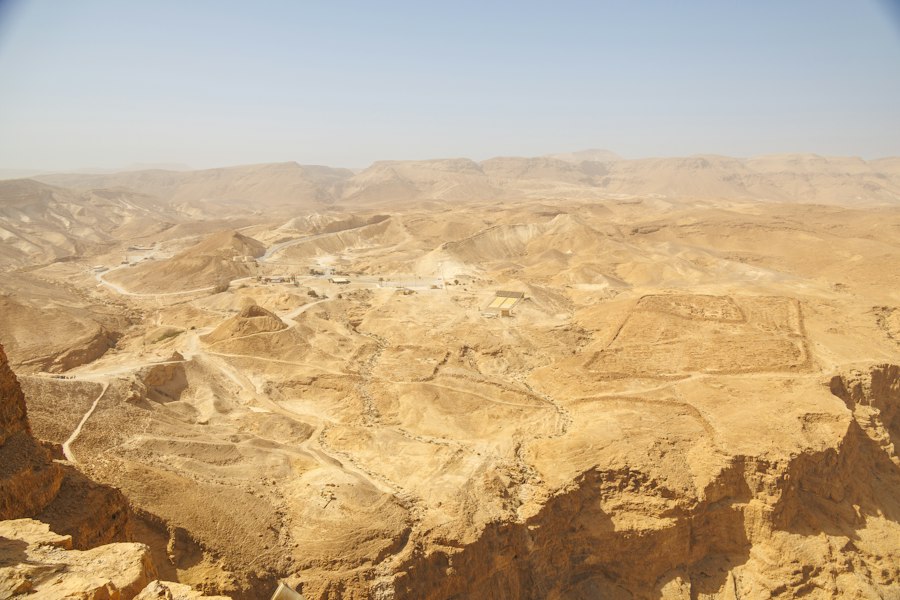
Over the past century, scientific investigation has employed increasingly sophisticated techniques to study the Nazca geoglyphs, shedding light on their creation, age, and potential purpose. From meticulous ground surveys to aerial photography and satellite imaging, researchers have pieced together a more nuanced understanding of these ancient marvels. The process of scientific inquiry has been a journey of peeling back layers of time and speculation, seeking empirical evidence to support or refute existing theories.
Early Explorations and Maria Reiche’s Legacy
The initial fascination with the Nazca geoglyphs began in the 1920s, with aerial surveys revealing their true scale. However, it was German mathematician and archaeologist Maria Reiche who dedicated her life to their study and preservation. Arriving in Peru in the 1930s, Reiche lived in a small hut on the desert plains, meticulously documenting, cleaning, and measuring the geoglyphs. Her pioneering work established many of the basic understandings about the geoglyphs’ existence and their potential astronomical alignments. She championed the idea of the geoglyphs as an astronomical calendar and fought tirelessly for their protection from modern development. Reiche’s commitment and her detailed measurements laid the groundwork for all subsequent research, establishing a crucial baseline for scientific inquiry into the Nazca mystery. Her solitary dedication in the face of immense challenges serves as an inspiration for generations of researchers.
Aerial Photography and Remote Sensing Technologies
The advent of aerial photography revolutionized the study of the geoglyphs, allowing for a comprehensive view of the entire network of designs. This technology enabled researchers to identify previously unseen figures and to map the intricate connections between different geoglyphs. More recently, advancements in remote sensing technologies, including satellite imagery and LIDAR (Light Detection and Ranging), have provided even more detailed information. LIDAR, for instance, can penetrate vegetation and map subtle changes in terrain, revealing previously hidden geoglyphs and providing a clearer understanding of the landscape in which they were created. These technologies allow for non-intrusive study, preserving the fragile desert environment while offering unprecedented insights into the scale and complexity of the Nazca artistry. The ability to survey vast areas quickly and efficiently has opened up new avenues of research, allowing for a more holistic understanding of the geoglyph system.
Archaeological Excavations and Dating Techniques
While the geoglyphs themselves are visible from above, archaeological excavations in the surrounding areas have provided crucial context and dating information. Excavations of Nazca settlements and burial sites have uncovered pottery, tools, and other artifacts that help to date the creation of the geoglyphs and provide insights into the lifestyle and beliefs of the Nazca people. Radiocarbon dating of organic materials found in association with the geoglyphs has helped to establish a chronological framework for their creation, confirming that they were primarily created between 500 BCE and 500 CE. These excavations also reveal the extent of Nazca technological and social organization, providing evidence for their ability to undertake such large-scale projects. The artifacts unearthed speak to a vibrant culture that interacted with its environment in profound ways, leaving behind a tangible legacy etched in the earth.
Preserving the Legacy: Threats and Conservation Efforts
The Nazca geoglyphs, despite their enduring nature, face a range of threats from natural forces and human activity. Their preservation is a crucial undertaking, ensuring that these ancient wonders can continue to inspire and educate future generations. The delicate balance between accessibility for study and tourism, and the imperative for conservation, presents ongoing challenges.
Natural Erosion and Environmental Factors
The very elements that preserved the geoglyphs for millennia also pose a threat to their continued existence. Wind erosion, sandstorms, and extreme temperature fluctuations can gradually degrade the exposed earth and erode the precise lines of the designs. Flash floods, though infrequent, can also cause significant damage to the geoglyph sites. The arid climate is a double-edged sword; it allows for preservation but also makes the surface susceptible to the relentless forces of nature. Understanding these natural processes is crucial for developing effective conservation strategies that work in harmony with the desert environment.
Human Impact and Tourism Challenges
The increasing popularity of the Nazca geoglyphs as a tourist destination, while bringing economic benefits, also presents significant challenges. Unauthorized vehicle access, foot traffic, and the development of tourist infrastructure can inadvertently damage the fragile geoglyphs. The construction of viewing platforms and roads, while intended to facilitate access, must be carefully planned and executed to minimize environmental impact. Striking a balance between allowing public access for educational purposes and ensuring the long-term preservation of these invaluable cultural heritage sites is a complex and ongoing endeavor. Strict regulations and responsible tourism practices are essential to mitigate these impacts.
Conservation Strategies and Future Protection
Efforts to preserve the Nazca geoglyphs involve a multi-pronged approach. This includes ongoing monitoring of the geoglyphs’ condition, implementing erosion control measures, and developing sustainable tourism management plans. International organizations, in collaboration with the Peruvian government and local communities, are working to protect the sites and promote awareness of their cultural significance. Research into advanced conservation techniques, such as specialized coatings or protective barriers, is also being explored. The ultimate goal is to ensure that these ancient masterpieces remain a visible testament to human ingenuity and creativity for centuries to come, not just as an archaeological site, but as a living legacy.
The Nazca geoglyphs, with their intricate designs etched into the desert floor, have long fascinated researchers and historians alike. Recent studies suggest that these massive figures were created using a combination of simple tools and a deep understanding of the landscape. For those interested in exploring similar ancient engineering feats, an intriguing article discusses the innovative methods used in another historical context, which can be found here. This connection highlights the ingenuity of ancient civilizations in manipulating their environments to create lasting legacies.
The Enduring Mystery: A Testament to Human Ingenuity
| Aspect | Details |
|---|---|
| Location | Nazca Desert, Southern Peru |
| Time Period | Between 500 BCE and 500 CE |
| Materials Used | Dark reddish-brown iron oxide-coated pebbles and lighter-colored subsoil |
| Technique | Removal of top layer of reddish pebbles to reveal lighter soil beneath |
| Tools | Simple wooden stakes, ropes, and possibly grids for scaling designs |
| Size Range | From a few meters to over 200 meters in length |
| Preservation Factors | Dry, windless climate and stable ground prevent erosion |
| Purpose (Hypothesized) | Religious or astronomical significance, water-related rituals |
The Nazca geoglyphs continue to fascinate and inspire, serving as a powerful reminder of the ingenuity and artistic vision of ancient civilizations. While many questions about their purpose and creation remain unanswered, the ongoing research and the sheer wonder of their existence offer a profound connection to our past. The desert’s silent canvas holds stories waiting to be fully deciphered, a testament to a people who left an indelible mark on the world. The mystery of the Nazca geoglyphs is not merely an academic puzzle; it is an invitation to contemplate the human drive to create, to communicate, and to leave a legacy that transcends the boundaries of time. The continued study of these remarkable earthworks promises to unlock further secrets, enriching our understanding of human history and our place within the vast tapestry of the cosmos. The Nazca geoglyphs stand as a testament to the enduring power of human imagination and our ability to leave an unforgettable imprint on the very landscape we inhabit, a silent, colossal symphony etched in the sand.
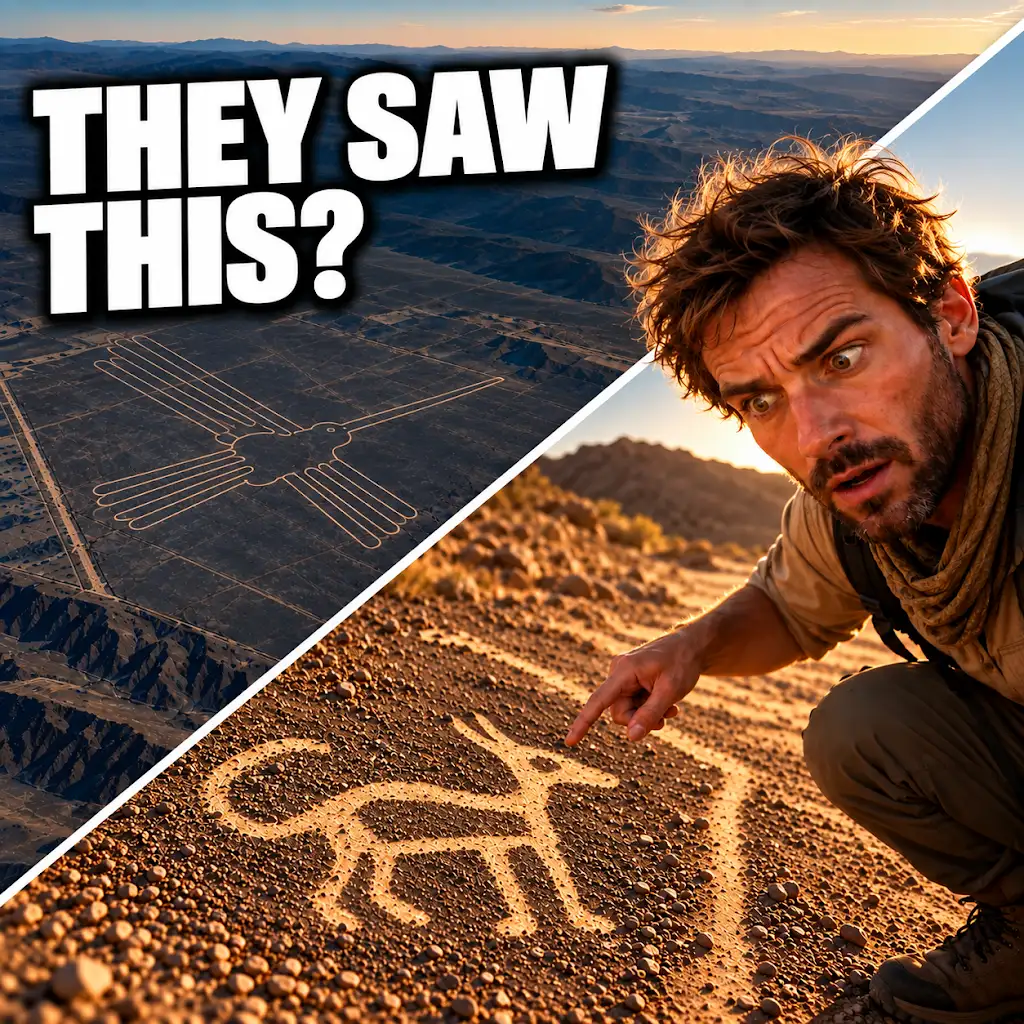
AI Found New Nazca Drawings—Could People See Them from the Ground?
FAQs
1. What are Nazca geoglyphs?
Nazca geoglyphs are large designs or motifs created on the ground in the Nazca Desert in southern Peru. They are made by removing the reddish-brown iron oxide-coated pebbles that cover the surface of the Nazca desert and revealing the lighter-colored earth underneath.
2. How were Nazca geoglyphs made?
Nazca geoglyphs were made by removing the surface stones to reveal the lighter-colored earth beneath, creating designs that can only be fully seen from above. The removal of the stones exposed the contrasting colors of the desert floor, making the designs visible.
3. What tools were used to create Nazca geoglyphs?
The Nazca people are believed to have used simple tools such as sticks and stones to create the geoglyphs. By removing the surface stones, they were able to reveal the lighter-colored earth underneath, forming the intricate designs that are visible from above.
4. Why were Nazca geoglyphs created?
The purpose of the Nazca geoglyphs is still a subject of debate among researchers and archaeologists. Some theories suggest that they were created for religious or ceremonial purposes, while others propose that they served as markers for underground water sources or astronomical calendars.
5. How have Nazca geoglyphs been preserved over time?
The Nazca geoglyphs have been preserved over time due to the arid climate of the Nazca Desert, which has helped protect them from erosion. Additionally, the remote location of the geoglyphs has limited human interference, helping to maintain their integrity for centuries.