Glacial Echoes and the Scramble for Life
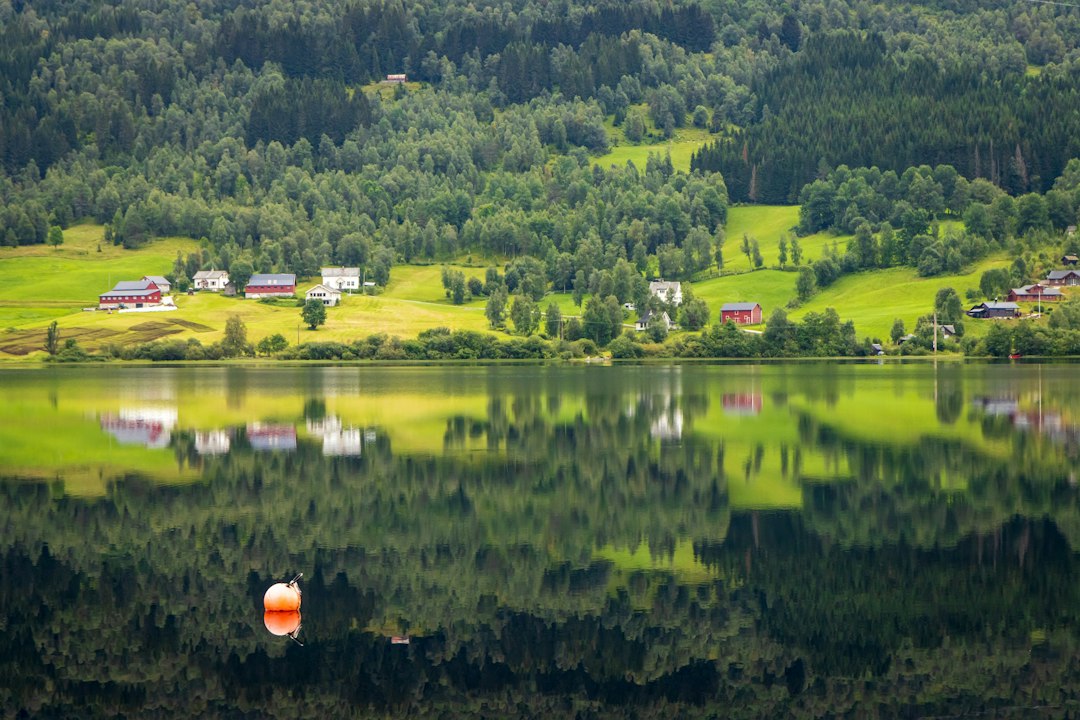
The pristine, often dark waters of Norwegian lakes conceal a captivating mystery: the origins of their fish populations. For centuries, these aquatic ecosystems have supported diverse communities of trout, char, perch, and pike, yet the journey these species undertook to inhabit these remote, often isolated freshwater bodies remains a subject of intense scientific scrutiny. The prevailing narrative points towards the dramatic geological upheavals of the last Ice Age as the primary architect of this aquatic biogeography. As colossal glaciers retreated, they sculpted the Norwegian landscape, carving out the basins that would eventually become lakes. But the subsequent colonization by fish is a more complex tale, involving a delicate interplay of post-glacial meltwater drainage, land bridges, and the remarkable resilience of aquatic life.
The deglaciation process, which began roughly 10,000 years ago, was not a singular event but a protracted period of significant environmental change. Vast ice sheets, some kilometers thick, relentlessly advanced and retreated across Scandinavia. As these glaciers melted, they released colossal volumes of water, forming immense proglacial lakes and intricate networks of ephemeral rivers. These meltwater channels acted as vital conduits, connecting previously isolated aquatic environments and providing pathways for aquatic organisms to disperse. The topography of Norway, characterized by its fjords and mountainous terrain, played a crucial role in dictating the patterns of water flow and, consequently, fish migration. Some lakes, situated at lower elevations and connected to the sea via river systems, likely received their initial fish stocks through anadromous species – fish that spawn in freshwater but mature in saltwater, such as Atlantic salmon and some populations of trout. As these rivers meandered inland, fish could ascend them and establish populations in the newly formed lakes.
However, many Norwegian lakes are situated at higher altitudes, often far from any direct connection to the sea. For these landlocked aquatic sanctuaries, the origin story becomes even more intriguing. The prevailing theory posits that post-glacial colonization was driven by freshwater species that were capable of surviving in the fluctuating conditions of meltwater environments. These resilient pioneers would have navigated the complex, temporary waterways, eventually finding refuge in the more stable, permanent lakes that formed as the glaciers finally receded. The specific species composition in any given lake would have depended on a multitude of factors, including the accessibility of the lake basin, the availability of suitable habitat, and the competitive interactions with other colonizing species. Understanding these dynamics requires a deep dive into the geological history of each region and a meticulous examination of the genetic makeup of the fish themselves.
The Norwegian lake fish origin mystery has intrigued researchers for years, as they seek to uncover the evolutionary history and environmental factors that have shaped these unique aquatic species. A related article that delves into the broader implications of environmental changes on biodiversity can be found in “The Climate Change Chronicles: A Documentary on Earth’s Environmental History.” This piece explores how climate shifts impact various ecosystems, including freshwater habitats, and may provide valuable insights into the ongoing investigations surrounding the origins of fish in Norway’s lakes. For more information, you can read the article here: The Climate Change Chronicles.
The Glacial Blueprint: Shaping the Aquatic Canvas
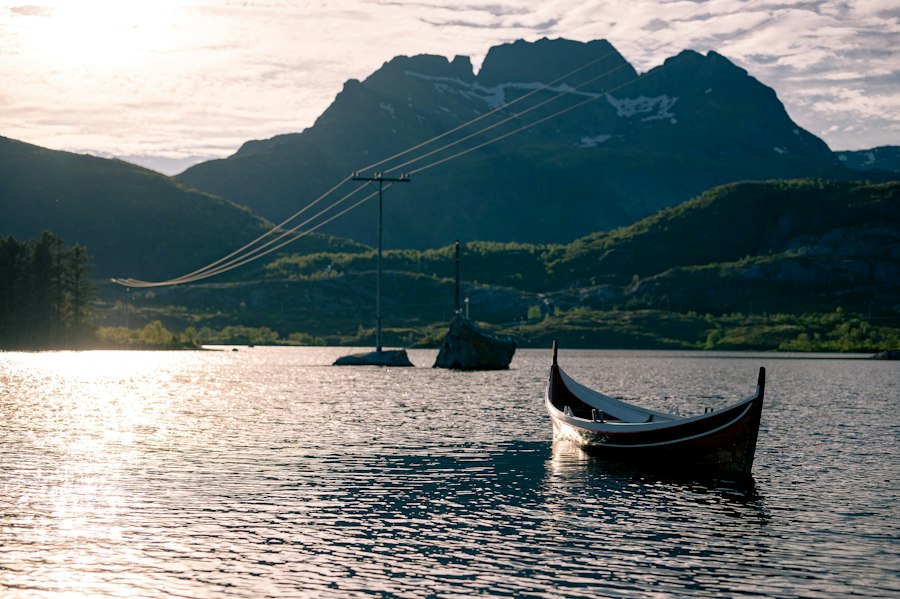
The sheer scale of glacial activity in Norway during the Pleistocene epoch fundamentally reshaped the land, creating the very foundations upon which freshwater ecosystems would later thrive. The immense weight of the ice sheets compressed the Earth’s crust, leading to isostatic depression. As the ice retreated, this depressed land began to rebound, a process that continues to this day, albeit at a slower pace. This geological dance created varied topography, from deep, U-shaped valleys carved by glaciers to the vast, exposed bedrock plains. Crucially for aquatic life, the glaciers acted as colossal bulldozers, excavating numerous depressions that filled with meltwater, forming the countless lakes that dot the Norwegian landscape.
The erosive power of glaciers was not uniform. Areas subjected to thicker ice or longer periods of glaciation often exhibit more pronounced glacial features, such as cirques, fjords, and moraines. These features directly influenced the formation and characteristics of lakes. Cirques, for instance, are bowl-shaped depressions high in the mountains, often giving rise to small, oligotrophic tarns – clear, nutrient-poor lakes. Fjords, on the other hand, are drowned glacial valleys that extend inland from the coast, some of which contain brackish or even freshwater lenses where rivers discharge. Moraines, the ridges of glacial debris deposited at the edges of glaciers, could dam up meltwater, creating kettle lakes or impounding larger bodies of water. The depth, size, and water chemistry of these glacial basins were thus directly imprinted by the glacial processes that formed them.
Ice Dams and the Birth of Freshwater Havens
The construction and subsequent failure of glacial ice dams were critical in the formation and drainage of proglacial lakes, which in turn served as stepping stones for fish dispersal. As glaciers advanced, they could block the natural drainage of river valleys, creating massive impoundments of meltwater. These proglacial lakes, such as the historically significant Lake Ancylus in the Baltic Sea basin, were temporary but immense. Their existence and eventual drainage had profound impacts on the distribution of aquatic life. When an ice dam finally gave way, the catastrophic release of water could carve new river channels, flood vast areas, and connect previously disconnected drainage systems. These dynamic events, though violent, offered unprecedented opportunities for organisms to spread across newly deglaciated landscapes.
The ephemeral nature of these ice-dammed lakes meant that any aquatic life that managed to colonize them had to be highly adaptable. Species that could tolerate fluctuating water levels, temperature extremes, and varying water chemistry would have been best positioned to survive these periods. The connections forged by the drainage of these lakes, whether through the creation of new river systems or the temporary inundation of low-lying areas, provided crucial dispersal routes. Fish that were capable of navigating these turbulent, rapidly changing environments would have been the pioneers, venturing into new territories and eventually establishing populations in the more stable lakes that formed as the glaciers receded and the landscape stabilized. The legacy of these ice dams can still be observed in the geological formations and, perhaps more subtly, in the genetic signatures of the fish populations that inhabit these formerly glaciated regions.
Dispersal Pathways: The Rivers of Time and the Saltwater Connection

The primary vehicles for fish colonization of Norwegian lakes were the intricate networks of rivers and streams that emerged as the ice melted. These waterways acted as natural highways, facilitating the upstream migration of fish from the sea and the downstream movement between adjacent water bodies. However, the connectivity of these networks was not static. Geological uplift, erosion, and the formation of new drainage divides constantly altered the landscape, creating and breaking connections over time. Understanding these dynamic hydrological pathways is paramount to deciphering the historical distribution of fish species.
The influence of the sea cannot be overstated. Many of Norway’s freshwater fish species, particularly salmonids like trout and salmon, are anadromous. This means they spend a portion of their lives in saltwater and return to freshwater to spawn. As rivers flowed into the sea, they provided an entry point for these species. Salmon and sea trout could ascend these rivers, and over time, populations became established in lakes located along these river systems. These lakes, offering more stable breeding grounds and abundant food resources, became crucial habitats for these anadromous species, often leading to the evolution of landlocked populations that no longer undertake the oceanic migration.
The Landlocked Enigma: When the Sea is Out of Reach
The presence of fish in high-altitude, isolated lakes that have no direct or indirect connection to the sea presents a particularly captivating puzzle. For these landlocked populations, the colonization story diverges from the anadromous pathway. The most plausible explanation involves the ability of freshwater species to traverse ephemeral meltwater channels that formed during and immediately after glaciation. These temporary waterways, often existing for only a few years or decades, would have linked different drainage basins and provided pathways for fish to move between what would eventually become isolated lakes.
Imagine a scenario where a network of interconnected meltwater streams bridges two now-separate lake basins. Fish populations existing in one of these interconnected systems could gradually spread to the other. As the glaciers retreated further and the landscape changed, these meltwater channels would have dried up or been rerouted, leaving the two fish populations isolated in their respective lakes. The genetic makeup of fish in these landlocked populations would then reflect this ancestral connection, showing similarities to populations in other lakes that were once part of the same meltwater system. The species that achieved this feat were likely those with a high degree of ecological flexibility, capable of surviving in the challenging and fluctuating conditions of these temporary aquatic environments. The discovery of these landlocked populations, therefore, offers a direct glimpse into the post-glacial aquatic dispersal events that occurred millennia ago.
Genetic Fingerprints: Tracing the Ancestral Threads
The advent of molecular genetics has revolutionized our understanding of fish origins, providing an unprecedented ability to trace the evolutionary history and dispersal patterns of populations. By analyzing the DNA of fish from various Norwegian lakes, scientists can uncover hidden relationships and reconstruct the routes taken by ancestral populations. These genetic studies act as a powerful tool, revealing the extent of past connectivity and the isolation events that have shaped the current distribution of species.
DNA sequencing allows researchers to compare the genetic material of fish from different lakes. Subtle differences in their DNA sequences can reveal how long ago their populations diverged. If fish from two geographically distant lakes share a very similar genetic profile, it strongly suggests that they originated from a common ancestral population that once connected these lakes. Conversely, significant genetic divergence indicates a long period of isolation. This approach is particularly valuable for understanding the colonization of isolated lakes, where the geological evidence of past connections might be less apparent.
Unveiling the Secrets of mtDNA and Microsatellites
Mitochondrial DNA (mtDNA) and microsatellite markers are two of the most commonly used genetic tools in these investigations. mtDNA is inherited solely from the mother and mutates at a relatively predictable rate, making it an excellent marker for tracing maternal lineage and inferring historical population movements. By comparing mtDNA sequences, researchers can reconstruct phylogenetic trees that illustrate the evolutionary relationships between different fish populations. Microsatellites, on the other hand, are short, repetitive sequences of DNA that evolve more rapidly than mtDNA. Their high mutation rates make them useful for detecting recent population structure and gene flow, allowing scientists to discern finer-scale patterns of dispersal and isolation.
When scientists analyze both mtDNA and microsatellite data from fish populations across Norway, they can create a more comprehensive picture. For example, mtDNA might reveal broad-scale historical connections, indicating that fish in several lakes in a particular region share a common ancient ancestor that likely dispersed through a widespread meltwater system. Microsatellite data, in turn, might then show more recent patterns of isolation within that region, revealing how specific lakes became disconnected and how gene flow was interrupted. This dual approach allows for a robust reconstruction of both ancient glacial dispersal events and more recent demographic processes that have shaped the genetic landscape of Norwegian lake fish.
The recent investigation into the origins of fish found in Norwegian lakes has sparked significant interest among researchers and environmentalists alike. This mystery not only highlights the complexities of aquatic ecosystems but also raises questions about water purity and its impact on fish populations. For those intrigued by the importance of clean water, a related article discusses the fascinating methods of natural filtration used by the Maya, showcasing how ancient practices can inform modern approaches to water quality. You can read more about this in the article on pure water and its significance.
Ecological Repercussions and Future Considerations
| Metric | Value | Details |
|---|---|---|
| Number of Fish Species Studied | 12 | Includes native and non-native species found in Norwegian lakes |
| Percentage of Non-Native Fish | 35% | Proportion of fish species with unclear or foreign origin |
| Genetic Markers Analyzed | 5 | Markers used to trace fish lineage and origin |
| Number of Lakes Sampled | 20 | Lakes across different regions of Norway |
| Years of Study | 2018-2023 | Duration of research on fish origin mystery |
| Unknown Origin Fish Percentage | 15% | Fish whose origin could not be determined conclusively |
| Most Common Non-Native Species | Rainbow Trout | Introduced species with debated origin in some lakes |
The historical colonization events have had profound and lasting impacts on the ecological functioning of Norwegian lakes. The species that successfully established themselves in these environments have shaped trophic interactions, influencing everything from primary productivity to the structure of fish communities. Furthermore, the unique evolutionary trajectories of isolated populations have led to adaptations that are finely tuned to the specific conditions of their respective lakes.
The introduction of non-native species, whether intentional or accidental, poses a significant threat to these historically established and often fragile ecosystems. Because many Norwegian lakes have evolved in relative isolation, their native fish populations may lack the resilience to compete with or evade introduced species. This can lead to declines in native populations, changes in community structure, and a loss of biodiversity. Therefore, understanding the natural colonization history is not just an academic pursuit; it is crucial for informed conservation management.
Protecting the Legacy of Glacial Survivors
The conservation of Norwegian lake fish populations requires a deep understanding of their origins and the ecological factors that have governed their distribution. Protecting these species means safeguarding the habitats they rely on, which includes maintaining the ecological integrity of lake catchments and ensuring the connectivity of river systems where it is biologically relevant. Furthermore, strict regulations regarding the introduction of non-native species are paramount.
Genetic research plays a vital role in informing conservation strategies. Identifying genetically distinct populations, especially those that have evolved unique adaptations in isolation, is crucial for prioritizing conservation efforts. These unique lineages represent the legacy of glacial survivors and their remarkable journeys. By combining geological, ecological, and genetic data, scientists and conservationists can work together to ensure that the diverse and fascinating fish communities of Norwegian lakes continue to thrive for generations to come, preserving the echoes of the Ice Age in these pristine aquatic environments. The ongoing research into these origins not only unravels a captivating mystery but also provides essential insights for the responsible stewardship of Norway’s valuable freshwater resources.

The 7,000-Year-Old Secret Hidden Under a Lake
FAQs
What is the origin of the Norwegian lake fish?
The origin of the Norwegian lake fish is still a mystery that scientists are trying to solve. Some theories suggest that the fish may have been introduced by humans, while others believe they could have migrated naturally.
Are the Norwegian lake fish a unique species?
Yes, the Norwegian lake fish are considered a unique species due to their genetic makeup and distinct characteristics. Researchers are studying them to determine their evolutionary history and relationship to other fish species.
How do scientists study the origin of the Norwegian lake fish?
Scientists study the origin of the Norwegian lake fish through genetic analysis, fossil records, and ecological studies. By examining the DNA of the fish and comparing it to other species, researchers can gain insights into their evolutionary history.
What are some theories about how the Norwegian lake fish arrived in the lakes?
Some theories suggest that the Norwegian lake fish may have been introduced by humans for fishing or aquaculture purposes. Others propose that the fish could have migrated from nearby water bodies during ancient times.
Why is it important to understand the origin of the Norwegian lake fish?
Understanding the origin of the Norwegian lake fish is important for conservation efforts, as it can help researchers determine the best strategies for protecting the unique species. It also provides valuable insights into the ecological history of the region.