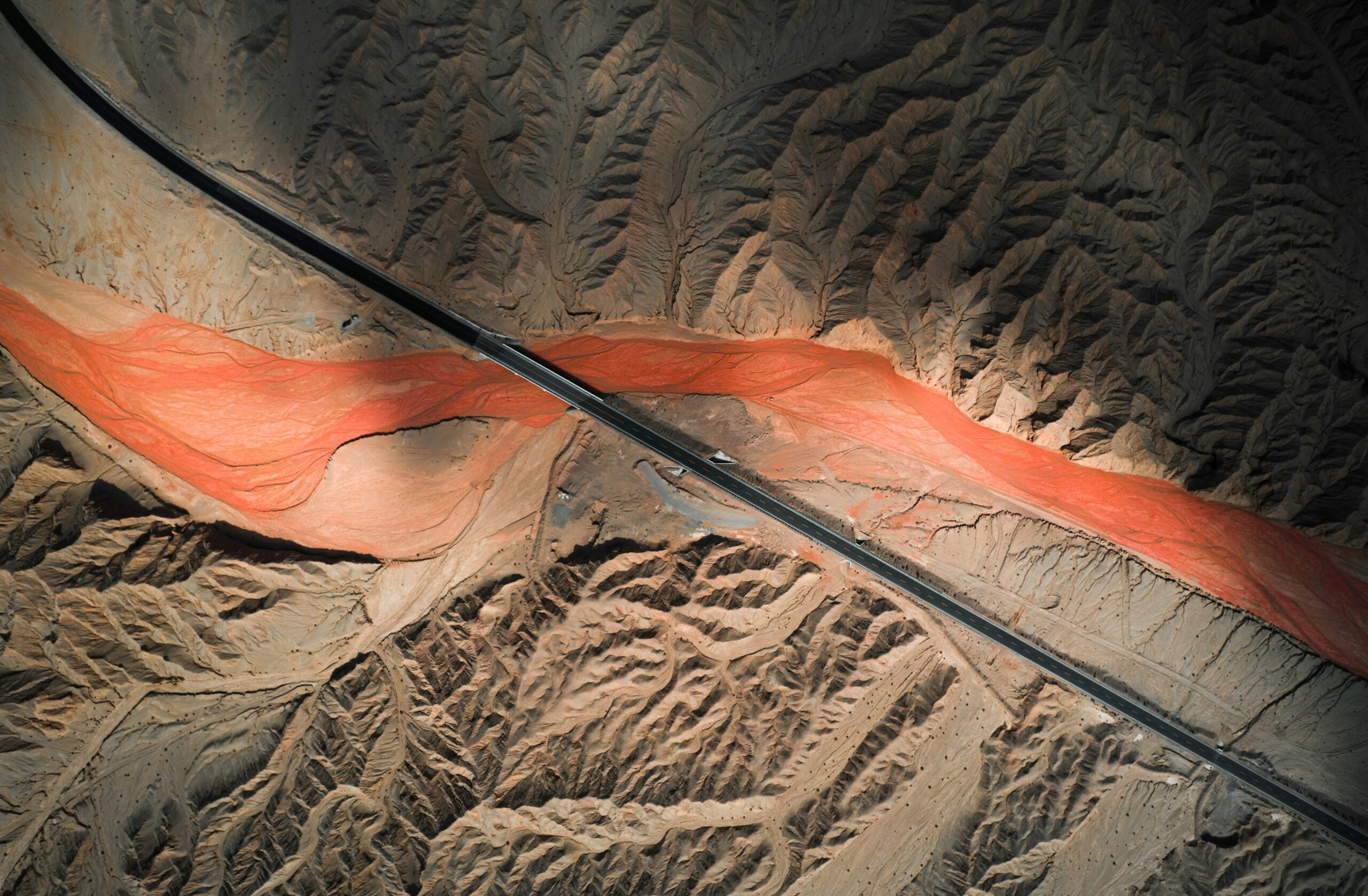
The Earth, a seemingly solid and unchanging sphere beneath our feet, is in reality a dynamic and restless planet. For centuries, humanity has gazed upon its varied terrains – towering mountains, vast oceans, volcanic peaks spewing fire, and the ominous chasms of rifts – and wondered about the forces that shaped them. The answer, it turns out, lies in a monumental, slow-motion dance of colossal fragments: plate tectonics. This theory, arguably the most significant paradigm shift in Earth sciences, has transformed our understanding of our planet’s geological history, its present-day activity, and its future evolution.

When the Mediterranean Became a Desert | The Messinian Salinity Crisis Explained
FAQs

What is plate tectonics?
Plate tectonics is the scientific theory that Earth’s outer shell is divided into several large, rigid plates that move and interact with one another at the Earth’s surface.
How do the plates move?
The movement of the plates is driven by the heat generated from the decay of radioactive isotopes in the Earth’s mantle. This heat causes convection currents in the mantle, which in turn, move the plates.
What are the different types of plate boundaries?
There are three main types of plate boundaries: divergent boundaries, where plates move apart; convergent boundaries, where plates move towards each other; and transform boundaries, where plates slide past each other horizontally.
What geological features are associated with plate tectonics?
Plate tectonics is responsible for the formation of various geological features such as mountains, volcanoes, earthquakes, and ocean trenches.
How does plate tectonics impact the Earth’s surface?
Plate tectonics plays a crucial role in shaping the Earth’s surface and influencing the distribution of continents and oceans. It also has significant implications for natural hazards, mineral resources, and the Earth’s climate.