The Bronze Age, a period of burgeoning empires, advanced metallurgy, and extensive trade networks, met a sudden and perplexing end around the turn of the 12th century BCE. Across the Near East, Aegean, and Eastern Mediterranean, once-great civilizations like the Mycenaean kingdoms, the Hittite Empire, and New Kingdom Egypt experienced catastrophic decline. Cities were razed, palaces burned, populations dispersed, and the carefully constructed globalized world of the Late Bronze Age shattered. This period of widespread societal breakdown, often referred to as the Bronze Age Collapse, has puzzled archaeologists and historians for decades, sparking a multitude of theories, each attempting to unravel the multifarious strands that led to this dramatic denouement.
Few phenomena loom as large in discussions of the Bronze Age Collapse as the enigmatic “Sea Peoples.” These mysterious groups, mentioned primarily in Egyptian inscriptions, are depicted as a confederation of seafaring raiders who launched devastating attacks on the coastal regions of the Eastern Mediterranean. The pharaoh Ramesses III famously chronicled his repulse of these invaders, describing them as converging from the sea and the land, wielding unfamiliar weapons and a fierce determination. Their origins, identities, and exact motivations remain largely obscure, adding a significant layer of mystery to the collapse narrative.
Who Were the Sea Peoples?
The inscriptions from sites like Medinet Habu in Egypt provide the most detailed, albeit biased, accounts of the Sea Peoples. They are generally depicted as diverse groups, with names suggestive of different origins. Among the most frequently mentioned are the Peleset (often identified with the Philistines), the Denyen (possibly linked to the Danaans of the Iliad), the Shekelesh, the Sherden, the Teresh, and the Lukka. The sheer variety of names hints at a coalition rather than a single monolithic entity. Their appearance in Egyptian records coincides with widespread destruction and upheaval across the region, leading many scholars to believe they played a significant, if not primary, role in the collapse.
The Nature of the Threat
The Sea Peoples are portrayed as formidable warriors, skilled in both naval warfare and land combat. Egyptian reliefs depict them with distinctive headdresses, shields, and weapons, suggesting a different military tradition than the established powers of the time. Their attacks were not merely punitive raids; they were characterized by widespread destruction, pillaging, and the displacement of populations. The Egyptians’ triumphant narrative, while intended to glorify Ramesses III, also underscores the significant threat these raiders posed to the established order. The ability of these seemingly disparate groups to mobilize and launch coordinated assaults across such a vast area points to a level of organization and resourcefulness that is not fully understood.
Theories of Their Origin and Motivation
The origins of the Sea Peoples are a subject of intense debate. Some scholars propose they were displaced populations fleeing internal turmoil or environmental disasters in their homelands. Others suggest they were mercenaries or pirates who exploited the weakening of established states to advance their own interests. The Lukka, for instance, are often linked to Anatolia, while the Peleset are widely believed to have settled in Canaan after their attacks. Their motivations are equally varied: some may have been seeking new lands to settle, others driven by plunder and conquest, and still others perhaps caught up in the general chaos and seeking survival. The complex geopolitical landscape of the Late Bronze Age, with its shifting alliances and internal fragilities, likely provided fertile ground for such mobile and aggressive groups to emerge and flourish.
The Bronze Age Collapse remains one of the most intriguing periods in ancient history, marked by the sudden decline of several advanced civilizations around 1200 BCE. Recent archaeological evidence has shed light on the potential causes of this widespread societal upheaval, including climate change, invasions, and trade disruptions. For those interested in exploring how revolutionary technological breakthroughs are reshaping our understanding of historical events, a related article can be found at this link. This article discusses how modern advancements are providing new insights into ancient civilizations and their eventual decline.
The Unseen Hand of Climate and Environmental Change
While the dramatic images of invading armies capture the imagination, a growing body of evidence points to a more insidious and pervasive threat: climate change. Recent paleoclimatic studies, analyzing data from ice cores, lake sediments, and marine archives, suggest a period of prolonged drought and environmental instability that struck the Eastern Mediterranean and Near East during the Late Bronze Age. This environmental stress is increasingly seen as a crucial, underlying factor that weakened societies and exacerbated existing vulnerabilities.
The Evidence of Drought
Scientific research has revealed a significant shift in precipitation patterns around the time of the Bronze Age Collapse. Paleoclimate records indicate a marked decrease in rainfall across the Levant, Anatolia, and the Aegean for decades, possibly even centuries. This prolonged drought would have had devastating consequences for agricultural societies that relied heavily on consistent rainfall for their harvests. The implications for food security, water availability, and overall societal stability would have been profound. The ability of large, densely populated urban centers and complex agricultural systems to withstand such prolonged environmental stress is questionable, leading to widespread famine and social unrest.
The Cycle of Weakness and Collapse
Environmental degradation and drought can trigger a cascading series of problems. Reduced agricultural output leads to food shortages, pushing populations into desperate measures. This can result in internal migration, social unrest, and increased competition for scarce resources. Such conditions would have made existing states more vulnerable to external threats, whether from migrating populations, famine-stricken neighbors, or opportunistic raiders like the Sea Peoples. The Bronze Age Collapse may, therefore, be understood less as a singular event and more as a complex interplay of internal fragilities exacerbated by external pressures, with environmental stress acting as a significant accelerant.
The Interconnectedness of Systems
The Bronze Age world was characterized by intricate trade networks and a high degree of interdependence. The disruption of agricultural production in one region due to drought could have had ripple effects throughout the entire system. For example, the Hittite Empire, a major grain producer, would have been severely impacted by widespread drought, impacting its ability to feed its population and support its military. Similarly, the Mycenaeans, reliant on maritime trade for essential resources like tin, would have faced significant disruption if their trading partners were themselves collapsing due to environmental pressures. This interconnectedness meant that vulnerabilities in one part of the system could rapidly destabilize others.
The Internal Rot: Sociopolitical and Economic Factors

While external forces like the Sea Peoples and environmental change are compelling explanations, the internal workings of Late Bronze Age societies also played a critical role in their demise. Existing sociopolitical structures, economic inequalities, and military overreach may have created fundamental weaknesses that made them susceptible to collapse when faced with adversity.
The Burden of Imperialism and Warfare
The great powers of the Late Bronze Age, such as the Hittites and Egyptians, were often engaged in costly imperialistic endeavors and frequent warfare. Maintaining vast empires required significant resources, both in terms of manpower and finances. The constant need for military campaigns, garrisoning distant territories, and managing complex diplomatic relations placed a substantial strain on their economies. Decades of sustained military expenditure could have depleted treasuries, led to increased taxation, and fostered resentment among the populace. When faced with new threats or environmental crises, these overextended empires may have lacked the resilience to adapt and survive. The very mechanisms of their power, their large standing armies and elaborate bureaucracies, could have become a crippling burden in times of hardship.
The Fragility of Palace Economies
Many Late Bronze Age societies were characterized by centralized “palace economies,” where the ruling elite controlled production, distribution, and trade. This system offered efficiency during times of stability but proved vulnerable to disruption. If the central authority was weakened, whether by internal strife, external invasion, or even a devastating plague, the entire economic infrastructure could collapse. Loss of control over key resources, breakdown in trade routes, and the inability to collect taxes could quickly lead to widespread economic decline and social disintegration. The concentration of power and wealth in the hands of a few also meant that a collapse at the elite level could have a catastrophic impact on the entire society.
Social Unrest and Inequality
The existence of significant social and economic inequality within Late Bronze Age societies cannot be discounted. While the records primarily focus on the elites and their palaces, it is plausible that the majority of the population lived in less privileged circumstances, bearing the brunt of taxation and wartime burdens. When faced with famine, disease, or the disruption of trade, these disparities could easily give rise to social unrest, rebellions, and a loss of faith in the ruling authorities. A society already teetering on the brink due to external pressures might be pushed into collapse by
an internal uprising fueled by desperation and a desire for change. The inability of elites to address the grievances of the populace could have been a fatal flaw.
The Dust Settles: The Immediate Aftermath and Long-Term Consequences
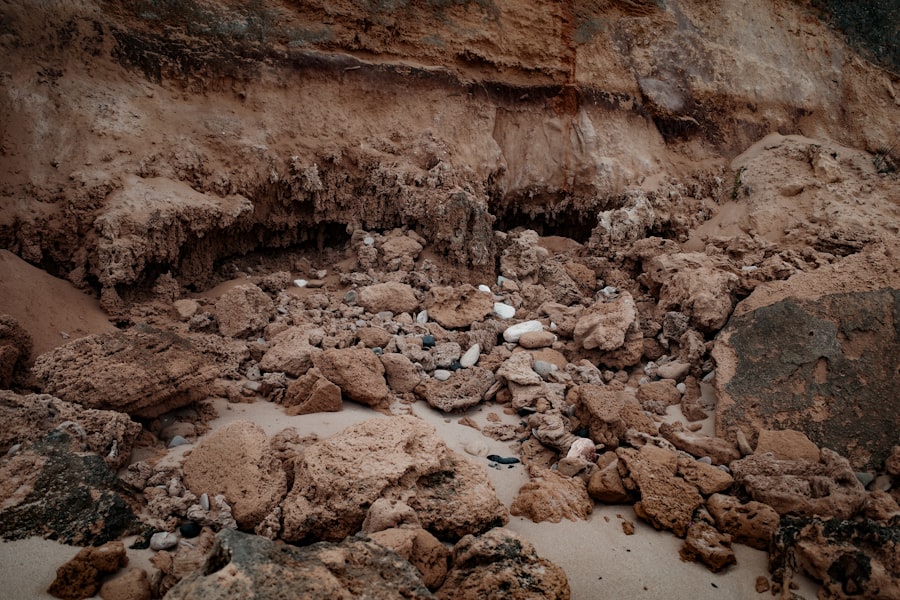
The Bronze Age Collapse was not a single, instantaneous event but a protracted process of decline and transformation. The immediate aftermath saw the destruction of major urban centers, the abandonment of palaces, and the disruption of established trade routes. The long-term consequences, however, were even more profound, shaping the subsequent development of the Near East and Eastern Mediterranean for centuries.
The Age of Darkness and Decentralization
The period following the Bronze Age Collapse is often referred to as an “Age of Darkness” or a “Dark Age,” particularly in the Aegean. Literacy declined, monumental architecture ceased, and many of the sophisticated administrative and artistic traditions of the Late Bronze Age were lost. The highly centralized and interconnected world of the Bronze Age gave way to smaller, more decentralized polities. This fragmentation may have been a direct consequence of the collapse of larger empires and the breakdown of long-distance trade. New identities and societal structures gradually emerged from the ashes of the old.
The Rise of New Powers and Iron Technology
While the Bronze Age ended in a cataclysm, it also paved the way for new developments. The shortage of bronze, which relied on the long-distance trade of copper and tin, may have encouraged the development and wider adoption of iron technology. Iron was more readily available in many regions, and its metallurgy, once mastered, allowed for the production of more affordable and accessible tools and weapons. This shift to the Iron Age ushered in a new era of technological advancement and societal organization. Furthermore, the vacuum left by the collapsed Bronze Age powers allowed for the emergence of new kingdoms and peoples, such as the Israelites, Phoenicians, and the Neo-Hittite states, who would shape the future of the region. The diaspora of populations displaced by the collapse also contributed to the formation of new cultural and political landscapes.
The End of an Era, the Dawn of Another
The Bronze Age Collapse represents a significant turning point in human history. It demonstrated the fragility of even the most advanced civilizations when confronted with a confluence of overwhelming pressures. The collapse forced a re-evaluation of societal structures, resource management, and military strategies. While the loss of knowledge and infrastructure was immense, the subsequent rebuilding and adaptation laid the groundwork for the Iron Age and the development of new empires and cultural traditions. The mystery of the Bronze Age Collapse, therefore, is not merely an academic puzzle but a powerful reminder of the complex and often precarious balance of factors that underpin societal stability and the ever-present potential for profound transformation. The forces that brought down the Bronze Age – the impact of the Sea Peoples, the subtle but devastating hand of climate change, and the internal fragilities of complex societies – continue to resonate in our understanding of resilience, vulnerability, and the cyclic nature of human civilization.
The Bronze Age Collapse remains one of the most intriguing periods in ancient history, marked by the sudden decline of several advanced civilizations around the Mediterranean. Recent archaeological evidence has shed light on the possible causes of this dramatic shift, including climate change, invasions, and societal upheaval. For those interested in understanding the broader implications of historical conflicts and their lasting impacts, a related article discusses the ongoing struggles in Sudan, which can be seen as a modern reflection of the challenges faced by societies throughout history. You can read more about it in this insightful piece on the Sudan conflict.
Unanswered Questions and Ongoing Research
| Archaeological Evidence | Bronze Age Collapse |
|---|---|
| Decrease in trade networks | Yes |
| Abandonment of major cities | Yes |
| Increased warfare evidence | Yes |
| Depopulation of certain regions | Yes |
Despite centuries of study, the Bronze Age Collapse continues to present fascinating questions. The precise interplay of the various causal factors remains a subject of ongoing debate and investigation. New archaeological discoveries, advancements in scientific analysis, and interdisciplinary approaches continue to shed light on this pivotal period.
The Interplay of Causality: A Multifaceted Explanation
The most compelling explanation for the Bronze Age Collapse is likely a multifaceted one, involving a complex interplay of multiple factors. Rather than a single cause, it is probable that a confluence of environmental stress, internal weaknesses, and external pressures culminated in widespread societal breakdown. The relative importance of each factor may have varied from region to region. For instance, the Peleset’s settlement in Canaan suggests a different dynamic than the Hittite Empire’s decline, which may have been more heavily influenced by internal issues and drought. Ongoing research seeks to refine our understanding of how these different forces interacted and amplified one another.
The Limits of Our Knowledge
Our understanding of the Bronze Age Collapse is inherently limited by the available evidence. Much of what we know is derived from archaeological remains, which can be incomplete and subject to interpretation. Written records from the period are often biased, incomplete, or in languages that are difficult to fully decipher. The true scope of the Sea Peoples’ operations, the precise geographical extent of the droughts, and the full extent of internal dissent remain subjects of active inquiry. Future discoveries and methodological advancements hold the promise of filling these knowledge gaps.
The Future of Bronze Age Collapse Research
The study of the Bronze Age Collapse is a dynamic and evolving field. New technologies in areas such as DNA analysis, isotopic analysis, and remote sensing are providing unprecedented insights into migration patterns, diet, trade networks, and environmental conditions. Archaeologists continue to excavate new sites and re-examine existing ones with fresh perspectives and methodologies. The interdisciplinary nature of this research, often bringing together archaeologists, historians, climatologists, geologists, and geneticists, is crucial for a comprehensive understanding. The mystery of the Bronze Age Collapse, far from being resolved, continues to invite further exploration and promises to yield even more profound insights into the past and our own present.

How an Entire Civilization Collapsed
FAQs
What is the Bronze Age Collapse?
The Bronze Age Collapse refers to a mysterious and widespread societal collapse that occurred around 1200 BCE, leading to the decline and eventual collapse of several major civilizations in the Eastern Mediterranean, including the Hittite Empire, Mycenaean Greece, and the New Kingdom of Egypt.
What are some theories about the causes of the Bronze Age Collapse?
There are several theories about the causes of the Bronze Age Collapse, including invasions by the Sea Peoples, climate change, internal rebellions, and socioeconomic factors such as the collapse of trade networks and the depletion of natural resources.
What archaeological evidence supports the Bronze Age Collapse?
Archaeological evidence supporting the Bronze Age Collapse includes the destruction and abandonment of major cities and palaces, the appearance of new material cultures, and the disruption of trade networks as evidenced by the scarcity of imported goods.
How did the Bronze Age Collapse impact the affected civilizations?
The Bronze Age Collapse had a profound impact on the affected civilizations, leading to the decline of centralized authority, population displacement, and the loss of technological and cultural knowledge. Many of the affected regions experienced a period of decline and cultural regression known as the “Dark Age.”
What lessons can we learn from the Bronze Age Collapse?
The Bronze Age Collapse serves as a reminder of the fragility of complex societies and the interconnectedness of civilizations. It highlights the importance of sustainable resource management, resilience in the face of environmental challenges, and the potential for rapid and widespread societal collapse.