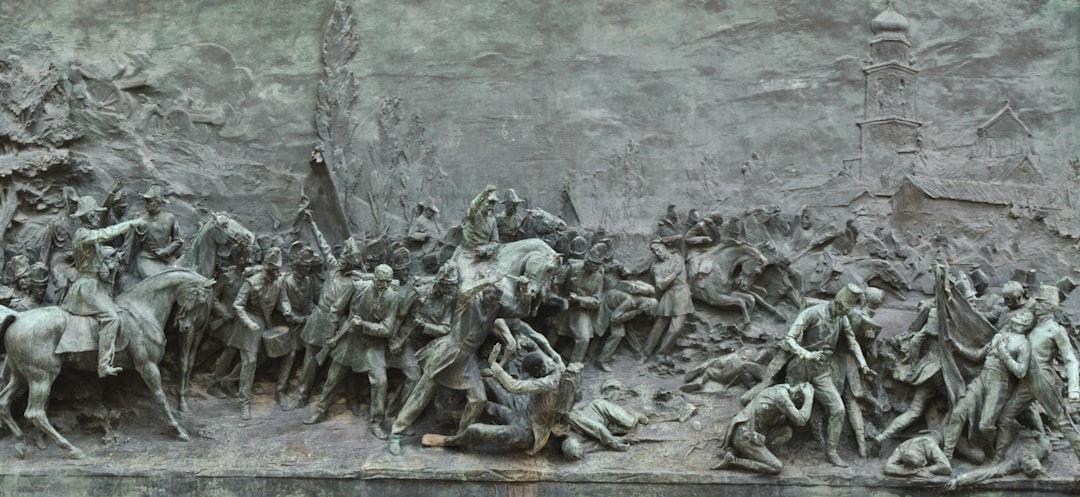
The late Bronze Age, a period of unprecedented prosperity and interconnectedness across the Mediterranean and Near East, met a cataclysmic end around 1200 BCE. For centuries, vibrant civilizations flourished, exchanging goods, ideas, and even armies through a complex web of trade routes and diplomatic relations. Then, seemingly overnight, this flourishing world imploded. Cities were sacked and abandoned, empires crumbled, and the intricate network of trade collapsed into dust. This period, often referred to as the Bronze Age Collapse, is one of history’s most enduring and perplexing mysteries, a historical “dark age” from which recovery was slow and selective. The questions that echo through the sands of time are many: What forces converged to shatter this seemingly stable world? Were these events a singular, devastating blow, or a domino effect of cascading crises? Unraveling this enigma requires a deep dive into the archaeological record, the deciphering of ancient texts, and the careful consideration of various theories, each offering a piece of the puzzle.
Before the collapse, the Late Bronze Age was characterized by remarkable cultural and economic sophistication. Powerful empires, such as the Hittites in Anatolia, the New Kingdom of Egypt, Mycenaean Greece, and the kingdoms of the Levant, maintained extensive diplomatic and trade networks. This era witnessed the rise of large, well-fortified cities, monumental architecture, and a flourishing of arts and crafts, all fueled by the widespread use of bronze, an alloy of copper and tin.
A Network of Interdependence
The Bronze Age was defined by its interconnectedness. The demand for bronze, a metal crucial for tools and weaponry, drove extensive long-distance trade. Copper mines were primarily located in regions like Cyprus, while tin was often sourced from as far away as Afghanistan. This necessitated intricate trade routes, both by land and sea, that linked disparate cultures and fostered a degree of economic interdependence.
The Sea Peoples and their Shadow
Among the most compelling but frustratingly vague actors in the narrative of the collapse are the “Sea Peoples.” Ancient Egyptian texts, particularly inscriptions from the mortuary temple of Ramesses III at Medinet Habu, vividly describe these enigmatic invaders who launched devastating raids along the coasts of the Eastern Mediterranean. Images depict a diverse array of peoples, some described as coming from the sea, others from inland regions. Their weaponry, ships, and origins remain largely unknown, fueling speculation and debate.
Diplomatic Ties and Royal Correspondence
The existence of extensive diplomatic correspondence, such as the Amarna Letters, provides invaluable insights into the political landscape of the Late Bronze Age. These clay tablets, written in Akkadian cuneiform, reveal a complex system of alliances, rivalries, and demands between rulers across the Near East and Egypt. They paint a picture of a world where kings treated each other as equals, intermarried, and exchanged lavish gifts, suggesting a relatively stable international order.
The Zenith of Mycenaean Civilization
In the Aegean, the Mycenaean civilization reached its peak during the Late Bronze Age. Their palace centers, like Mycenae, Tiryns, and Pylos, were sophisticated administrative and economic hubs. They developed a unique script, Linear B, which has been deciphered as an early form of Greek, revealing a highly organized society with elaborate bureaucratic structures, extensive trade networks, and a formidable military presence.
The Palace Economy
The Mycenaean palaces were the centers of power and economic activity. They controlled vast agricultural lands, managed artisan workshops producing pottery, textiles, and metalwork, and oversaw the collection and redistribution of goods. The discovery of large quantities of Linear B tablets within these palaces offers a detailed glimpse into their economic and administrative workings.
Warrior Culture and Bronze Weaponry
Mycenaean society was characterized by a strong warrior culture. Evidence from their art, burial practices, and fortifications suggests a constant state of readiness and a reliance on bronze weaponry. This military prowess, however, may have also contributed to their eventual vulnerability.
The Bronze Age Collapse remains one of the most intriguing periods in ancient history, marked by the sudden decline of several advanced civilizations around the Mediterranean. For those interested in exploring the broader implications of societal transformations and strategic planning in different contexts, a related article discusses Mexico’s ambitious development initiative aimed at creating an industrial zone to enhance economic growth and stability. You can read more about this strategic development plan in the article found here: Mexico’s Strategic Development Industrial Zone Plan.
The Cracks Begin to Show: Precursors to Collapse
While the collapse appears sudden in retrospect, evidence suggests that the foundations of Late Bronze Age societies were already being strained in the decades leading up to 1200 BCE. A confluence of factors, including environmental changes, internal societal pressures, and shifting geopolitical landscapes, likely contributed to a growing fragility.
Environmental Stresses and Agricultural Decline
Growing evidence points to significant climatic shifts and environmental degradation as a major contributing factor to the collapse. Prolonged droughts, exacerbated by deforestation and unsustainable agricultural practices, would have led to reduced crop yields and widespread famine. This, in turn, would have destabilized societies reliant on agriculture.
Drought and Famine
Paleoclimatic data, such as the analysis of lake sediment cores and tree rings, indicates a period of severe drought in the Eastern Mediterranean around the turn of the 13th century BCE. This drought likely lasted for decades, significantly impacting agricultural production and leading to widespread food shortages.
Resource Depletion and Over-Exploitation
The intensive exploitation of natural resources, including timber for construction and fuel, and intensive agricultural practices, may have led to soil erosion and land degradation, further diminishing agricultural productivity.
Internal Strife and Social Unrest
Many Late Bronze Age societies were characterized by complex social hierarchies and centralized power structures. Internal tensions, such as peasant revolts, disputes over resources, or power struggles between elite factions, may have weakened these societies from within, making them more vulnerable to external threats.
The Strain of Empire Building
The expansionist policies and military campaigns undertaken by some of the major empires could have placed considerable strain on their resources and populations. Maintaining large armies and defending vast territories would have required significant manpower and economic output.
Social Stratification and Inequality
The highly stratified nature of some Bronze Age societies may have led to social unrest and discontent among the lower classes, particularly in times of hardship. This could have manifested in internal rebellions or an unwillingness to defend the existing order.
The Perfect Storm: Confluence of Cataclysmic Events
The Late Bronze Age collapse was not the result of a single cause but rather a catastrophic confluence of multiple interacting factors. The environmental stresses and internal weaknesses created a fertile ground for other, more dramatic events to wreak havoc.
The Invasion of the Sea Peoples
The most dramatic and widely cited cause of the collapse is the invasion of the mysterious Sea Peoples. Their raids, as documented by the Egyptians, suggest a widespread and coordinated assault that led to the destruction of numerous cities and settlements. The inability of the established powers to repel these invasions speaks to a significant decline in their military capabilities or a systemic breakdown.
Egyptian Accounts of the Raids
The reliefs and inscriptions at Medinet Habu provide vivid, albeit biased, accounts of Ramesses III’s victories against the Sea Peoples. These narratives, while a crucial source of information, must be read critically, as they serve to glorify the pharaoh and his military prowess. They do, however, confirm the destructive nature of these incursions.
Archaeological Evidence of Destruction Layers
Numerous archaeological sites across the Eastern Mediterranean display distinct destruction layers dating to the late 13th and early 12th centuries BCE. These layers often contain evidence of fire, widespread destruction, and the abandonment of settlements, lending strong support to the accounts of widespread invasions.
Systemic Collapse of Trade and Infrastructure
The collapse of the intricate Bronze Age trade networks was a critical factor. The disruption of the supply of essential materials like copper and tin would have crippled economies dependent on bronze production. Similarly, the destruction of key trade routes and port cities would have severed vital connections between civilizations.
The Breakdown of Bronze Production
The reliance on long-distance trade for copper and especially tin made Bronze Age societies vulnerable to disruptions. The collapse of these trade routes would have led to severe shortages of bronze, impacting everything from agriculture to warfare.
Abandonment of Cities and Shattered Networks
The widespread abandonment of major urban centers, from Mycenaean palaces to Hittite strongholds, signifies a systemic breakdown. These cities were not merely residential areas but also centers of administration, trade, and production. Their demise meant the disintegration of the complex systems they supported.
Earthquakes and Natural Disasters
While often overlooked in favor of more dramatic explanations, the role of natural disasters, such as earthquakes, cannot be entirely dismissed. The Eastern Mediterranean is a seismically active region, and a series of powerful earthquakes could have further destabilized already weakened societies, contributing to the destruction of infrastructure and panic.
Seismic Activity and Archaeological Findings
Geological studies and archaeological evidence in some regions suggest a period of increased seismic activity around the time of the collapse. While not a sole cause, earthquakes could have played a role in the destruction of cities and the weakening of defenses.
The Aftermath: The Dawn of a New Era
The Bronze Age Collapse ushered in a period of significant societal transformation. The highly centralized, palatial economies of the Late Bronze Age gave way to more decentralized, localized forms of organization. The scale of destruction and disruption led to widespread population decline, migration, and a period of relative regression in many areas.
The emergence of “Dark Ages”
For many regions, particularly Mycenaean Greece, the period following the collapse is characterized by a distinct “Dark Age.” Literacy declined, elaborate art and architecture disappeared, and settlements became smaller and more dispersed. This period of reduced cultural and technological output stands in stark contrast to the achievements of the preceding Bronze Age.
The Diminished Landscape of Mycenaean Greece
The grand palaces and sophisticated society of the Mycenaeans vanished, replaced by smaller, more fortified settlements. The Linear B script fell out of use, and the material culture of this period is significantly less elaborate.
The Levant and Egypt’s Struggle to Recover
While Egypt managed to survive the collapse, it experienced a period of internal fragmentation and external pressures. In the Levant, many of the prosperous city-states were destroyed, leading to the emergence of smaller, more resilient communities.
The Rise of New Powers and Technologies
Despite the widespread destruction, the collapse also sowed the seeds for new developments. The disruption of established power structures created opportunities for new groups to rise to prominence. The Iron Age, for example, began to emerge in the wake of the Bronze Age collapse, with the development of iron metallurgy offering a more accessible and sustainable alternative to bronze.
The Dawn of the Iron Age
The newfound availability and eventual widespread adoption of iron marked a significant technological shift. Iron ore was more readily available than copper and tin, and iron tools and weapons were eventually more durable and effective than their bronze predecessors, contributing to the rebuilding of societies.
The Philistines and the Dorian Migration
The arrival and settlement of groups like the Philistines in Canaan and the debated Dorian migration into Greece represent significant demographic shifts that occurred in the aftermath of the collapse, shaping the future political and cultural landscape of these regions.
The Bronze Age collapse remains one of the most intriguing periods in ancient history, characterized by the sudden decline of several advanced civilizations around the Mediterranean. Scholars have proposed various theories to explain this phenomenon, ranging from climate change to invasions by sea peoples. For those interested in exploring other historical mysteries, a fascinating article discusses the enigmatic Piri Reis map and its implications for our understanding of ancient navigation and geography. You can read more about it in this related article.
Towards a Unified Understanding: Interconnected Causes
| Event | Cause |
|---|---|
| Climate Change | Shift in weather patterns leading to drought and famine |
| Invasion | Attack by Sea Peoples and other migrating groups |
| Internal Strife | Political instability and social unrest within civilizations |
| Economic Collapse | Trade disruptions and economic decline |
The prevailing scholarly consensus is that the Bronze Age Collapse was not attributable to a single, isolated cause. Instead, it was a complex interplay of interconnected factors, a “perfect storm” that overwhelmed the resilience of Late Bronze Age societies. While the exact weighting of each factor remains a subject of ongoing debate, a multifaceted approach is essential for understanding this pivotal moment in history.
Reassessing the Role of the Sea Peoples
While the Sea Peoples remain a compelling enigma, modern scholarship tends to view them not as a single unified force, but rather as a series of migrations and raids by various groups, potentially displaced by the very crises that were destabilizing the region. Their impact, though significant, was likely one of many contributing factors, rather than the sole agent of destruction.
A Spectrum of Invasions and Migrations
Rather than a single, monolithic invasion, the Sea Peoples’ actions are now often understood as a complex phenomenon involving multiple groups originating from different regions, some coastal, others inland, all caught in the regional turmoil.
The Interplay of Environmental and Social Factors
The recognition of the critical role of environmental degradation and climate change in weakening societies is increasingly prominent. These stresses, combined with existing social and political vulnerabilities, created a society ripe for collapse when faced with further disruptions.
Environmental Determinism vs. Holistic Approaches
While early theories sometimes leaned towards environmental determinism, contemporary research emphasizes the interplay between environmental pressures and the social, economic, and political structures of the time, recognizing that societies responded differently to similar challenges.
The Long Shadow of the Collapse
The Bronze Age Collapse left an indelible mark on the history of the ancient world. It marked an end to an era of grand empires and interconnectedness, ushering in a period of fragmentation and rebuilding. The lessons learned, or perhaps unlearned, from this cataclysm continue to resonate, reminding us of the fragility of complex systems and the enduring power of interconnectedness, both in its rise and its fall. The mystery of the Bronze Age Collapse, though partially unraveled, continues to inspire curiosity and critical inquiry into the forces that shape and unmake civilizations.

How an Entire Civilization Collapsed
FAQs
What was the Bronze Age collapse?
The Bronze Age collapse was a period of major societal disruption and collapse that occurred around 1200 BCE in the Eastern Mediterranean region. It marked the end of the Bronze Age and the beginning of the Iron Age.
What were the causes of the Bronze Age collapse?
The causes of the Bronze Age collapse are still debated among historians and archaeologists. Some proposed causes include invasions by the Sea Peoples, climate change, internal rebellions, and economic collapse due to the disruption of trade routes.
Which civilizations were affected by the Bronze Age collapse?
The Bronze Age collapse affected several major civilizations in the Eastern Mediterranean region, including the Hittite Empire, Mycenaean Greece, the New Kingdom of Egypt, and the Assyrian Empire, among others.
How did the Bronze Age collapse impact the affected civilizations?
The collapse led to the destruction of major cities, the decline of centralized governments, and the disruption of trade networks. Many of the affected civilizations entered a period of decline and instability, leading to a loss of technological and cultural achievements.
What were the long-term effects of the Bronze Age collapse?
The Bronze Age collapse marked a significant turning point in the history of the Eastern Mediterranean region, leading to the end of the Bronze Age and the beginning of the Iron Age. It also paved the way for the rise of new civilizations and empires in the region.