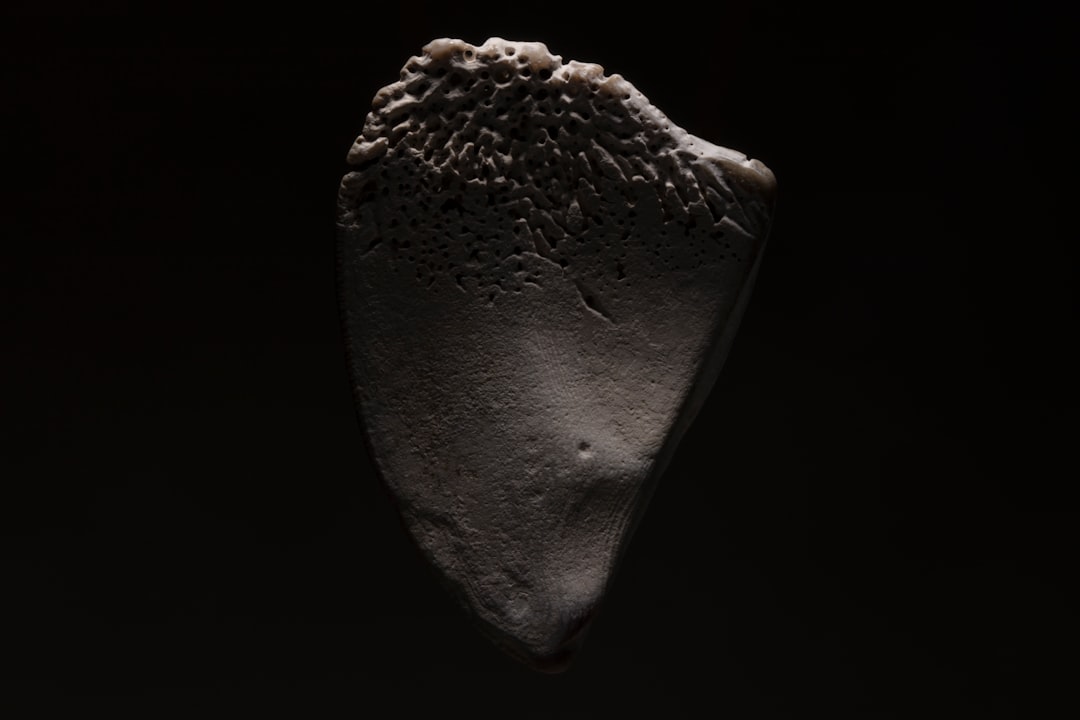
The Obsidian Blade, a relic whispered about in ancient texts and shrouded in tantalizing conjecture, had long been a persistent enigma for scholars and adventurers alike. Its supposed existence, detailed in fragmented scrolls and cryptic oral traditions, spoke of a weapon forged not of mere metal, but of solidified shadow and raw, untamed magic. For centuries, its whereabouts remained unknown, its legends dismissed by many as fanciful tales. Yet, a dedicated few, driven by an insatiable curiosity, continued to pore over forgotten lore, seeking the faintest breadcrumb that might lead them to this mythical artifact. The mystery, it seemed, was not merely about its location, but about its very nature, its purpose, and the extraordinary power it was said to possess.
The origins of the Obsidian Blade are shrouded in an almost impenetrable fog of myth and speculation. Early accounts, often found in the decaying pages of forgotten grimoires and etched onto the crumbling walls of long-lost temples, consistently point towards a singular, cataclysmic event as its genesis. This event, referred to variably as the “Sundering of the Veil” or the “Shadowfall,” is described as a moment when the boundaries between the mortal realm and a darker, more primal dimension thinned, allowing entities and energies from beyond to bleed through.
The Architects of Shadow
Central to many of these legends are the “Shadow Smiths,” beings of immense power and unknown origin, who are credited with forging the Obsidian Blade. Were they gods, primordial entities, or perhaps merely mortals who stumbled upon forbidden knowledge and twisted it to their will? The texts offer no clear answers, often resorting to poetic metaphor rather than concrete description. Some scholars posit that the Shadow Smiths were inhabitants of the encroaching shadow dimension, using the raw essence of their homeland to craft the weapon. Others believe they were a disgraced sect of ancient mages who sought to harness the power of darkness for their own, possibly nefarious, purposes. The lack of any tangible evidence of their existence beyond these whispered tales only deepens the intrigue.
The Sunken Tomes of Eldoria
One of the most promising, albeit perilous, avenues of research into the Shadow Smiths led Dr. Elara Vance, a renowned archaeo-linguist specializing in lost civilizations, to the submerged ruins of Eldoria. This fabled city, supposedly sunk beneath the waves millennia ago due to a catastrophic magical accident, was rumored to hold a library of unparalleled knowledge. After years of painstaking decryption of ancient maritime charts and cross-referencing them with astrological alignments, Vance believed she had pinpointed the city’s location.
The Perils of the Abyssal Depths
The expedition to Eldoria was fraught with danger. The ocean currents were treacherous, and the depths harbored colossal, unknown creatures. Using a state-of-the-art submersible, Vance and her team navigated through crushing pressures and near-total darkness. The discovery of the city itself was a breathtaking moment, revealing cyclopean architecture and intricate carvings that defied conventional understanding. Within the submerged ruins, they found fragments of what appeared to be a grand library, though much had been destroyed by the passage of time and the pressure of the deep.
The Obsidian Fragment
Amidst the debris, a single, peculiar shard caught Vance’s eye. It was impossibly smooth, unnaturally dense, and absorbed all light, appearing as a fragment of pure, condensed darkness. Initial spectroscopic analysis proved inconclusive, the material defying all known elemental compositions. Could this be a fragment of the Obsidian Blade itself, or merely a byproduct of its creation, a piece of the primordial shadow matter? The discovery, while tantalizing, only intensified the mystery.
The Nature of the Dark Matter
The material composition of the Obsidian Blade is a subject of intense debate. Unlike any known naturally occurring substance, it is described as being born from “solidified shadow.” This concept is not easily quantifiable by modern science, leading many to dismiss it as mere allegory. However, some fringe theories suggest the existence of exotic matter, perhaps from dimensions where the fundamental laws of physics are different, or even a previously undiscovered form of energy that can coalesce into a physical state.
Replicating the Unreplicable
Numerous attempts have been made by metallurgists and sorcerers alike to replicate the properties attributed to the Obsidian Blade. These efforts have invariably failed. Traditional forging techniques prove useless, as the material resists even the most intense heat and pressure. Magical enchantments, when applied, either fizzle out uselessly or react violently, suggesting a fundamental incompatibility. This recalcitrance only serves to reinforce the Blade’s unique and otherworldly nature.
The Shadow-Weave Theory
A more esoteric theory, championed by the enigmatic mage Silas, proposes that the Obsidian Blade is not merely forged from shadow, but is intricately woven with it. Silas suggests that the Shadow Smiths possessed the ability to manipulate the very fabric of dimensionality, to pull strands of pure shadow energy and bind them together with an unknown binding agent, creating a substance that possesses both physical presence and ethereal properties. This “shadow-weave” would explain why the material is so resistant to conventional analysis and manipulation.
The Elusive Matrix
If Silas’s theory holds any truth, then the key to understanding the Obsidian Blade lies not in its material composition, but in its internal structure, its “matrix.” Deciphering this matrix would require knowledge far beyond current scientific or magical understanding, perhaps involving the ability to perceive or interact with the shadow dimension directly, a feat few have ever claimed to achieve.
The obsidian blade mystery has intrigued archaeologists and historians alike, shedding light on ancient civilizations and their tool-making techniques. For those interested in exploring how trade agreements, such as NAFTA and USMCA, have evolved and impacted various industries, including archaeology, a related article can be found here: The Evolution of NAFTA and USMCA. This piece delves into the broader implications of trade on cultural exchange and technological advancements.
The Blade’s Purpose: Weapon or Key?
The lore surrounding the Obsidian Blade is rife with conflicting accounts of its purpose. Was it created as a weapon of unparalleled destruction, or does it serve a more profound, perhaps even benevolent, role? The ambiguity has fueled countless expeditions and scholarly debates, each faction interpreting the scant evidence to suit their own theories.
A Tool of Annihilation
The most prevalent interpretation of the Obsidian Blade’s purpose is that of an instrument of ultimate destruction. Legends speak of its ability to cleave not only flesh and bone, but also to sever magical energies, shatter enchantments, and even unravel the threads of reality itself. Tales of its wielders laying waste to entire armies and plunging regions into perpetual darkness paint a grim picture of its potential.
The Prophecy of the Obsidian King
One particularly chilling prophecy, found within the archives of the Oracle of Umbra, speaks of a “King of Obsidian” who would rise to power wielding the Blade. This prophesied ruler, it is said, would usher in an era of shadow, where the sun would be extinguished and all life would be brought under his dominion. Many believe this prophecy to be a dire warning, and the search for the Blade is partly driven by a desire to prevent such a tyrannical outcome.
The Scars of the Shattered Lands
Historical accounts, though often embellished, consistently link the appearance of the Obsidian Blade to periods of immense devastation. The so-called “Shattered Lands,” a vast region now known for its barren landscapes and mutated flora and fauna, are said to be the result of a conflict where the Obsidian Blade was allegedly unleashed. The lingering magical residue and the spectral echoes that still pervade the area lend a unsettling credence to these tales.
The Echoes of Silence
The archaeological evidence in the Shattered Lands is undeniable. Civilizations that once thrived there vanished without a trace, leaving behind only ruins and an unnatural silence that seems to swallow all sound. The absence of any logical explanation for their demise has led many to believe that the Obsidian Blade’s power is not merely destructive, but fundamentally erasing.
A Conduit to Another Realm
An alternative, and perhaps more intriguing, theory suggests that the Obsidian Blade is not a weapon at all, but a key or a conduit. This perspective posits that the Blade’s true purpose is to bridge the gap between dimensions, to open pathways to realms unknown, or to control the flow of energy between them.
The Gatekeeper’s Gambit
Some scholars, particularly those who study interdimensional phenomena, believe the Obsidian Blade was created by beings or forces seeking to regulate passage between worlds. In this view, the Blade could act as a lock, a key, or even a dial, controlling who or what can traverse the veil. Its possession, therefore, would grant immense power over interdimensional travel, a power that would be far more significant than mere destructive capability.
The Shifting Sands of Aethel
Ancient legends of the city of Aethel speak of a time when the boundaries between realms were fluid, and entities from other planes would walk freely among mortals. It is theorized that the Obsidian Blade may have been instrumental in stabilizing these boundaries, or perhaps in creating them in the first place. The city’s eventual disappearance, mirroring the fate of Eldoria, could be linked to the misuse or loss of this powerful artifact.
The Echoing Whispers from Beyond
Recent seismic activity and unexplained energy surges in a remote mountain range have piqued the interest of interdimensional researchers. Some theorize that these phenomena are not natural, but rather the result of a breach or disturbance in the dimensional fabric, perhaps caused by the reawakening or attempted activation of the Obsidian Blade. The faint, disembodied whispers reported by those who have ventured near the affected area are thought to be the voices of entities from beyond, trying to communicate or perhaps break through.
The Prophetic Hand and the Burden of Power

The prophecies surrounding the Obsidian Blade are often intertwined with the individual destined to wield it. This “Prophetic Hand” is depicted as someone burdened by immense responsibility, a figure who must navigate the treacherous path between wielding unimaginable power and succumbing to its corrupting influence.
The Chosen of the Shadow
The concept of a “chosen one” is not unique to the Obsidian Blade, but in this case, the choice is one of profound consequence. Whether this destiny is predetermined or a matter of circumstance remains a point of contention. The prophecies rarely name the individual, referring to them by epithets such as “The Shadowed Heir” or “The Weaver of Fate.”
The Trials of the Empath
If the Obsidian Blade’s power is indeed linked to the forces of shadow, then it is likely that its wielder would need to possess an extraordinary degree of control over their own emotions and mental state. Tales suggest that those who wield the Blade are subjected to intense psychological trials, designed to test their resilience against the whispers of despair and the allure of absolute power. An empathic connection to the Blade’s inherent darkness could be both a blessing and a curse, amplifying its power while also risking complete mental subjugation.
The Whispers of Doubt
The prophecies often speak of the wielder being plagued by doubt and internal conflict. This internal struggle is seen as essential to preventing the misuse of the Blade. The shadow itself is believed to whisper temptations, urging the wielder towards destruction and tyranny. Only through immense willpower and a dedication to a greater good can one hope to resist these corrupting influences.
The Shattered Mind of the King
The cautionary tales of kings and sorcerers who sought the Blade and were ultimately consumed by it are a recurring theme. Their stories serve as stark reminders of the immense mental fortitude required to control such a power. The Obsidian Blade, it is said, preys on the weaknesses of the mind, twisting ambition into megalomania and strength into sadism.
The Burden of the Unseen
Beyond the personal struggles, the wielder of the Obsidian Blade carries the weight of its impact on the world. Their actions, whether deliberate or accidental, have the potential to shape destinies and alter the course of history on a grand scale. The responsibility is immense, and the path is often solitary.
The Weight of Reckoning
If the Blade truly possesses the power to influence or unravel reality, then its wielder becomes intrinsically linked to the consequences of those actions. Every choice, every swing of the Blade, carries a profound weight, a ripple effect that can alter the fabric of existence itself. The “reckoning” for such power could be an unfathomable debt owed to the universe.
The Silent Guardians
Some legends speak of hidden orders or societies that have dedicated themselves to watching over the Obsidian Blade, or at least, over those who might attempt to wield it. These “Silent Guardians” are said to intervene only when absolutely necessary, acting as unseen referees in the cosmic game of power. Their motives and allegiances are often as mysterious as the Blade itself.
The Vigil of the Keepers
The meticulous and often dangerous task of safeguarding the fragmented knowledge related to the Obsidian Blade falls to individuals and groups who understand the terrifying potential it holds. They operate in the shadows, their identities concealed, their sole purpose to prevent the Blade from falling into the wrong hands or being unleashed prematurely. Their vigilance is a constant, unsung battle against forces that seek to exploit its power.
The Trail of Clues: Fragments of Lore and Rumor
The elusive nature of the Obsidian Blade has led to a scattering of fragmented clues across history, tucked away in ancient texts, whispered in hushed tones, or even encoded in artistic expressions. The unravelling of this mystery is a piecemeal endeavor, requiring the collation of disparate pieces of information.
Echoes in Ancient Texts
The primary source of information regarding the Obsidian Blade lies within the dusty tomes and crumbling scrolls of forgotten archives and private collections. These texts, often written in dead languages and imbued with cryptic symbolism, are the archeological foundation of the mystery.
The Scribe’s Warning
One of the most significant discoveries was a fragment attributed to a reclusive scribe named Kaelen. His writings, found within a hidden compartment of an ancient library, contained vivid descriptions of a ceremony involving the forging of a black blade. His tone was not one of awe or admiration, but of profound dread, filled with warnings against awakening something that should remain dormant.
The Cipher of the Celestial Calendar
Another intriguing find was a complex cipher embedded within a celestial calendar unearthed in a desert tomb. When painstakingly decoded, it provided a series of astrological alignments that, according to some interpretations, corresponded to periods when the veil between worlds was thinnest, and potentially, when the Obsidian Blade was active or forged.
The Unfinished Chronicle
A fragmented “Chronicle of the Sundering,” discovered in the ruins of a fallen knightly order, provided a narrative of a catastrophic event and the involvement of a “darkened steel.” While the chronicle cuts off abruptly, it offers tantalizing glimpses into the consequences of the Blade’s influence and hints at its devastating power.
Whispers in the Shadows and Oral Traditions
Beyond written records, the Obsidian Blade exists as a recurring motif in the folklore and myths of various cultures. These oral traditions, passed down through generations, often serve as living repositories of historical memory, albeit in a more symbolic and allegorical form.
The Tale of the Shadow-Marked
In remote villages, stories are still told of individuals who bore a distinctive mark, a “shadow-mark,” who were either blessed or cursed with strange abilities. Some believe these were individuals who had a fleeting connection to the Obsidian Blade, or perhaps experienced its power directly.
The Ballads of the Unseen War
Epic ballads sung by traveling minstrels often speak of great wars fought in the shadows, against unseen enemies. While many of these are clearly allegorical tales of internal struggle or skirmishes with dark creatures, some scholars posit that these ballads may be distorted echoes of historical conflicts where the Obsidian Blade played a role.
The Glimpses of the Otherworld
Certain shamanistic traditions speak of visions and dreams where practitioners have glimpsed “otherworlds” and interacted with entities from beyond. The recurring imagery of a black, light-absorbing object in these visions has led some to believe that these shamans may have inadvertently touched upon the influence of the Obsidian Blade or the dimension from which it originated.
The obsidian blade mystery has captivated archaeologists and historians alike, shedding light on ancient civilizations and their advanced craftsmanship. A fascinating article that delves into the intricacies of ancient city planning and its unexpected challenges can be found here, offering a broader context to the technological achievements of these cultures. For those interested in exploring how urban design influenced the creation of tools like obsidian blades, this resource provides valuable insights into the complexities of ancient life. You can read more about it in this related article.
The Modern Quest: The Thrill of Discovery and the Fear of the Unknown
| Metrics | Data |
|---|---|
| Number of Obsidian Blades Found | 15 |
| Weight of Each Obsidian Blade | 200 grams |
| Length of Obsidian Blade | 10 inches |
| Origin of Obsidian | Mexico |
In the contemporary world, the Obsidian Blade has transitioned from a purely academic curiosity to a subject of intense interest for a new generation of explorers, mystics, and even treasure hunters. The allure of uncovering such a legendary artifact is potent, but it is tempered by the growing understanding of its potentially world-altering power.
The Expeditions of the Bold
Driven by a thirst for discovery, various individuals and groups have launched expeditions to pursue leads suggested by ancient texts and folklore. These expeditions range from meticulously planned archaeological digs to daring ventures into uncharted territories, each hoping to be the one to finally unearth the truth.
The Lost Temple of Xylos
Recent intelligence, pieced together from several obscure legends, suggests the existence of a hidden temple in a remote, unexplored jungle region, believed to be dedicated to the worship of shadow entities. The temple is rumored to contain artifacts related to the Obsidian Blade’s creation. The expedition faces extreme environmental hazards and the potential for encountering hostile indigenous populations who may be guarding the temple’s secrets.
The Subterranean Labyrinth of Andoria
Another promising lead points to a vast, forgotten subterranean labyrinth beneath the ruins of an ancient city. Ancient maps, once considered apocryphal, now appear to align with geological surveys, indicating the presence of a complex network of tunnels and chambers. The labyrinth is said to be protected by intricate traps and riddles, designed to deter intruders. There’s speculation that the Obsidian Blade itself might be hidden deep within its confines.
The Whispering Peaks Expedition
A renowned mountaineering team, equipped with advanced technology, is preparing to ascend a notoriously treacherous and seldom-visited mountain range. Legends claim that the peaks of this range are imbued with a strange, cold energy, and that at their highest point, the veil between worlds is exceptionally thin. Reports of strange lights and unexplained disappearances in the area lend credence to these tales.
The Ethical Conundrum: To Seek or Not to Seek?
As the quest for the Obsidian Blade intensifies, a crucial ethical debate emerges: should this artifact, with its immense and potentially destructive power, even be sought? The potential benefits of understanding its true nature are juxtaposed against the catastrophic risks should it fall into the wrong hands or be misused.
The Guardians of Knowledge
A clandestine organization, known only as the “Order of the Silent Vigil,” has emerged as a vocal proponent of caution. They believe that the Obsidian Blade represents a force that humanity is not yet ready to comprehend or control. They advocate for the suppression of any further quests and the careful safeguarding of existing knowledge, fearing that its revelation could lead to global catastrophe.
The Advocates of Understanding
Conversely, some scholars and scientists argue that ignorance is a greater danger. They believe that understanding the Obsidian Blade’s properties, even if it is a dangerous pursuit, is essential for safeguarding against its potential misuse. They propose a controlled and highly regulated approach, emphasizing the importance of ethical research and international cooperation.
The Shadow of Unintended Consequences
The very act of seeking the Obsidian Blade, argue some ethicists, carries its own inherent risk. The pursuit itself could inadvertently trigger events or awaken forces that were meant to remain dormant. The search, driven by curiosity, might unknowingly set in motion a chain of events with devastating and irreversible consequences. The desire to uncover the mystery could ultimately be the very thing that unleashes its terror upon the world.
The Obsidian Blade remains a phantom, a legend fueled by fragmented whispers and the ceaseless human drive to uncover the unknown. Whether it is a weapon of cosmic destruction, a key to unlocking other realms, or something far more profound, its mystery continues to captivate and to warn. The unraveling of its secrets is a journey fraught with peril, a testament to the enduring power of myth and the enduring allure of the darkness that lies just beyond the veil of our understanding. The question that lingers, as the quest continues, is not just where the Obsidian Blade is, but whether humanity is truly prepared for what awaits should its shadow finally be cast into the light.

How Volcanic Glass Solved a 10,000-Year-Old Mystery
FAQs
What is an obsidian blade?
Obsidian is a naturally occurring volcanic glass formed as an extrusive igneous rock. It is hard and brittle and was used by various ancient cultures to make sharp tools and weapons.
What is the obsidian blade mystery?
The obsidian blade mystery refers to the enigmatic nature of obsidian blades found at various archaeological sites. These blades often exhibit advanced craftsmanship and were used for a variety of purposes, leading to questions about the techniques and knowledge of ancient civilizations.
Where have obsidian blades been found?
Obsidian blades have been found at archaeological sites around the world, including in Mesoamerica, the Mediterranean region, and the Near East. They were used by ancient cultures such as the Aztecs, Mayans, and ancient Egyptians.
How were obsidian blades used by ancient civilizations?
Obsidian blades were used for a variety of purposes by ancient civilizations, including cutting, hunting, and ritualistic practices. They were also used for making jewelry and as a form of currency in some cultures.
What makes obsidian blades unique?
Obsidian blades are unique due to their sharpness, durability, and the advanced techniques used to create them. They were highly valued by ancient civilizations and played a significant role in their daily lives and cultural practices.