
The ocean, a vast and enigmatic realm, harbors phenomena that challenge human perception and scientific understanding. Among these, bioluminescence stands out as a pervasive yet often hidden display of life’s adaptability in the abyssal plains and pelagic zones. This article delves into the unseen ocean bioluminescent wonders, exploring their mechanisms, ecological roles, and the pervasive impact they exert on marine ecosystems.
Bioluminescence, the production and emission of light by living organisms, is a widespread phenomenon throughout the marine environment. Unlike fluorescence, which involves the absorption of light and its re-emission at a different wavelength, bioluminescence is a chemiluminescent process. This distinction is crucial for understanding its prevalence in environments where sunlight does not penetrate.
Chemical Mechanisms of Light Production
At its core, bioluminescence is a biochemical reaction involving an enzyme and a substrate. The most common system involves a luciferin (the light-emitting compound) and a luciferase (the enzyme that catalyzes the reaction). The oxidation of luciferin, facilitated by luciferase, releases energy in the form of light rather than heat, making it a highly efficient process, often approaching 100% quantum efficiency.
- Luciferin-Luciferase Systems: While the general principle remains constant, the specific chemical structures of luciferins and luciferases vary significantly across different taxonomic groups. This biochemical diversity indicates multiple independent evolutionary origins of bioluminescence, a testament to its adaptive advantage.
- Coelenterazine and its Derivatives: Coelenterazine is a common luciferin found in numerous phylogenetically distinct bioluminescent marine organisms, including cnidarians, ctenophores, and some copepods. Its widespread occurrence suggests a shared biochemical pathway or horizontal gene transfer among different lineages.
- Dinoflagellate Luciferins: Dinoflagellates, single-celled protists, possess a unique luciferin-luciferase system. Their light emission is often associated with mechanical stimulation, leading to characteristic “sparkling” seas during algal blooms.
- Bacterial Luciferase: In some organisms, such as deep-sea fish and squid, bioluminescence is not intrinsically produced but rather results from symbiotic relationships with bioluminescent bacteria. These bacteria reside in specialized light organs, where they are cultured and nourished by the host.
The Physics of Light Emission
The color of emitted light, whether blue, green, or occasionally red, is determined by the specific chemical structure of the luciferin and the surrounding biochemical environment. Blue light predominates in the open ocean, as it penetrates deepest into seawater, making it an ideal signaling medium in the vast, clear expanse.
The ocean is home to a myriad of bioluminescent wonders, with approximately 95 percent of these fascinating phenomena remaining unseen by the human eye. For those interested in exploring this captivating subject further, a related article can be found at this link. This article delves into the mysteries of bioluminescence, shedding light on the organisms that create these stunning displays and the ecological significance they hold in the underwater world.
Ecological Roles: A Multitude of Functions
Bioluminescence is not merely a dazzling spectacle; it serves a myriad of critical ecological functions, shaping interactions between organisms inhabiting the aphotic zone. These functions range from predation and defense to communication and camouflage, illustrating the profound evolutionary pressures that have driven its proliferation.
Predation and Hunting Strategies
For many marine predators, bioluminescence is an indispensable tool for securing sustenance in an environment devoid of ambient light. It functions as a lure, a spotlight, and even a stunning mechanism.
- Anglerfish Lures: Perhaps one of the most iconic examples of bioluminescent predation is the anglerfish. Its dorsal fin spine is modified into a “fishing rod” (illicium) tipped with a bioluminescent lure (esca). This lure attracts unsuspecting prey towards the anglerfish’s cavernous mouth, a predatory trap sprung in the darkness.
- Flashlight Fish: Certain species of flashlight fish possess suborbital light organs housing symbiotic bioluminescent bacteria. They can switch this light on and off using a shutter mechanism, allowing them to momentarily illuminate prey or confuse predators, much like a tactical flashlight in a darkened room.
- “Burglar Alarm” Effect: When disturbed by a predator, some bioluminescent organisms, such as dinoflagellates and jellyfish, emit flashes of light. This bright burst can attract larger predators to the scene, effectively turning the tables on the original attacker. Imagine a tiny organism, by its mere existence, calling in the cavalry.
Defense and Evasion Mechanisms
The ability to produce light also offers a formidable array of defensive strategies against predators. It can startle, distract, or even disorient an attacker, providing precious moments for escape.
- Counter-Illumination (Camouflage): Many mesopelagic and bathypelagic organisms employ counter-illumination as a form of active camouflage. By matching the faint downwelling light from the surface (known as “skylight”), they effectively erase their silhouette, making them invisible to predators looking up from below. This is achieved by ventrally directed photophores (light-producing organs) that emit a controlled amount of light.
- Distraction and Startle Displays: A sudden, intense flash of bioluminescence can disorient or temporarily blind a predator, allowing the prey to escape. Some squid and shrimp expel a cloud of bioluminescent fluid, akin to an ink screen for camouflage, creating a luminous diversion.
- Sacrificial Photophores: Certain deep-sea squid possess detachable bioluminescent organs. When threatened, they can jettison these organs, which continue to flash, attracting the predator’s attention while the squid makes its escape. This is a profound example of a biological “diversionary tactic.”
Communication and Reproduction
Beyond predation and defense, bioluminescence plays a vital role in communication, particularly for mate attraction and species recognition in the featureless depths.
- Courtship Displays: In numerous species, males and females exhibit specific bioluminescent patterns or flashes during courtship. These “light shows” serve as species-specific signals, aiding in mate location and reproductive isolation in an environment where visual cues are otherwise limited. Different flash patterns, durations, and intensities act as unique biological signatures.
- Schooling and Aggregation: Bioluminescence may also be used for coordinating group behaviors, such as schooling in some fish or aggregation in krill, although the precise mechanisms and widespread adoption of this function are still under investigation.
The Deep-Sea Environment: A Stage for Light
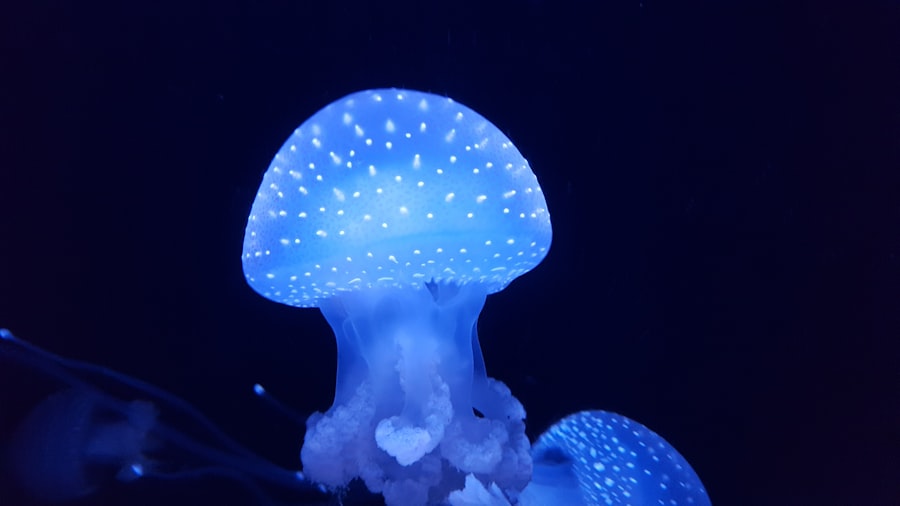
The deep sea, characterized by perpetual darkness, immense pressure, and near-freezing temperatures, is a testament to life’s resilience. It is within this extreme environment that bioluminescence truly flourishes, becoming the primary mode of visual interaction.
Pressure and Adaptation
The hydrostatic pressure in the deep ocean is staggering, increasing by approximately one atmosphere for every 10 meters of depth. Organisms inhabiting these zones have evolved specialized physiological adaptations to cope with these pressures, and bioluminescence systems are no exception.
- Enzyme Stability: Luciferases and luciferins in deep-sea organisms must maintain their conformation and catalytic activity under extreme pressure, a biochemical marvel in itself.
- Photophore Design: The structure of photophores, the light-producing organs, is often highly intricate, allowing for precise control over light intensity, color, and direction. In some cases, these photophores are equipped with reflectors and lenses, akin to miniature biological searchlights.
Food Webs and Energy Transfer
Bioluminescence is interwoven with the intricate fabric of deep-sea food webs. From the smallest bacteria to the largest fish, the ability to generate light influences feeding relationships and energy transfer.
- Chemosynthetic and Photosynthetic Links: While directly independent of sunlight for light production, many bioluminescent organisms ultimately derive their energy from surface productivity. However, chemosynthetic communities around hydrothermal vents also host bioluminescent organisms, adding another layer of complexity to their energy dynamics.
- Cascading Effects: Changes in the distribution or abundance of bioluminescent organisms can have cascading effects throughout the deep-sea ecosystem, impacting predator-prey dynamics and nutrient cycling.
Human Exploration and Scientific Discovery
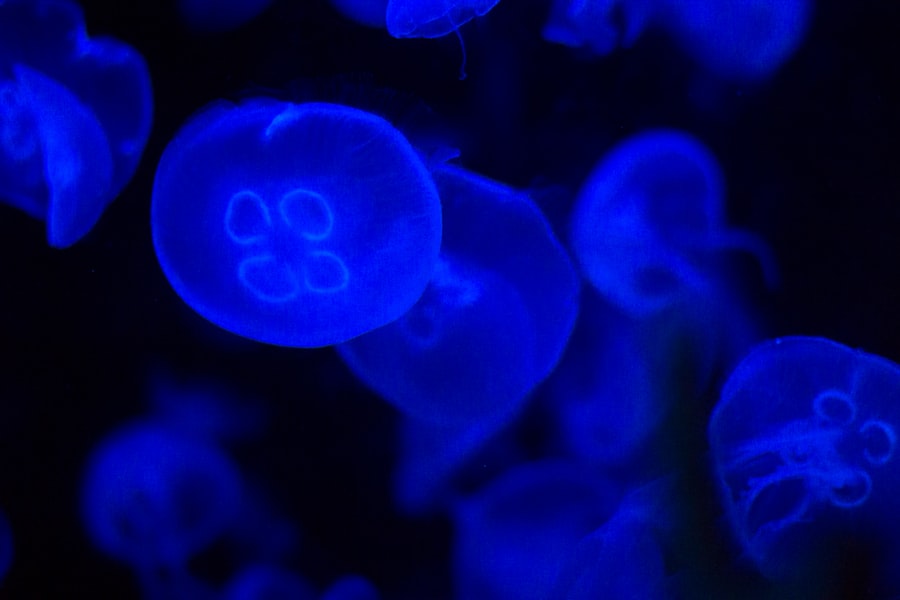
The study of ocean bioluminescence is a vibrant and ongoing field of scientific inquiry, yielding both fundamental insights into biological processes and practical applications for humanity.
Technological Advancements in Observation
Advances in underwater imaging technology have revolutionized the study of bioluminescence. Remotely Operated Vehicles (ROVs) and Autonomous Underwater Vehicles (AUVs) equipped with sensitive cameras and specialized light detectors allow scientists to observe these ephemeral light displays in their natural habitat without disturbing the organisms.
- Low-Light Cameras: High-sensitivity, low-light cameras are crucial for capturing the faint bioluminescent flashes, which can be thousands to millions of times dimmer than ambient surface light.
- Hydrophone Arrays: In some cases, bioluminescence is accompanied by sound production, and hydrophones (underwater microphones) can provide complementary data on activity patterns.
- Submersible-Mounted Sensors: Direct observation from manned submersibles provides an unparalleled opportunity to witness these wonders firsthand, allowing for immediate contextual interpretation of observed light events.
Biotechnological Applications
The unique biochemical properties of bioluminescent systems have found numerous applications in biotechnology, medicine, and research. These “living lights” are not just beautiful; they are incredibly useful.
- Reporter Genes: The genes encoding luciferases are widely used as “reporter genes” in molecular biology. By fusing a luciferase gene to a gene of interest, researchers can track gene expression, cellular activity, and drug efficacy by simply measuring the emitted light.
- Biosensors: Bioluminescent systems can be engineered into highly sensitive biosensors for detecting pollutants, pathogens, or specific chemical compounds. The presence of the target substance triggers a bioluminescent reaction, providing a clear and quantifiable signal.
- Medical Diagnostics: In diagnostic imaging, bioluminescent probes can be used to visualize tumors, infections, or other physiological processes within living organisms, offering a non-invasive and highly sensitive detection method.
- Forensic Science: Beyond medicine, bioluminescent reagents, such as luminol, are famously used in forensic science to detect trace amounts of blood, reacting with iron in hemoglobin to produce a blue glow.
The ocean is home to a myriad of bioluminescent wonders, with an astonishing 95 percent of these phenomena remaining unseen by the human eye. This hidden world is teeming with life forms that emit light through chemical reactions, creating breathtaking displays in the depths of the sea. To explore more about these fascinating creatures and their unique adaptations, you can read a related article that delves into the mysteries of the ocean’s glow. Discover the secrets of bioluminescence by visiting this insightful piece that sheds light on the unseen wonders beneath the waves.
Conservation and Future Research
| Metric | Value | Description |
|---|---|---|
| Percentage of Ocean Bioluminescent Species Unseen | 95% | Estimated portion of bioluminescent marine species yet to be discovered or studied |
| Known Bioluminescent Species | ~1,500 | Number of species currently identified with bioluminescent capabilities |
| Depth Range of Bioluminescence | 0 – 1,000+ meters | Depths in the ocean where bioluminescence is commonly observed |
| Primary Functions of Bioluminescence | 3 | Includes camouflage, communication, and predation |
| Bioluminescent Light Wavelength | 440 – 480 nm | Typical blue-green light emitted by marine bioluminescent organisms |
| Estimated Bioluminescent Organisms in Deep Sea | Thousands | Number of species believed to inhabit deep ocean zones exhibiting bioluminescence |
Given the pervasive nature of human impact on marine environments, understanding and conserving bioluminescent ecosystems is crucial. The insights gained from studying these unseen wonders inform broader conservation efforts.
Threats to Marine Bioluminescence
Pollution, climate change, and habitat destruction pose significant threats to bioluminescent organisms and the delicate balance of deep-sea ecosystems.
- Ocean Acidification: The absorption of excess atmospheric carbon dioxide by the oceans leads to acidification, which can disrupt the biochemical processes underlying bioluminescence.
- Light Pollution: In shallower coastal areas, artificial light pollution from human activities can interfere with bioluminescent signaling, potentially disrupting communication and reproductive success.
- Deep-Sea Mining: Proposed deep-sea mining operations threaten to disturb benthic habitats, potentially impacting bioluminescent communities and their associated food webs.
Expanding the Frontiers of Knowledge
Despite significant advancements, much remains unknown about ocean bioluminescence. The vastness and inaccessibility of the deep sea ensure that new discoveries are continually being made.
- Undiscovered Species: It is highly probable that countless bioluminescent species remain undiscovered, each potentially harboring unique light-producing mechanisms and ecological roles.
- Evolutionary Pathways: Tracing the complex evolutionary pathways of bioluminescence across diverse taxa provides fundamental insights into convergent evolution and the power of natural selection.
- Environmental Triggers: A deeper understanding of the environmental triggers that modulate bioluminescent displays will shed light on the intricate relationships between organisms and their environment.
The unseen ocean bioluminescent wonders serve as a powerful reminder of the extraordinary diversity and complexity of life on Earth. These living lights, shimmering in the eternal night of the deep, are not merely a spectacle but an integral component of marine ecosystems, their scientific contemplation offering both intellectual fascination and tangible benefits to humanity. As exploration continues, these luminous denizens of the deep will undoubtedly continue to reveal further secrets, illuminating our understanding of life itself.
FAQs
What is bioluminescence in the ocean?
Bioluminescence is the natural emission of light by living organisms in the ocean, such as certain species of plankton, jellyfish, and fish. This light is produced through a chemical reaction involving the molecule luciferin and the enzyme luciferase.
Why is 95 percent of ocean bioluminescence unseen?
Approximately 95 percent of ocean bioluminescence occurs in deep or remote parts of the ocean that are difficult for humans to access or observe. Many bioluminescent organisms live in the deep sea, where sunlight does not penetrate, making their glowing displays largely hidden from view.
What purposes does bioluminescence serve for marine organisms?
Bioluminescence serves various functions, including attracting mates, deterring predators, camouflaging, luring prey, and communication. Different species use light in unique ways to survive and thrive in their environments.
How do scientists study bioluminescent organisms in the ocean?
Scientists use specialized equipment such as submersibles, remotely operated vehicles (ROVs), and sensitive cameras to explore deep-sea environments and capture images or videos of bioluminescent organisms. Laboratory studies also help understand the chemical processes behind bioluminescence.
Can bioluminescence be seen from the ocean surface?
Yes, bioluminescence can sometimes be seen from the ocean surface, especially in coastal areas where bioluminescent plankton bloom. These glowing waters are often visible at night and can create stunning natural light displays along shorelines.