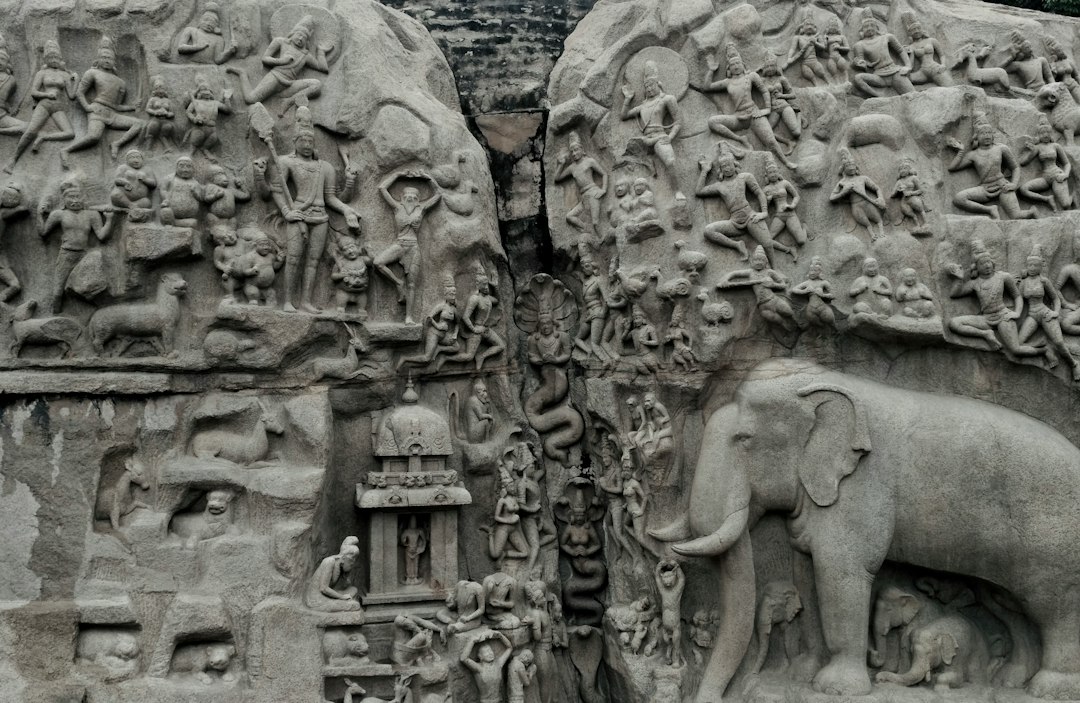
The enduring allure of ancient civilizations often lies in the tangible remnants of their existence, and among these, carved stone holds a unique power. These petroglyphs and reliefs, etched into rock faces and monumental structures, offer direct windows into the beliefs, daily lives, and artistic expressions of peoples long gone. However, the very act of creation that imbued these carvings with permanence also subjects them to the relentless forces of nature and human intervention, posing significant challenges to their visibility and long-term preservation. Understanding the intricate interplay between exposure and decay is crucial for both appreciating these historical artifacts and ensuring their survival for future generations.
The Evolving Landscape of Carving Visibility
The ability to perceive and interpret ancient carvings is a dynamic process, heavily influenced by environmental factors, archaeological discoveries, and technological advancements. What was once perhaps a vibrant, easily discernible artwork can, over millennia, become a subtle whisper against the rock, demanding careful observation and specialized techniques to bring it back into focus. Conversely, new discoveries can unexpectedly reveal previously unknown carved sites, dramatically altering our understanding of ancient artistic practices and cultural diffusion. The challenge for researchers and heritage managers is to manage these changing conditions to maximize understanding while minimizing intrusive impacts.
Environmental Influences on Stone Surfaces
The weathering of stone is a multifaceted phenomenon, driven by a complex interplay of climatic and geological processes. Rainfall, wind, temperature fluctuations, and the biological activity of lichens and mosses all contribute to the erosion and degradation of carved surfaces. The type of rock itself plays a significant role; sandstone, for example, is generally more porous and susceptible to weathering than granite. The orientation of a carving also matters; a north-facing panel might be shielded from direct sunlight and extreme temperature swings, potentially leading to slower degradation compared to a sun-drenched south-facing surface. Understanding these microclimatic conditions at individual carving sites is fundamental to predicting their future visibility and informing preservation strategies. For instance, in arid regions, windblown sand can abrade carvings, while in humid climates, water infiltration can lead to frost wedging and salt crystallization, both of which can dislodge rock particles and obscure details. The presence of vegetation, while seemingly benign, can also be detrimental. Roots can penetrate cracks, widening them over time, and the accumulation of organic matter can retain moisture, fostering the growth of damaging microorganisms.
The Role of Discovery and Rediscovery
Many ancient carvings remain hidden, awaiting discovery by chance encounters or systematic archaeological surveys. Explorers, hikers, or local inhabitants may stumble upon previously unrecorded petroglyph sites, prompting further investigation. These discoveries are often serendipitous, highlighting the vastness of unexplored archaeological landscapes. Once a site is identified, the process of “rediscovery” can also involve making previously known but obscured carvings visible again. This can be achieved through careful cleaning, removal of overlying vegetation, or by employing techniques that enhance contrast. The excitement of a new discovery must be tempered with a rigorous scientific approach, ensuring that the site is accurately documented and protected from the outset. The ethical considerations surrounding such discoveries are paramount; the primary goal should always be the preservation of the artifact and its context, not simply the fame or potential commercialization that might follow.
Technological Aids for Enhanced Perception
Modern technology has revolutionized our ability to perceive and document ancient carvings, bringing details to light that would be invisible to the naked eye. Light-based techniques, such as raking light (illuminating the surface from a low angle), can dramatically emphasize surface relief, making shallow carvings discernible. Advanced imaging technologies, including photogrammetry and 3D laser scanning, create highly detailed digital models of carvings. These models can be manipulated in software to simulate different lighting conditions, allowing for virtual “exploration” of the carved surfaces and the identification of subtle details. Multispectral and hyperspectral imaging can detect variations in mineral composition or the presence of residual pigments that are invisible in visible light, offering clues about the original appearance of the carvings. Drones equipped with high-resolution cameras are increasingly used to access remote and difficult-to-reach carving sites, enabling detailed aerial surveys and documentation without the need for extensive physical access. The integration of Geographic Information Systems (GIS) with these imaging technologies allows for the spatial analysis and mapping of carving distribution and their relationship to the surrounding landscape, providing invaluable contextual information.
The visibility of ancient carvings is a fascinating topic that sheds light on the artistry and cultural significance of historical civilizations. For those interested in exploring related themes, the article titled “The Mystery of Baalbek’s Massive Stones” provides intriguing insights into the monumental structures of Baalbek and their intricate carvings. You can read more about it by following this link: The Mystery of Baalbek’s Massive Stones.
The Imperative of Stone Preservation

Preserving ancient carvings is a critical responsibility that extends beyond mere aesthetic appreciation. These stone artifacts are irreplaceable historical records, offering invaluable insights into human history, culture, and artistic development. Their deterioration represents a loss of collective memory and a diminishment of our understanding of the past. Effective preservation requires a multidisciplinary approach, combining scientific knowledge, ethical considerations, and practical interventions.
Understanding the Agents of Decay
The enemies of ancient carvings are numerous and varied, acting both independently and in concert. Chemical weathering involves reactions between the stone and atmospheric pollutants, acids in rainwater, or salts leached from the surrounding environment. Biological agents, such as lichens, algae, and mosses, can contribute to physical and chemical erosion. Their acidic secretions can etch the stone, and their growth can create moisture pockets, leading to freeze-thaw damage. Microbial activity, including bacteria and fungi, can also play a role in the deterioration process, sometimes producing pigments that stain the rock or secreting enzymes that break down mineral components. Physical weathering encompasses a range of processes, including abrasion from windblown sand or dust, erosion by water flow, and the destructive force of freeze-thaw cycles where water seeps into cracks, freezes, expands, and widens the fissures. Thermal expansion and contraction caused by daily and seasonal temperature changes can also lead to stress and cracking in the stone. Human activities, both intentional and unintentional, represent a significant threat. Vandalism, graffiti, unauthorized excavation, and even well-intentioned but poorly executed restoration attempts can cause irreversible damage. The impact of tourism, including physical contact, the introduction of pollutants from visitors, and the alteration of microclimates due to visitor infrastructure, also needs careful management.
Intervention Strategies: Balancing Conservation and Authenticity
The decision to intervene in the preservation of ancient carvings is a complex one, guided by a principle of minimal intervention and the ultimate goal of maintaining the authenticity of the artifact. Conservation efforts can range from simple environmental monitoring and protective measures to more involved consolidation or stabilization techniques. The first line of defense often involves environmental management, such as controlling vegetation growth around carving sites or mitigating water runoff. When direct intervention is necessary, the choice of materials and methods is critical. In situ consolidation, for example, may involve the application of stabilizing agents to strengthen friable stone, but these agents must be compatible with the original material and should not alter its appearance or porosity in an undesirable way. Cleaning can be a delicate operation; aggressive methods can remove not only accumulated dirt but also ancient patina or even fine details of the carving itself. The use of lasers for cleaning is a promising technology, offering precision and minimal physical contact, but its application requires careful calibration and testing. The ethical debate surrounding restoration versus preservation is ongoing. While some argue for interventions that “restore” the carving to a perceived original state, the prevailing conservation philosophy emphasizes preventing further decay and stabilizing what remains, thereby respecting the history and patina that the artifact has acquired over time. The goal is to ensure that any intervention enhances understanding and longevity without compromising the integrity of the original work.
The Importance of Documentation and Monitoring
Long-term preservation is impossible without meticulous documentation and ongoing monitoring of carving sites. Detailed photographic records, 3D scans, and written descriptions provide a baseline against which future changes can be measured. Regular site visits by trained personnel allow for the early detection of emerging problems, such as new cracks, increased vegetation growth, or signs of biological attack. This proactive approach enables timely intervention before minor issues escalate into major threats. The data gathered from monitoring can also inform broader research into weathering patterns and the effectiveness of different preservation techniques. Implementing a robust monitoring program often involves establishing protocols for data collection, analysis, and reporting. This can include setting up weather stations at sensitive sites to track microclimatic conditions, using ground-penetrating radar to assess subsurface stability, or employing crack-monitoring devices to measure the widening of existing fissures. The integration of this data into a centralized database allows for trend analysis and the development of predictive models for future deterioration, guiding resource allocation and prioritizing conservation efforts.
Case Studies: Learning from Global Experiences

Examining successful and challenging examples of carving preservation from around the world provides invaluable lessons for heritage managers and researchers. These case studies highlight the diverse threats faced by ancient carvings and the varied approaches taken to address them, offering practical insights and fostering a global dialogue on best practices.
Rock Art in Arid Landscapes: The Challenges of Sand and Sun
In regions characterized by arid climates, such as parts of Australia, the American Southwest, or the Sahara Desert, the primary threats to rock carvings are often windblown sand and intense solar radiation. The abrasive nature of sand, carried by prevailing winds, can relentlessly grind away at the surface of the rock, smoothing out intricate details and eventually obliterating the carvings altogether. This process is analogous to a natural sandblasting effect. Additionally, the high levels of ultraviolet radiation can contribute to the photodegradation of any residual pigments that may have once adorned the carvings, as well as cause physical stress within the rock matrix itself, leading to micro-fractures. The extreme temperature fluctuations between day and night in desert environments can also induce expansion and contraction in the stone, exacerbating existing cracks and promoting spalling. Preservation efforts in these areas often focus on managing the immediate environment. This might involve creating windbreaks using natural materials or strategically placed barriers to deflect sand, although such interventions must be carefully designed to avoid altering the natural landscape or impacting the authenticity of the site. Protective coatings are sometimes considered, but their long-term efficacy and potential for unintended side effects on the rock are subjects of ongoing research and debate. The remoteness of many of these sites also presents logistical challenges for monitoring and intervention, requiring innovative solutions for access and maintenance. The focus is often on detailed documentation through high-resolution photography and 3D scanning to capture the carvings’ current state before significant degradation occurs.
Frozen Heritage: The Perils of Ice and Thaw
In polar or alpine regions, ancient carvings are exposed to a unique set of destructive forces driven by ice and its cycle of freezing and thawing. Water, whether from melting snow, rain, or condensation, can seep into the pores and micro-cracks within the stone. When temperatures drop below freezing, this water expands, exerting significant pressure on the surrounding rock. Repeated cycles of freezing and thawing can widen these fissures, leading to the fragmentation and detachment of carved surfaces, a process known as frost wedging. In some cases, entire panels can be dislodged and fall from their original positions. The presence of ice can also physically scour the rock surface, further contributing to erosion. Preservation strategies in these environments often involve managing water infiltration. This might include improving drainage around carving sites, sealing existing cracks with compatible materials to prevent water entry, or carefully removing ice and snow accumulations to reduce pressure. However, care must be taken to avoid damaging the carvings during these operations. The remoteness and harsh weather conditions of many such sites also pose significant challenges for access and intervention. Conservationists often rely on remote sensing technologies and drone surveys to monitor the condition of carvings from a safe distance and to plan targeted interventions during favorable weather windows. The use of specialized equipment for ice removal and the application of insulating materials are also explored, though always with a keen eye on potential impacts to the ancient stone.
Tropical Environments: Moisture, Vegetation, and Biological Attack
The high humidity, abundant rainfall, and dense vegetation found in tropical regions present distinct challenges for the preservation of carved stone. Constant moisture can accelerate chemical weathering processes and create an ideal environment for the prolific growth of vegetation, including mosses, lichens, and vines. As mentioned previously, plant roots can penetrate cracks, widening them, while the accumulation of organic matter can trap moisture and promote the growth of microorganisms. Biological attack is a significant concern, with various species of algae, fungi, and bacteria thriving in these conditions. Their metabolic processes can lead to staining, discoloration, and even the chemical breakdown of the stone itself. The warm temperatures can also facilitate the rapid reproduction of these organisms. Preservation efforts in tropical areas often prioritize vegetation management, carefully clearing away encroaching plants without damaging the carvings. This requires a delicate balance, as complete removal of all plant life can sometimes shock the stone or alter the microclimate in unexpected ways. The application of biocides to inhibit the growth of harmful microorganisms is also employed, but their long-term environmental impact and compatibility with the stone must be carefully considered. Impregnation with water-repellent consolidants can help to reduce moisture absorption, but these treatments must be chosen to allow the stone to breathe and avoid trapping moisture within. The challenge in these environments is to create a stable, less hospitable environment for decay-causing organisms while maintaining the aesthetic and historical integrity of the carvings.
Ethical Considerations in Visibility and Preservation
The pursuit of enhanced visibility and effective preservation of ancient carvings is inextricably linked to a profound set of ethical considerations. These extend beyond the scientific and technical aspects of conservation to encompass respect for cultural heritage, the rights of descendant communities, and the responsible stewardship of shared human history. Balancing the desire to study and share these artifacts with the imperative to protect them requires careful thought and a commitment to ethical principles.
Balancing Access and Protection
The public’s desire to see and learn about ancient carvings is understandable and, in many ways, a positive force for raising awareness and garnering support for preservation efforts. However, increased visitation can also lead to unintended consequences. Physical contact from visitors, the introduction of pollutants from clothing or footwear, and the alteration of microclimates around popular sites can all contribute to degradation. The challenge lies in finding a balance that allows for meaningful engagement without compromising the long-term survival of the carvings. This often involves implementing controlled access measures, such as designated viewing areas, boardwalks, or rope barriers, to guide visitors and prevent them from coming into direct contact with sensitive surfaces. Interpretive signage and educational materials can convey the significance of the carvings and explain the importance of respectful behavior. In some cases, the best approach for fragile sites may be to limit physical access altogether, relying instead on high-quality digital representations and remote viewing opportunities. The principle of “leave no trace” is paramount, encouraging visitors to be mindful of their impact. The development of responsible tourism strategies, in collaboration with local communities and heritage authorities, is essential for ensuring that the economic benefits of tourism do not come at the expense of cultural heritage.
The Role of Indigenous Communities and Descendant Rights
In many parts of the world, ancient carvings are not merely historical artifacts but are deeply connected to the cultural identities and spiritual beliefs of indigenous communities and descendant populations. These communities often hold traditional knowledge about the carvings, their meanings, and their landscapes, and they have a vested interest in their preservation. Ethical approaches to visibility and preservation must therefore involve genuine consultation and collaboration with these groups. Their perspectives and wishes should be central to decision-making processes, ensuring that conservation efforts are culturally sensitive and respectful of their heritage. This may involve incorporating traditional management practices, respecting sacred sites, and ensuring that any public access is conducted in a manner that aligns with their cultural protocols. The question of who owns and benefits from the interpretation and display of these carvings is also a critical ethical consideration. Empowering descendant communities to be custodians of their own heritage, including the potential for community-led tourism initiatives or educational programs, can foster a sense of ownership and responsibility, leading to more sustainable and respectful practices.
The Ethics of Intervention and Digital Representation
When intervention is deemed necessary for preservation, ethical questions arise regarding the extent and nature of that intervention. The principle of minimal intervention suggests that any action should be the least intrusive possible while still achieving the desired outcome. Overly aggressive cleaning or restoration can inadvertently erase valuable historical information or alter the authenticity of the artifact. Decisions about intervention should be made through informed consensus among conservators, archaeologists, and heritage professionals, with a clear understanding of the potential risks and benefits. The increasing reliance on digital technologies for documentation and representation also raises ethical questions. While digital models can offer unprecedented access and analytical capabilities, they should not be seen as a replacement for the physical artifact. The creation and dissemination of digital replicas must be done responsibly, respecting intellectual property rights and ensuring that the original context and significance of the carvings are not misrepresented. The potential for digital technologies to democratize access to cultural heritage is immense, but this power must be wielded with careful consideration for the ethical implications, ensuring that digital representations serve to enhance understanding and appreciation without diminishing the value or integrity of the original sites.
The visibility of ancient carvings has long fascinated researchers and historians, as these intricate designs often hold the key to understanding past cultures. A recent article explores this topic in depth, shedding light on how these carvings were created and their significance in the context of ancient societies. For those interested in the broader implications of such discoveries, you can read more about it in the article on navigating the unknown, which discusses the mapping of the world before modern exploration and how ancient artworks contribute to our understanding of history.
The Future of Carving Visibility and Preservation
| Carving Location | Visibility Score (1-10) | Weathering Level (%) | Lighting Conditions | Preservation Efforts | Accessibility |
|---|---|---|---|---|---|
| Petra, Jordan | 7 | 40 | Moderate sunlight | Regular cleaning and protective barriers | High |
| Valley of the Kings, Egypt | 8 | 30 | Low light, artificial illumination | Climate control and restricted access | Medium |
| Bhimbetka Rock Shelters, India | 6 | 50 | Variable natural light | Minimal intervention | Low |
| Altamira Cave, Spain | 5 | 60 | Low light, controlled environment | Strict preservation protocols | Very low |
| Serra da Capivara, Brazil | 7 | 35 | Good natural light | Regular monitoring and cleaning | Medium |
The ongoing journey to understand and protect ancient carvings is a dynamic one, shaped by evolving scientific understanding, technological innovation, and a growing global consciousness regarding heritage stewardship. The challenges are significant, but so too are the opportunities for new discoveries and more effective preservation strategies. The future promises a continued interplay between making the past visible and ensuring its enduring presence.
Advancements in Predictive Modeling and Material Science
The future of carving preservation will be increasingly informed by sophisticated predictive modeling and advancements in material science. By analyzing vast datasets of environmental conditions, geological factors, and the chemical composition of different stone types, researchers can develop more accurate models to predict which carvings are most at risk and where degradation is likely to occur most rapidly. This allows for proactive allocation of conservation resources to the most vulnerable sites. Complementing this, material scientists are continually developing new and improved conservation materials. These include advanced consolidants that offer greater compatibility with ancient stones, less intrusive cleaning agents, and protective coatings that are both effective and reversible. The development of nano-materials, for instance, holds promise for penetrating and strengthening stone at a molecular level without altering its visible characteristics. Furthermore, research into self-healing materials that can autonomously repair micro-cracks as they form could revolutionize long-term preservation. The goal is to move beyond reactive interventions to a more preventative and sustainable approach to heritage management, utilizing scientific foresight to safeguard these invaluable records of human history.
The Expanding Role of Artificial Intelligence and Big Data
Artificial intelligence (AI) and the analysis of big data are poised to play a transformative role in both uncovering and preserving ancient carvings. AI algorithms can be trained to analyze vast quantities of aerial imagery, satellite data, and even LiDAR scans to identify patterns that might indicate the presence of previously undiscovered carved sites, potentially accelerating the process of archaeological discovery. In preservation, AI can be employed to analyze the complex datasets generated by monitoring systems, identifying subtle anomalies or trends that might escape human observation. This can lead to earlier detection of decay and more informed decision-making regarding intervention. Machine learning techniques can also be used to refine predictive models, constantly learning from new data to improve their accuracy. Furthermore, AI-powered tools can assist in the interpretation of carvings, aiding in the decipherment of symbols or the reconstruction of eroded imagery. The ability to process and analyze immense volumes of information, coupled with the capacity to identify subtle patterns, will undoubtedly unlock new insights into the creation, meaning, and future trajectory of these ancient artworks. The ethical implications of AI in heritage management, particularly concerning bias in algorithms and data ownership, will also need careful consideration as these technologies become more integrated.
Fostering Global Collaboration and Citizen Science
The preservation of ancient carvings is a global endeavor that benefits immensely from international collaboration and the engagement of citizen scientists. Sharing knowledge, research findings, and best practices across borders is crucial for addressing common challenges and developing innovative solutions. International heritage organizations play a vital role in facilitating this exchange through conferences, workshops, and joint research projects. Moreover, the growing field of citizen science offers an exciting avenue for expanding the reach and effectiveness of preservation efforts. By training and mobilizing volunteers, researchers can significantly increase the capacity for site monitoring, documentation, and even basic conservation tasks. Enthusiastic individuals can contribute to cataloging carvings, reporting potential threats, and assisting with data collection, thereby democratizing the process of heritage stewardship. Initiatives that empower local communities to become active participants in the monitoring and protection of their heritage are particularly impactful. This collaborative approach, combining the expertise of professionals with the passion and widespread reach of citizen engagement, is essential for ensuring the long-term survival and appreciation of these irreplaceable legacies from our shared past.
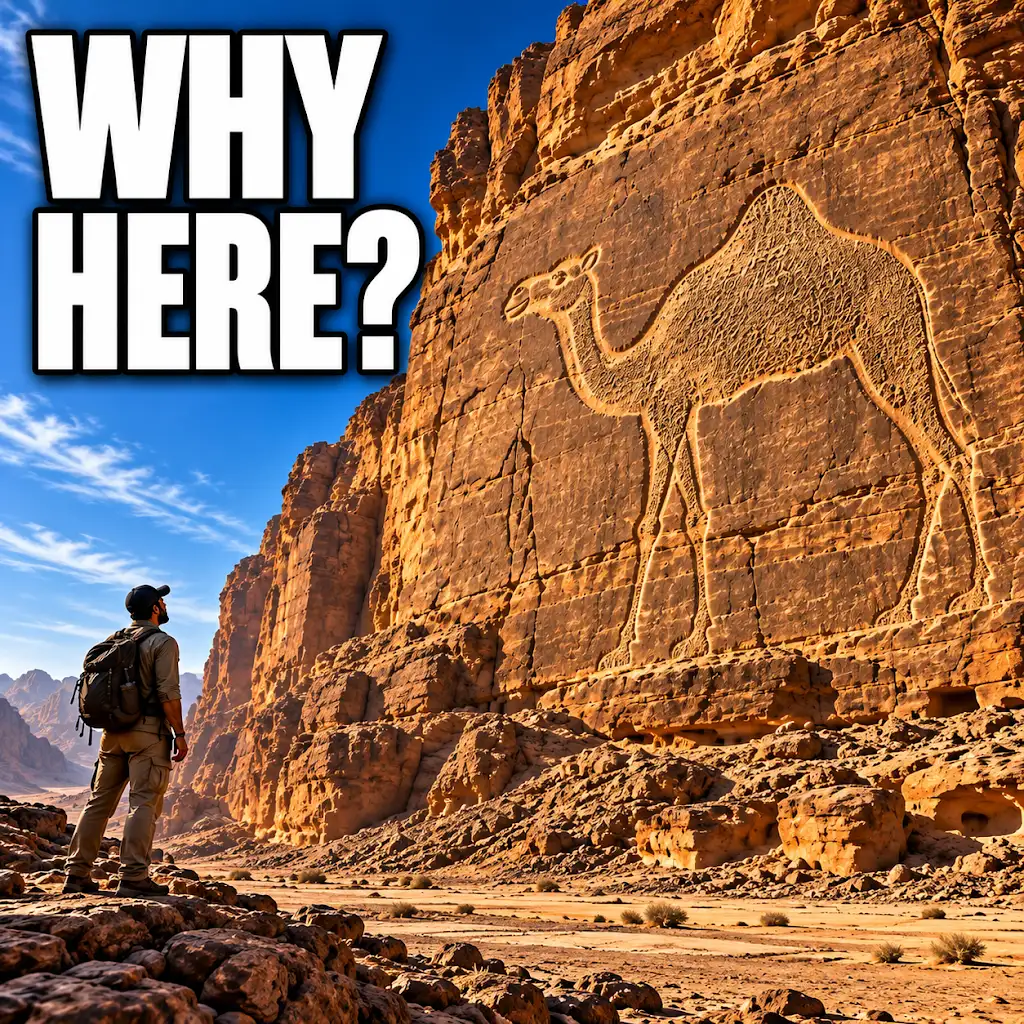
Why Were Giant Camels Carved Above the Desert?
FAQs
What are ancient carvings?
Ancient carvings are intricate designs or images that have been engraved or etched into various surfaces by ancient civilizations.
Where can ancient carvings be found?
Ancient carvings can be found in various locations such as caves, temples, tombs, and historical sites around the world.
How do ancient carvings provide insight into ancient civilizations?
Ancient carvings provide insight into ancient civilizations by depicting their beliefs, customs, rituals, and daily life through the intricate designs and images carved into different surfaces.
Why is the visibility of ancient carvings important?
The visibility of ancient carvings is important as it allows researchers, historians, and archaeologists to study, document, and preserve these valuable artifacts for future generations to learn about the past.
What factors can affect the visibility of ancient carvings?
Factors such as weathering, erosion, human activities, and environmental changes can affect the visibility of ancient carvings, making it crucial to take measures to protect and conserve these historical treasures.