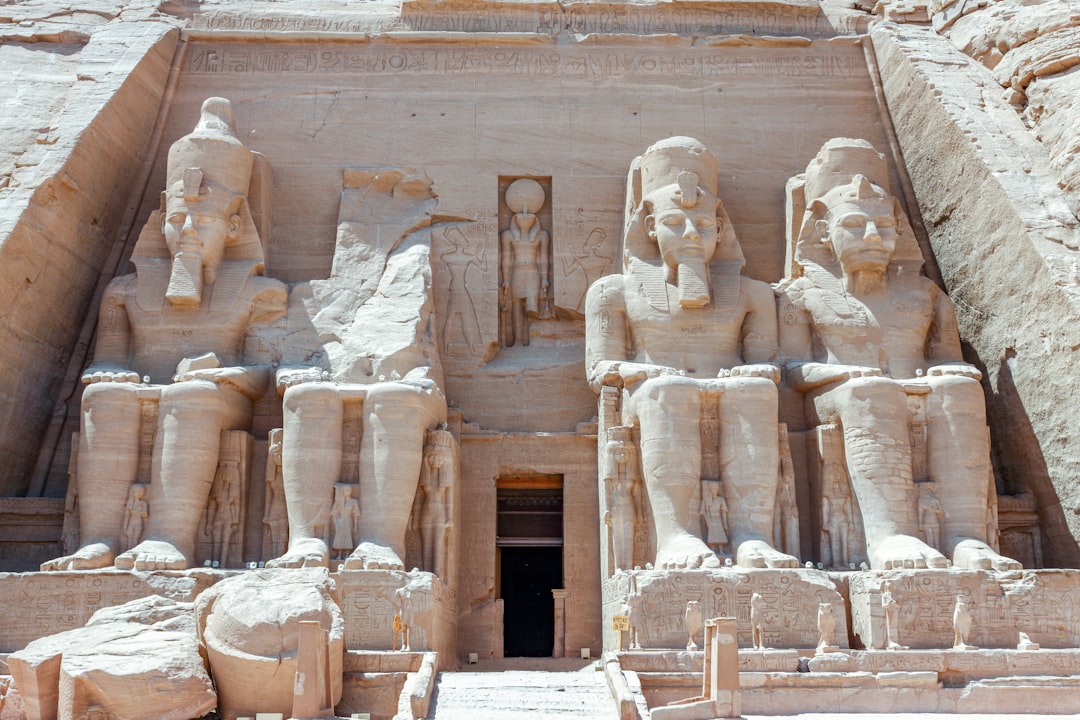
The sands of time in ancient Egypt hold a treasure trove of stories, whispered through millennia of hieroglyphs, monumental architecture, and archaeological discoveries. Yet, alongside these tangible remnants of a once-thriving civilization, a parallel world of myths and popular misconceptions has emerged, shaping our understanding, and sometimes obscuring the reality of this remarkable era. This exploration delves into the captivating world of ancient Egypt, distinguishing between the verifiable facts unearthed by modern scholarship and the enduring legends that continue to capture global imagination.
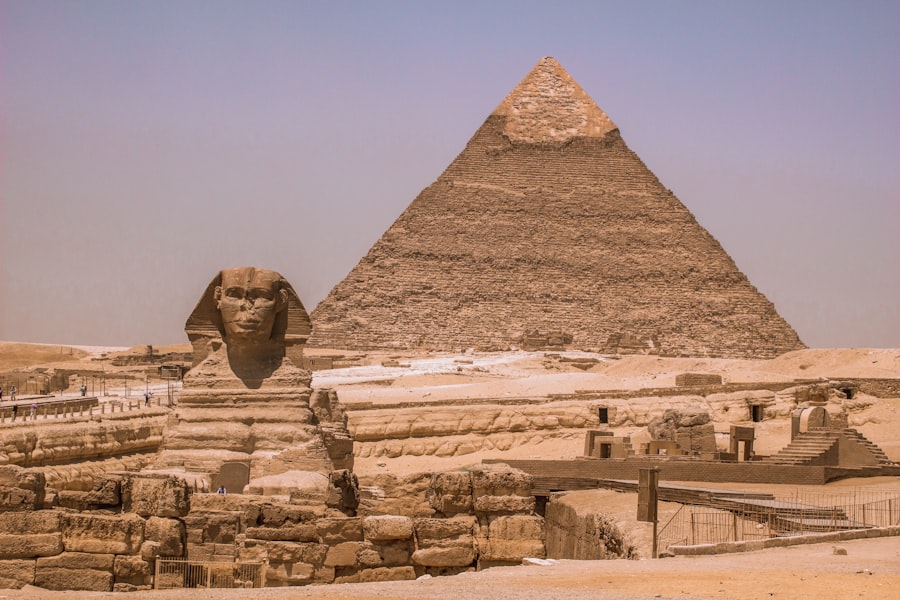
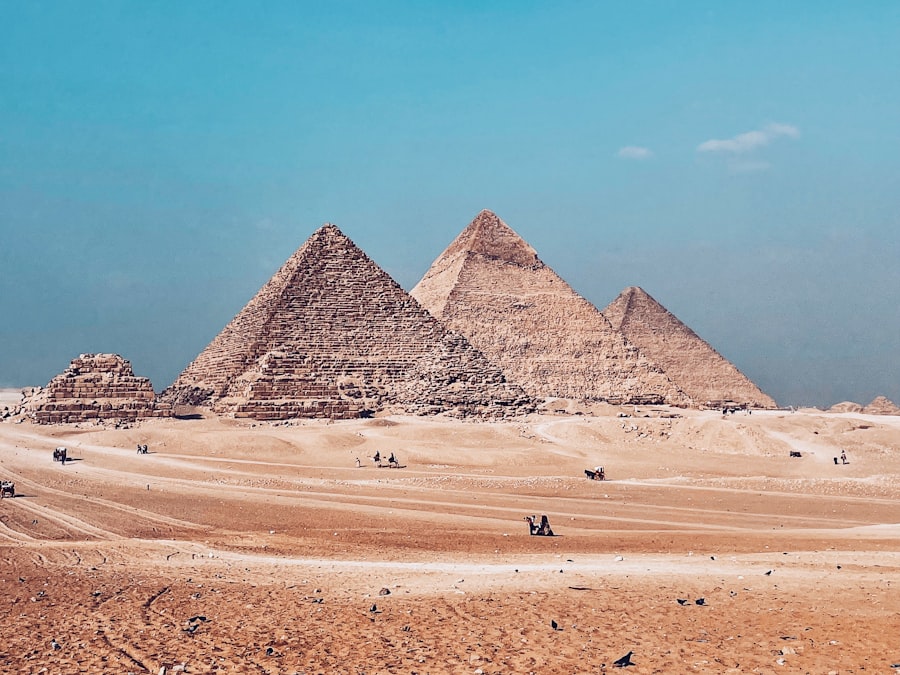
The sheer scale and precision of the Egyptian pyramids have long fueled speculation, with some attributing their construction to extraterrestrial intervention. However, a wealth of archaeological evidence dispels these fanciful notions, firmly grounding their creation in human ingenuity and labor.
The Purpose of the Pyramids: Tombs for Eternity
The primary function of the pyramids was as elaborate tombs for pharaohs and their consorts. These colossal structures were designed to protect the deceased ruler’s body and belongings, ensuring their safe passage and continued existence in the afterlife. The grand scale was a testament to the pharaoh’s divine status and the belief that their prosperity in the next world was intrinsically linked to that of Egypt. Excavations within and around the pyramids have consistently revealed burial chambers, sarcophagi, and grave goods, all pointing towards their funerary purpose.
The Construction: A Feat of Ancient Engineering
Debates surrounding the construction of the pyramids often center on how such massive stones were quarried, transported, and lifted into place. While the exact methods remain a subject of ongoing research, theories abound, supported by archaeological findings.
Quarrying and Transporting the Massive Stones
Evidence suggests that limestone, the primary building material, was quarried from nearby sites like Tura. Copper tools, often hardened with arsenic, were likely used for cutting and shaping the stones. For transport, the Egyptians employed a sophisticated understanding of geometry and physics. Ramps, made of rubble, brick, and earth, are believed to have been constructed to haul the massive blocks up the pyramid. The Nile River played a crucial role, with barges used to transport stones from more distant quarries, such as granite from Aswan. The sheer workforce involved, estimated to be in the tens of thousands, comprised skilled laborers, artisans, and farmers contributing during the annual Nile inundation.
The Mystery of the Lifting Techniques
The precise mechanisms for lifting the enormous blocks to the upper levels of the pyramids remain one of the most debated aspects. Theories include the use of levers, sledges pulled by large teams, and potentially internal ramp systems that were later dismantled. Ongoing excavations and experimental archaeology continue to shed light on these remarkable feats of engineering, demonstrating a sophisticated understanding of mechanics and logistics passed down through generations. The absence of any evidence for advanced, unknown technology points to human ingenuity as the driving force.
Debunking Extraterrestrial Involvement
The notion of alien assistance in pyramid construction is largely a modern myth, born from a lack of understanding of ancient Egyptian capabilities and a romanticized view of their achievements. The consistent architectural styles, the progression from simpler mastabas to step pyramids and then true pyramids, indicate a gradual development of building techniques over centuries, not a sudden influx of advanced knowledge. The meticulous planning, the vast human effort, and the archaeological evidence all firmly place the pyramids within the realm of human accomplishment.
When exploring the fascinating world of ancient Egypt, it is essential to distinguish between facts and myths that have shaped our understanding of this remarkable civilization. For a deeper dive into how historical narratives can be influenced by modern perspectives, you might find the article on Monterrey’s nearshoring investment opportunities insightful. It highlights the importance of separating fact from fiction in various contexts, much like the study of ancient cultures. You can read more about it here: Monterrey: The Ideal Nearshoring Investment Opportunity.
Hieroglyphs: More Than Just Pictures, a Sophisticated Language
The intricate symbols that adorn ancient Egyptian tombs and temples have long fascinated observers. While often perceived as mere decorative pictograms, hieroglyphs represent a complex and sophisticated written language, capable of conveying a vast range of information.
The Nature of Hieroglyphic Writing
Hieroglyphs are not simply a system of picture writing where each symbol represents a single object. Instead, they form a complex system that can function in several ways: as logograms (representing whole words), as phonograms (representing sounds, analogous to our letters), and as determinatives (clarifying the meaning of a word, indicating semantic categories). This multifaceted nature allowed for nuanced expression and the recording of everything from religious texts and royal decrees to administrative records and personal stories.
The Rosetta Stone: The Key to Unlocking the Past
The discovery of the Rosetta Stone in 1799 by Napoleon’s soldiers proved to be the pivotal moment in deciphering ancient Egyptian hieroglyphs. This stele bears the same decree inscribed in three scripts: hieroglyphic, Demotic (an evolved script of ancient Egyptian), and ancient Greek. Scholars, most notably Jean-François Champollion, were able to use the known Greek text as a key to painstakingly unlock the meanings of the hieroglyphic and Demotic scripts.
The Content of Hieroglyphic Texts
The range of subjects covered by hieroglyphic inscriptions is incredibly diverse. Religious texts, such as the Book of the Dead, provided guidance for the deceased in the afterlife. Royal annals documented the reigns of pharaohs, their victories, and their building projects. Funerary inscriptions offered prayers and offerings for the deceased. Even mundane aspects of life, such as administrative accounts detailing grain distribution or temple inventories, were recorded. Studying these texts allows historians and archaeologists to piece together the social, political, religious, and economic fabric of ancient Egyptian society.
Mummification: Preserving the Body for an Eternal Journey
The practice of mummification is perhaps one of the most iconic aspects of ancient Egyptian culture and one that has been subject to both fascination and misunderstanding. Far from being a morbid fascination with death, it was a deeply spiritual practice rooted in a profound belief in the afterlife.
The Purpose of Mummification: Ensuring an Immortal Soul
The ancient Egyptians believed that the preservation of the physical body was essential for the survival of the soul, or ba and ka, in the afterlife. They envisioned the afterlife as a continuation of earthly existence, and therefore, the deceased needed their physical form to inhabit and interact with this eternal realm. Mummification was a ritualistic process designed to prevent decay and ensure the body’s integrity for eternity.
The Mummification Process: A Detailed Ritual
The process of mummification was a complex and lengthy ritual, typically taking around 70 days. It involved several key stages:
Removal of Internal Organs
The first step was the removal of the internal organs, as these were the most prone to decomposition. The brain was typically removed through the nasal cavity using a hook. The abdominal organs (lungs, stomach, intestines, and liver) were removed through an incision in the side of the abdomen. The heart, believed to be the seat of intelligence and emotion, was usually left in place. The removed organs were preserved in special jars known as canopic jars, each adorned with the head of one of the four sons of Horus.
Dehydration and Wrapping
Following the removal of organs, the body was thoroughly dehydrated using natron, a naturally occurring salt mixture. The body was covered in natron for approximately 40 days, drawing out moisture. Once dehydrated, the body was cleaned and anointed with oils and resins. Finally, it was painstakingly wrapped in hundreds of yards of linen bandages, often with amulets and charms placed within the layers for protection and guidance.
The Myth of the Mummy’s Curse
The concept of the “mummy’s curse” is a sensationalized myth that gained traction in the early 20th century, largely fueled by fiction and sensationalist journalism surrounding the discovery of Tutankhamun’s tomb. While some tombs did contain inscriptions warning against desecration, these were generally religious warnings and curses against those who would disturb the sacred rest of the deceased, not magical spells intended to kill excavators. The premature deaths of some individuals associated with the tomb’s discovery were largely attributable to natural causes or coincidence, amplified by the public’s fascination with the macabre.
Egyptian Gods and Goddesses: A Pantheon of Power and Influence
The ancient Egyptian pantheon was vast and complex, comprised of numerous deities who governed various aspects of the natural world, human life, and the cosmos. Their stories and roles paint a vivid picture of a society deeply connected to the divine.
The Creators and the Cosmic Order
At the apex of the pantheon were creator deities who were believed to have brought the world into existence. Variations existed, with figures like Atum, Ra, and Ptah playing significant roles in different creation myths. These myths emphasized the concept of maat, a cosmic principle of truth, justice, order, and balance, which the gods and humans were expected to uphold. The divine order was seen as essential for the prosperity and stability of the universe.
Deities of Life, Death, and the Afterlife
Many deities were directly involved in the cycles of life and death. Osiris, the god of the afterlife, resurrection, and the underworld, played a central role in the concept of immortality. His story of betrayal, death, and rebirth resonated deeply with the Egyptians’ belief in an eternal existence. Isis, his devoted wife, was a powerful goddess of magic, motherhood, and healing, who played a crucial role in resurrecting Osiris and protecting his lineage. Anubis, the jackal-headed god, was the god of mummification and the protector of the dead, guiding souls through the underworld and overseeing the judgment of the deceased.
The Role of Animal Symbolism
Many Egyptian gods and goddesses were depicted with animal heads or as anthropomorphic figures with animalistic attributes. This was not a primitive form of worship but rather a symbolic representation of the qualities and powers associated with these animals. For instance, the falcon-headed Ra represented the sun and its life-giving power, while the cat-headed Bastet symbolized protection, fertility, and domesticity. These animalistic representations served as visual shorthand for the gods’ attributes and their connection to the natural world.
When exploring the fascinating world of ancient Egypt, it’s essential to distinguish between facts and myths that have shaped our understanding of this remarkable civilization. Many people are intrigued by the stories of pharaohs, pyramids, and mummies, but not all of these tales hold true. For a deeper insight into how historical narratives can be influenced by modern perceptions, you might find it interesting to read about the complexities of ancient cultures in a related article discussing the fragmentation of Iraq and its historical implications. You can find it here: fragmentation of Iraq. This connection highlights how history is often interpreted through various lenses, much like the myths surrounding ancient Egypt.
Cleopatra: More Than Just a Seductress, a Powerful Ruler
| Fact/Myth | Description |
|---|---|
| Fact | Ancient Egyptians used hieroglyphics as their writing system. |
| Myth | The pyramids were built by slaves. |
| Fact | Ancient Egyptians believed in many gods and goddesses. |
| Myth | Cleopatra was Egyptian, when in fact she was of Greek descent. |
| Fact | Ancient Egyptians were skilled in medicine and surgery. |
Cleopatra VII, the last pharaoh of Egypt, has long been immortalized in popular culture as a figure of seduction and romance, her relationships with Julius Caesar and Mark Antony dominating many narratives. While these relationships were undoubtedly significant, they often overshadow her capabilities as a shrewd and politically astute ruler.
A Ptolemaic Dynasty Queen
Cleopatra was a member of the Ptolemaic dynasty, a Greek royal house that ruled Egypt for nearly three centuries following the conquests of Alexander the Great. She was highly educated, fluent in multiple languages, and possessed a keen intellect. Her reign was marked by a constant struggle to maintain Egypt’s independence and prosperity in the face of Rome’s growing power.
Navigating Roman Politics
Cleopatra adeptly used her relationships with powerful Roman leaders to secure Egypt’s interests. Her alliances with Caesar and Antony were strategic, aimed at protecting her kingdom from Roman annexation and ensuring the continuation of her dynasty. She was not merely a passive participant in these relationships but actively engaged in political maneuvering and diplomacy.
Economic and Administrative Reforms
Beyond her political dealings, Cleopatra was also a capable administrator. She implemented economic reforms, fostered trade, and sought to improve the lives of her subjects. Evidence suggests she was interested in scholarship and supported scientific endeavors. Her efforts to revive traditional Egyptian culture and traditions also highlight her dedication to her kingdom and its unique heritage.
The Myth of the Pure Seductress
The popular image of Cleopatra as solely a seductress who used her beauty to manipulate men is a simplification that diminishes her historical significance. While charm and allure were undoubtedly tools in her diplomatic arsenal, they were secondary to her intelligence, political acumen, and leadership qualities. Her story is one of a determined ruler fighting to preserve her kingdom’s sovereignty in a rapidly changing world, a legacy that deserves to be understood beyond the confines of romanticized myth.
In conclusion, ancient Egypt continues to captivate the human imagination, a land where monumental achievements, profound spirituality, and enduring human drama intertwine. By separating the verified facts of history and archaeology from the persistent myths and misconceptions, we gain a more profound and accurate appreciation for the ingenuity, complexity, and lasting legacy of this extraordinary civilization. The pyramids stand not as evidence of alien intervention, but as testaments to human ambition and skill. Hieroglyphs reveal a rich and nuanced language, not just decorative symbols. Mummification, while evocative, was a vital part of a complex belief system, not a morbid fascination. And Cleopatra, far from being a mere siren of history, was a formidable ruler who navigated the treacherous waters of ancient politics with intelligence and determination. The enduring allure of ancient Egypt lies not in fabricated mysteries, but in the very real and remarkable achievements of its people.

Ancient Egypt’s Greatest Engineering Mystery
FAQs
What are some facts about ancient Egypt?
– Ancient Egypt was a civilization that thrived along the Nile River in northeastern Africa for over 3,000 years.
– The ancient Egyptians were skilled in architecture, engineering, and medicine, and they developed a system of hieroglyphic writing.
– The Great Pyramid of Giza, built for Pharaoh Khufu, is one of the Seven Wonders of the Ancient World and is the largest of the three pyramids at Giza.
What are some common myths about ancient Egypt?
– One common myth is that the pyramids were built by slaves. In reality, the labor force that built the pyramids consisted of skilled workers and laborers who were paid for their work.
– Another myth is that Cleopatra was Egyptian. She was actually of Greek descent, as she was a member of the Ptolemaic dynasty that ruled Egypt after the conquest of Alexander the Great.
What were some of the major achievements of ancient Egypt?
– Ancient Egypt made significant advancements in medicine, including the use of herbs and surgical techniques. They also developed a calendar and a system of mathematics.
– The ancient Egyptians were skilled in the construction of monumental architecture, including the pyramids, temples, and tombs.
What were some of the key beliefs and practices of ancient Egyptian religion?
– The ancient Egyptians believed in a pantheon of gods and goddesses, with each deity having specific roles and responsibilities.
– They practiced mummification as a way to preserve the body for the afterlife, and they believed in an afterlife where the soul would be judged by the god Osiris.
What is the legacy of ancient Egypt in modern times?
– The legacy of ancient Egypt can be seen in modern architecture, art, and literature, as well as in the continued fascination with their culture and history.
– Many aspects of ancient Egyptian religion and mythology have influenced popular culture and have been depicted in movies, books, and other forms of media.