So, you’re curious about “Unveiling Cajun Roots: A Louisiana Genetic History Documentary”? Basically, it’s a film that dives deep into the genetic makeup of Cajun people, tracing their ancestry back to Acadia and beyond, and exploring how that history shaped their culture and identity in Louisiana. Think of it as a genealogical detective story, but with DNA.
Digging into the Acadian Ancestry
The heart of the Cajun story, and a key focus of the documentary, lies in their Acadian origins. This isn’t just about where people came from, but the complex journey that brought them to Louisiana. The film likely spends a good amount of time explaining this pivotal period.
The Grand Dérangement: A Forced Migration
You can’t talk about Acadians without mentioning the “Grand Dérangement,” or the Great Upheaval. This was a brutal forced expulsion of the Acadian people by the British from their homeland in what is now Nova Scotia, Canada, starting in 1755. Families were separated, communities shattered, and people scattered across the Atlantic world. The documentary will almost certainly explore the immense hardship and trauma of this period. It’s a foundational event that defines the Cajun experience.
Survival and Resettlement in Louisiana
After enduring years of displacement, many Acadians eventually found their way to the swampy, bayou-laced lands of Louisiana, then a French colony. This wasn’t a planned or easy arrival. They arrived in waves, often with little more than the clothes on their backs, and had to carve out a new existence in a challenging environment. The film will likely detail how they adapted to the climate, the landscape, and the existing French Creole population, laying the groundwork for the unique Cajun culture we know today.
Building a New Identity
Living in isolation for generations, often speaking their unique French dialect and maintaining their traditions, the Acadians in Louisiana developed a distinct identity. The documentary will probably highlight how this new identity wasn’t just about survival, but about resilience, community, and a deep connection to their new home. It’s a testament to their ability to not only endure but to thrive and create something new.
The rich genetic history of Cajun Louisiana is intricately woven into the cultural fabric of the region, showcasing a unique blend of ancestry that has evolved over centuries. For those interested in exploring the broader implications of how government policies can impact cultural identities and heritage, a related article discusses the government’s approach to nationalizing retirement and its potential effects on diverse communities. You can read more about this topic in the article found here: Government’s Approach to Nationalizing Retirement.
The Science Behind the Story: Genetic Analysis

The “genetic history” part of the title is where the documentary really gets specific. It’s not just about anecdotal stories; it’s about using modern science to verify and enrich the historical narrative. This is where DNA becomes a powerful tool.
Mitochondrial DNA (mtDNA) and Y-Chromosome DNA
The film likely explains how specific types of DNA are used to trace lineage. Mitochondrial DNA (mtDNA), passed down from mother to child, can reveal a maternal ancestral line stretching back thousands of years. Similarly, Y-chromosome DNA, passed from father to son, traces a paternal ancestral line. By analyzing these markers in contemporary Cajun populations, researchers can identify common genetic threads and pinpoint ancestral origins.
The rich genetic history of Cajun Louisiana is a fascinating topic that intertwines cultural heritage and ancestry, shedding light on the diverse influences that have shaped the region. For those interested in exploring related themes, an intriguing article discusses broader issues of governance and control that can also reflect on how communities, like the Cajun population, navigate their identities in a changing world. You can read more about these complex dynamics in the article found here.
Autosomal DNA and Ancestry Breakdowns
Beyond mtDNA and Y-DNA, the documentary will probably delve into autosomal DNA analysis. This looks at DNA inherited from all your ancestors, providing a broader picture of your genetic heritage. This allows for a more nuanced breakdown of ancestry, showing not just French or Acadian roots, but potentially other European influences, and perhaps even indigenous or African contributions that became part of the Louisiana tapestry.
Identifying Genetic Signatures
The core of the genetic investigation is identifying specific “genetic signatures” or patterns that are more prevalent in the Cajun population than in others. These signatures can act as clues, pointing to specific geographic regions or historical groups from which their ancestors originated. It’s like finding a unique fingerprint left by their ancestors.
The Limitations and Nuances of Genetic Data
It’s important to note that the documentary probably doesn’t present genetic data as a definitive, singular answer. Genetics is complex. The film will likely acknowledge that DNA tests show probabilities and percentages, not absolute truths. It’s about building a more informed picture, not rewriting history entirely. It’s a scientific tool to complement and illuminate existing historical records.
Beyond Acadia: Other Ancestral Threads

While Acadian heritage is central, the documentary would be remiss if it didn’t explore the other populations that contributed to the genetic makeup of Cajuns in Louisiana. Louisiana has a rich and complex history of migration and intermingling.
Early French Colonists
Before the Acadians, there were earlier waves of French settlers establishing a presence in Louisiana. These early colonists, from various parts of France, would have also contributed to the gene pool. The documentary might explore how these earlier French lineages might differ genetically from the Acadian ones and how they blended together over time.
Indigenous Peoples of Louisiana
Louisiana has been home to numerous Indigenous tribes for millennia. The historical record indicates interactions and intermarriage between French colonists, Acadians, and various Native American groups, such as the Chitimacha, Houma, and Choctaw. The genetic analysis in the documentary will likely reveal traces of this indigenous ancestry within the Cajun population.
African Contributions and the Complexities of Slavery
The history of Louisiana is inextricably linked to the transatlantic slave trade. African people were brought to the region in large numbers, and over time, there was also intermingling and intermarriage between Africans, Europeans, and Indigenous peoples. The documentary will undoubtedly address the presence and impact of African ancestry within the Cajun gene pool, acknowledging the complex social and historical context of these relationships.
Other European Immigrant Groups
Over centuries, other European immigrant groups, such as Spanish, Germans, and Italians, also settled in Louisiana, often in close proximity to Cajun communities. While not always directly intermarrying with the core Acadian population, some degree of genetic exchange might have occurred, and the documentary could touch upon these influences.
Cultural Echoes: How Genetics Informs Identity
The documentary isn’t just about bloodlines; it’s about how those bloodlines connect to culture, language, and traditions. The genetic findings will likely be presented as evidence that supports or enriches our understanding of Cajun identity.
Language and Dialect: A Genetic Connection?
The unique Cajun French dialect is a hallmark of the culture. While language is learned, the documentary might explore if there are any subtle genetic predispositions or historical population movements that correlate with the development and maintenance of this distinct linguistic heritage. This is a more speculative area but could be an interesting point of discussion.
Culinary Traditions and Genetic Predispositions
Cajun cuisine is world-renowned. Is there any interesting overlap between the genetic makeup of Cajuns and historical dietary patterns or even potential genetic adaptations related to food sources common in their historical homelands or adopted Louisiana environment? This is a fascinating, albeit less common, area of genetic inquiry that could be explored.
Music, Dance, and Folkways
The vibrant music and dance of Cajun culture are deeply ingrained. While genetics doesn’t directly dictate musical talent, the film might touch upon how shared ancestry might have contributed to the preservation and evolution of these artistic expressions over generations. It’s about the enduring spirit of a people.
The Sense of Belonging and Community
For many Cajuns, understanding their roots, both historical and genetic, reinforces a strong sense of belonging and community. The documentary will likely highlight how these findings can
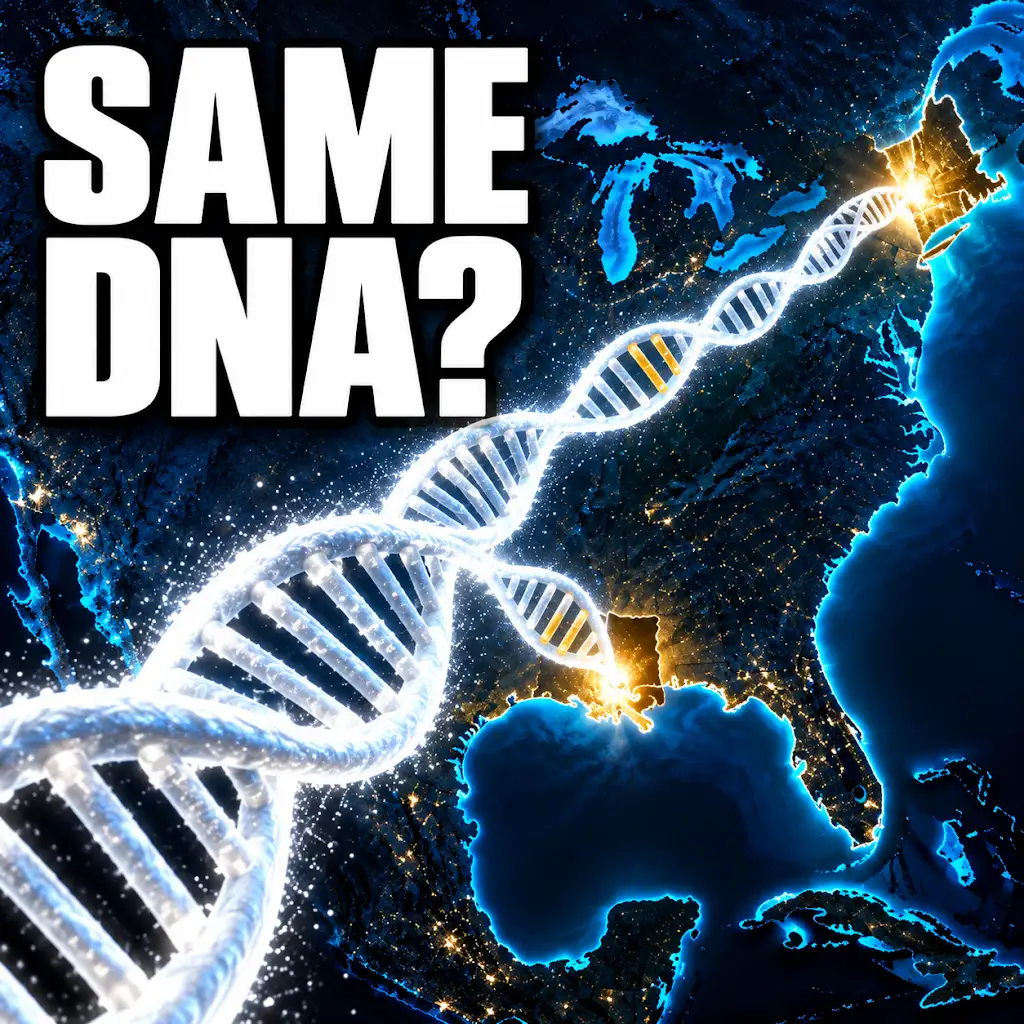
Cajun or French Canadian? The DNA Looked the Same—Until Researchers Looked Closer
FAQs
What is the focus of the Cajun Louisiana genetic history documentary?
The documentary explores the genetic history of Cajun Louisiana, tracing the ancestry and heritage of the Cajun people through DNA analysis and historical research.
How does the documentary approach the topic of Cajun Louisiana genetic history?
The documentary combines scientific analysis with personal stories and cultural insights to provide a comprehensive look at the genetic makeup and origins of the Cajun population in Louisiana.
Who are the experts involved in the Cajun Louisiana genetic history documentary?
The documentary features geneticists, historians, genealogists, and Cajun community members who share their knowledge and perspectives on the genetic history of Cajun Louisiana.
What are some of the key findings revealed in the Cajun Louisiana genetic history documentary?
Some key findings include the diverse ancestral roots of the Cajun people, connections to Acadian settlers, Native American influences, and the impact of historical events on the genetic composition of the population.
How can viewers access the Cajun Louisiana genetic history documentary?
The documentary is available for streaming on select platforms and may also be featured in film festivals, cultural events, and educational programs focusing on Cajun history and heritage.