So, you’re wondering how scientists figure out who’s related to whom in big groups of people, and why it matters? It all boils down to something called “Identity by Descent” (IBD) analysis. Think of it as a genetic fingerprinting system that helps us trace family lines and understand how populations have moved and mixed over time. It’s a powerful tool, not just for figuring out distant cousins, but for understanding the bigger picture of human history and health.
The Core Idea: What is Identity by Descent?
At its heart, IBD analysis is about looking at specific pieces of our DNA. When we inherit DNA from our parents, we get a mix of their genetic material. If two people share a common ancestor, they’re likely to have inherited the exact same stretch of DNA from that ancestor. That identical stretch is what we call “Identical by Descent.” It’s not just similar; it’s identical because it came from the same source.
How We Spot IBD Segments
Scientists don’t just eyeball DNA. They use sophisticated tools and databases. They look for long stretches of DNA that are identical between individuals. The longer the stretch, the more likely it is that it was inherited from a recent common ancestor. Imagine passing a book down through generations. If you and your cousin both have the same original copy of a specific chapter, that’s your IBD segment. The more chapters you share from that original book, the closer your genetic link.
Why “Descent” Matters
The “descent” part is crucial. It means the DNA segment wasn’t just independently generated to be similar; it was passed down from a shared ancestor. This distinguishes it from segments that might look alike by chance. Our genomes are long strings of information, and sometimes, by sheer probability, two unrelated individuals might have similar sequences. IBD analysis focuses on those inherited chunks that provide a clear signal of relatedness.
The Role of Statistical Models
It’s not always a straightforward “yes” or “no.” Statistical models play a big part in IBD analysis. They help researchers estimate the probability that a shared segment is truly IBD and not just a coincidence. These models take into account factors like the size of the segment, its location in the genome, and the overall genetic diversity of the populations being studied.
Identity by descent analysis is a fascinating area of study that explores how genetic information can reveal ancestral connections and heritage. A related article that delves into historical perspectives and the implications of mapping in understanding our lineage is available at this link: The Piri Reis Map Accuracy Debate. This article discusses the significance of the Piri Reis map and its role in shaping our understanding of historical navigation and geography, which can also influence how we perceive our own identities through the lens of ancestry.
Applications in Population Genetics: Mapping Our Past

IBD analysis is a goldmine for population geneticists. It allows them to reconstruct migration patterns, understand population structure, and even estimate when different groups diverged. By looking at IBD segments across many individuals within or between populations, researchers can paint a detailed picture of our ancestors’ journeys.
Tracing Migration Routes
When populations move, they carry their DNA with them. If a group migrates from one continent to another and then later splits into smaller groups, you might find shared IBD segments between individuals from those distant, now-separated groups. These shared segments act like breadcrumbs, showing where those ancestral populations came from and how they spread. For example, finding specific IBD patterns might suggest a historical movement of people across Eurasia or the peopling of the Americas.
Identity by descent analysis plays a crucial role in understanding the complexities of cultural and social dynamics, particularly in regions with rich historical backgrounds. For a deeper exploration of how these factors influence contemporary issues, you may find it insightful to read an article that delves into the intricacies of geopolitical relationships in the Middle East. This article discusses various challenges and opportunities that arise from the region’s diverse identities and can be accessed through this link: navigating Middle East geopolitics.
Understanding Population Structure and Admixture
Populations aren’t isolated islands. They often mix, or “admix,” over time. IBD analysis can reveal these admixture events by showing individuals with chunks of DNA that originated from different ancestral populations. This helps scientists understand the complex genetic tapestry of modern populations, showing how different groups have contributed to the gene pools we see today. It’s like figuring out the recipe for a complex dish by identifying the individual ingredients that were mixed in.
Estimating Divergence Times
IBD segments shrink over generations due to recombination (the shuffling of DNA during reproduction). By measuring the length and frequency of IBD segments between individuals or groups, researchers can estimate how long ago their common ancestors lived. Shorter, less frequent IBD segments generally indicate a more distant common ancestor, while longer, more frequent ones point to a more recent relationship. This is a powerful way to put dates on historical population splits.
IBD in Human Health: Beyond Ancestry

The insights from IBD analysis aren’t confined to historical curiosity; they have significant implications for understanding human health and disease. Shared DNA segments can reveal more than just ancient connections; they can highlight genetic predispositions and population-specific disease risks.
Identifying Disease-Causing Genes
When a disease is inherited, the genetic mutation causing it is also inherited. If a specific disease is more common in a particular population, it’s often because a founder ancestor carried that mutation. By looking for long IBD segments in individuals with a specific disease, researchers can narrow down the region of the genome where the disease-causing gene is likely located. This speeds up the process of identifying the responsible genes.
Studying Population-Specific Genetic Disorders
Some genetic disorders are rare globally but appear with higher frequency in certain ethnic or geographic groups. This is often due to historical bottleneck events or founder effects, where a small group with a specific mutation becomes the ancestor of a larger population. IBD analysis is key to understanding these patterns. By identifying shared IBD segments within these affected populations, scientists can pinpoint the genetic underpinnings of these disorders and potentially develop targeted screening or treatment strategies.
Understanding Susceptibility and Resistance
IBD analysis can also shed light on why some individuals or populations might be more susceptible or resistant to certain diseases. By comparing IBD patterns between healthy individuals and those affected by a disease within the same population, researchers can identify
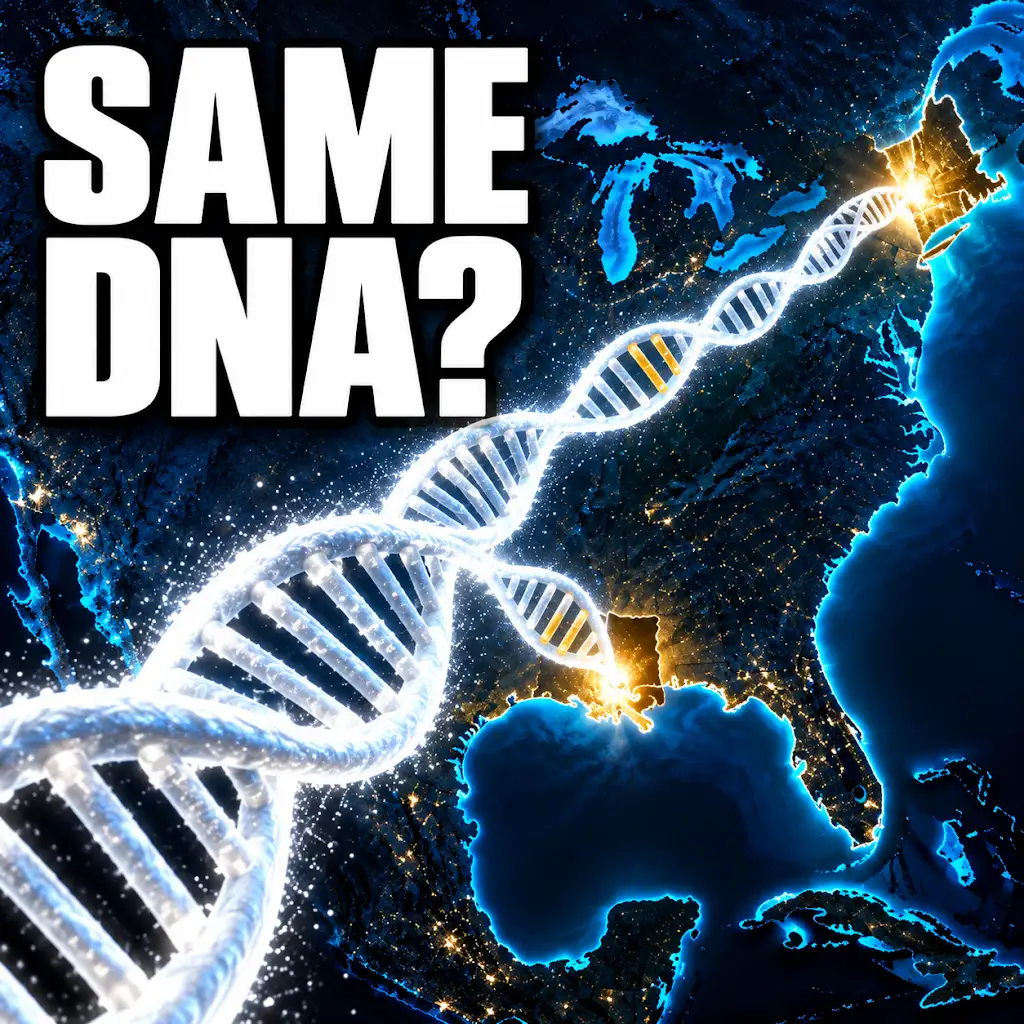
Cajun or French Canadian? The DNA Looked the Same—Until Researchers Looked Closer
FAQs
What is identity by descent analysis?
Identity by descent analysis is a method used in genetics to determine if two individuals share a common ancestor by examining their genetic data.
How is identity by descent analysis used in genealogy?
In genealogy, identity by descent analysis can help confirm relationships between individuals, identify common ancestors, and trace family lineages through shared genetic markers.
What are the benefits of identity by descent analysis in population genetics?
Identity by descent analysis in population genetics can provide insights into the genetic history of populations, migration patterns, and genetic diversity within a group.
What types of genetic markers are typically used in identity by descent analysis?
Single nucleotide polymorphisms (SNPs), short tandem repeats (STRs), and haplotypes are commonly used genetic markers in identity by descent analysis to compare genetic similarities between individuals.
How does identity by descent analysis differ from identity by state analysis?
Identity by descent analysis looks for shared genetic segments inherited from a common ancestor, while identity by state analysis focuses on shared genetic markers regardless of their ancestral origin.