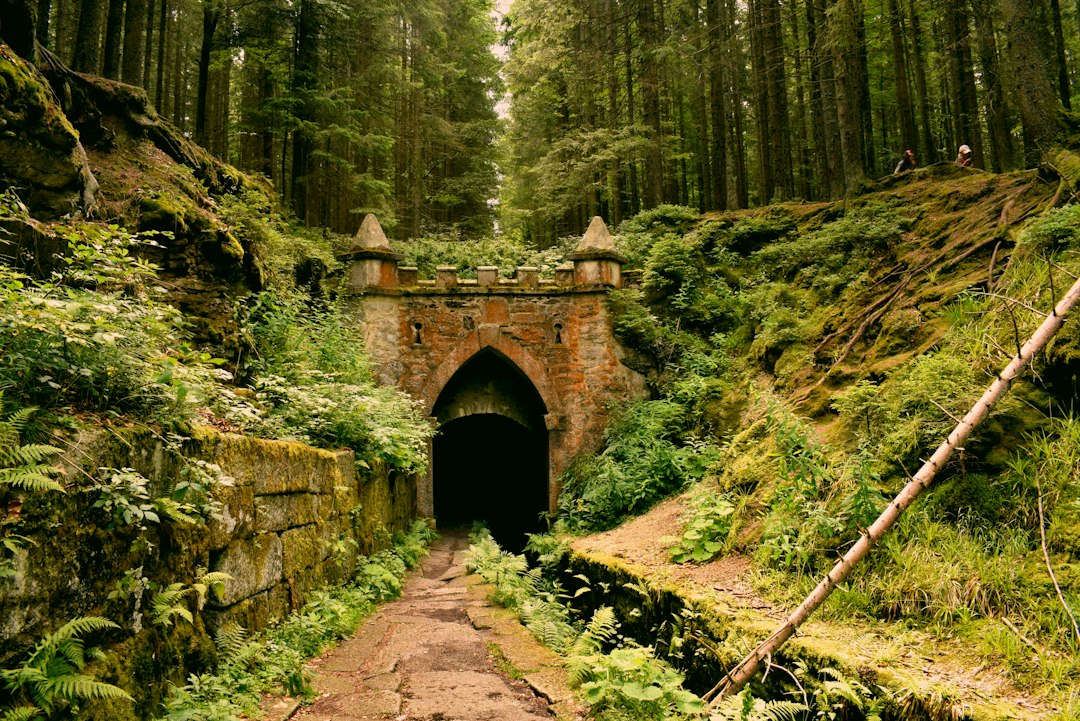
Beneath the bustling metropolises of the modern world lies a forgotten realm, a network of subterranean arteries that once pulsed with the lifeblood of civilizations. These ancient water tunnels, often concealed by centuries of urban development and neglect, represent a remarkable testament to human ingenuity and the enduring quest for reliable water resources. Their discovery not only rewrites chapters of architectural history but also offers profound insights into the social, economic, and environmental considerations of ancient societies. Unveiling these hidden histories is a journey into the past, a rediscovery of the foundational elements that allowed human settlements to flourish and grow.
Echoes of Ingenuity: The Engineering Marvels of Ancient Aqueducts
The construction of ancient water tunnels was no simple feat. It required a deep understanding of hydraulics, geology, and sophisticated surveying techniques, often achieved with rudimentary tools. These subterranean conduits were not merely ditches; they were meticulously engineered systems designed to transport water over considerable distances, defying gravity and navigating complex terrains. The scale of these projects, coupled with their longevity, speaks volumes about the advanced engineering capabilities of their creators.
The Quest for Flow: Principles of Hydraulic Design
At the heart of every ancient water tunnel lay a profound understanding of water flow. Engineers meticulously calculated gradients, ensuring a consistent, gentle slope that would propel water without excessive speed, which could lead to erosion, or stagnation, which could foster contamination. The gradient was often incredibly precise, sometimes as little as one foot of drop per thousand feet of horizontal distance. This subtle inclination was enough to harness the power of gravity, guiding water from its source, often distant springs or rivers, to urban centers. The materials used were also crucial. Waterproof mortar, often made from volcanic ash like pozzolana, was essential for lining the tunnels, preventing leakage and ensuring the purity of the water. These materials, tested by time, have proven remarkably durable, allowing many of these conduits to survive for millennia.
Navigating the Earth: Tunneling Techniques and Challenges
The physical act of excavating these tunnels was an immense undertaking. Using hand tools like picks, shovels, and chisels, laborers would painstakingly carve through rock and soil. In softer ground, timber supports were vital to prevent collapses. The process was often slow and dangerous, with the risk of cave-ins and the presence of noxious gases being constant threats. Ventilation was a critical consideration, and ingenious solutions were developed. Shafts were dug at regular intervals, serving multiple purposes: to remove excavated material, to provide access for construction and maintenance, and, crucially, to allow fresh air to circulate within the tunnels. These shafts, often hidden or disguised in later periods, are now key markers for archaeologists seeking to trace the routes of these ancient arteries. The sheer manpower involved, often comprising thousands of individuals, highlights the societal commitment to securing these vital water resources.
Hidden history often reveals fascinating insights into the engineering marvels of the past, such as the intricate water tunnels that once served vital purposes in ancient civilizations. For a deeper exploration of these remarkable structures and their significance, you can read the article on ancient engineering feats at Uncovering Ancient Engineering Marvels. This piece delves into the ingenuity behind these tunnels and how they shaped the societies that built them.
Cities Beneath the Surface: The Function and Purpose of Subterranean Waterways
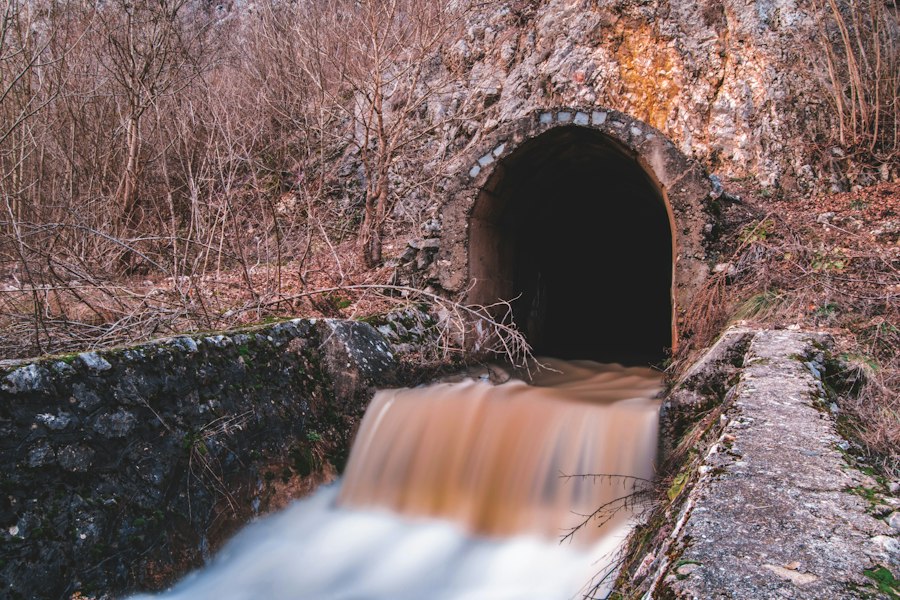
Ancient water tunnels were not merely conduits; they were integral components of urban infrastructure, serving a multitude of purposes that underpinned the survival and prosperity of ancient cities. From supplying drinking water to supporting sanitation systems and even facilitating agricultural irrigation, these hidden networks were essential to daily life. Their presence allowed for the growth of denser populations and the development of more complex societal structures.
The Lifeblood of the Metropolis: Supplying Potable Water
The primary function of most ancient water tunnels was to deliver clean, potable water to urban populations. In regions with unreliable surface water sources, or where these sources were prone to contamination, artificial systems were indispensable. These tunnels brought water from pristine springs, mountain reservoirs, or protected river intakes, bypassing the pollutants that often plagued urban environments. The water was then distributed through a network of smaller channels and reservoirs within the city, reaching public fountains, baths, and private homes. The quality and reliability of this water supply had a direct impact on public health, contributing to lower disease rates and a higher standard of living. The ability to reliably quench the thirst of thousands, or even millions, was a defining characteristic of a successful ancient city.
Beyond Drinking: Sanitation, Industry, and Agriculture
The utility of these water systems extended far beyond mere consumption. In many cases, they were integral to sophisticated sanitation networks. Used water, often channeled through separate or integrated systems, was directed away from living areas, preventing the spread of disease. This was particularly evident in Roman cities, where public baths and latrines were fed by aqueducts, and wastewater was managed through extensive sewer systems. Furthermore, water tunnels supported nascent industries. Mills powered by diverted water flow, workshops requiring water for their processes, and even early forms of hydraulic mining relied on these engineered waterways. In some arid or semi-arid regions, water tunnels were crucial for agricultural irrigation, allowing for the cultivation of crops in areas that would otherwise be infertile. This ensured food security and contributed to economic stability.
Traces in the Earth: Discovering and Documenting Hidden Networks
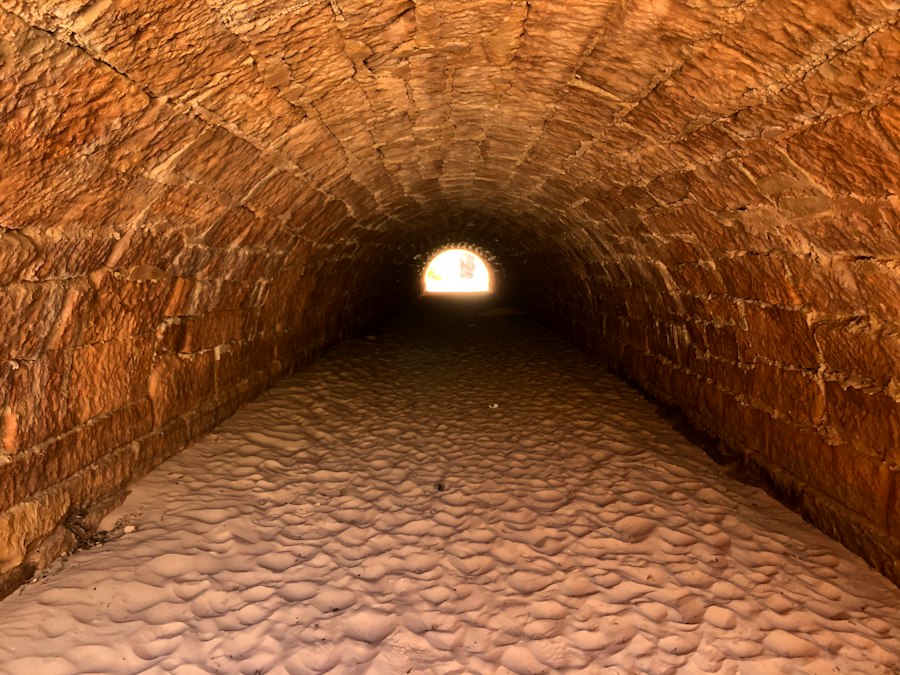
The rediscovery of these ancient water tunnels is an ongoing process, often initiated by chance or through meticulous archaeological investigation. These hidden remnants offer a tangible connection to the past, providing invaluable data for understanding ancient civilizations. Their preservation, and the knowledge gained from their study, is crucial for appreciating the full scope of human history.
Accidental Encounters: Serendipity in Urban Exploration
Many of these subterranean marvels are brought to light through urban development projects. Construction crews excavating for new buildings, subway lines, or utility infrastructure frequently unearth sections of ancient tunnels. These discoveries, though sometimes disruptive, offer unparalleled opportunities for archaeological study. A chance encounter with a stone-lined channel or a section of brickwork can lead to the painstaking process of tracing the entire network. Local historians and urban spelunkers also play a role, documenting and sometimes even exploring these forgotten passages, though safety and ethical considerations are paramount in such endeavors. These accidental discoveries serve as powerful reminders that beneath our modern facades lie the foundations of ancient ingenuity.
Archaeological Excavation: Piecing Together the Past
Systematic archaeological excavation is the primary method for uncovering and understanding these water systems. Teams of archaeologists employ a range of techniques, from ground-penetrating radar to traditional digging, to map out the extent and function of these tunnels. Detailed study of the construction materials, pottery shards found within the tunnels, and associated artifacts can help date the construction and identify the people who built and used them. Cross-sections of the tunnels reveal the layers of history, showing how they were built, modified, and eventually abandoned or repurposed. Each discovery adds another piece to the complex puzzle of ancient urban life, providing insights into the resources, technology, and social organization of these long-lost communities. The careful documentation of these findings is vital for their long-term preservation and for sharing this knowledge with the wider world.
Voices from the Past: The Cultural and Social Significance
Beyond their practical functions, ancient water tunnels held profound cultural and social significance. They were often imbued with religious meaning, associated with deities and rituals, and represented the collective effort and shared resources of a community. Their existence shaped the very fabric of urban life, influencing settlement patterns, public spaces, and the daily routines of citizens.
Sacred Flows: Water, Divinity, and Ritual
In many ancient cultures, water was considered a sacred element, vital for purification, fertility, and life itself. The ability to control and channel this precious resource was often attributed to divine intervention or seen as a gift from the gods. Many water sources, particularly springs, were considered sacred sites, and the tunnels that channeled their waters were often integrated into religious practices. Temples and religious complexes frequently had access to these purified water supplies, used for ritual ablutions and ceremonies. The engineering prowess required to bring water to cities was sometimes viewed with awe, leading to the deification of deities associated with water or engineering. Discoveries of votive offerings or inscriptions within or near tunnel entrances further illuminate the sacred dimension of these vital lifelines.
Shaping Urban Landscapes and Social Cohesion
The presence and distribution of water tunnels profoundly shaped the physical and social landscapes of ancient cities. The location of public fountains, bathhouses, and marketplaces often revolved around access to water. These communal spaces, fed by the aqueducts, became centers of social interaction, fostering a sense of community and civic pride. The shared responsibility for maintaining these vital systems, and the collective benefit they provided, could also contribute to social cohesion. The equitable distribution of water, or the perception of it, was crucial for maintaining social order. Conversely, control over water resources could also be a source of power and conflict. Studying the distribution networks provides insights into social hierarchies and the allocation of resources within ancient societies.
Exploring the fascinating topic of hidden history, one can uncover the intricate network of water tunnels that have shaped urban landscapes throughout the ages. These tunnels not only served practical purposes but also played significant roles in the development of cities. For those interested in the broader implications of historical infrastructure, a related article discusses the challenges faced by nations in preserving their cultural heritage amidst modern crises. You can read more about this pressing issue in the article on disappearing countries, which highlights the importance of safeguarding our history for future generations. Check it out here.
Legacy and Lessons: Preserving and Learning from Ancient Water Systems
| Tunnel Name | Location | Year Built | Length (meters) | Purpose | Historical Significance |
|---|---|---|---|---|---|
| Clifton Aqueduct Tunnel | England | 19th Century | 450 | Water Supply | Supplied water to industrial cities during the Industrial Revolution |
| Hezekiah’s Tunnel | Jerusalem, Israel | 8th Century BCE | 533 | Water Diversion | Protected Jerusalem’s water supply from siege |
| Subterranean Aqueduct of Naples | Naples, Italy | 1st Century BCE | 700 | Water Transport | Ancient Roman engineering marvel supplying water to the city |
| Edinburgh Vaults Water Tunnel | Edinburgh, Scotland | 18th Century | 300 | Drainage and Water Management | Part of the city’s hidden underground network for water and waste |
| Derinkuyu Underground Water System | Cappadocia, Turkey | Unknown, Ancient | Underground city spans 85 meters deep | Water Storage and Access | Provided water to underground city inhabitants during invasions |
The ancient water tunnels beneath our cities are not mere relics of the past; they are living lessons for the present and the future. Their enduring legacy offers invaluable insights into sustainable resource management, innovative engineering, and the profound connection between human civilization and its environment. Their preservation is not just an archaeological imperative but a responsibility to future generations.
A Blueprint for Sustainability: Lessons in Water Management
In an era of increasing water scarcity and climate change, the engineering and management principles employed by ancient civilizations hold remarkable relevance. Their ability to harness natural resources, implement efficient distribution systems, and prioritize water quality for public health offers a compelling blueprint for sustainable water management. By studying how they conserved water, minimized waste, and adapted to their environments, we can gain crucial insights for developing more resilient and equitable water solutions today. The long-term perspective offered by these ancient systems underscores the importance of investing in infrastructure that can withstand the test of time and environmental change. Their success in supporting dense populations for centuries without depleting their sources provides a powerful case study in ecological balance.
Modern Reverberations: Inspiration for Future Engineering
The ingenuity displayed in ancient water tunnels continues to inspire modern engineers and architects. The principles of gravity-fed systems, the innovative use of materials, and the sophisticated understanding of hydraulics remain foundational to contemporary water engineering. Furthermore, the rediscovery of these networks sparks imagination, encouraging the exploration of subterranean spaces and the potential for their modern adaptation. As cities continue to grow and face new challenges, understanding the historical context of urban infrastructure, particularly water systems, can provide creative solutions. The meticulous craftsmanship and long-lasting nature of these ancient structures serve as a constant reminder of the enduring power of thoughtful design and dedicated execution. Their existence challenges us to look beyond immediate needs and consider the legacy we leave for generations to come, a legacy built not just above ground, but also within the hidden depths of our shared history.
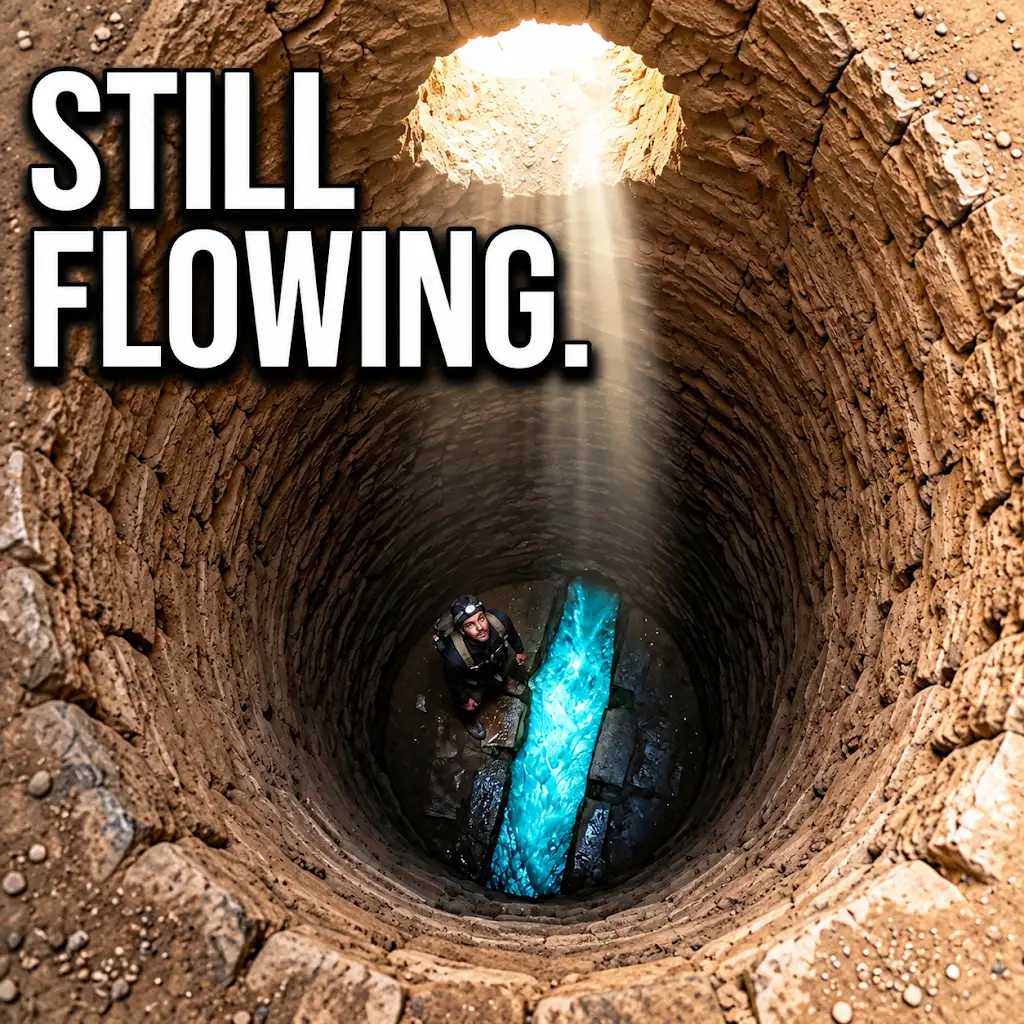
They Dug Water Tunnels Under the Desert… And They Still Flow
FAQs
What are water tunnels?
Water tunnels are underground passageways built to transport water from one location to another. They are commonly used to supply water to cities, towns, and other areas.
Why are water tunnels sometimes considered a hidden part of history?
Water tunnels are often hidden from view because they are located underground. Many water tunnels were built decades or even centuries ago and have been forgotten or overlooked by the general public.
What is the purpose of water tunnels in urban areas?
Water tunnels in urban areas serve the important function of supplying clean water to residents for drinking, sanitation, and other daily needs. They help ensure a reliable water supply for densely populated areas.
How are water tunnels constructed?
Water tunnels are typically constructed using tunnel boring machines or by drilling and blasting through rock and soil. The tunnels are lined with materials such as concrete to ensure stability and prevent leaks.
Are there any famous water tunnels with a significant historical impact?
Yes, there are several famous water tunnels with historical significance, such as the New York City Water Tunnel No. 3, which is one of the largest and most complex water supply tunnels in the world. It has been under construction for decades and plays a crucial role in supplying water to the city.