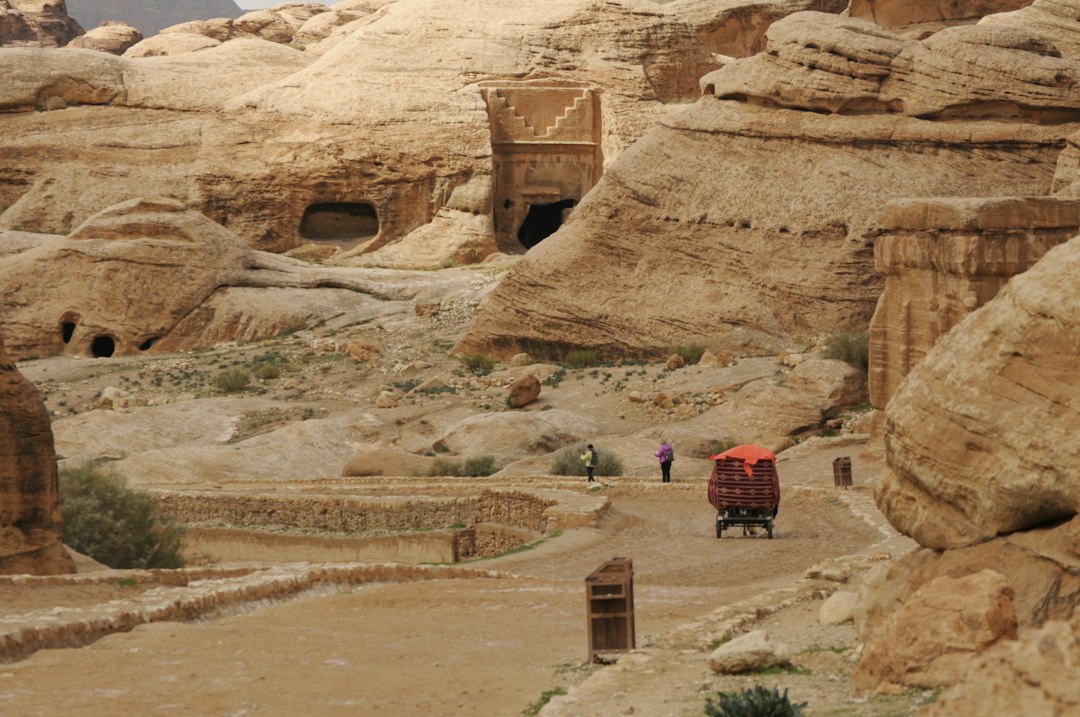
The relentless sun beat down on the vast expanse of ochre sand, a seemingly unbroken canvas stretching to a shimmering horizon. For centuries, this arid landscape has been synonymous with scarcity, a place where life clings precariously to existence, often dictated by the whims of infrequent rainfall. Yet, beneath this parched surface, a complex and ancient network lay hidden, a testament to human ingenuity and a vital artery for civilizations long past. The unveiling of these subterranean water channels beneath the desert sands is not merely an archaeological discovery; it is a profound revelation about the resilience and resourcefulness of early societies, their intricate understanding of hydrology, and their ability to transform seemingly impossible environments into habitable zones.
Whispers from the Deep: The Discovery and Initial Excavations
The journey to unearth these hidden marvels began not with grand expeditions, but with subtle clues, whispers from the land itself. Local folklore, often dismissed as myth, spoke of ancient pathways and hidden springs that sustained communities during prolonged droughts. These narratives, passed down through generations, provided the initial spark for a dedicated team of archaeologists and hydrologists who, armed with historical texts and rudimentary geological surveys, began to probe the desert’s secrets. Initial explorations were painstaking, focusing on areas with unusual geological formations or concentrations of ancient pottery shards that hinted at past human activity. The sheer scale of the undertaking was daunting. The desert, with its shifting sands and extreme temperatures, presented formidable challenges. Early excavations were largely conducted by hand, carefully clearing away centuries of accumulated sediment, each grain of sand a potential key to unlocking the past.
The Unearthing of the First Aqueduct Segment
The breakthrough came unexpectedly, during a survey of a remote plateau. A team, led by Dr. Anya Sharma, an experienced archaeologist specializing in ancient water management systems, identified a series of precisely cut stone blocks barely visible beneath a thin layer of sand. The sheer uniformity and deliberate placement of these blocks were undeniable indicators of artificial construction. As more sand was meticulously removed, the outline of a channel began to emerge. It was a moment of electrifying discovery, the culmination of years of research and persistent fieldwork. The initial segment revealed a remarkably engineered structure, featuring smooth, water-worn walls and a carefully calculated gradient. This was no natural formation; it was the work of skilled engineers.
Technological Advancements Facilitating Deeper Exploration
While traditional archaeological methods laid the groundwork, modern technology proved instrumental in pushing the boundaries of discovery. Ground-penetrating radar (GPR) allowed researchers to peer beneath the surface without invasive digging, identifying anomalies that suggested subterranean voids or constructed channels. Satellite imagery, coupled with advanced spatial analysis, helped map potential routes and identify areas of interest based on subtle topographical changes that might indicate buried structures. Drones equipped with thermal imaging cameras were also employed, detecting temperature differences in the sand that could signal the presence of cooler, moisture-laden tunnels below. These technological tools, when combined with meticulous on-the-ground observation, enabled the team to move beyond guesswork and target their excavations with unprecedented precision, allowing them to delve deeper into the desert’s hidden aquatic infrastructure.
In exploring the fascinating topic of hidden water tunnels in deserts, one can draw connections to broader themes of resource management and economic stability in arid regions. A related article that delves into potential future challenges is titled “2025 Worst Case Economic Scenarios Unveiled,” which discusses various economic threats that could arise from environmental factors, including water scarcity. For more insights, you can read the article here: 2025 Worst Case Economic Scenarios Unveiled.
Architects of the Arid: Engineering and Hydrology of Ancient Systems
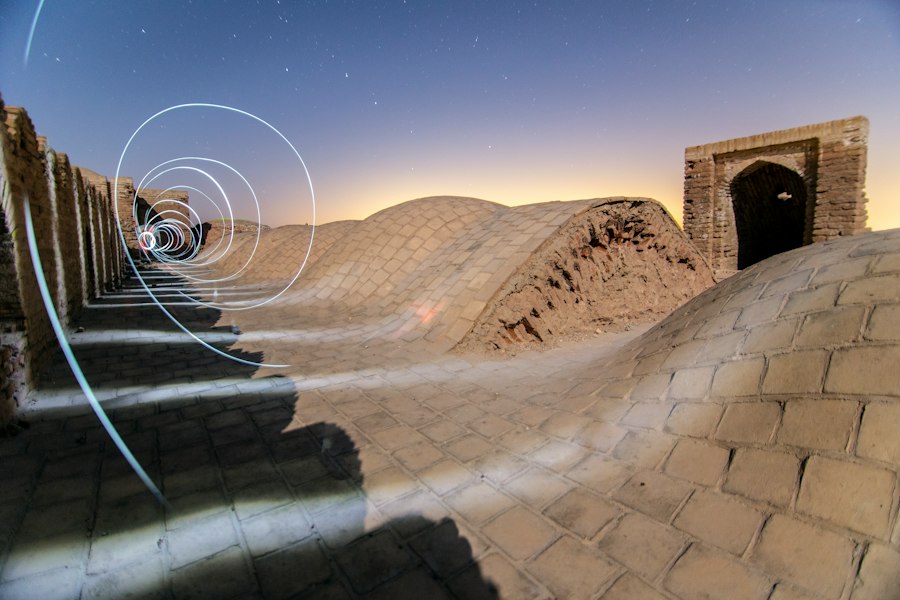
The ingenuity of the ancient peoples who constructed these water tunnels is truly astounding. Their understanding of hydrology, geology, and engineering principles, developed without the benefit of modern scientific instruments, allowed them to harness the scarce water resources of the desert and create sustainable lifelines. These were not crude ditches, but sophisticated systems designed for longevity and efficiency, demonstrating a profound respect for the delicate balance of their environment. The sheer effort involved in their construction, often through solid rock or compacted earth, speaks volumes about the vital importance of water to their survival and prosperity.
The Art of Gradient and Flow Control
A critical aspect of these ancient water systems was their precise gradient. The engineers meticulously calculated the slope of the tunnels to ensure a steady flow of water without excessive erosion or stagnation. This was achieved through a combination of careful surveying, often using simple but effective tools like water levels and plumb bobs, and an intuitive understanding of how water behaves. In some instances, evidence of small, strategically placed weirs or dams within the tunnels suggests an attempt to regulate flow, perhaps to control velocity or to create small reservoirs for distribution. The careful shaping of the tunnel interiors, often lined with precisely fitted stones, minimized water loss through seepage and prevented the ingress of sand.
Material Selection and Construction Techniques
The choice of materials and construction techniques varied depending on the local geology and the available resources. In some areas, tunnels were carved directly into bedrock, utilizing the natural stability of the stone. Elsewhere, elaborate constructions of fired bricks, mortared stone, and even compacted earth were employed. The consistency of the construction methods across vast distances suggests a transfer of knowledge and standardized engineering practices. The sheer scale of labor required for these projects, involving the excavation and transport of immense quantities of material, points to a highly organized society with a strong central authority or a deeply ingrained communal commitment to water management. The durability of these structures, many of which have withstood millennia of seismic activity and environmental change, is a testament to the quality of their craftsmanship.
The Role of Ventilation and Access Shafts
A surprising and crucial element of these subterranean networks was the inclusion of ventilation and access shafts. These vertical openings, often ingeniously disguised within the desert landscape, served multiple vital purposes. They provided fresh air for laborers working within the tunnels, preventing suffocation. They also allowed for regular inspection and maintenance, enabling workers to clear blockages and repair damage. Furthermore, these shafts facilitated the extraction of excavated material and the delivery of supplies. The strategic placement of these shafts, often at regular intervals, suggests a sophisticated understanding of airflow dynamics and the logistical complexities of maintaining such extensive underground infrastructure.
Rivers Beneath the Sand: The Function and Impact of the Tunnels
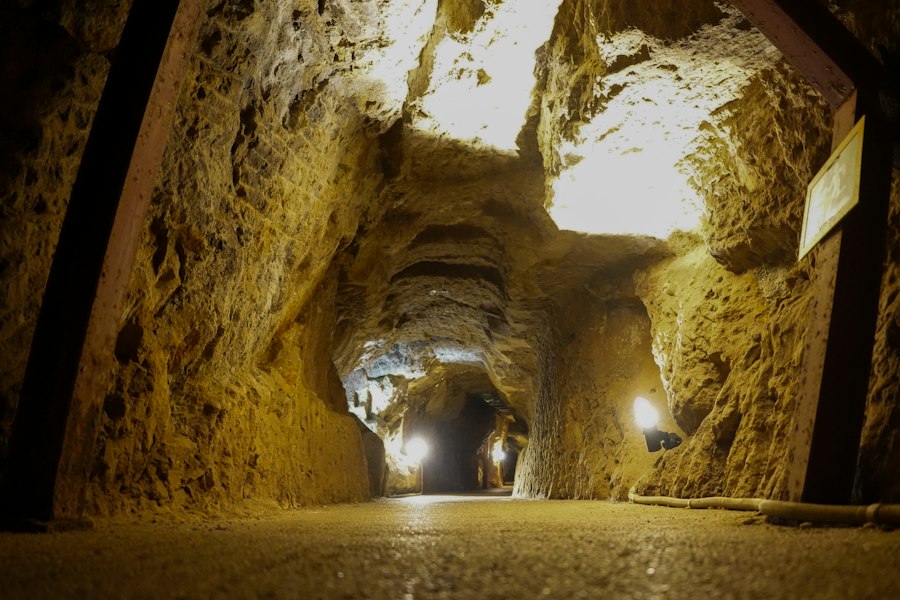
These hidden water channels were far more than mere engineering feats; they were the lifeblood of ancient desert civilizations. They provided a reliable and continuous source of water, transforming arid landscapes into arable land and supporting thriving communities. The impact of these systems extended beyond mere survival, fostering agricultural development, enabling trade, and contributing to the cultural and economic prosperity of the region. Understanding their function is key to appreciating the sophisticated societies that built and relied upon them.
Sustaining Agriculture in an Unforgiving Climate
The primary function of these tunnels was undoubtedly to transport water from more humid highland areas or from deep underground aquifers to arid plains and valleys. This water was then used to irrigate crops, allowing for the cultivation of essential food staples like grains, fruits, and vegetables. The presence of these systems directly correlates with the locations of ancient settlements and agricultural terraces, demonstrating their pivotal role in food security. Without this managed water supply, sustained agriculture in such a harsh environment would have been impossible, severely limiting population growth and societal development. The ability to consistently produce food fostered stability and allowed for the development of specialized labor, leading to advancements in other fields.
Connecting Settlements and Facilitating Trade Routes
Beyond irrigation, the water tunnels often served as vital arteries connecting disparate settlements. The flowing water, visible at distribution points or even within some urban areas, fostered a sense of community and facilitated communication. Furthermore, the routes of these water systems often mirrored or intersected with ancient trade routes. The presence of reliable water sources along these routes was crucial for travelers and merchants, enabling the transport of goods across vast distances. In some cases, the tunnels themselves may have even provided sheltered pathways, protecting caravans from the harsh desert elements. This interconnectedness fostered economic growth and cultural exchange, shaping the geopolitical landscape of the region.
The Social and Economic Ramifications
The control and management of water resources through these sophisticated tunnel systems had profound social and economic ramifications. Societies that could effectively harness and distribute water gained a significant advantage, leading to increased agricultural output, population growth, and the development of complex social hierarchies. The engineering and maintenance of these systems likely required significant organized labor, fostering cooperation and specialized roles within society. Access to water could have become a source of power and influence, shaping political structures and social dynamics. The economic prosperity derived from a stable water supply allowed for the accumulation of wealth, supporting further infrastructure development, artistic endeavors, and the flourishing of cultural practices.
Echoes of the Past: Archaeological Insights and Ongoing Research
The exploration and study of these subterranean water tunnels are ongoing, with each new discovery offering fresh insights into the lives, technologies, and beliefs of the ancient peoples who constructed them. Archaeologists continue to meticulously excavate, document, and analyze these structures, employing a multidisciplinary approach that draws on geology, anthropology, and conservation science. The research not only sheds light on past civilizations but also offers valuable lessons for modern water management strategies in arid regions.
Deciphering the Purpose of Specialized Chambers
As excavations progress, archaeologists are uncovering specialized chambers and features within the tunnel networks that hint at a broader range of functions beyond simple water conveyance. These include what appear to be sedimentation basins, designed to filter out debris and sediment before water reached its destination, ensuring its purity. In other areas, larger caverns have been found, their purpose debated – perhaps serving as emergency reservoirs, ritualistic spaces, or even as places for clandestine meetings. The intricate carvings and decorative elements found in some of these chambers suggest a symbolic or spiritual significance associated with water, a vital life-giving element in the harsh desert environment.
Evidence of Social Organization and Labor Management
The sheer scale and complexity of these water systems provide irrefutable evidence of advanced social organization and sophisticated labor management. The construction and maintenance of such extensive networks would have required a coordinated effort involving thousands of individuals over extended periods. Archaeological analysis of associated settlements reveals evidence of specialized craftsmanship, quarrying operations, and the logistical infrastructure needed to support a large workforce. The distribution of resources and the management of water access likely played a significant role in shaping the social structure, with clear indications of leadership and centralized planning.
Comparative Studies and Global Relevance
The discovery and study of these desert water tunnels are not isolated events. Similar ancient water management systems have been found in other arid regions across the globe, from the qanats of Persia to the ancient Roman aqueducts. Comparative studies of these various systems offer a broader understanding of human ingenuity in adapting to challenging environments. By comparing construction techniques, hydrological principles, and social implications, researchers can identify universal principles of sustainable water management that may hold valuable lessons for contemporary challenges in water scarcity and climate change adaptation. The enduring legacy of these ancient engineers serves as a powerful reminder of humanity’s capacity for innovation and resilience.
Exploring the fascinating world of hidden water tunnels in the desert reveals not only the ingenuity of ancient civilizations but also the critical role these structures play in environmental sustainability. For a deeper understanding of how such innovations can impact communities, you might find it interesting to read about the broader implications of environmental migration in this insightful article on the subject. Discover more about this topic by visiting environmental migration and its effects on communities.
Lessons for the Future: Sustainability and Modern Applications
| Metric | Description | Value | Unit |
|---|---|---|---|
| Length of Tunnel | Average length of hidden water tunnels in desert regions | 10-70 | kilometers |
| Water Flow Rate | Typical flow rate of water through desert tunnels | 0.5-3 | cubic meters per second |
| Construction Era | Historical period when many tunnels were built | 1000 BCE – 1000 CE | years |
| Number of Tunnels | Estimated number of hidden water tunnels in major desert regions | 1000+ | count |
| Water Source | Primary source feeding the tunnels | Mountain aquifers | n/a |
| Purpose | Main use of the tunnels | Irrigation and drinking water supply | n/a |
| Evaporation Loss | Water loss due to evaporation in open desert channels vs tunnels | Reduced by 90% | percentage |
The unveiling of these hidden water tunnels offers more than just a glimpse into the past; it provides critical lessons for the present and future. The sustainable practices employed by ancient civilizations in managing water in arid environments are remarkably relevant today, offering potential solutions to contemporary water scarcity challenges and inspiring innovative approaches to resource management. Their understanding of conservation, efficiency, and integrated systems serves as a valuable blueprint for modern endeavors.
Inspiration for Modern Water Harvesting and Conservation
The principles behind these ancient water tunnels – channeling, filtering, and distributing scarce resources efficiently – offer direct inspiration for modern water harvesting and conservation techniques. While modern technology allows for more sophisticated methods, the fundamental approach of understanding and respecting natural water cycles remains paramount. Concepts like subsurface dams, rainwater harvesting systems that mimic natural infiltration, and the development of water-efficient irrigation techniques can draw valuable insights from these ancient designs. The emphasis on minimizing evaporation and maximizing the use of every drop of water is a lesson that resonates deeply in an era of increasing water stress.
Challenges of Preservation and Management
The preservation of these invaluable archaeological sites presents significant challenges. The delicate balance of the desert environment, coupled with the ravages of time and the pressures of modern development, threatens their integrity. Protecting these ancient marvels from erosion, vandalism, and unregulated tourism requires careful planning, international cooperation, and the implementation of robust conservation strategies. The ongoing research into these tunnels also necessitates careful management to ensure that archaeological work is conducted responsibly, minimizing any potential impact on the sites themselves. Educating local communities and the wider public about the importance of these heritage sites is crucial for their long-term survival.
The Enduring Legacy of Ingenuity
Ultimately, the story of these hidden water tunnels is a testament to the enduring legacy of human ingenuity. It highlights our capacity to adapt, innovate, and thrive even in the most challenging circumstances. By unearthing and understanding these ancient systems, we gain not only a deeper appreciation for the civilizations that preceded us but also a renewed sense of optimism and a practical guide for navigating the complex water challenges of the 21st century. The whispers from the deep have become a powerful chorus, reminding us that solutions to our most pressing problems can often be found by looking to the wisdom of the past. The desert, once perceived as a symbol of barrenness, is now revealed as a landscape rich with history, innovation, and a profound understanding of the life-giving power of water.
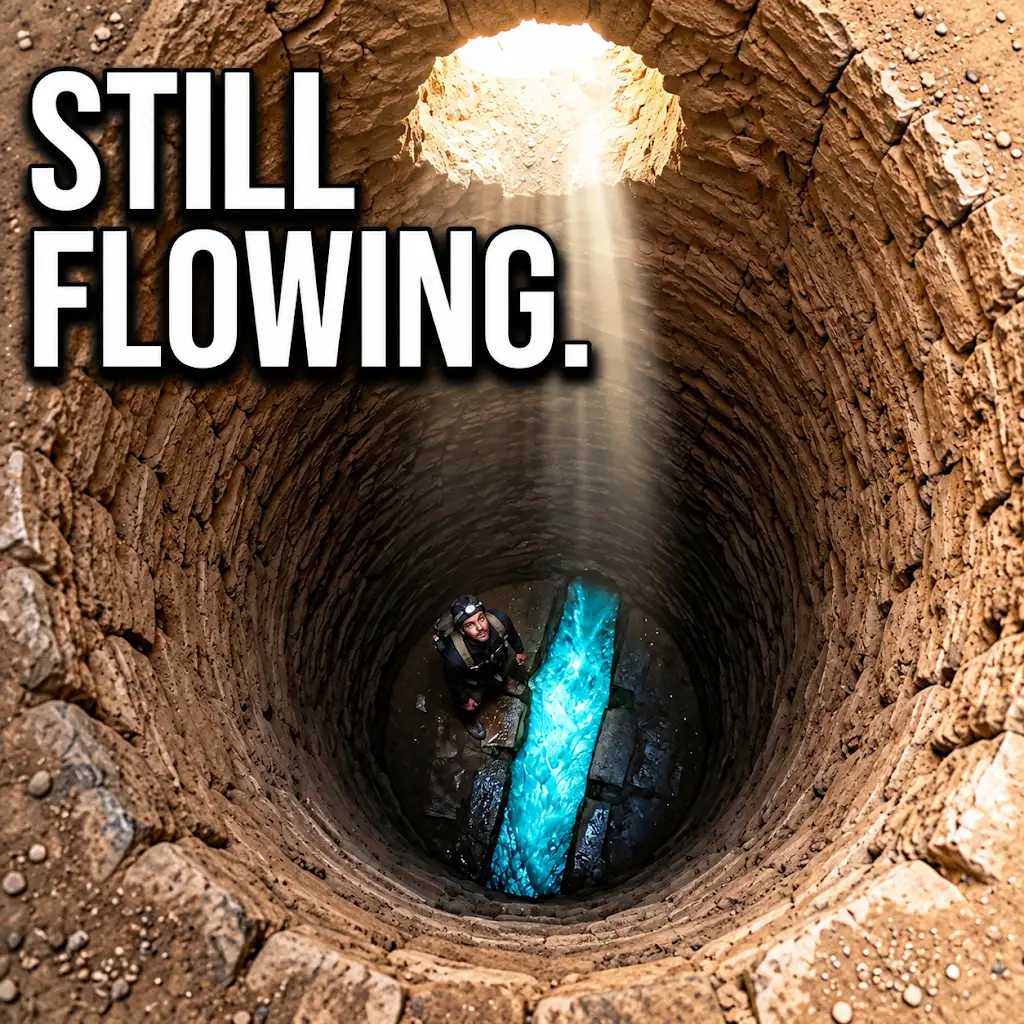
They Dug Water Tunnels Under the Desert… And They Still Flow
FAQs
What are hidden water tunnels in the desert?
Hidden water tunnels in the desert are underground passages or channels that carry water beneath the surface of arid regions, providing a means for water to flow and be stored in areas where surface water is scarce.
How are hidden water tunnels in the desert formed?
Hidden water tunnels in the desert are often formed through natural processes such as erosion, the movement of underground water sources, or the shifting of sediment over time. Some tunnels may also be man-made, created for irrigation or water storage purposes.
Where are hidden water tunnels in the desert typically found?
Hidden water tunnels in the desert can be found in various locations around the world, including regions with arid climates such as deserts, dry valleys, and semi-arid landscapes. These tunnels may exist in remote areas or be part of ancient water management systems.
What is the significance of hidden water tunnels in the desert?
Hidden water tunnels in the desert play a crucial role in water conservation and management, allowing for the storage and transportation of water in regions where surface water sources are limited. They can also support ecosystems and human settlements by providing access to water resources.
Are hidden water tunnels in the desert accessible to the public?
In some cases, hidden water tunnels in the desert may be accessible to the public for exploration or research purposes. However, many tunnels are located in remote or protected areas and may be difficult to access without proper authorization or guidance due to safety concerns or environmental sensitivity.