## Unveiling Ancestry: The Molecular Detective Work Behind Historical Figures
For centuries, the lives and lineage of prominent historical figures have been subjects of endless fascination and scholarly debate. Accounts of parentage, migration patterns, and even racial or ethnic background have often been pieced together through fragmented written records, oral traditions, and archaeological findings. These sources, while invaluable, are inherently prone to bias, misinterpretation, and the simple passage of time that erodes certainty. However, a revolutionary shift is underway, driven by the remarkable advancements in DNA analysis. This powerful scientific discipline is now moving beyond the realm of forensic science and into the hallowed halls of history, offering unprecedented insights into the origins and familial connections of individuals whose names echo through the ages. From pharaohs to presidents, from artists to explorers, genetic analysis is acting as a molecular detective, sifting through the subtle clues left within ancient bones and preserved tissues to reveal truths previously shrouded in mystery. This article delves into the transformative impact of DNA analysis on our understanding of historical figures, exploring how this technology is not merely confirming existing theories but often upending them, rewriting genealogical charts, and adding crucial layers of context to our comprehension of the past.
## The Silent Witnesses: Preserving the Genetic Legacy
The ability to extract and analyze ancient DNA (aDNA) is the cornerstone of this historical revolution. Unlike modern DNA, which is relatively abundant and intact, aDNA is notoriously difficult to recover and study. It is subject to degradation over time, fragmented by environmental factors like heat, humidity, and microbial activity, and often contaminated by modern DNA from excavators and researchers. Nevertheless, through meticulous extraction techniques and highly sensitive amplification methods, scientists are now capable of retrieving usable genetic material from remains that are hundreds, even thousands, of years old. The preservation of this genetic material is a crucial first step, and the types of remains that yield the best results are varied and often surprising.
### The Unearthing of Ancient Clues
The journey of aDNA analysis begins long before it reaches the laboratory. Archaeological excavation plays a pivotal role, with careful methodology being paramount. Sites that offer protection from the elements, such as dry caves, frozen environments, or sealed tombs, are particularly rich sources of preserved remains. The skeletal remains, teeth, and even hair follicles can contain cellular material from which DNA can be extracted. The discovery of intact burials, especially those of high-profile individuals, offers the most compelling opportunities. For instance, the exhumation of royal tombs, conducted with stringent protocols to prevent contamination, has provided invaluable samples for genetic study. The identification of individuals through historical context, such as unique burial artifacts or inscriptions, further enhances the value of these genetic samples, allowing for direct correlation between genetic findings and known historical figures.
### The Challenges of Ancient DNA Extraction
The process of extracting DNA from ancient specimens is a delicate and intricate dance with the passage of time. The fragmented nature of aDNA requires specialized techniques to isolate and purify the limited genetic material present. Environmental degradation, caused by factors like ultraviolet radiation, oxidation, and microbial decomposition, breaks down the DNA into short pieces and alters its chemical structure. Furthermore, contamination with modern human DNA is a constant threat. Laboratory environments themselves are saturated with modern DNA from researchers and equipment. To mitigate this, strict cleanroom protocols are implemented, often involving specialized suits, filtered air, and dedicated workspaces for ancient DNA work. Even then, meticulous analysis and careful interpretation are required to distinguish authentic ancient sequences from contaminating modern ones. The development of sophisticated bioinformatics tools is crucial in this phase, allowing for the filtering of contaminant DNA and the reconstruction of fragmented ancient genomes.
Recent advancements in DNA analysis have opened new avenues for understanding historical figures, shedding light on their lineage and origins. For instance, the study of the Piri Reis map has led researchers to explore the historical context and potential connections to various civilizations. An insightful article on this topic can be found at Uncovering the Source Documents of the Piri Reis Map, which delves into the significance of this ancient map and its implications for our understanding of history.
## Decoding the Blueprint: Advances in Genetic Sequencing and Analysis
Once a viable sample of ancient DNA is obtained, the next critical phase involves decoding the genetic blueprint it represents. This has been made possible by remarkable advancements in DNA sequencing technologies, which have become exponentially faster, more accurate, and significantly less expensive over the past few decades. The sheer volume of genetic data that can now be generated has opened up a new era of genealogical and historical research.
### The Revolution in Sequencing Technologies
The advent of Next-Generation Sequencing (NGS) has been a game-changer for aDNA research. Unlike older Sanger sequencing methods that were slow and costly, NGS platforms can sequence millions of DNA fragments simultaneously, allowing for the rapid assembly of entire genomes, even from degraded and low-quantity samples. This technology has enabled scientists to not only identify individual genetic markers but also to reconstruct comprehensive ancestral lineages. The ability to perform whole-genome sequencing on ancient samples provides a much richer dataset, revealing not just immediate family relationships but also broader migratory patterns and population genetics. This has allowed for the reconstruction of entire ancient genomes, offering a comprehensive picture of an individual’s genetic heritage.
### Interpreting the Genetic Narrative
Decoding the genetic sequence is only part of the story. The true power lies in the interpretation of this data. Scientists use sophisticated computational tools and databases to compare ancient DNA sequences with modern and historical genetic profiles. This comparative analysis allows for the identification of genetic relationships, such as parent-child, sibling, or cousin connections, and can even reveal distant ancestral links. Furthermore, by analyzing specific genetic markers associated with physical traits, disease predispositions, or geographical origins, researchers can infer characteristics about the individual and their ancestral populations. The interpretation of these genetic narratives is an ongoing process, with new discoveries constantly refining our understanding of human history and migration.
## Case Studies: Illuminating the Lives of Legendary Figures
The application of DNA analysis to historical figures has yielded some of the most captivating and revelatory insights in recent years. These case studies underscore the transformative power of genetic science in unearthing truths that were previously obscured by the mists of time and the limitations of historical documentation.
### The Mystery of the Romanovs
One of the most poignant and historically significant applications of DNA analysis involved the remains of the Russian Imperial family, the Romanovs. Following the Bolshevik Revolution in 1917, Tsar Nicholas II, his wife Alexandra, and their five children were executed and their bodies believed to be disposed of in a mass grave. For decades, the exact fate of the family remained a subject of intense speculation and debate, with various individuals claiming to be surviving members. In the 1970s, the supposed remains of the Imperial family were discovered, and in the late 1990s, a comprehensive DNA analysis was undertaken. By comparing the DNA from these remains with that of living relatives, such as Prince Philip, the Duke of Edinburgh (a descendant of Nicholas II’s sister), scientists were able to definitively identify the remains of the Tsar, Tsarina, and three of their children. The subsequent discovery and identification of the remains of the remaining two children in 2007 further solidified these findings. This genetic authentication provided a somber and definitive closure to a long-standing historical mystery, confirming the tragic end of the Romanov dynasty.
### Unraveling the Ancestry of Famous Europeans
Beyond the Romanovs, DNA analysis has shed light on the lineage of numerous other notable European figures. Investigations into the remains of figures like Wolfgang Amadeus Mozart, the musical prodigy, have sought to clarify familial connections and even investigate potential genetic predispositions. While conclusive identification has been challenging due to the fragmented nature of available samples, ongoing research continues to refine our understanding of his genetic heritage. Similarly, the tomb of William Shakespeare has been a subject of interest, with efforts to obtain DNA samples to verify his identity and potentially shed light on his familial lines. The analysis of ancient European populations, including those of Viking explorers and early medieval royalty, has also provided crucial insights into migration patterns and the genetic makeup of these influential groups. These studies, while sometimes yielding ambiguous results, consistently contribute to a more nuanced understanding of European history and the genetic tapestry that binds its peoples.
### Exploring African and Asian Dynasties
The impact of DNA analysis extends far beyond the European continent. In Africa, investigations into the mummy of a young boy, believed to be Tutankhamun’s father Akhenaten, have provided insights into the Amarna period of ancient Egypt. While highly controversial and met with ethical debates, these studies have aimed to elucidate the complex familial relationships within the royal line, suggesting potential inbreeding and uncovering genetic links to other ancient Egyptian populations. In Asia, the analysis of remains attributed to figures like Genghis Khan, the formidable Mongol emperor, has been undertaken to trace his paternal lineage and understand the vast genetic influence he exerted across Eurasia. Such studies have revealed the widespread dissemination of specific Y-chromosome lineages, linking his descendants to a significant portion of the modern Asian population. These efforts, while often fraught with challenges related to sample preservation and cultural sensitivities, are crucial for reconstructing the genetic histories of some of the world’s most influential dynasties.
## Ethical Considerations and Future Directions
While the scientific insights gained from DNA analysis of historical figures are undeniably profound, the application of this technology is not without its ethical considerations. As the field continues to advance, careful navigation of these issues will be paramount to ensure responsible and respectful research.
### Navigating the Labyrinth of Ethics and Consent
The study of ancient human remains raises complex ethical questions. When dealing with individuals who lived centuries or millennia ago, obtaining consent for genetic analysis is, of course, impossible. This places a significant responsibility on researchers to conduct their work with the utmost respect for the deceased and their descendants, if any can be identified. Issues of ownership of human remains, repatriation, and the potential for genetic data to be used to reinforce existing societal biases are all critical concerns. The scientific community is increasingly engaging in dialogue with descendant communities and indigenous groups to establish guidelines and best practices for the ethical handling of ancient DNA. Transparency in research methods and the open sharing of findings are crucial steps in fostering trust and ensuring that these studies benefit humanity as a whole, rather than causing further harm or exploitation.
### The Evolving Landscape of Historical Genomics
The future of DNA analysis in historical research is incredibly promising. As sequencing technologies continue to improve and our understanding of ancient genomes deepens, we can anticipate even more groundbreaking discoveries. The ability to analyze epigenetics, the study of how gene expression can be influenced by environmental factors, could offer new insights into the lifestyles and health of historical figures. Furthermore, the integration of paleogenomic data with archaeological and textual evidence will provide a more holistic and nuanced understanding of past societies. The ongoing development of more sophisticated computational tools will enable scientists to analyze increasingly complex datasets, potentially unlocking new familial connections and migratory routes that are currently beyond our reach. The field of historical genomics is not merely rewriting the past; it is actively shaping how we understand human history and our place within it.
Recent advancements in DNA analysis have opened new avenues for understanding historical figures, shedding light on their lineage and health. For those interested in the intersection of technology and history, a fascinating article discusses the implications of securing commercial satellites and defending against cyber attacks, which can also relate to the preservation of historical data. You can read more about this topic in the article here. This exploration not only highlights the importance of protecting our digital heritage but also emphasizes how modern technology can enhance our understanding of the past.
## Beyond Genealogy: Broader Historical Implications
| Historical Figure | Year of DNA Analysis | Type of Sample | Key Findings | Research Institution |
|---|---|---|---|---|
| King Tutankhamun | 2010 | Mummy Bone and Teeth | Confirmed familial relationships; identified malaria infection | University of Cairo |
| Richard III | 2013 | Skeleton Remains | Confirmed identity; mitochondrial DNA matched living descendants | University of Leicester |
| Ötzi the Iceman | 2012 | Frozen Body Tissue | Genome sequenced; identified predisposition to heart disease | EURAC Institute for Mummies and the Iceman |
| Thomas Jefferson | 1998 | Descendant DNA Comparison | Confirmed paternity of Sally Hemings’ children | University of Leicester |
| Napoleon Bonaparte | 2000 | Hair Samples | Detected high levels of arsenic; debated cause of death | French National Institute of Health |
The impact of DNA analysis on historical figures extends far beyond mere genealogical charting. These genetic insights have the potential to fundamentally alter our understanding of key historical narratives, shedding new light on societal structures, disease patterns, and the very concept of identity in the past.
### Reconstructing Ancient Lifestyles and Health
The genetic information gleaned from historical remains can offer a unique window into the lifestyles and health of past populations. By analyzing specific genes, researchers can infer predispositions to certain diseases, shedding light on the prevalence and impact of various ailments throughout history. For example, genetic markers associated with lactose intolerance or specific dietary adaptations can reveal information about the diets and agricultural practices of ancient peoples. Furthermore, the presence of pathogens in ancient DNA can provide direct evidence of historical epidemics and pandemics, offering insights into their origins, spread, and the biological challenges faced by our ancestors. This information can supplement and, in some cases, challenge existing historical accounts of disease and public health.
### Challenging Perceptions of Identity and Belonging
Perhaps one of the most profound implications of DNA analysis in historical research is its ability to challenge and redefine our understanding of identity and belonging in the past. For centuries, historical narratives have often been shaped by assumptions about race, ethnicity, and nationality. Genetic analysis, by revealing the complex and often surprising ancestral origins of historical figures, can dismantle these preconceived notions. For instance, genetic studies have shown that individuals previously thought to be of a single ethnic background possessed a diverse range of ancestries, reflecting the fluid and interconnected nature of human populations throughout history. This can lead to a re-evaluation of established historical narratives and a more inclusive understanding of the past, demonstrating that the lines between different groups were often far more blurred than previously imagined. The very concept of “who” a historical figure was, based on their genetic makeup, can be a powerful tool in understanding the social and cultural contexts in which they lived. This deeper understanding of our shared human heritage, revealed through the silent language of our genes, offers a compelling perspective on the continuity and evolution of human societies across time.
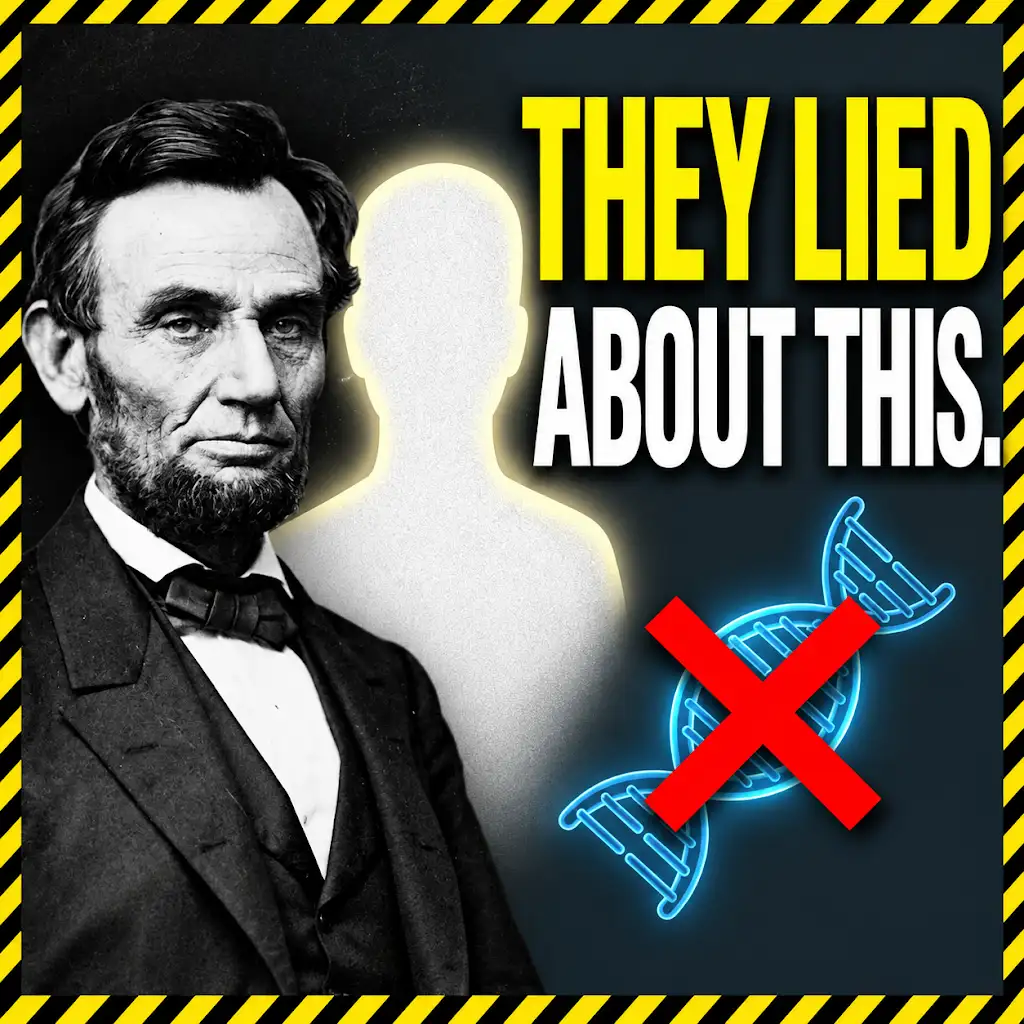
The Lincoln DNA Study: Why the Internet is Wrong
FAQs
1. Can DNA analysis accurately determine the ancestry of historical figures?
Yes, DNA analysis can provide valuable insights into the ancestry of historical figures by comparing their DNA with modern populations and archaeological samples.
2. What are some challenges in conducting DNA analysis on historical figures?
Challenges include obtaining well-preserved DNA samples, avoiding contamination, and interpreting results in the context of historical records and genealogies.
3. How has DNA analysis impacted our understanding of historical figures?
DNA analysis has helped confirm or refute existing theories about the origins and relationships of historical figures, shedding new light on their lives and histories.
4. What techniques are used in DNA analysis of historical figures?
Techniques such as PCR (polymerase chain reaction), DNA sequencing, and bioinformatics are commonly used to analyze the DNA of historical figures and compare it with other samples.
5. Are there any ethical considerations when analyzing the DNA of historical figures?
Yes, ethical considerations include obtaining proper consent from descendants, respecting cultural sensitivities, and ensuring that the research is conducted with integrity and respect for the individuals being studied.