
The dusty archives and whispered tales of notorious figures from the past have long captivated the public imagination. Outlaws, rebels, and those who defied societal norms continue to fascinate, their lives often shrouded in mystery and myth. Traditionally, understanding these individuals relied on scant historical records, biased accounts, and the occasional archaeological find. However, a revolution is underway, transforming how we uncover the truths behind these legendary figures. Advanced forensic genealogy, a discipline that meticulously combines genetic analysis with traditional genealogical research, is now casting a powerful new light on outlaw legends, revealing connections, identities, and even motives that were once lost to time.
The Detective in Our DNA: Forensic Genealogy’s Emergence
Forensic genealogy, at its core, is the application of genealogical research methods to legal and criminal investigations. While initially focused on identifying unknown suspects or victims in modern crime, its principles and powerful tools are proving remarkably adept at dissecting historical mysteries. The advent of readily accessible and affordable DNA testing, coupled with sophisticated databases of genetic information, has opened a Pandora’s Box of possibilities for historical research. No longer are historians solely reliant on brittle paper trails and fragmented oral traditions. Now, they can literally delve into the biological inheritance of individuals, tracing lines of descent and identifying unknown relatives through the careful examination of both living individuals and, in rarer instances, skeletal remains. This innovative approach offers a scientifically grounded method to corroborate or refute long-held beliefs about historical characters, adding a layer of empirical evidence to the often subjective realm of historical interpretation. The process itself is a meticulous blend of old and new. It begins with the collection of DNA samples, which can be obtained from surviving descendants, historical artifacts, or even, with proper ethical considerations and permits, from human remains. These samples are then analyzed to generate a genetic profile. This profile is then uploaded to various genealogical databases, which house information from millions of individuals who have voluntarily submitted their DNA for ancestry testing. By comparing the unknown profile to those in the database, researchers can identify distant cousins and gradually build a family tree. This tree then acts as a bridge, connecting the historical individual to living relatives and, by extension, to verifiable genealogical records.
From Crime Scenes to Crypts: Expanding the Scope
The leap from solving contemporary cold cases to illuminating historical enigmas might seem significant, but the underlying methodology is remarkably similar. In forensic genealogy for living individuals, the goal is to identify a perpetrator or victim by finding close genetic matches in databases, who can then provide family trees that lead to the unknown person. For historical figures, the objective is often to confirm or deny an identity, establish familial relationships, or understand their lineage and potential connections. This might involve confirming that a particular set of remains belongs to a notorious outlaw, tracing the descendants of a legendary bandit to understand their impact on a region, or even uncovering the true parentage of a figure whose origins are debated. The ethical considerations, while still paramount, differ in nuance. Working with historical remains requires stringent protocols, often involving archaeological expertise and consultation with relevant authorities and descendant communities, where identifiable. The potential for uncovering deeply personal or sensitive information necessitates a commitment to privacy and responsible dissemination of findings. The richness of the data that can be extracted, however, far surpasses what was previously imaginable, offering a tantalizing glimpse into the very fabric of lineage and connection that shaped these outlaw legends.
Advanced forensic genealogy has emerged as a powerful tool in solving cold cases and uncovering outlaw histories, revealing connections that were previously hidden. For those interested in the intersection of technology and historical investigation, a related article discusses innovative strategies and systems that could be applied to various fields, including law enforcement. You can explore these concepts further in the article on lunar base defense strategies at Securing the Moon: Lunar Base Defense Strategies and Systems.
The Unseen Threads: Tracing Lineage and Identity
The most direct application of advanced forensic genealogy to outlaw legends lies in its ability to confirm or challenge established identities. Many infamous figures, from Jesse James to Billy the Kid, have had their identities questioned over the centuries, with claims of imposters or surviving relatives attempting to capitalize on their notoriety. Forensic genealogy provides a powerful tool to settle these debates, not through conjecture, but through irrefutable genetic evidence. By obtaining DNA samples from suspected burial sites or from individuals who claim descent from these outlaws, researchers can create a genetic fingerprint. This fingerprint can then be compared to the DNA of known relatives or to genetic profiles extracted from historical documents or artifacts that may have come into contact with the individual. The process is rigorous and requires a multidisciplinary approach, involving geneticists, genealogists, historians, and archaeologists.
Unmasking the Myth: The Case of Jesse James
One of the most compelling examples of forensic genealogy’s impact on outlaw legends is its role in definitively identifying the remains of Jesse James. For decades, the grave of the notorious outlaw was a subject of contention. While some claimed to possess his true remains, others asserted that the body interred in Kearney, Missouri, was indeed James, killed by his own gang member, Robert Ford. In 2015, a team of scientists and genealogists undertook a comprehensive study. They exhumed the body believed to be Jesse James and compared its DNA to that of his great-granddaughter, directly descended from his son, Jesse James Jr. The results were conclusive: the DNA evidence provided a strong match, confirming that the remains belonged to the legendary outlaw. This scientific resolution not only settled a long-standing historical debate but also offered a tangible connection to a figure who had become larger than life in American folklore. The scientific validation lent an unprecedented level of certainty to historical narratives, demonstrating the profound implications of forensic genealogy in separating fact from enduring myth.
The Bounty Hunter’s Kin: Connecting to Descendants
Beyond confirming identities, forensic genealogy excels at tracing familial lines, revealing descendants of outlaws who may have lived ordinary lives, unaware of their notorious ancestor. This can provide invaluable insights into the social and economic impact of these figures, their efforts to evade capture, and the legacy they left behind, not just in criminal history, but in the lives of their families. By identifying living relatives, researchers can access family lore, diaries, letters, and photographs that might shed light on the outlaw’s personal life, motivations, and even their hidden activities. This access to private historical documents, often unavailable to the public, can offer a more nuanced and humanized perspective on figures often portrayed solely as villains or romantic heroes. The process of connecting with descendants is delicate, requiring sensitivity and respect for their privacy. However, the potential for unlocking new historical narratives and providing a more complete picture of these legendary figures makes the endeavor immensely valuable. These connections can also provide a valuable control group for genetic comparisons, offering further confirmation of lineage and identity.
Beyond the Gunfight: Unraveling Motives and Circumstances

The application of forensic genealogy extends far beyond simply identifying who was who. By understanding the genetic predispositions and familial networks of outlaws, researchers can begin to explore the complex web of factors that may have contributed to their lives of crime. This involves looking at inherited traits, the historical context of their families, and the potential social and economic pressures that might have influenced their choices. While genetics are not destiny, understanding a person’s biological inheritance can offer clues about potential tendencies and predispositions that, when combined with environmental factors, might have played a role in shaping their trajectory.
Genetic Echoes: Inherited Traits and Predispositions
While it is crucial to avoid deterministic interpretations, forensic genealogy can, in some instances, illuminate the potential for certain genetic predispositions within outlaw families. This might include research into genes associated with impulsivity, aggression, or even certain neurological conditions that, in conjunction with environmental stressors, could have contributed to an individual’s path. It’s important to emphasize that this is a highly complex area, and genetic factors are only one piece of a much larger puzzle. However, by identifying individuals with similar genetic markers within a lineage, researchers can begin to explore potential patterns. This approach necessitates a cautious and ethical framework, ensuring that findings are not used to stigmatize or stereotype individuals or families. The focus remains on understanding historical context and contributing factors, rather than making sweeping judgments based on genetic information alone. The goal is to add another layer of scientific inquiry to the multifaceted nature of human behavior and its historical manifestation.
Familial Networks and Legacy of Notoriety
The extended family of an outlaw can be as crucial to understanding their legend as the individual themselves. Forensic genealogy can meticulously map out these complex familial networks, revealing how certain families became associated with criminal activity or how individuals might have been drawn into outlaw lifestyles through familial influence or obligation. This can involve identifying siblings, cousins, and even more distant relatives who may have been involved in or complicit with outlaw activities. Understanding these familial connections can shed light on the formation of gangs, the protection networks that outlaws relied upon, and the generational transmission of criminal enterprises. It can also reveal instances where family members actively distanced themselves from notorious relatives, or conversely, actively upheld their legacy. These intricate webs of relationships, once pieced together through genealogical research and genetic corroboration, provide a more nuanced understanding of the social dynamics that underpinned outlaw societies and the impact these figures had on their communities.
The Ethical Compass: Navigating the Moral Landscape
As forensic genealogy becomes an increasingly potent tool for historical investigation, it is imperative to address the significant ethical considerations that accompany its use. The potential for uncovering sensitive information, both about historical figures and their living descendants, demands a rigorous commitment to responsible research practices, privacy, and respectful dissemination of findings. The very nature of genetic information makes it inherently personal, and its application to historical research requires a careful balancing of the pursuit of knowledge with the protection of individual rights and dignities.
Protecting Privacy and Dignity: A Paramount Concern
The most critical ethical concern in forensic genealogy is the protection of privacy. When analyzing DNA from descendants or historical remains, researchers must adhere to strict protocols to ensure that sensitive genetic information is not misused. This includes obtaining informed consent from living individuals, anonymizing data where possible, and limiting the disclosure of personal genetic details. In cases involving historical remains, consultation with relevant descendant communities and authorities is essential to ensure respectful handling and appropriate dissemination of findings. The goal is to honor the past without compromising the dignity or privacy of those connected to it. The potential for misinterpretation or sensationalism of genetic findings also necessitates a commitment to clear, accurate, and contextualized reporting. Educational initiatives that explain the science and its limitations to the public are crucial in preventing harmful stereotypes or misunderstandings.
Responsible Dissemination and Historical Context
The findings derived from forensic genealogy, particularly those related to potentially sensitive or controversial historical figures, must be disseminated responsibly. This involves presenting information in its historical context, avoiding sensationalism, and acknowledging the limitations of the science. It is crucial to remember that genetic information is just one piece of the puzzle and should be integrated with other historical evidence. Researchers have a moral obligation to ensure that their findings contribute to a more accurate and nuanced understanding of the past, rather than perpetuate harmful myths or prejudices. This might involve collaborating with historians and cultural experts to ensure that genetic findings are interpreted within their broader social, economic, and cultural frameworks. The ultimate aim is to enhance historical understanding, not to reduce complex human lives to a series of genetic markers. This commitment to ethical practice ensures that the powerful tools of forensic genealogy are used to illuminate history, not to exploit or violate it.
Advanced forensic genealogy has become an invaluable tool in uncovering the hidden histories of outlaws, revealing connections that were once thought to be lost to time. This method not only aids in solving cold cases but also sheds light on the broader implications of historical events, such as the state failures seen in various regions. For a deeper understanding of how these failures can shape societal dynamics, you can explore the article on Haiti’s state failure and its consequences at Haiti: State Failure and Its Consequences. By examining such contexts, we can better appreciate the intricate tapestry of crime and genealogy throughout history.
The Future of Outlaw Research: A Genetically Informed Frontier
| Metric | Description | Example/Value | Relevance to Advanced Forensic Genealogy |
|---|---|---|---|
| Number of Historical Outlaw Cases Solved | Count of cold cases involving outlaws resolved using forensic genealogy | 25 cases (2010-2023) | Demonstrates effectiveness of genealogy in solving historical crimes |
| Average Time to Identify Outlaw | Time taken from DNA sample collection to positive identification | 6 months | Measures efficiency of forensic genealogy techniques |
| Genetic Marker Coverage | Percentage of relevant genetic markers analyzed in genealogy databases | 98% | Indicates comprehensiveness of genetic data used |
| Database Size | Number of individual profiles in forensic genealogy databases | Over 20 million profiles | Higher database size increases match probability |
| Historical Periods Covered | Range of years from which outlaw genealogical data is available | 1700s to 1900s | Allows tracing lineage and connections over centuries |
| Success Rate of Genealogical Leads | Percentage of leads generated that result in confirmed identifications | 65% | Reflects accuracy and reliability of genealogical analysis |
| Number of Collaborating Agencies | Law enforcement and historical societies involved in forensic genealogy | 50+ | Shows interdisciplinary cooperation enhancing case resolution |
The integration of advanced forensic genealogy into historical research marks a paradigm shift in our understanding of outlaw legends. No longer confined to the interpretations of scribes or the speculation of storytellers, these figures are now being brought into sharper focus through the lens of scientific inquiry. As DNA technology continues to advance and genealogical databases expand, the potential for uncovering new truths about notorious individuals from the past is virtually limitless. This interdisciplinary approach promises to enrich our historical narratives, offering a more complex, accurate, and profoundly human understanding of those who once defied the law.
New Horizons: Unforeseen Discoveries and Deeper Understanding
The future of forensic genealogy in outlaw research holds the promise of unforeseen discoveries. Imagine being able to definitively trace the migratory patterns of outlaw families, understand the genetic influences on their chosen professions, or even uncover forgotten connections between seemingly disparate criminal enterprises. The possibilities extend to exploring the genetic makeup of individuals within outlaw communities, potentially revealing insights into their health, diet, and even their physical capabilities. Furthermore, as more individuals engage with direct-to-consumer DNA testing, the size and diversity of genealogical databases will continue to grow, increasing the likelihood of finding crucial genetic matches for historical figures. This expanding resource will empower researchers to tackle increasingly complex historical puzzles, moving beyond simple identification to a more profound understanding of the biological and familial underpinnings of outlaw lives. The collaboration between geneticists, genealogists, and historians will become even more vital, forging a robust and scientifically grounded approach to historical investigation.
Bridging the Past and Present: A Legacy of Knowledge
The ultimate legacy of applying advanced forensic genealogy to outlaw legends lies in its ability to bridge the gap between the past and the present. By illuminating the lives of these figures with scientific rigor, we gain a deeper appreciation for the historical forces that shaped them and the enduring impact they have had on our culture. These investigations are not merely academic exercises; they offer tangible connections to our collective past, allowing us to understand how history, biology, and environment intersect to create the individuals who become our legends, both celebrated and condemned. The insights gained can inform contemporary discussions about crime, justice, and societal influences, providing a historical perspective that is grounded in empirical evidence. As the field continues to evolve, forensic genealogy will undoubtedly remain an indispensable tool in the ongoing quest to unveil the true stories behind the most compelling figures in history, ensuring that their legends are not just remembered, but understood.
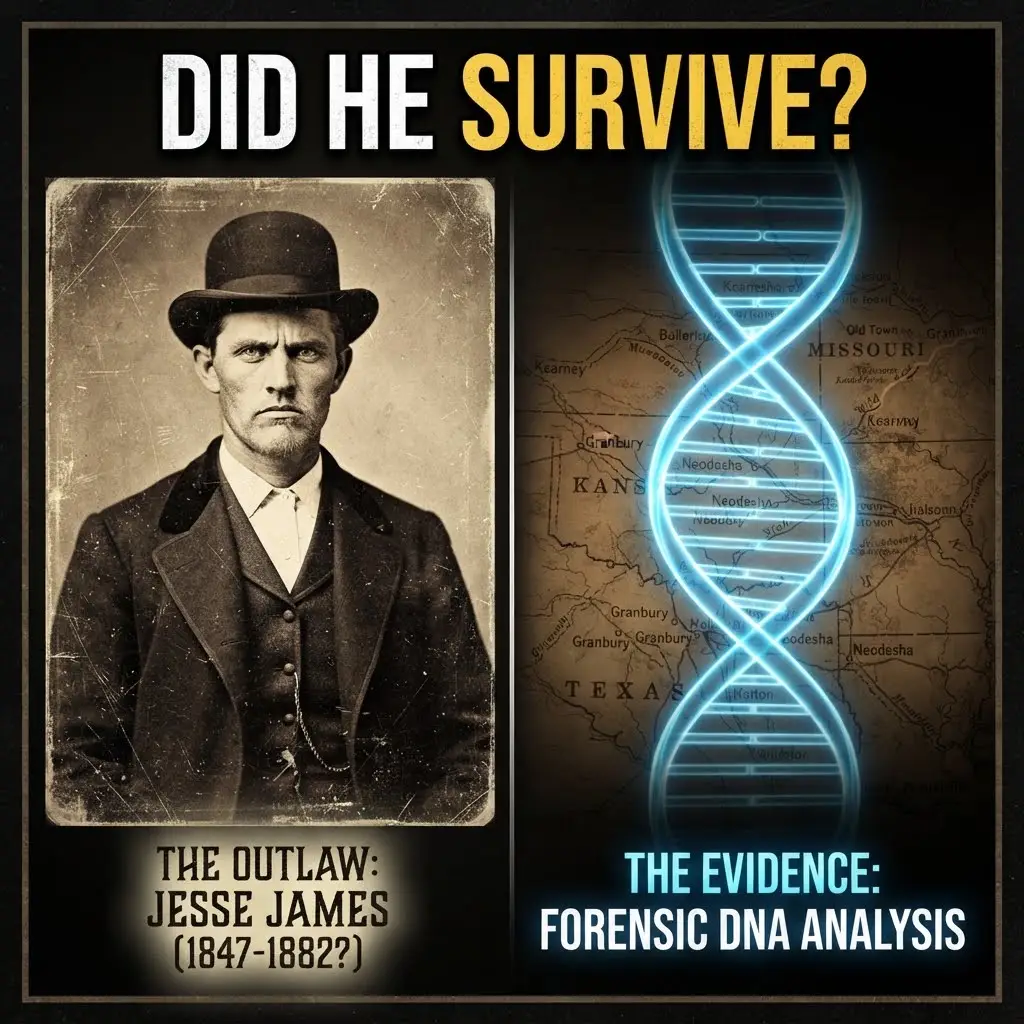
The Jesse James DNA Myth: Why Are There 3 Graves?
FAQs
What is advanced forensic genealogy?
Advanced forensic genealogy is a specialized field that combines traditional genealogical research with forensic techniques to solve complex cases, such as identifying unknown individuals or tracing family relationships for legal purposes.
How does advanced forensic genealogy contribute to outlaw history?
Advanced forensic genealogy can shed light on the lives of outlaws by uncovering their family connections, identifying unknown remains, or tracing their descendants. This can provide valuable insights into their backgrounds and motivations.
What are some examples of outlaw cases that have been solved using advanced forensic genealogy?
Some examples of outlaw cases that have been solved using advanced forensic genealogy include identifying the remains of infamous outlaws, tracing their living relatives, or confirming their true identities through DNA analysis.
What techniques are commonly used in advanced forensic genealogy for outlaw history research?
Common techniques used in advanced forensic genealogy for outlaw history research include DNA analysis, traditional genealogical research, forensic anthropology, and historical records analysis. These methods are combined to create a comprehensive picture of the individual’s background.
How can advanced forensic genealogy help in preserving outlaw history for future generations?
Advanced forensic genealogy can help preserve outlaw history by accurately documenting the identities and backgrounds of notorious individuals, ensuring that their stories are accurately recorded and passed down to future generations. This can also help dispel myths and misconceptions surrounding these figures.