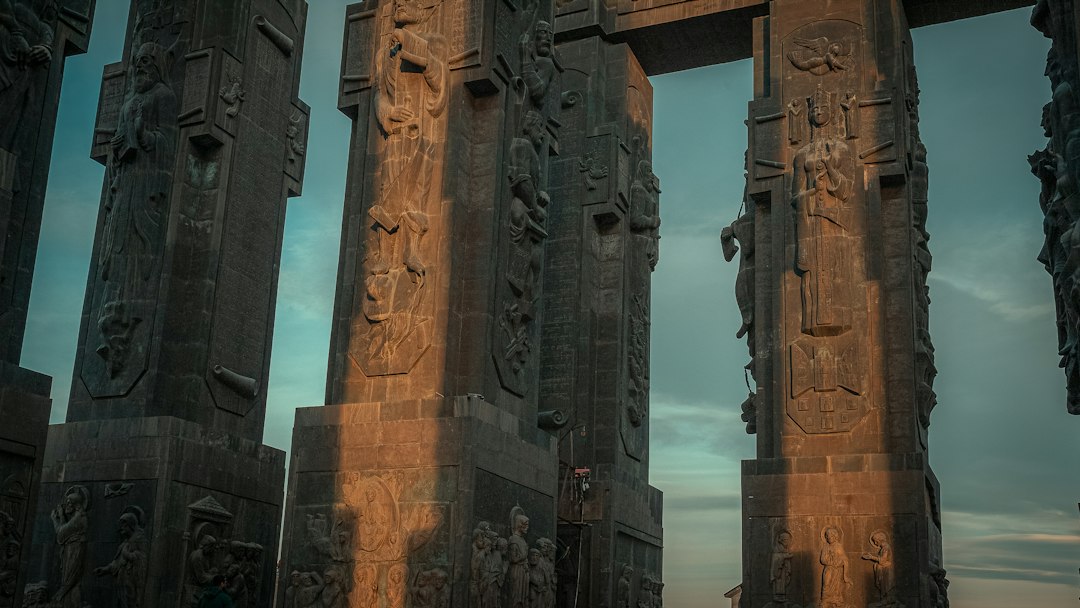
The flickering torchlight dances across the weathered stone, casting long, enigmatic shadows that seem to whisper tales of forgotten epochs. A hushed reverence fills the air as the camera pans across colossal pyramids, intricate hieroglyphs, and the skeletal remains of once-thriving metropolises. This is the realm of “Unveiling Secrets: Ancient Civilizations,” a documentary series that transcends mere historical recounting, instead embarking on a captivating exploration of humanity’s most profound and enduring mysteries. It is a journey not just through time, but into the very essence of human ingenuity, belief, and societal structures that shaped our planet millennia ago. The series meticulously reconstructs vanished worlds, piecing together fragmented evidence with cutting-edge technology and insightful scholarly analysis. It aims to answer not just “how” these civilizations rose and fell, but “why.” What were their core beliefs, their societal hierarchies, their technological advancements, and their ultimate downfalls? The documentary’s power lies in its ability to connect the distant past to our present, revealing patterns and lessons that resonate deeply with the challenges and triumphs of modern life.
Echoes from the Sands: The Egyptian Enigma
The ancient Egyptians, a civilization born from the fertile banks of the Nile, stand as one of history’s most enduring enigmas. Their monumental architecture, their complex religious beliefs, and their sophisticated understanding of astronomy and engineering continue to fascinate and baffle. “Unveiling Secrets” dedicates a significant portion of its exploration to this iconic culture, delving beyond the popularized images of pharaohs and mummies.
Architects of the Impossible: Pyramid Power
The sheer scale and precision of the Egyptian pyramids are a testament to an organizational and technical prowess that defies easy explanation. The documentary probes the theories surrounding their construction, moving beyond simple speculation to examine the evidence. It explores the meticulous planning, the quarrying and transportation of massive stone blocks, and the potential use of sophisticated tools and techniques that remain a subject of intense debate. The series showcases the work of archaeologists and engineers who are using LIDAR scanning and virtual reconstructions to better understand the construction processes. They analyze the internal passages, the alignment of the pyramids with celestial bodies, and the astronomical knowledge that must have underpinned such ambitious projects. The documentary challenges the notion of simplistic labor, instead suggesting a highly skilled workforce operating with a profound understanding of physics and geometry. The exploration extends to the purpose of these structures, moving beyond mere tombs to consider their potential roles as energy conduits, astronomical observatories, or even sophisticated symbolic representations of cosmic order.
The Pantheon and the Afterlife: Belief Systems of the Nile
The spiritual landscape of ancient Egypt was as vast and complex as the desert itself. The documentary immerses viewers in the intricate world of Egyptian gods, goddesses, and the paramount importance of the afterlife. It dissects the mythology, exploring the creation stories, the epic tales of Osiris and Isis, and the constant struggle between order and chaos. The series emphasizes how these beliefs permeated every aspect of Egyptian life, from daily rituals to monumental art and funerary practices. The meticulous preservation of bodies through mummification is explored not just as a macabre fascination, but as a fundamental belief in the continuation of the soul and the need for physical preservation for the journey into the underworld. The documentary examines the funerary texts, such as the Book of the Dead, as guides and spells designed to navigate the perils of the afterlife, revealing a deeply ingrained belief in a cosmic justice system and the possibility of eternal life. The influence of these beliefs on their societal structure, their laws, and their artistic expressions is carefully illustrated, demonstrating how a shared worldview fostered a remarkable degree of cultural cohesion.
The Unseen Script: Deciphering Hieroglyphs
The enigmatic hieroglyphs adorning temples and tombs are more than just decorative carvings; they are the written voice of an ancient civilization. “Unveiling Secrets” traces the arduous journey of deciphering these complex symbols, highlighting the pivotal role of figures like Jean-François Champollion and the discovery of the Rosetta Stone. The documentary explains the grammatical structure and semantic meanings behind the glyphs, revealing a sophisticated written language capable of conveying nuanced thought, historical records, and religious dogma. It explores how the decipherment of hieroglyphs opened a window into the daily lives, political machinations, and scientific understanding of the Egyptians. The series showcases examples of inscriptions detailing agricultural practices, legal decrees, medical knowledge, and even personal letters, painting a vivid picture of a society far more complex and relatable than often imagined. The exploration emphasizes that these ancient writings are not mere relics, but living testimonies to the intellectual and cultural achievements of a lost world.
In exploring the fascinating world of ancient civilizations, one can draw intriguing parallels to contemporary issues, particularly in the context of climate change. A related article that delves into this theme is titled “Learning from History: Historical Parallels in the Climate Crisis,” which examines how past societies responded to environmental challenges and what lessons can be applied today. For more insights, you can read the article here: Learning from History: Historical Parallels in the Climate Crisis.
The Dawn of Reason: Mesopotamia’s Legacy
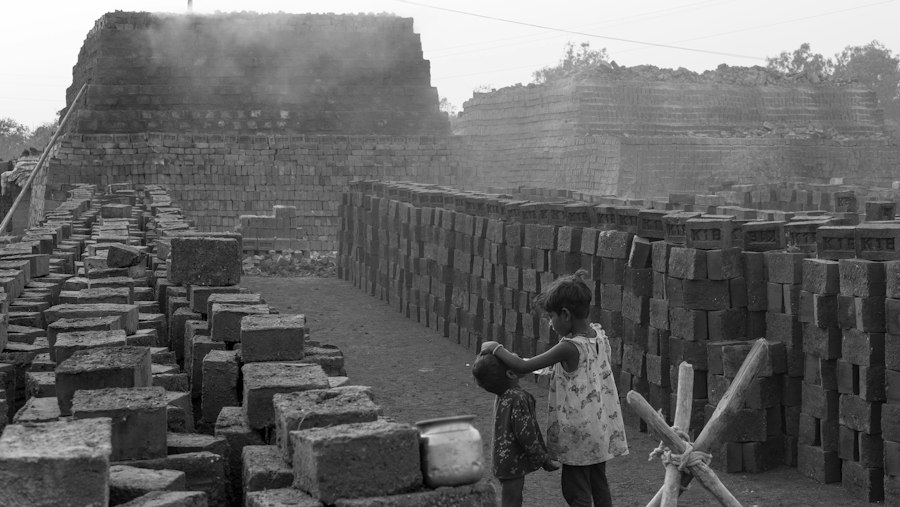
Nestled between the Tigris and Euphrates rivers, the land of Mesopotamia, often referred to as the “cradle of civilization,” laid the groundwork for many fundamental aspects of human society. The documentary series turns its attention to this region, highlighting the innovations and societal structures that emerged from its fertile plains.
Birthplace of Cities: The Sumerian Revolution
The Sumerians, among the earliest inhabitants of Mesopotamia, are credited with some of humanity’s most transformative innovations. “Unveiling Secrets” explores their pioneering advancements in urban living, the development of writing, and the establishment of complex social hierarchies. The documentary details the rise of city-states like Uruk and Ur, examining the sophisticated infrastructure, including irrigation systems, defensive walls, and early forms of urban planning, that supported these burgeoning populations. The invention of cuneiform, the wedge-shaped script pressed into clay tablets, is presented as a monumental leap forward in human communication and record-keeping. The series showcases examples of early literature, legal codes, and administrative documents written in cuneiform, revealing a surprisingly organized and intellectually vibrant society. The exploration emphasizes how these early urban centers served as hubs for trade, innovation, and the development of complex social and political systems that would influence subsequent civilizations.
The Rule of Law: Hammurabi and Beyond
The concept of codified law, a cornerstone of modern governance, finds its roots in ancient Mesopotamia. The documentary focuses on the Code of Hammurabi, one of the earliest and most complete legal texts ever discovered. It analyzes the principles of justice and retribution enshrined in the code, examining its impact on societal order and the administration of justice. The series explores the social implications of Hammurabi’s laws, discussing how they reflected the hierarchical structure of Babylonian society and attempted to establish a framework for fairness and accountability. Beyond Hammurabi, the documentary touches upon other Mesopotamian legal traditions, demonstrating a continuous evolution of legal thought and practice within the region. The exploration underscores the enduring significance of these early legal frameworks, illustrating how they established precedents for concepts of due process, property rights, and the protection of individuals within a societal structure. The series highlights the intellectual rigor and societal ambition that characterized these early attempts to govern complex human interactions.
The Celestial Clockwork: Mesopotamian Astronomy
The Mesopotamians possessed a remarkably advanced understanding of the cosmos, driven by both practical necessity and spiritual curiosity. “Unveiling Secrets” delves into their sophisticated astronomical observations and their development of early calendrical systems. The documentary explains how they meticulously tracked the movements of celestial bodies, identifying constellations, predicting eclipses, and developing a lunar calendar that was crucial for agricultural planning and religious festivals. The series explores the development of early mathematical concepts, such as the sexagesimal (base-60) system, which they used for astronomical calculations and timekeeping. The connection between their celestial observations and their religious beliefs is also examined, demonstrating how the movements of the stars and planets were interpreted as divine pronouncements and influences on human affairs. The documentary showcases the enduring legacy of Mesopotamian astronomy, highlighting its influence on later Greek and Roman astronomical traditions and its foundational role in the development of scientific inquiry.
The Lost World of the Maya: Rainforest Revelation
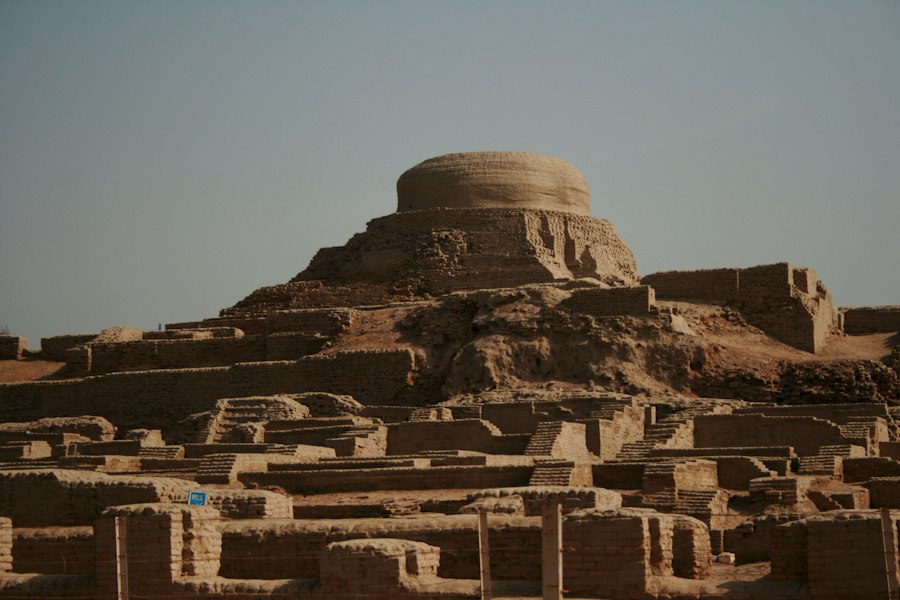
Deep within the dense rainforests of Mesoamerica, the Maya civilization flourished for centuries, leaving behind a legacy of awe-inspiring cities, intricate art, and a profound understanding of mathematics and astronomy. “Unveiling Secrets” ventures into this vibrant, verdant world to explore its unique achievements and its eventual decline.
Cities in the Canopy: Architectural Grandeur
The Maya cities, characterized by their towering pyramids, elaborate palaces, and intricately carved stelae, represent a remarkable feat of urban planning and architectural ingenuity within a challenging jungle environment. The documentary takes viewers on a visual journey through sites like Tikal, Palenque, and Chichen Itza, showcasing the scale and sophistication of their construction. It explores the techniques used to build these monumental structures, including their advanced understanding of astronomy that guided the alignment of buildings with celestial events. The series examines the symbolic meaning embedded within their architecture, revealing how temples and plazas were not just functional spaces but sacred sites designed to connect the earthly realm with the divine. The documentary highlights the intricate drainage systems and causeways that facilitated life within these dense urban centers, demonstrating a remarkable ability to adapt to and control their tropical surroundings. The preservation of these sites, often overgrown by centuries of jungle, underscores the enduring power of Maya ingenuity.
The Glyph and the Calendar: Intellectual Prowess
The Maya developed one of the most sophisticated writing systems in the pre-Columbian Americas, a complex hieroglyphic script that recorded their history, mythology, and scientific observations. “Unveiling Secrets” delves into the intricacies of the Maya glyphs, explaining their phonetic and logographic elements and showcasing how their decipherment has unlocked a wealth of knowledge about this civilization. The documentary focuses on the Maya calendar systems, particularly the Long Count, which allowed for precise dating of historical events and astronomical cycles. It explores the Maya’s advanced understanding of mathematics, including their development of the concept of zero, which was crucial for their complex calculations. The series illustrates how their astronomical observations, meticulously recorded in their glyphs, allowed them to predict celestial events with remarkable accuracy. This intellectual prowess extended to their understanding of agriculture, medicine, and their sophisticated astronomical observations, all recorded in a rich tapestry of written records.
The Fading City: Mysteries of Decline
The eventual decline and abandonment of many Maya cities remains one of history’s most persistent enigmas. “Unveiling Secrets” explores the various theories proposed by scholars, moving beyond simplistic explanations to consider a confluence of factors. The documentary examines evidence for environmental degradation, including deforestation and soil erosion, and their potential impact on agricultural productivity. It also investigates the possibility of prolonged droughts, as evidenced by paleoclimate data, and the strain these would have placed on Maya society. The series discusses the role of internal conflict and warfare between city-states, which may have destabilized the region and disrupted trade networks. The documentary emphasizes that the Maya civilization did not simply vanish, but rather underwent a complex process of societal transformation and migration, with many Maya people continuing to thrive in other regions. The exploration highlights the ongoing research and the persistent questions that continue to surround the fascinating mystery of their decline.
The Enigmatic Incas: Empire of the Sun
High in the Andes Mountains, a vast empire rose and fell, leaving behind a legacy of astonishing engineering, intricate social organization, and a deep connection to the natural world. “Unveiling Secrets” embarks on an exploration of the Inca civilization, revealing the secrets of their remarkable dominion.
Masters of the Mountain: Engineering Marvels
The Incas were unparalleled engineers, their empire characterized by an extensive network of roads, sophisticated irrigation systems, and the construction of monumental stone cities that defied the challenging Andean terrain. The documentary showcases the ingenuity behind the Inca road system, “Qhapaq Ñan,” which stretched for thousands of miles, facilitating communication, trade, and the rapid movement of troops across their vast empire. It delves into the construction of their iconic cities, most notably Machu Picchu, a breathtaking citadel perched high on a mountain ridge. The series examines the precise stonework, the earthquake-resistant architecture, and the ingenious terracing systems that allowed them to cultivate crops on steep mountain slopes. The documentary explores their advanced water management systems, including aqueducts and canals, which provided essential resources for their urban centers and agricultural lands. The exploration emphasizes how their mastery of engineering was not merely functional but deeply integrated with their spiritual beliefs, connecting them to the power of the mountains and the natural world.
The Social Fabric: Organization and Religion
The Inca Empire was characterized by a highly centralized and meticulously organized society, governed by a complex system of administration and a pervasive religious ideology centered around the sun god, Inti. “Unveiling Secrets” explores the structure of Inca society, from the Sapa Inca, the divine emperor, to the various social classes and their roles. The documentary examines the “mita” system, a form of labor tribute that was essential for the construction of public works and the maintenance of the empire. The series delves into the Inca’s spiritual beliefs, their reverence for the sun, their ancestor worship, and their complex cosmology. The rituals, sacrifices, and festivals that punctuated their lives are explored, revealing a society deeply intertwined with the divine. The documentary highlights how their religious beliefs served to legitimize the power of the Sapa Inca and foster a sense of unity across their diverse empire. The examination of their societal organization reveals a sophisticated approach to governance and resource management that allowed them to sustain such a vast territory.
The Echo of an Empire: Fall and Legacy
The rapid decline of the Inca Empire, largely due to the arrival of Spanish conquistadors and the devastating impact of introduced diseases, is a tragic chapter in history. “Unveiling Secrets” explores the events that led to the empire’s collapse, analyzing the military strategies of the Spanish, the internal divisions within the Inca leadership, and the devastating biological warfare of European diseases. The documentary examines the lasting legacy of the Inca civilization, from their architectural marvels that continue to inspire awe to their cultural traditions that persist in modern Andean communities. The series highlights the ongoing efforts to preserve Inca heritage and the challenges faced by descendant communities. The exploration underscores the fragility of even the most powerful empires and the profound impact of external forces on the course of human history. The documentary concludes by reflecting on the enduring lessons that can be learned from the rise and fall of this magnificent empire, emphasizing the interconnectedness of human societies and the environment.
In exploring the fascinating world of ancient civilizations, viewers can gain deeper insights by watching a related article that delves into the intriguing discoveries of historical maps. This article highlights how these maps can reshape our understanding of past societies and their interactions. For those interested in uncovering these connections, the article can be found here: uncovering the map that rewrites history.
Whispers of the Beyond: Unanswered Questions and Future Frontiers
| Ancient Civilization | Time Period | Region | Key Contributions | Notable Documentary |
|---|---|---|---|---|
| Mesopotamia | c. 3500–539 BCE | Modern-day Iraq | Writing (Cuneiform), Code of Hammurabi, Early Cities | “Mesopotamia: Cradle of Civilization” |
| Ancient Egypt | c. 3100–30 BCE | Nile River Valley | Pyramids, Hieroglyphics, Advances in Medicine | “The Story of Egypt” |
| Indus Valley | c. 3300–1300 BCE | Modern-day Pakistan and India | Urban Planning, Drainage Systems, Trade Networks | “The Lost Civilization of the Indus Valley” |
| Ancient China | c. 2100 BCE–220 CE | Yellow River Valley | Paper, Gunpowder, Great Wall | “China’s Ancient Civilizations” |
| Ancient Greece | c. 800–146 BCE | Eastern Mediterranean | Democracy, Philosophy, Architecture | “The Greeks: Crucible of Civilization” |
| Ancient Rome | c. 753 BCE–476 CE | Italian Peninsula | Law, Engineering, Republic Government | “Rome: Rise and Fall of an Empire” |
As the documentary series draws to a close, it leaves viewers with a profound sense of wonder and a lingering curiosity about the many unanswered questions that still surround these ancient civilizations. “Unveiling Secrets” doesn’t shy away from the mysteries; instead, it embraces them, posing new questions and suggesting avenues for future exploration.
The Uncharted Territories: Gaps in the Record
Despite centuries of archaeological discovery and scholarly research, vast swathes of our ancient past remain shrouded in mystery. The documentary acknowledges the limitations of current knowledge, highlighting the areas where evidence is scarce or interpretation remains highly contested. This includes the precise origins of certain technologies, the exact nature of some religious rituals, and the intricate details of daily life for the majority of the population. The series points to ongoing excavations in remote regions, the potential for new discoveries through advanced remote sensing technologies, and the re-examination of existing artifacts with fresh perspectives. The exploration emphasizes that the study of ancient civilizations is a continuous process of revelation, with each new discovery often leading to more questions than answers. The documentary encourages a sense of humility and intellectual curiosity, recognizing that our understanding of the past is constantly evolving.
Bridging the Eras: Lessons for Today
Perhaps the most compelling aspect of “Unveiling Secrets: Ancient Civilizations” is its ability to draw parallels between the past and the present. The documentary explores how the challenges faced by ancient societies – from environmental sustainability and resource management to social inequality and political instability – are remarkably similar to those confronting humanity today. By understanding how these ancient civilizations succeeded and failed, viewers can gain valuable insights into potential solutions for contemporary problems. The series emphasizes the timeless nature of human aspirations, the enduring quest for meaning, and the cyclical patterns of societal development and decline. The exploration serves as a potent reminder that while our technologies may advance, the fundamental challenges of human existence often remain the same. It encourages a thoughtful consideration of our own societal trajectory, urging us to learn from the triumphs and mistakes of those who came before us.
The Future of Discovery: Technological Frontiers
The documentary concludes by looking towards the future of archaeological exploration, highlighting the transformative potential of emerging technologies. The series showcases how advancements in artificial intelligence, drone technology, satellite imagery, and advanced dating techniques are revolutionizing the way we uncover and understand ancient sites. It discusses the possibilities of ground-penetrating radar to reveal hidden structures, AI-powered analysis of vast datasets of inscriptions and artifacts, and virtual reality reconstructions that allow us to experience ancient worlds in unprecedented ways. The exploration emphasizes that the quest to unveil the secrets of our past is far from over. It is a dynamic and evolving field, driven by human curiosity and empowered by innovation, promising to unlock even more astonishing revelations about the civilizations that shaped our world and, by extension, ourselves. The journey into the depths of human history is a perpetual one, and “Unveiling Secrets” serves as a powerful invitation to continue that exploration.
Your 401(k) Withdrawal Can Make More of Your Social Security Taxable
FAQs
What is the purpose of creating an ancient civilizations documentary?
The purpose of creating an ancient civilizations documentary is to educate and inform viewers about the history, culture, and achievements of past societies. Documentaries often use a combination of visuals, narration, and expert interviews to bring these ancient civilizations to life.
How are ancient civilizations documentaries researched and produced?
Ancient civilizations documentaries are typically researched by historians, archaeologists, and other experts in the field. They gather information from historical records, artifacts, and archaeological sites. The production process involves scripting, filming, editing, and adding visual effects to create a compelling and informative documentary.
What are some common themes explored in ancient civilizations documentaries?
Common themes explored in ancient civilizations documentaries include the rise and fall of empires, technological advancements, cultural practices, religious beliefs, and daily life of ancient peoples. These documentaries often aim to provide a comprehensive overview of a particular civilization or time period.
Are ancient civilizations documentaries based on factual information?
Yes, reputable ancient civilizations documentaries are based on factual information gathered from historical sources, archaeological findings, and expert analysis. While some aspects may be dramatized for entertainment purposes, the core information presented in these documentaries is grounded in historical accuracy.
How can watching ancient civilizations documentaries benefit viewers?
Watching ancient civilizations documentaries can benefit viewers by expanding their knowledge of history, fostering a deeper appreciation for different cultures, and inspiring curiosity about the past. These documentaries can also help viewers make connections between ancient civilizations and modern society, highlighting the enduring impact of the past on the present.