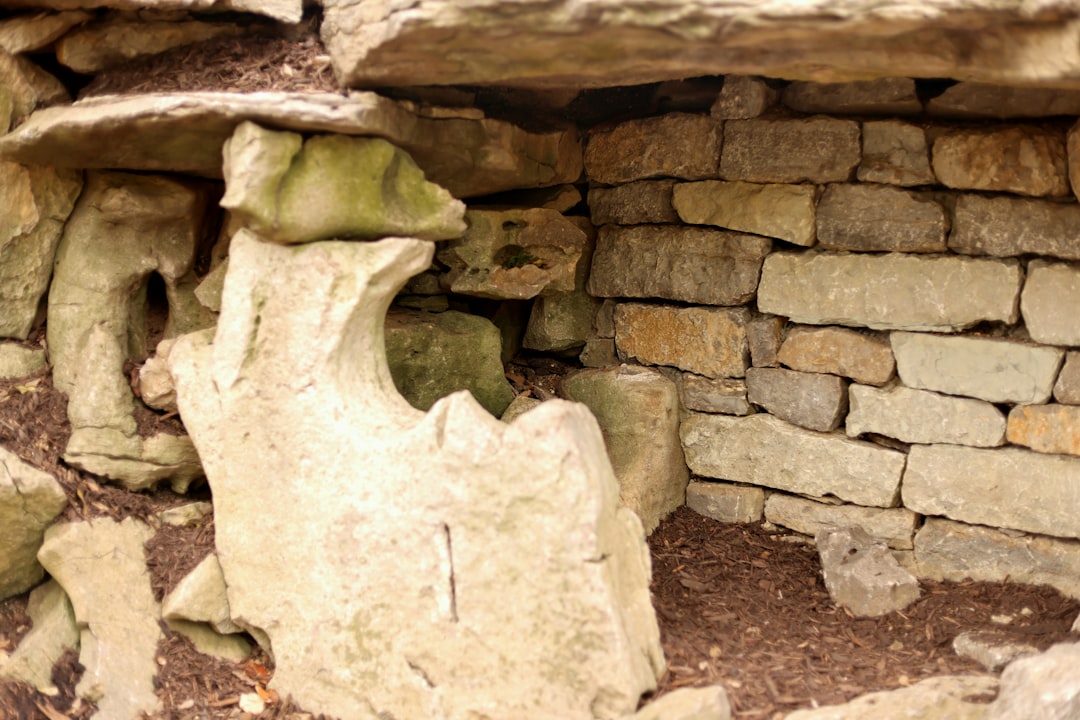
The sands of time, ever shifting, have yielded a remarkable secret. Deep within the arid landscapes of the Atbai region, a team of dedicated archaeologists has embarked on a profound journey into the past, meticulously uncovering the secrets of the Atbai Enclosure Burials. This site, a testament to a forgotten civilization, promises to rewrite our understanding of early funerary practices and societal structures in this historically rich corner of the world. The painstaking excavation process, a delicate dance between scientific rigor and the preservation of fragile remains, has brought to light a collection of burials unlike any previously documented, offering an unparalleled window into the lives and deaths of people who lived millennia ago.
The discovery of the Atbai Enclosure Burials was not a serendipitous stumble, but rather the culmination of years of dedicated research and the application of advanced remote sensing technologies. The arid environment of the Atbai, while challenging for exploration, has also served as a natural preserver of ancient remains, protecting them from the ravages of time and climate.
Initial Explorations and Technological Advancements
The groundwork for this monumental excavation was laid through extensive aerial surveys and the utilization of satellite imagery. These technologies allowed researchers to identify subtle anomalies in the landscape, faint outlines that hinted at buried structures. Ground-penetrating radar (GPR) further refined these observations, mapping subsurface features with astonishing detail and revealing the distinct patterns that characterized the Atbai enclosures.
Identifying Anomalous Signatures
Early GPR scans revealed a series of unusual sub-surface patterns. Unlike the natural geological formations typical of the region, these signatures exhibited geometric regularity and consistent depth. The presence of rectilinear or curvilinear features, often clustered together, immediately suggested human intervention rather than natural processes. These anomalies were the first breadcrumbs leading archaeologists to the Atbai Enclosure Burials.
The Role of GIS and Digital Mapping
Geographic Information Systems (GIS) played a crucial role in integrating the data from various remote sensing techniques. By layering and analyzing the information from aerial surveys, satellite imagery, and GPR, archaeologists could create detailed digital maps of the suspected burial areas. This allowed for precise planning of excavation grids, minimizing the impact on the surrounding environment and maximizing the efficiency of the fieldwork.
The Atbai Region: A Historical Tapestry
The Atbai region itself is no stranger to archaeological significance. Its strategic location has made it a crossroads for ancient trade routes and a melting pot of cultures throughout history. Understanding the broader historical context of the Atbai is essential to contextualizing the findings from the enclosure burials.
Ancient Trade Routes and Cultural Exchange
The Atbai has historically been a vital link between the Nile Valley, the Red Sea coast, and the Arabian Peninsula. This geographical advantage facilitated the movement of goods, ideas, and people, leading to a rich tapestry of cultural exchange. The Atbai Enclosure Burials, therefore, may offer insights into how these broader cultural interactions influenced funerary practices.
Previous Archaeological Discoveries in the Region
Prior archaeological work in the Atbai has unearthed evidence of various prehistoric and historic periods, including Neolithic settlements, Bronze Age complexes, and remains from later dynastic periods. However, the Atbai Enclosure Burials represent a distinct and previously less understood mortuary tradition, prompting a re-evaluation of the region’s chronological and cultural development.
The Atbai Enclosure Burials archaeology project has garnered significant attention for its insights into ancient burial practices and societal structures. For those interested in exploring how international cooperation can play a role in archaeological preservation and research, a related article discusses the importance of collaborative efforts in preventing conflicts over cultural heritage. You can read more about this topic in the article available at Preventing the Space Arms Race: International Cooperation.
Excavating the Enclosures: A Delicate Operation
The excavation of the Atbai Enclosure Burials presented a unique set of challenges and required a highly specialized approach. The fragile nature of the organic materials and human remains demanded meticulous care at every stage.
Site Preparation and Grid Layout
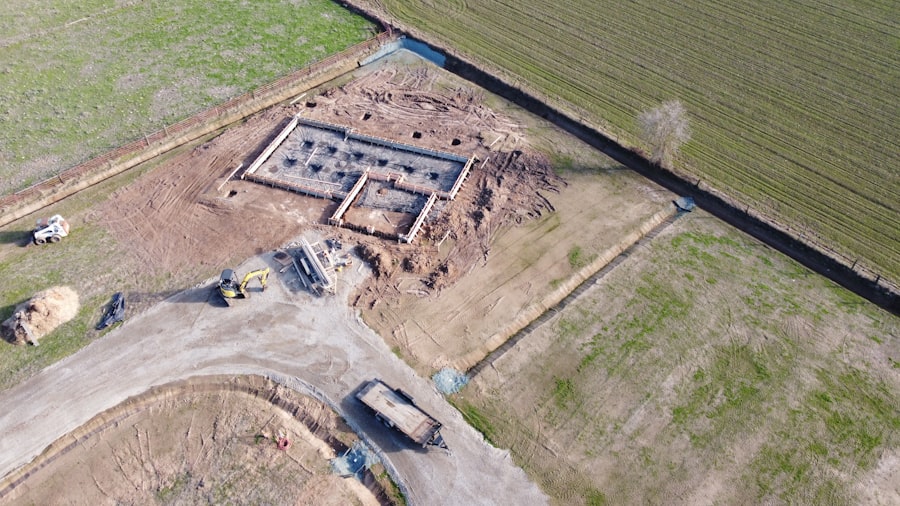
Before any digging commenced, the excavation area was meticulously cleared of modern debris. A precise grid system was then laid out over the identified burial enclosures. This systematic approach ensured that every artifact and feature was meticulously documented and its exact spatial location recorded.
Establishing Control Points and Datum Lines
Accurate mapping and recording are paramount in archaeology. Control points were established across the site, providing fixed reference points for all measurements. Datum lines, both horizontal and vertical, were then established, creating a framework for precise spatial data collection within the excavation grid.
Minimizing Environmental Impact
The Atbai’s sensitive ecosystem necessitated a focus on minimizing environmental impact. Excavation plans were developed to limit the disturbance of natural vegetation and soil profiles. Careful consideration was given to waste disposal and the preservation of the site’s aesthetic integrity.
Unearthing the Burials: A Step-by-Step Process
The excavation of each enclosure was a methodical and painstaking process, proceeding layer by layer, revealing the secrets held within.
Stratigraphic Excavation and Soil Analysis
The principle of stratigraphic excavation, the study of the superimposed layers of earth and debris, was strictly adhered to. Each layer was carefully removed, documenting its composition, color, and any inclusions. Soil samples were collected from each layer for later analysis, which could reveal information about the diet, environment, and even the activities of the people who created the burials.
The Recovery of Skeletal Remains
The recovery of skeletal remains was a particularly delicate operation. Archaeologists and bioarchaeologists worked in tandem, using brushes, dental picks, and other specialized tools to gently expose and document the bones. The position and orientation of the skeletons, as well as the presence of any associated grave goods, were meticulously recorded before removal.
Documenting Associated Artifacts
Artifacts found within the enclosures were treated with the same care as the skeletal remains. Each object, whether pottery shards, tools, or personal adornments, was photographed in situ, its location recorded, and then carefully excavated. This contextual information is crucial for understanding the function and significance of these objects.
The Architecture of Eternity: Understanding the Enclosures
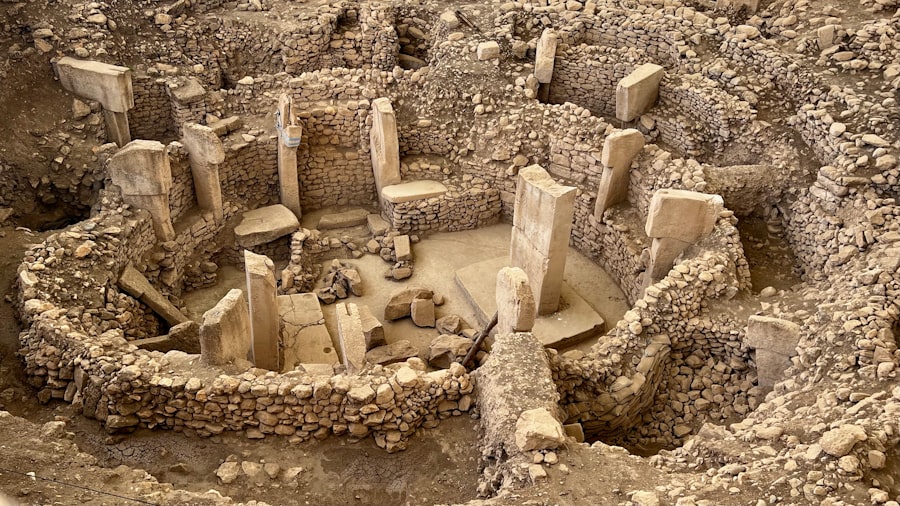
The defining characteristic of these burials is the distinctive architectural enclosures that surround them. These structures, built with considerable effort, speak volumes about the beliefs and social organization of the people who created them.
Types of Enclosures and Their Construction
The enclosures themselves exhibit a variety of forms and construction methods, suggesting potential differences in social status, tribal affiliation, or even the passage of time.
Circular and Rectangular Structures
The most common forms of enclosures observed are circular and rectangular. Circular enclosures often feature stacked stones or rammed earth, creating a protective barrier around the burial. Rectangular structures, while less frequent, may indicate a more formal or perhaps a later development in their mortuary traditions.
Material Selection and Construction Techniques
The materials used in the construction of these enclosures varied depending on local availability. Stones, ranging from small pebbles to larger, rough-hewn rocks, were commonly employed. In some instances, mudbrick or rammed earth was utilized, suggesting a mastery of building techniques adapted to the desert environment. The careful placement and interlocking of stones in some enclosures point to a sophisticated understanding of structural integrity.
The Purpose and Significance of Enclosure
The presence of these elaborate enclosures goes beyond mere decoration. They likely served multiple purposes, reflecting the cultural and spiritual beliefs of the Atbai people.
Protection and Preservation
The primary function of the enclosures was undoubtedly to protect the deceased and their grave goods from the elements and potentially from scavengers. This offered a degree of preservation for the remains and the objects interred with them, contributing to the remarkable state of preservation observed in many of the finds.
Social Differentiation and Status
The size, complexity, and richness of the grave goods within some enclosures suggest that they may have served as markers of social status or importance. Individuals of higher standing might have been afforded more elaborate enclosures and a greater array of funerary offerings.
Spiritual and Symbolic Meanings
Beyond the practical, the enclosures likely held profound spiritual and symbolic meanings. They may have represented a physical manifestation of the transition from the world of the living to the afterlife, a liminal space designed to facilitate this journey. The orientation of the enclosures and the placement of the burials within them could also carry symbolic weight, perhaps aligning with celestial bodies or cosmological beliefs.
The Deceased Within: Insights from the Skeletal Remains
The skeletal remains recovered from the Atbai Enclosure Burials offer a direct connection to the individuals who once lived and breathed. Bioarchaeological analysis is yielding invaluable information about their lives, health, and demographics.
Demographics and Health Profiles
By examining the skeletal remains, archaeologists can reconstruct aspects of the population’s age at death, sex distribution, and overall health.
Age Estimation and Life Expectancy
Through the analysis of bone fusion, dental wear, and other age-related indicators, researchers can estimate the age at death for individuals. This allows for the construction of a demographic profile of the community, revealing insights into life expectancy and the prevalence of certain age groups within the population.
Paleopathology and Evidence of Disease
The presence of diseases and injuries can be detected on skeletal remains through the study of paleopathology. Evidence of conditions such as arthritis, malnutrition, or healed fractures can provide a glimpse into the daily hardships and health challenges faced by these ancient peoples.
Diet and Lifestyle from Osteological Analysis
The bones themselves can hold clues about the diet and lifestyle of the individuals.
Stable Isotope Analysis and Dietary Reconstruction
Stable isotope analysis, particularly of carbon and nitrogen in bone collagen, can reveal detailed information about an individual’s diet. This technique allows researchers to determine the proportion of plant-based versus animal-based foods consumed, and even the types of plants and animals that formed the core of their diet.
Evidence of Physical Activity and Trauma
The morphology of bones can also indicate levels of physical activity. Robust muscle attachments suggest a life of physical labor, while certain types of trauma, such as healed fractures, can provide direct evidence of accidents or interpersonal violence.
Recent discoveries at the Atbai Enclosure Burials site have shed light on ancient burial practices and their significance in understanding the cultural landscape of the region. These findings are particularly intriguing when considered alongside related research, such as the article on the Piri Reis map, which explores historical cartography and its implications for archaeological studies. For those interested in the intersection of history and archaeology, this article provides valuable insights into how ancient maps can inform our understanding of past civilizations. You can read more about it in this related article.
Grave Goods: A Material Culture of the Afterlife
| Excavation Site | Number of Burials | Artifacts Found |
|---|---|---|
| Atbai Enclosure Burials | 37 | Pottery, Jewelry, Tools |
The artifacts found interred with the deceased are crucial for understanding the material culture, beliefs, and daily lives of the Atbai people. These grave goods offer a tangible connection to their world.
Types of Artifacts and Their Significance
The range and variety of grave goods are diverse, providing a rich tapestry of information.
Pottery and Vessels
Pottery is often a prominent grave good, appearing in various forms and with different decorative styles. These vessels may have been used to hold food, drink, or other offerings for the deceased, or they may have held symbolic significance related to their journey to the afterlife.
Tools and Implements
The inclusion of tools and implements, such as flint blades, bone awls, or small stone tools, suggests that these individuals were equipped for their continued existence in the next world. These items might also reflect their earthly occupations or skills.
Personal Adornments and Ornaments
Jewelry, beads, and other personal adornments are frequently found. These items, often made from shell, bone, or stone, speak to the aesthetic sensibilities of the Atbai people and may have also signified social status or personal identity.
Interpreting the Function and Meaning of Grave Goods
Each artifact, when viewed within its archaeological context, contributes to a broader understanding of the Atbai culture.
Evidence of Trade and Social Networks
The presence of exotic materials or stylistic influences in grave goods can provide evidence of long-distance trade networks and interactions with other cultures. The sourcing of materials used in ornaments or the design of pottery can reveal connections to distant communities.
Beliefs about the Afterlife and Ritual Practices
The types of objects placed in burials offer profound insights into beliefs about the afterlife. The inclusion of food items, tools, or objects of personal significance suggests a belief in a continued existence that mirrored earthly life. The careful arrangement of these items may also point to specific ritual practices surrounding death and burial.
Social Status and Identity Markers
As mentioned earlier, the quantity and quality of grave goods can serve as indicators of social status. The presence of rare or elaborately crafted items could denote individuals of importance within the community. Personal adornments may also have been used to express individual identity or affiliation.
The excavation of the Atbai Enclosure Burials is an ongoing endeavor, a testament to the enduring power of archaeological inquiry. Each unearthed artifact, each meticulously recorded skeletal fragment, adds another piece to the intricate puzzle of our shared human past. The ongoing research promises to further illuminate the lives, beliefs, and societal structures of these ancient people, enriching our understanding of human history and the diverse ways in which humanity has grappled with the profound mysteries of life and death. The Atbai Enclosure Burials stand as a silent, yet eloquent, chronicle, inviting us to listen to the whispers of ages past and to learn from the enduring legacy of those who came before.

260 Ancient Graves Were Hiding in This “Empty” Desert
FAQs
What is the Atbai Enclosure Burials archaeology site?
The Atbai Enclosure Burials site is an archaeological site located in the Atbai Mountains of Central Asia. It is known for its unique burial practices and the discovery of numerous artifacts.
When were the Atbai Enclosure Burials discovered?
The Atbai Enclosure Burials were discovered in the 1970s during archaeological excavations in the region. The site has since been the subject of extensive research and study.
What have archaeologists found at the Atbai Enclosure Burials site?
Archaeologists have uncovered a variety of artifacts at the Atbai Enclosure Burials site, including pottery, jewelry, and tools. The site is also known for its distinctive burial mounds and enclosures.
What do the Atbai Enclosure Burials reveal about the ancient inhabitants of the region?
The Atbai Enclosure Burials provide valuable insights into the burial practices and cultural traditions of the ancient inhabitants of the region. The artifacts and burial structures offer clues about their social structure, religious beliefs, and daily life.
Why are the Atbai Enclosure Burials important to archaeology?
The Atbai Enclosure Burials are important to archaeology because they contribute to our understanding of the ancient history and culture of Central Asia. The site provides a glimpse into the lives of the people who lived in the region thousands of years ago.