
The arid landscapes of Persia, stretching across vast swathes of Iran, hold within them a testament to a civilization that mastered the art of survival against formidable environmental challenges. Among their most remarkable achievements, and one that continues to inspire awe and intrigue, are the qanats – ancient underground aqueducts that channeled life-giving water from distant mountain springs to parched settlements. These subterranean marvels, often stretching for many kilometers, represent a sophisticated understanding of hydraulics, geology, and community cooperation, predating much of modern engineering. Unraveling the mysteries of their construction and operation offers a profound glimpse into the ingenuity of ancient Persian engineers and their enduring legacy.
The Genesis of Subterranean Flow: Necessity as the Mother of Invention
The story of the qanat is inextricably linked to the geography of the Persian plateau. Characterized by long, hot, dry summers and limited rainfall, the region presented a persistent challenge to agriculture and human settlement. Surface water sources were scarce and unreliable, often evaporating under the harsh sun or being consumed by immediate needs. The ancient Persians, faced with this stark reality, looked for innovative solutions to secure a sustainable water supply. Their gaze, quite literally, turned downwards, towards the subterranean aquifers hidden beneath the earth’s surface.
Tapping into the Earth’s Veins: Locating the Water Source
The initial and perhaps most crucial step in qanat construction was identifying the presence and location of accessible groundwater. This was not a matter of guesswork but relied on generations of accumulated knowledge and astute observation of natural indicators. Ancient engineers developed a keen understanding of the geological formations that harbored water. They recognized that water would flow downhill, and that certain types of rock and soil were more permeable, allowing water to seep through and accumulate.
Observing the Landscape: Subtle Clues to Subterranean Wealth
Masters of landscape interpretation, these early engineers would meticulously scan the environment for subtle signs of moisture. Areas where vegetation remained greener during the dry season, even in the absence of visible surface water, were strong indicators of shallow groundwater. Natural springs, even if intermittent, would point towards underlying water tables. The presence of specific types of rock, like porous sandstone or fractured limestone, were also key indicators of potential water reservoirs. They understood that water, like everything else, followed the path of least resistance, and their task was to intercept this underground flow.
Geological Wisdom: Reading the Earth’s Layers
Beyond surface observation, a deep, albeit empirical, understanding of geology was essential. Ancient Persians learned to discern different soil and rock types by their texture, color, and how they eroded. They understood that the best water sources were often found at the base of mountains, where precipitation that infiltrated the permeable rock layers would slowly migrate downwards. They also recognized the importance of impermeable layers, such as clay, that would trap water in underlying aquifers, creating a saturated zone that could be tapped by a qanat. This knowledge, passed down through oral tradition and practical experience, formed the bedrock of their water-finding expertise.
The Art of Tunneling: A Monumental Undertaking
Once a suitable water source was identified, the arduous task of constructing the qanat began. This involved the meticulous excavation of a long, sloping tunnel from the water source downhill to the point of intended use, typically a village or agricultural land. The scale of this undertaking, without the aid of modern machinery, is almost unfathomable.
Vertical Access Shafts: Breathing Life into the Depths
The construction process did not involve excavating the entire tunnel from a single starting point. Instead, a series of vertical access shafts were dug at regular intervals along the projected path of the qanat. These shafts served multiple critical purposes. Firstly, they provided ventilation, allowing workers to breathe fresh air in the confined spaces of the developing tunnel. Secondly, they were the primary means of removing excavated earth, which was hoisted to the surface using rudimentary but effective bucket and pulley systems. Thirdly, and crucially, these shafts allowed for alignment checks and facilitated the ongoing excavation of the horizontal tunnel connecting them.
The Horizontal Advance: Precision in Darkness
The actual tunneling between the vertical shafts was a painstaking process. Teams of skilled laborers, often working in pairs or small groups, would meticulously chip away at the earth and rock. They used simple tools such as picks, shovels, and chisels. The gradient of the horizontal tunnel was paramount. It had to be steep enough to allow water to flow by gravity but not so steep as to cause erosion or excessive flow velocity, which could destabilize the tunnel structure. Maintaining this precise gradient over several kilometers in complete darkness, using only the faint light of oil lamps, speaks volumes about the skill and dedication of these ancient engineers. They would often use water levels or plumb bobs to ensure the correct slope was maintained.
Reinforcement and Stability: Preventing Collapse
The long, underground tunnels were inherently vulnerable to collapse. Ancient Persian engineers employed various methods to ensure the structural integrity of their qanats. In areas with unstable soil or rock, they would reinforce the tunnel walls and roof with stone or brick lining. Sometimes, timber supports were used temporarily during excavation or for permanent reinforcement in particularly problematic sections. The careful selection of tunnel width and height was also important to balance the need for sufficient water flow with structural stability. The meticulous attention to detail in maintaining the tunnel’s form and support was a testament to their understanding of the forces at play beneath the earth.
The Persian water tunnel mystery has intrigued historians and archaeologists alike, shedding light on ancient engineering marvels. For those interested in exploring more about significant infrastructure developments, a related article discusses Monterrey as an ideal nearshoring investment opportunity, highlighting how modern cities continue to evolve through innovative solutions. You can read more about it here: Monterrey: The Ideal Nearshoring Investment Opportunity.
The Symphony of Gravity: How Water Traveled Unseen
The enduring brilliance of the qanat lies in its elegant simplicity and reliance on the fundamental principles of physics, specifically gravity. Unlike modern pumping systems, qanats require no external energy source to move water, making them incredibly sustainable and resilient. The entire system is a testament to the power of harnessing natural forces.
The Gentle Descent: Harnessing Earth’s Inclination
The key to the qanat’s operation is its carefully engineered slope. As mentioned earlier, the qanat is excavated with a consistent, gentle gradient from the water source to the point of distribution. This incline allows the water, seeping into the initial sections of the tunnel from the aquifer, to flow slowly and steadily downhill under its own weight. The water table at the source must be higher than the outlet point, ensuring a constant, albeit modest, flow. The gradient is crucial; too steep, and the water rushes, eroding the tunnel; too shallow, and the flow becomes sluggish, increasing the risk of stagnation and silting.
Maintaining the Gradient: Precision Over Kilometers
Achieving and maintaining this precise gradient over distances that could span many kilometers was a monumental feat of engineering and surveying. Ancient engineers would have relied on careful measurements and constant monitoring during construction. The vertical shafts played a vital role in this aspect, allowing them to measure the elevation difference between points and adjust the tunnel’s slope accordingly. The dedication to maintaining this delicate balance ensured that water could be reliably delivered without interruption.
The Role of the Mother Well: The Heart of the System
The qanat typically begins with a “mother well” or “malek” – the deepest vertical shaft, located closest to the water source. This well is dug down to intercept the aquifer, allowing water to enter the qanat system. From this point, the water begins its journey through the horizontal tunnel. The depth of the mother well is critical, as it determines the head pressure available to drive the flow. The shallower the mother well relative to the outlet, the gentler the flow. This initial well often serves as a collection point and the starting point of the observable water flow.
Water Management and Distribution: A Communal Lifeline
Once the water reached the surface at its destination, often through a terminal well or reservoir, it was distributed to the community. This distribution system was as carefully planned as the tunnel itself, reflecting the social and economic organization of ancient Persian societies.
The Terminal Well: The First Glimpse of Life
The point where the qanat emerged from the ground was usually a well or a series of interconnected channels. This terminal well acted as a collection point, allowing the water to be accessed by the community. In many cases, this was where the water was first visible after its subterranean journey. The design of these terminal wells varied, from simple openings to more elaborate structures, depending on the needs and resources of the settlement.
Equitable Distribution: The Wisdom of Shared Resources
The management of qanat water was often a communal affair, governed by complex social customs and regulations. Since qanat construction was a significant investment of labor and resources, often undertaken by a group of landowners or a village, the water rights were clearly defined. Water was often allocated on a rotational basis, with each shareholder entitled to a specific period of flow. This system ensured equitable access and prevented monopolization, fostering a sense of shared responsibility and cooperation. The engineering of the distribution channels themselves, leading from the terminal well to individual fields or homes, was also a crucial aspect of efficient water use.
Preserving the Flow: Maintenance and Longevity
The qanats were not static structures. Like any complex engineering feat, they required ongoing maintenance to ensure their continued functionality. The harsh desert environment, with its potential for erosion, seismic activity, and the natural accumulation of sediment, posed constant threats to the integrity of these ancient waterways.
The Persian water tunnel mystery has intrigued historians and archaeologists for years, drawing parallels to other ancient engineering feats. One such example is the alignment of the Giza Pyramid, which showcases the remarkable precision and ingenuity of ancient civilizations. For those interested in exploring this fascinating topic further, you can read about it in a related article that delves into the intricacies of ancient structures and their alignments. Check out the details in this insightful piece on the Giza Pyramid alignment mystery.
Regular Inspection and Repair: Vigilance Against the Elements
The continuous flow of water through the qanat meant that sediment, carried from the aquifer or introduced from the surface, would gradually accumulate, reducing the tunnel’s capacity and potentially blocking the flow. Therefore, regular cleaning and desilting were essential. This was typically done by teams of workers who would enter the shafts and tunnels to remove the accumulated silt. The vertical shafts were vital for this maintenance, providing access for workers and equipment.
Clearing the Channels: Battling the Inevitable
The process of clearing a qanat was laborious. Workers would enter the shafts and carefully remove the accumulated silt and debris from the horizontal tunnel. This material would then be hoisted to the surface using the same systems employed during construction. The frequency of these cleanings depended on the specific conditions of each qanat, with some requiring more frequent attention than others. The dedication to this routine maintenance ensured the longevity of the qanats, some of which have been in continuous operation for over two millennia.
Structural Fortification: Adapting to Earth’s Tremors
The Persian plateau is a seismically active region, and earthquakes posed a significant threat to the stability of the qanat tunnels. Ancient engineers understood this risk and incorporated elements of resilience into their designs. Where possible, they selected stable geological formations for excavation. In areas prone to collapse, as mentioned earlier, they reinforced tunnels with stone or brick lining. Ongoing inspections would identify any signs of structural damage, such as cracks or cave-ins, allowing for timely repairs before they could compromise the entire system. This proactive approach to structural integrity was a hallmark of their engineering foresight.
Community Involvement: A Shared Responsibility for a Vital Resource
The survival of a qanat was deeply intertwined with the social fabric of the communities it served. The massive undertaking of construction and the ongoing demands of maintenance necessitated a high degree of cooperation and shared responsibility.
Collective Labor: The Foundation of Construction
The initial construction of a qanat was often a collaborative effort, with communities pooling their resources and labor. Individuals would contribute their time and skills, reflecting the understanding that a reliable water source was a collective benefit. This communal approach to labor not only made the construction feasible but also fostered a strong sense of ownership and investment in the qanat.
Water Masters and Guardians: Ensuring Fair Use and Upkeep
Special individuals, often referred to as “water masters” or “guardians,” were appointed to oversee the operation and maintenance of the qanats. These individuals were responsible for managing the water distribution, ensuring that everyone received their allotted share, and organizing the necessary repairs and cleaning. Their authority was respected, and their role was crucial in preventing disputes and ensuring the continued functionality of this vital resource. Their understanding of both the engineering and the social dynamics of water management was paramount.
The Enduring Legacy: A Model for Sustainable Water Management
The qanats are more than just ancient relics; they represent a profound and enduring legacy of human ingenuity and sustainable resource management. Their principles continue to offer valuable lessons for contemporary challenges, particularly in arid and semi-arid regions facing water scarcity.
A Blueprint for Water Security: Lessons from the Past
The qanat system stands as a powerful testament to humanity’s ability to adapt and thrive in challenging environments. By understanding and working with the natural landscape, ancient Persians created a highly effective and sustainable method of water supply. Their emphasis on gravity-driven flow, careful gradient management, and communal responsibility offers a stark contrast to many modern, energy-intensive water solutions. The qanat system underscores the importance of a holistic approach to water management, considering not only the engineering but also the social, economic, and environmental factors.
Decentralized and Resilient Systems: Adapting to Modern Needs
In an era increasingly concerned with the vulnerability of large, centralized infrastructure, the decentralized nature of qanat systems offers an attractive model. Each qanat operates independently, reducing the risk of widespread failure. This resilience is particularly valuable in regions prone to natural disasters or political instability. The principles of gravity flow and low energy consumption also align with the growing global emphasis on renewable and sustainable technologies.
Inspiring Future Innovations: A Call to Rediscover Ancient Wisdom
The study of qanats is not merely an academic pursuit; it is an invitation to reconsider and adapt ancient wisdom for modern challenges. As climate change intensifies water scarcity in many parts of the world, the lessons learned from these ancient Persian engineers are more relevant than ever. By exploring their methods, we can gain insights into innovative, low-impact, and community-driven approaches to water security, ensuring that this most precious resource continues to flow for generations to come. The qanat stands as a silent, yet powerful, reminder that the most elegant solutions often lie in understanding and respecting the natural world.
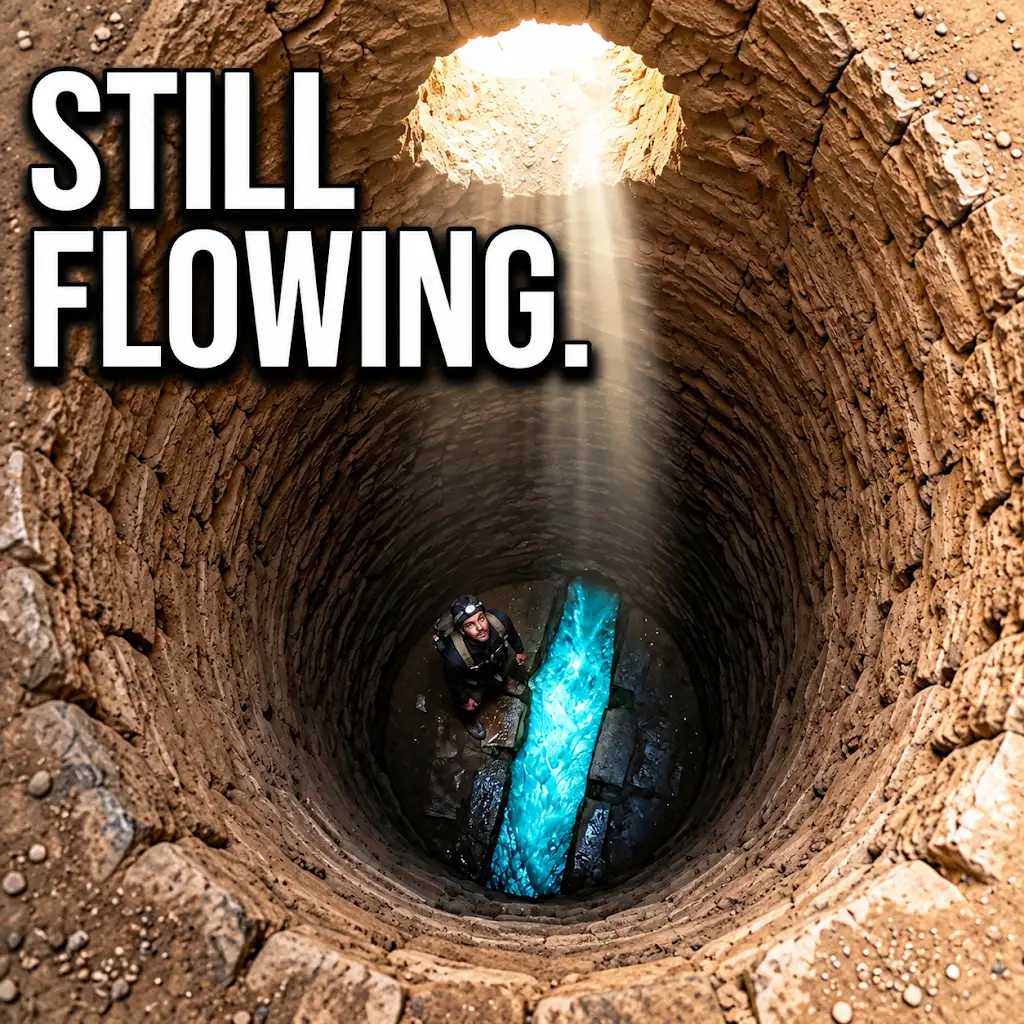
They Dug Water Tunnels Under the Desert… And They Still Flow
FAQs
What is the Persian water tunnel mystery?
The Persian water tunnel mystery refers to a series of ancient underground tunnels found in Iran that were used to transport water over long distances.
How were the Persian water tunnels constructed?
The tunnels were typically dug by hand using simple tools such as picks and shovels. The workers would remove the soil and rock to create a passageway for the water to flow through.
What was the purpose of the Persian water tunnels?
The tunnels were built to provide a reliable water supply for cities, towns, and agricultural areas in ancient Persia. They helped to transport water from distant sources to areas that needed it for drinking, irrigation, and other purposes.
How long are the Persian water tunnels?
The length of the Persian water tunnels varies, with some stretching for several kilometers. The exact length of each tunnel depends on the distance it needed to cover to reach its destination.
Are the Persian water tunnels still in use today?
Some of the Persian water tunnels are still in use today, while others have fallen into disrepair. Efforts are being made to preserve and restore these ancient structures for their historical and cultural significance.