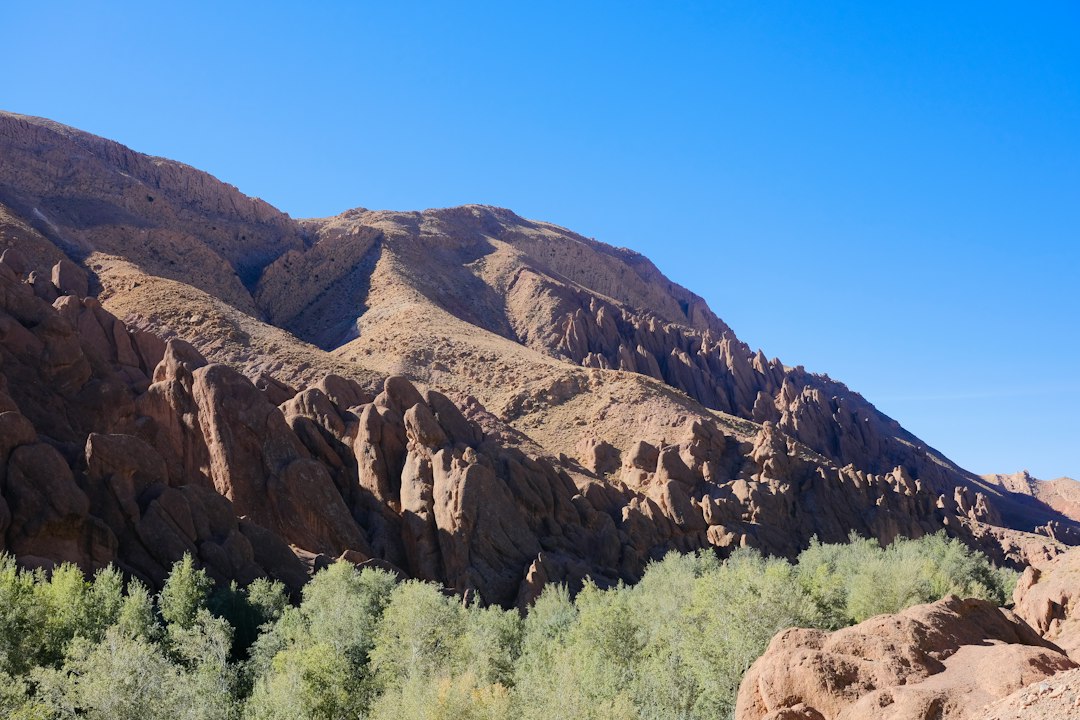
The vast expanse of North Africa, a land sculpted by millennia of wind and sand, holds within its arid embrace a tapestry of prehistoric life far richer and more complex than commonly imagined. For centuries, its deserts and mountains have guarded secrets of ancient ecosystems, of long-vanished creatures, and of the early human ancestors who roamed these lands. Recent paleontological discoveries, coupled with advanced scientific techniques, are now beginning to unveil this prehistoric landscape, piecing together a narrative of a continent that was once teeming with diverse megafauna and witnessed the dawn of human evolution. This journey into North Africa’s deep past reveals a dynamic environment, shaped by dramatic climatic shifts, and populated by remarkable life forms that have left their indelible mark on the geological record.
Whispers from the Sahara: A Shifting Cradle of Life
The prevailing image of North Africa is often one of unrelenting desert. However, this perception belies a far more dynamic climatic history. The Sahara, now the world’s largest hot desert, was not always so. During various periods in the Earth’s history, including the Holocene Humid Period (roughly 11,700 to 5,000 years ago), this region experienced a dramatic transformation. Abundant rainfall supported vast lakes, verdant savannas, and thriving ecosystems, making it a fertile ground for a multitude of life forms. It is within these ancient, humid phases that many of North Africa’s most significant prehistoric discoveries have been unearthed, offering tantalizing glimpses into a lost world. The geological formations, such as ancient riverbeds, fossilized lake sediments, and exposed rock strata, act as silent witnesses to these transformations, holding clues to the past climate, the flora, and the fauna that once dominated these regions.
The Green Sahara: A Lost World Reimagined
The concept of a “Green Sahara” is not merely a poetic notion; it is a scientifically validated reality supported by extensive paleoclimatic data. Evidence from pollen analysis, sediment cores, and isotopic studies paints a picture of a savanna-like environment with widespread vegetation, supporting large herbivores and their predators. This epoch was crucial for the development and dispersal of many species, including early hominins. The remnants of these ancient water bodies, now often represented by dry lakebeds or salt pans, are treasure troves for paleontologists. The arid conditions of the present day, while challenging for fieldwork, paradoxically aid in the preservation of fossils by exposing them through erosion. This allows researchers to access these ancient records and reconstruct the past with increasing accuracy. The study of fossilized plant remains, such as ancient grasses and trees, further illuminates the nature of these prehistoric landscapes, providing insights into the food sources available to the animals that inhabited them.
Climate Cycles and Evolutionary Pressures
The recurring cycles of aridity and humidity in North Africa have played a pivotal role in shaping its evolutionary history. These dramatic climatic shifts acted as powerful selective pressures, driving adaptation and extinction events. Species that could cope with changing environments, such as those with diverse dietary habits or a capacity for migration, were more likely to survive. Conversely, species with specialized adaptations to a particular environment faced a higher risk of extinction when that environment vanished. Understanding these climate cycles is therefore crucial for comprehending the evolutionary trajectory of North African fauna, including the development of hominin species. Researchers analyze geological evidence of past rainfall patterns, such as ancient soil horizons and fluvial deposits, to reconstruct the environmental conditions that influenced these evolutionary processes.
The prehistoric landscape of North Africa has been shaped by various environmental factors that influenced human migration and settlement patterns. An insightful article that delves into the broader implications of environmental changes on communities is available at Environmental Migration: Understanding the Impact on Communities. This piece explores how shifts in climate and resources have historically driven populations to adapt and relocate, providing a valuable context for understanding the dynamics of prehistoric societies in North Africa.
Giants of the Ancient Sands: Unearthing Megafauna
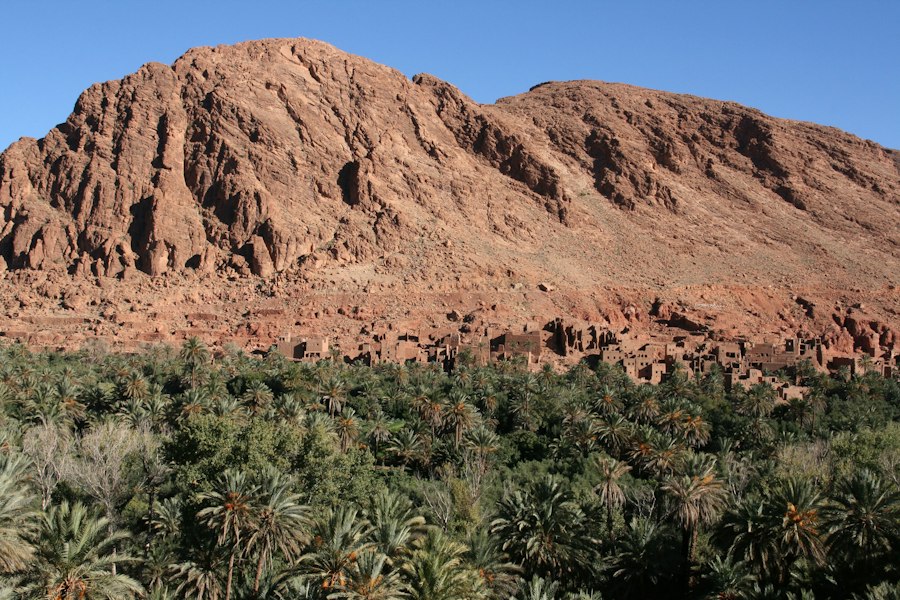
North Africa’s prehistoric past is marked by the presence of colossal creatures, some of which dwarf their modern counterparts. The fossilized remains of these megafauna, unearthed from the sands of its deserts and the layers of ancient riverbeds, speak of a time when the continent was a stage for truly awe-inspiring life. From colossal proboscideans to formidable carnivores, these ancient giants offer a compelling narrative of an ecosystem rich in biodiversity and shaped by immense ecological forces. The study of these fossils not only provides insights into the biology and behavior of these extinct animals but also helps reconstruct the food webs and environmental conditions of their time.
Elephants of a Bygone Era: Ancestors and Anomalies
The fossil record of North Africa reveals a fascinating lineage of elephant ancestors and relatives. Among the most remarkable discoveries are the remains of prehistoric elephants that differed significantly from modern species. These include species like Palaeoloxodon antiquus, the straight-tusked elephant, which was widespread across North Africa and Eurasia, and other endemic elephantids. The size and morphology of their tusks, their dental structure, and their skeletal features provide crucial data for understanding their evolutionary relationships and ecological roles. The discovery of these extinct elephant species highlights the deep evolutionary history of proboscideans and their adaptability to diverse environments across the African continent. Their presence in North Africa underscores the interconnectedness of ancient ecosystems across vast geographical areas.
Predatory Powerhouses: Apex Predators of the Past
The dominance of herbivores in any ecosystem is invariably linked to the presence of powerful predators. North Africa’s prehistoric landscapes were no exception. Fossil discoveries have revealed the presence of formidable carnivores that occupied the apex predator niche. Among these are extinct species of saber-toothed cats, such as Machairodus, whose immense canines were adapted for dispatching large prey. Remains of extinct hyenas and ancient wild dogs also paint a picture of a complex predatory landscape. The size and robustness of these predators suggest they were capable of hunting the large herbivores that roamed these ancient environments. Studying their dentition, bone structure, and the bite marks on fossilized prey can reveal their hunting strategies and the types of animals they targeted, offering a glimpse into the dynamics of ancient predator-prey relationships.
Other Wonders: Diverse Herbivores and Unusual Species
Beyond elephants and large cats, North Africa’s prehistoric fauna was incredibly diverse. Fossil sites have yielded evidence of ancient rhinoceroses, hippopotamuses that may have been adapted to more arid conditions than their modern relatives, and various species of antelope and other ungulates. The discovery of more unusual creatures, such as ancient giraffids and even large flightless birds, further adds to the richness of this prehistoric tapestry. The analysis of their skeletal remains, including limb proportions and skull morphology, provides insights into their locomotion, feeding habits, and evolutionary lineages. The presence of such a variety of herbivores indicates a productive environment capable of supporting a wide range of grazing and browsing animals, which in turn supported a diverse array of predators.
Footprints of Humanity: Early Hominin Presence in North Africa
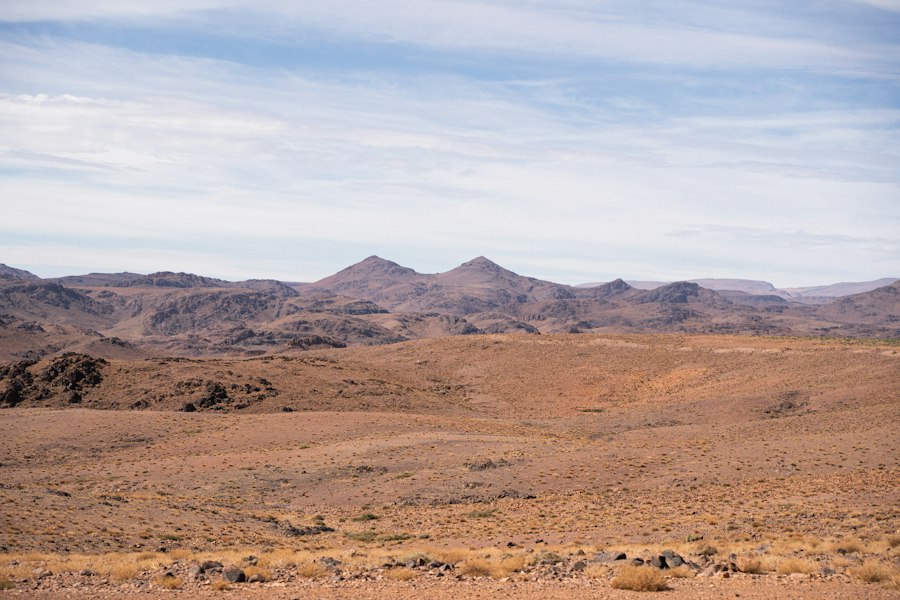
North Africa is not only a cradle for ancient fauna but also a significant region in the story of human evolution. While East Africa has historically received more attention for early hominin discoveries, accumulating evidence suggests that North Africa played a crucial role in the dispersal and development of our ancestors. The continent’s ancient environments, with their fluctuating climates and abundant resources, would have been attractive to early hominin populations, potentially facilitating their movements and interactions across vast distances. The discovery of hominin fossils and associated stone tools in North Africa is gradually rewriting our understanding of human origins and migration patterns.
The Saharan Corridor: A Pathway for Dispersal
The concept of the “Saharan Corridor” suggests that during the wetter periods, when the Sahara was green, it acted as a vital passageway for the movement of both animals and early humans between Africa and Eurasia, and between different parts of the African continent. Fossil hominin remains found in North Africa, when dated and analyzed alongside climatic data, can help confirm or refine these theories. The identification of stone tool industries, even without associated skeletal remains, can provide strong evidence for hominin presence and technological capabilities. These tools offer clues about the cognitive abilities and behavioral strategies of our ancient relatives.
Early Toolmakers: Evidence from Ancient Sites
The archaeological record of North Africa contains evidence of early hominin activity in the form of stone tools. These lithic artifacts, often found in association with fossilized animal bones, are crucial for understanding the technological sophistication and cultural practices of our ancestors. The types of tools found, such as handaxes, scrapers, and points, can indicate the activities they were used for, such as hunting, butchering, or crafting. The study of raw material selection, flaking techniques, and tool wear patterns can provide insights into the cognitive abilities and resourcefulness of these early toolmakers. Dating these sites accurately is paramount to placing these activities within the broader timeline of human evolution.
Revisiting Human Ancestry: North Africa’s Evolving Role
For a long time, the narrative of early human evolution was largely centered in East Africa. However, discoveries in North Africa are increasingly challenging this view. The potential presence of hominin populations in North Africa during critical periods of evolution suggests a more complex and geographically diverse picture of human origins. Further research and exploration in this region are vital for a comprehensive understanding of how and where different hominin species emerged, interacted, and eventually dispersed across the globe. The ongoing efforts to uncover more fossil evidence and meticulously analyze existing finds are continuously reshaping our understanding of humanity’s deep past.
Geological Archives: Unlocking Past Environments Through Sediment and Stone
The very landforms of North Africa serve as an immense geological library, with each layer of sediment and rock holding clues to the planet’s history. Paleontologists and geologists work in tandem to decipher these archives, reconstructing ancient climates, ecosystems, and the geological processes that shaped them. The study of sedimentary rocks, fossilized soils, and mineral deposits provides a window into periods when the Sahara was a vastly different place, offering critical context for understanding the life that once thrived there. The meticulous examination of these geological formations is foundational to all paleontological research.
Sedimentary Stories: Lakebeds, Rivers, and Deltas
The sedimentary deposits found in North Africa are invaluable archives of past environments. Ancient lakebeds, often now dry and covered by sand, preserve fine-grained sediments that can contain fossilized pollen, diatoms, and even the remains of small vertebrates, offering detailed snapshots of aquatic life and water chemistry. Fossilized river channels and their associated alluvial deposits reveal patterns of water flow, sediment transport, and the types of terrestrial environments that bordered these waterways. Deltas, where rivers meet larger bodies of water, are particularly rich in fossils and can provide information about both freshwater and potentially brackish or marine ecosystems that existed in the past. The stratigraphy of these deposits allows researchers to create a chronological sequence of environmental changes.
Paleosols: Footprints of Ancient Landscapes
Paleosols, or ancient soils, are another critical component of the geological archive. The chemical composition, structure, and presence of fossilized organic matter within paleosols can reveal information about the climate, vegetation, and biological activity of the time they formed. For instance, the presence of specific minerals can indicate periods of increased rainfall or aridification, while the distribution of organic carbon can reflect the density and type of vegetation. Studying paleosols can help reconstruct the types of terrestrial ecosystems that existed, from grasslands and savannas to more arid scrublands, providing essential habitat information for the megafauna and hominins that inhabited them.
Mineralogical Clues: Climate Proxies in Rock
The mineralogy of rock formations can also serve as a proxy for past environmental conditions. The presence of certain evaporite minerals, for example, can indicate periods of high evaporation and aridity, characteristic of salt lakes or coastal lagoons. The isotopic composition of minerals, such as carbonates and silicates, can provide precise data on past temperatures, rainfall patterns, and even the origin of water sources. These mineralogical analyses, when combined with other geological and paleontological evidence, allow for a more robust and detailed reconstruction of North Africa’s ancient climates and the environmental pressures that influenced life on the continent.
The prehistoric landscape of North Africa has long fascinated researchers, revealing insights into ancient civilizations and their interactions with the environment. A recent article explores how ancient technologies can inform modern solutions, shedding light on the innovative practices of early societies. For a deeper understanding of this connection, you can read more about it in the article on ancient tech and its relevance today.
Unveiling the Future: Ongoing Research and Future Prospects
| Metric | Details |
|---|---|
| Time Period | Late Pleistocene to Early Holocene (approx. 100,000 to 5,000 years ago) |
| Climate | Transition from arid desert to wetter savannah and grassland during African Humid Period |
| Vegetation | Grasslands, scattered trees, and wetlands in some regions |
| Fauna | Elephants, giraffes, hippos, crocodiles, and various large herbivores and predators |
| Human Activity | Early hunter-gatherer settlements, rock art, and tool use |
| Geological Features | Sandy dunes, rocky plateaus, ancient riverbeds, and lakes |
| Significant Sites | Tassili n’Ajjer, Acacus Mountains, and Jebel Uweinat |
The unveiling of North Africa’s prehistoric landscape is far from complete. While significant progress has been made, vast areas remain unexplored, and many questions about the region’s ancient past are still waiting to be answered. The application of new technologies and interdisciplinary approaches promises to accelerate discoveries and deepen our understanding of this fascinating part of the world. The ongoing commitment to research in North Africa is crucial for a holistic understanding of African biodiversity, human evolution, and the Earth’s dynamic climatic history.
Technological Advancements: New Tools for Discovery
Modern technology is revolutionizing paleontological and archaeological research in North Africa. Remote sensing technologies, such as satellite imagery and drone surveys, are enabling researchers to identify potential fossil-rich sites from the air and to map vast desert landscapes with unprecedented detail. Advanced dating techniques, including radiocarbon dating, luminescence dating, and argon-argon dating, are providing more precise chronologies for fossils and archaeological layers. Furthermore, sophisticated analytical tools, such as mass spectrometry and high-resolution imaging, are allowing scientists to extract more detailed information from fossils and geological samples, from the elemental composition of bones to the micro-morphology of ancient soils.
Interdisciplinary Collaboration: A Holistic Approach
The study of North Africa’s prehistoric past increasingly relies on collaboration between various scientific disciplines. Paleontologists work alongside geologists to understand the depositional environments of fossils, while archaeologists collaborate with paleoecologists to reconstruct ancient human diets and behaviors based on environmental data. Climatologists provide crucial context by modeling past climate changes, and geneticists are beginning to analyze ancient DNA to understand the relationships and migrations of extinct species, including hominins. This integrated approach, where expertise from different fields is combined, leads to more comprehensive and robust interpretations of the available evidence.
The Uncharted Territories: Future Research Directions
Despite decades of research, many regions of North Africa, particularly the more remote and challenging desert areas, remain largely unexplored for paleontological and archaeological potential. Future research efforts will likely focus on these areas, seeking to uncover new fossil sites and potentially discover previously unknown species or evidence of early human activity. The investigation of submerged prehistoric landscapes, if any are identified, could also yield significant discoveries. Furthermore, continued refinement of existing research methodologies and the development of new ones will undoubtedly lead to deeper insights into the complex evolutionary history and dynamic environmental changes that have characterized North Africa over millennia. The secrets held within its ancient sands continue to beckon, promising further revelations about our planet’s past and our place within its grand narrative.

They Found a 4,000-Year-Old Defense Line in Morocco
FAQs
What was the climate like in prehistoric North Africa?
In prehistoric times, North Africa had a much wetter and more temperate climate compared to the arid conditions seen today. This allowed for the growth of lush vegetation and supported a diverse range of wildlife.
What types of animals roamed the prehistoric landscape of North Africa?
Prehistoric North Africa was home to a variety of large mammals, including elephants, hippos, giraffes, and various species of big cats. There were also numerous species of birds, reptiles, and smaller mammals that inhabited the region.
Were there any human settlements in prehistoric North Africa?
Yes, there is evidence to suggest that early human populations inhabited parts of North Africa during prehistoric times. These early humans would have lived as hunter-gatherers, relying on the abundant resources provided by the diverse landscape.
How did the landscape of North Africa change over time?
Over time, the climate in North Africa became drier, leading to the expansion of desert regions such as the Sahara. This shift in climate would have had a significant impact on the flora and fauna of the region, causing some species to adapt or migrate to more hospitable areas.
What evidence do we have of prehistoric life in North Africa?
Archaeological discoveries, such as rock art, tools, and fossils, provide valuable insights into the prehistoric landscape of North Africa. These artifacts help researchers piece together the story of early human activity and the environment in which they lived.