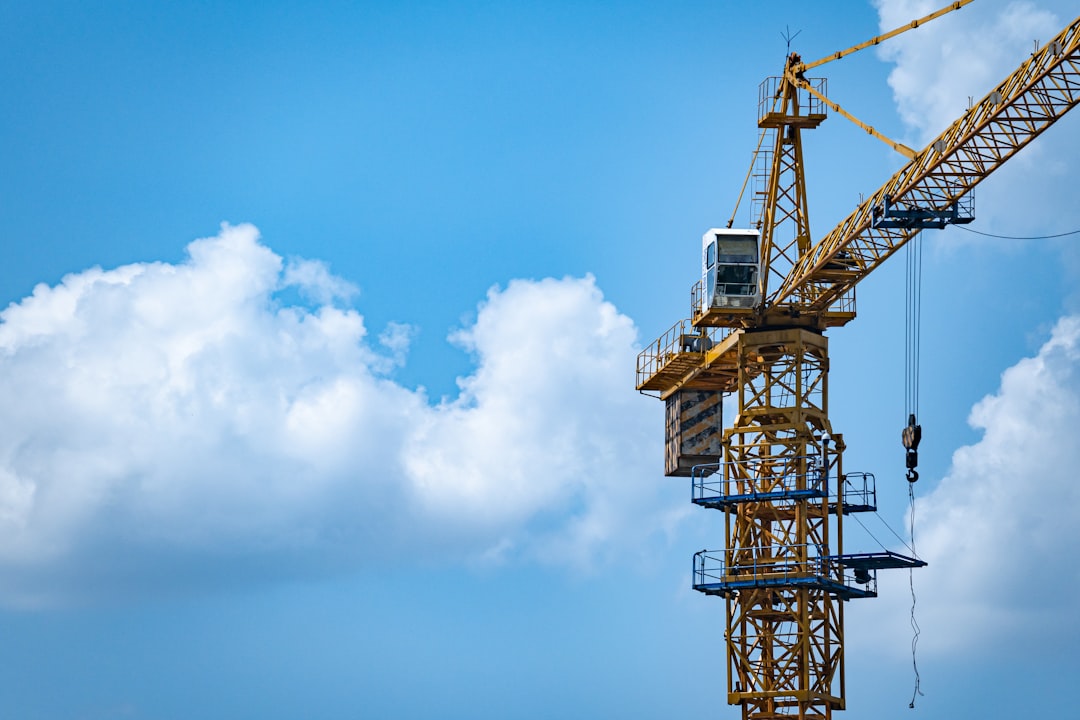
Urban infrastructure, the foundational framework upon which cities are built and sustained, represents the tangible manifestation of human organization and technological advancement. It is a complex, interconnected web of systems designed to facilitate societal functions, support economic activity, and enhance the quality of life for urban populations. Examination of these existing city systems reveals a compelling narrative of adaptation, innovation, and occasional decay, offering critical insights into the resilience and vulnerabilities of urban centers. One can view urban infrastructure as the city’s circulatory system, carrying essential resources and vital information, and its skeletal structure, providing support and form.
Transportation systems are arguably the most visible and widely experienced components of urban infrastructure. They dictate the flow of people and goods, shaping land use patterns, economic development, and social interaction. A city’s efficiency is often directly correlated with the effectiveness of its transportation infrastructure.
Road Systems and Traffic Management
The omnipresent network of roads, from multi-lane expressways to narrow residential streets, forms the backbone of terrestrial transportation. These systems are constantly evolving, grappling with increased vehicle densities and the persistent challenge of congestion.
Historical Development and Evolution
Early urban roads were often unpaved and followed natural contours. The advent of the automobile spurred significant investment in paved surfaces, standardized layouts, and complex intersection designs. Contemporary road networks reflect layers of historical decisions, often leading to incongruities and bottlenecks where older patterns meet newer demands. For example, many European cities retain historical radial-concentric road plans, while North American cities often exhibit grid-like structures.
Congestion and Its Mitigation Strategies
Urban congestion is a pervasive issue, a consequence of insufficient road capacity, inefficient traffic flow, and the sheer volume of vehicles. Cities employ various strategies to combat this, including intelligent transportation systems (ITS) that optimize traffic light timing, dedicated bus lanes, and congestion pricing schemes. The effectiveness of these measures varies, and often addresses symptoms rather than the root causes of overcrowding.
Integration with Other Modes
Modern urban planning increasingly emphasizes multimodal integration, encouraging seamless transitions between private vehicles, public transport, cycling, and walking. This includes dedicated bicycle lanes, shared-use paths, and strategically located park-and-ride facilities. The ideal is a harmonious symphony of movement where each mode complements the others.
Public Transit Systems
Public transit, encompassing buses, trams, subways, and commuter rail, plays a crucial role in reducing reliance on private vehicles, promoting sustainability, and ensuring equitable access to urban opportunities. It is often the most economical and environmentally friendly option for mass movement.
Types of Public Transit
Subway and light rail systems offer high-capacity, grade-separated transit, minimizing traffic interference and offering rapid transit across significant distances. Bus networks provide flexible, widespread coverage, adaptable to changing demands. Commuter rail connects suburban areas to urban cores, tackling the challenges of regional mobility. Each type has distinct operational characteristics, cost efficiencies, and environmental impacts.
Funding and Operational Challenges
Public transit systems often face significant funding challenges, relying on a combination of farebox revenue, government subsidies, and dedicated taxes. Operational challenges include maintaining aging infrastructure, managing labor costs, and adapting to fluctuating ridership patterns. The sustainability of these systems is a constant concern for municipal authorities.
Impact on Urban Development
Effective public transit can profoundly shape urban development, encouraging denser, mixed-use developments around transit hubs. This transit-oriented development (TOD) reduces commute times, fosters vibrant communities, and lessens urban sprawl.
Recent studies have shed light on the evidence of pre-existing infrastructure in ancient cities, challenging the conventional understanding of urban development. For a deeper exploration of this topic, you can refer to a related article that discusses the deceptions of ancient rulers and how they manipulated historical narratives to obscure the existence of advanced civilizations. This insightful piece can be found at Uncovering the Deceptions of Ancient Rulers.
Utilities Networks: The City’s Lifeblood
Utility networks are the unseen arteries and nerves of the city, delivering essential services that underpin modern urban life. Their reliability is paramount, as disruptions can have immediate and far-reaching consequences.
Water Supply and Wastewater Management
Access to clean water and efficient wastewater removal are fundamental public health provisions and indicators of urban development. These systems represent significant engineering feats, often drawing from distant natural sources and processing waste to mitigate environmental impact.
Source to Tap: Water Distribution
The journey of water from its source – be it a river, lake, or aquifer – to individual taps involves complex processes of extraction, treatment, and distribution. Water treatment plants remove impurities and ensure potability, while extensive piping networks deliver this vital resource across the city. Maintaining the integrity of these aging networks, preventing leaks, and addressing contamination risks are ongoing challenges.
Wastewater Collection and Treatment
Wastewater, once discharged, enters a separate collection system, often gravity-fed sewer networks, leading to treatment plants. These facilities remove pollutants before treated water is safely returned to natural water bodies. The efficiency of wastewater management directly impacts environmental health and public sanitation.
Stormwater Management
Beyond domestic wastewater, cities must also manage stormwater runoff, particularly in the face of increasingly unpredictable weather patterns. Impermeable surfaces in urban areas exacerbate runoff, leading to localized flooding and pollution. Sustainable urban drainage systems (SUDS) and green infrastructure approaches, such as permeable pavements and rain gardens, are being adopted to mitigate these effects.
Energy Distribution: Powering the Metropolis
Modern cities are prodigious consumers of energy, primarily electricity, but also natural gas. The infrastructure for energy distribution is complex, characterized by centralized generation and extensive transmission networks.
Electrical Grids
The electrical grid, a vast network of power plants, transmission lines, and substations, delivers electricity to homes, businesses, and industries. Maintaining grid stability, preventing blackouts, and adapting to decentralized renewable energy sources are critical challenges. The grid’s resilience against natural disasters and cyber threats is a growing concern.
Natural Gas Pipelines
Natural gas pipelines provide fuel for heating, cooking, and industrial processes. These networks pose their own set of maintenance and safety challenges, particularly in older cities where pipelines may be aging and susceptible to leaks.
Communication Infrastructure: The City’s Nervous System

In the information age, robust communication infrastructure is as vital as physical roadways. It facilitates economic activity, social connection, and emergency services, effectively acting as the city’s nervous system.
Telecommunications Networks
From traditional copper lines to fiber optics and wireless technologies, telecommunications networks enable the flow of data, voice, and video. Their ongoing development is characterized by ever-increasing bandwidth demands and the pursuit of ubiquitous connectivity.
Fixed-Line and Broadband Connectivity
Historically, copper telephone lines formed the basis of urban communication. Today, fiber optic cables are rapidly replacing legacy infrastructure, offering significantly higher speeds and reliability for broadband internet access. The “last mile” problem, connecting individual premises to high-speed networks, remains a key challenge.
Wireless Networks (Cellular and Wi-Fi)
Cellular towers and Wi-Fi hotspots provide wireless connectivity, essential for mobile devices and supporting smart city initiatives. The deployment of 5G technology promises even faster speeds and lower latency, enabling new applications like autonomous vehicles and advanced IoT devices.
Data Centers and Cloud Infrastructure
While not always visible, data centers are critical nodes within the communication infrastructure, housing the servers and networking equipment that power the digital economy. Cloud infrastructure, largely reliant on these centers, provides scalable computing resources to businesses and individuals, revolutionizing data storage and processing.
Waste Management Systems: The City’s Digestive Tract

Waste management, often overlooked until it fails, is a critical urban service responsible for collecting, treating, and disposing of refuse. It is the city’s digestive tract, preventing the accumulation of undesirable byproducts.
Solid Waste Collection and Disposal
The systematic collection of solid waste from households and businesses, followed by its transport to designated disposal sites, is fundamental to urban sanitation and public health.
Collection Methodologies
Collection methods vary, ranging from manual curbside pickup to automated systems utilizing specialized vehicles. The efficiency and environmental impact of these methods are often dependent on local regulations and investment in equipment.
Landfilling and Recycling Initiatives
Historically, landfills were the primary method of waste disposal. However, concerns about land scarcity and environmental pollution have driven increased emphasis on recycling, composting, and waste-to-energy technologies. Cities are continually seeking ways to reduce the volume of waste sent to landfills and extract value from discarded materials.
Hazardous Waste Management
Beyond general solid waste, cities must also manage hazardous waste, which includes medical waste, industrial byproducts, and certain household chemicals. This requires specialized collection, treatment, and disposal protocols to prevent environmental contamination and protect human health.
Recent studies have shed light on the evidence of pre-existing infrastructure in cities, highlighting how urban areas often possess hidden layers of development that date back centuries. This historical context is crucial for understanding current urban planning and economic resilience. For a deeper exploration of the implications of such infrastructure on future economic scenarios, you can read this insightful article on the worst-case economic scenarios unveiled in 2025. The findings emphasize the importance of recognizing these foundational elements as cities evolve. You can find the article here: worst-case economic scenarios unveiled.
Green Infrastructure: The City’s Lungs and Skin
| City | Type of Infrastructure | Age (Years) | Evidence Found | Significance |
|---|---|---|---|---|
| Rome | Roads and Aqueducts | 2000+ | Stone-paved roads, Aqua Appia aqueduct remains | Demonstrates advanced engineering and urban planning |
| Jericho | City Walls and Towers | 9000+ | Ancient stone walls and defensive towers | One of the earliest known urban fortifications |
| Mesopotamia (Uruk) | Canals and Irrigation Systems | 5000+ | Remnants of canal networks and irrigation ditches | Supports early agricultural urban development |
| Indus Valley (Mohenjo-Daro) | Drainage and Sewage Systems | 4500+ | Brick-lined drainage channels and wells | Indicates sophisticated sanitation infrastructure |
| Athens | Public Buildings and Roads | 2500+ | Ruins of temples, theaters, and paved streets | Reflects cultural and civic development |
Green infrastructure, often considered a newer paradigm in urban planning, integrates natural systems into the built environment to provide ecological, social, and economic benefits. It acts as the city’s lungs, purifying the air, and its skin, regulating its temperature and managing water.
Urban Parks and Green Spaces
Parks, gardens, and urban forests offer recreational opportunities, improve air quality, mitigate the urban heat island effect, and provide crucial habitat for biodiversity. They are vital for the mental and physical well-being of urban residents.
Recreational and Biodiversity Benefits
Urban green spaces are essential for leisure, exercise, and social interaction. They also serve as vital ecological corridors, supporting diverse plant and animal species and contributing to overall ecosystem health.
Urban Heat Island Mitigation
Impermeable surfaces and lack of vegetation in urban areas lead to higher temperatures compared to surrounding rural areas, a phenomenon known as the urban heat island effect. Green spaces, through evapotranspiration and shading, significantly reduce these temperatures, improving thermal comfort and reducing energy consumption for cooling.
Water-Sensitive Urban Design
Water-sensitive urban design (WSUD) integrates water cycle management into urban planning, embracing techniques that mimic natural hydrological processes. This includes features like rain gardens, permeable pavements, and constructed wetlands.
Stormwater Retention and Filtration
WSUD features are designed to retain and filter stormwater runoff, reducing the burden on conventional drainage systems and preventing pollution of waterways. This decentralized approach enhances flood resilience and recharges groundwater.
Enhancing Urban Amenity
Beyond their functional benefits, WSUD elements significantly enhance the aesthetic appeal and liveability of urban environments, creating attractive public spaces and fostering a connection with nature.
In conclusion, urban infrastructure is a testament to human ingenuity and continuous adaptation. Each system, from the grand scale of transportation networks to the nuanced intricacies of green infrastructure, plays an indispensable role in defining the character and functionality of our cities. As you navigate the urban landscape, consider these underlying systems; they are the unseen forces that allow the city to breathe, move, and thrive. Understanding their current state, their historical development, and the challenges they face provides a crucial lens through which to comprehend the complexities of modern urban living and to anticipate the future evolution of our built environment.
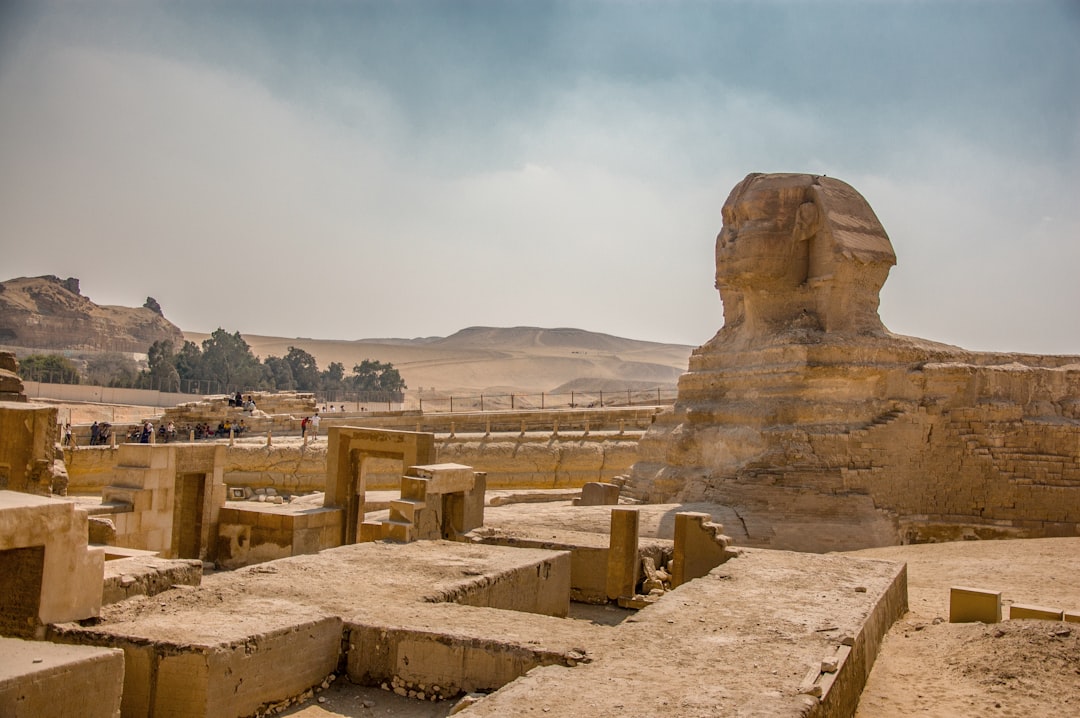
WATCH NOW ▶️ WARNING: They Erased The World Before Us
FAQs
What is meant by pre-existing infrastructure in cities?
Pre-existing infrastructure refers to the foundational physical systems and structures—such as roads, bridges, water supply, and sewage systems—that were already in place before new developments or expansions occurred in urban areas.
How do researchers find evidence of pre-existing infrastructure in cities?
Researchers use archaeological excavations, historical records, old maps, and modern technologies like ground-penetrating radar and remote sensing to uncover and analyze remnants of earlier infrastructure beneath or within current urban environments.
Why is it important to study pre-existing infrastructure in cities?
Studying pre-existing infrastructure helps urban planners and historians understand the development patterns, technological advancements, and cultural aspects of past societies, which can inform sustainable urban development and preservation efforts today.
Can pre-existing infrastructure affect modern city planning?
Yes, pre-existing infrastructure can influence modern city planning by dictating the layout of new developments, requiring integration or adaptation of old systems, and sometimes posing challenges due to aging or obsolete structures that need upgrading or removal.
Are there examples of cities with well-documented pre-existing infrastructure?
Yes, cities like Rome, Athens, and Istanbul have extensively documented pre-existing infrastructure, including ancient aqueducts, roads, and public buildings, which have been studied to understand their historical urban development and influence on modern city layouts.