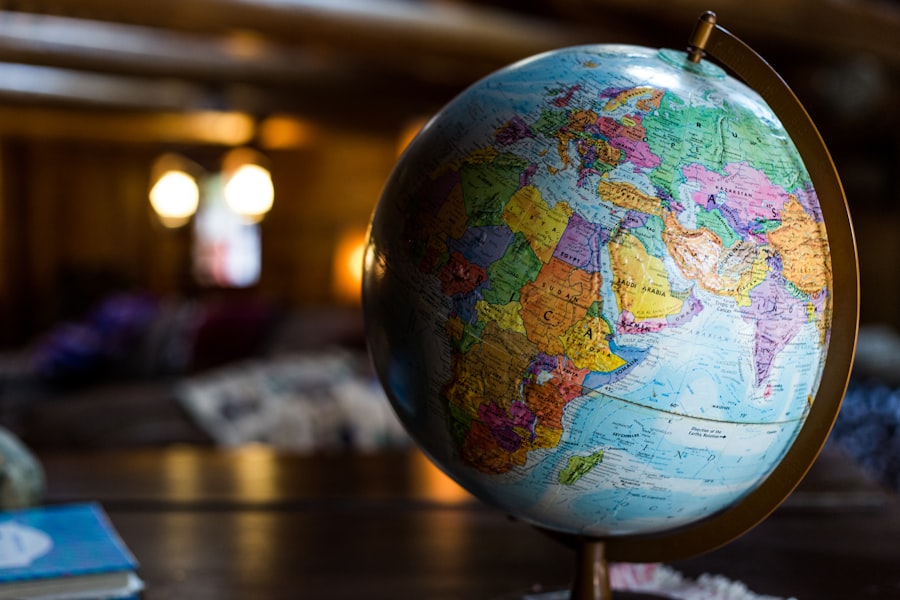
The Earth, a canvas of continents and oceans, has long been perceived as a static entity. Yet, beneath the seemingly immutable lines of our maps lies a dynamic reality. Rising sea levels, a relentless tide driven by a warming planet, are not merely an abstract scientific concept; they are a tangible threat to nations. This article delves into the phenomenon of “vanishing nations,” exploring the geological and societal implications of countries literally drowning beneath the waves.
The very idea of land disappearing is a stark reminder that our planet is a living, breathing entity, constantly in flux. Sea level rise, however, is not a geological epoch unfolding over millennia, but a process accelerating at an unprecedented pace in humanity’s recorded history. This acceleration is the unseen architect behind the impending disappearance of entire nations.
The Dual Engines of a Swelling Ocean
The ocean’s embrace of our coastlines is a multifaceted phenomenon, driven by two primary, interconnected forces: thermal expansion and the melting of ice sheets and glaciers.
- Thermal Expansion: The Ocean’s Fever: As the Earth’s average temperature climbs, so too does the temperature of its oceans. Water, like most substances, expands when heated. This seemingly small expansion, when applied to the vast volume of the world’s oceans, translates into a significant increase in sea level. Imagine a pot of water on a stove; as it heats, the water level rises. The same principle, scaled to planetary proportions, is at play. This is a slow burn, a persistent expansion that steadily encroaches upon the land.
- Melting Ice: The Grand Unburdening: The Earth’s cryosphere, the frozen parts of the planet, is a colossal reservoir of freshwater. Glaciers, ice caps, and the massive ice sheets of Greenland and Antarctica have, for millennia, locked away vast quantities of water. As global temperatures rise, this ice begins to melt at an accelerated rate. This meltwater then flows into the oceans, directly contributing to their volume and, consequently, their level. The thawing of these frozen giants is akin to a colossal ice cube melting in a glass, visibly raising the water level.
Historical Context: A Slow but Steady Advance
While the current acceleration is alarming, sea level rise is not a new phenomenon. Even before the industrial revolution, the oceans were gradually creeping higher. However, the rate of rise observed in recent decades far outstrips historical norms. Paleoclimatology, the study of past climates, reveals that past periods of significant warming also corresponded with higher sea levels, but these changes typically occurred over much longer timescales, allowing ecosystems and human societies to adapt more gradually. The current rate is a sharp, almost violent, deviation from this historical rhythm.
Projections and Uncertainties: The Crystal Ball of Climate Science
Climate scientists employ sophisticated models to project future sea level rise. These projections are based on various emission scenarios, reflecting different pathways of greenhouse gas emissions. The range of projections highlights the inherent uncertainties in predicting the complex interactions within the Earth’s climate system. Factors such as the rate of ice melt, ocean currents, and feedback loops can influence the final outcome.
- Low Emission Scenarios: Even under optimistic scenarios where global emissions are drastically reduced, some degree of further sea level rise is inevitable due to the inertia of the climate system and the committed warming already locked in. The impact, while still significant, would be mitigated compared to higher emission pathways.
- High Emission Scenarios: Conversely, under scenarios with continued high greenhouse gas emissions, projections indicate a much more dramatic and potentially catastrophic rise in sea levels. These scenarios paint a grim picture of widespread inundation and displacement.
The issue of vanishing nations and the impact of rising sea levels on countries is a pressing concern in today’s world. For a deeper understanding of this topic, you can explore the article titled “Drowning Countries: The Maps That Show Our Future” available at Real Lore and Order. This article provides insightful maps and analysis that illustrate how certain nations are at risk of disappearing due to climate change, highlighting the urgent need for global awareness and action.
The Front Lines: Nations Facing the Tide
The gradual encroachment of the ocean is not an abstract threat; it is a lived reality for millions. Certain nations, due to their geographical characteristics, are disproportionately vulnerable to the impacts of rising sea levels. These are the front lines in the battle against a terrestrial transformation.
Low-Lying Archipelagos: Islands Adrift
Island nations, particularly those comprised of atolls and low-lying coral islands, are the most acutely endangered. Their elevation above sea level is often measured in mere meters, making them exceptionally susceptible to even modest increases.
- The Maldives: A Jewel in Peril: The Maldives, an archipelago nation in the Indian Ocean, is often cited as a prime example of extreme vulnerability. With its highest natural point only a few feet above sea level, much of the islands face imminent submersion. The economic and cultural fabric of the Maldives is intricately tied to its coastal environment, and its future hangs precariously in the balance.
- Kiribati: The Republic of the Rising Tide: Similarly, the Pacific island nation of Kiribati faces an existential threat. Its low-lying islands are already experiencing saltwater intrusion into freshwater sources, impacting agriculture and potable water supplies. The government has actively explored options for land acquisition in other countries as a potential adaptive strategy, a stark testament to the severity of their situation.
- Tuvalu: A Disappearing Dot: This Polynesian island nation, with an average elevation of about 2 meters, is another stark illustration of the crisis. The encroaching sea is already eroding beaches, damaging infrastructure, and threatening the limited arable land. Their fate is a harbinger of what could befall other vulnerable coastal communities.
Deltaic Regions: The Sinking Foundations
River deltas, fertile cradles of civilization for millennia, are also highly vulnerable. These low-lying, sediment-rich regions, often densely populated, are susceptible to both inundation and land subsidence.
- Bangladesh: A Nation on the Brink: The vast delta of the Ganges, Brahmaputra, and Meghna rivers, home to a significant portion of Bangladesh’s population, is a prime example. This low-lying country is highly susceptible to storm surges, which are amplified by rising sea levels, leading to devastating floods and permanent inundation of coastal areas. The displacement of millions is a predictable consequence.
- The Nile Delta: Egypt’s Lifeline Imperiled: Egypt’s Nile Delta, another critical agricultural region and densely populated area, faces similar threats. Salinization of agricultural lands and the loss of coastal communities are significant concerns, potentially impacting food security and exacerbating social instability.
Coastal Megacities: Urban Jungles in the Water’s Path
Many of the world’s most populous cities are situated on coastlines, built upon what were historically deemed safe harbors. These urban centers, economic engines of their nations, now find themselves directly in the path of the rising tide, transforming them into potential waterborne metropolises.
- Jakarta, Indonesia: Sinking Faster Than the Sea Rises: Jakarta is a prime example of a megacity grappling with sinking land exacerbated by groundwater extraction, alongside rising sea levels. This double whammy means the city is receding into the ocean at an alarming rate, necessitating costly and monumental relocation efforts.
- Venice, Italy: An Ancient Lady Besieged: The iconic city of Venice, already famous for its acqua alta (high water) events, is facing an intensified threat. While its unique infrastructure has historically adapted, the accelerating pace of sea level rise is pushing its resilience to the limit, threatening its cultural heritage and economic viability.
Beyond Geography: The Human Cost of Vanishing Nations
The disappearance of land is not merely an environmental or geographical phenomenon; it is a profound human tragedy. The loss of territory translates into displacement, cultural erosion, and immense socio-economic challenges for the affected populations. These are not abstract statistics; they are the stories of individuals and communities whose lives are irrevocably altered.
Displacement and Migration: The Unwilling Exodus
As coastlines recede, the most direct and devastating consequence is the displacement of people. Entire communities may be forced to abandon their ancestral homes, their livelihoods, and their cultural heritage. This creates a growing tide of climate refugees.
- Internal Displacement: The Neighborhood Evacuated: Initially, displacement is often internal, with people moving to higher ground within their own country. This strains resources, infrastructure, and social services in receiving areas, potentially leading to new conflicts and challenges.
- International Migration: Seeking Sanctuary Beyond Borders: As the situation becomes untenable, international migration becomes an unavoidable reality for many. The legal and ethical frameworks for addressing climate-induced migration are still developing, creating a complex and often fraught landscape for those seeking refuge. The question of who bears responsibility for these displaced populations is a significant geopolitical challenge.
Loss of Culture and Heritage: Erasing Centuries of Existence
A nation’s identity is deeply intertwined with its land, its history, and its cultural traditions. The submersion of coastal regions can lead to the irreversible loss of this heritage.
- Ancestral Lands and Sacred Sites: For many island nations, their islands are not just land, but the physical embodiment of their history, their spiritual beliefs, and their connection to their ancestors. The loss of these lands can be akin to the erasure of their very being.
- Unique Lifestyles and Traditions: Many coastal communities have developed unique ways of life intrinsically linked to their environment – fishing practices, agricultural techniques, and local traditions. As their land disappears, so too do these cherished ways of life, leaving behind a void that is difficult, if not impossible, to fill.
Economic Ruin: The Foundations Washed Away
The economic foundations of coastal nations are often intimately tied to their maritime resources and coastal infrastructure. Rising sea levels can systematically dismantle these economic engines.
- Loss of Arable Land and Fisheries: Saltwater intrusion contaminates freshwater sources and agricultural lands, rendering them infertile. Coastal erosion and changing ocean conditions can decimate fisheries, a vital source of food and income.
- Damage to Infrastructure and Tourism: Ports, roads, homes, and businesses located in coastal areas are vulnerable to flooding and erosion. The tourism industry, a critical economic driver for many island nations, can be severely impacted by beach erosion and the degradation of coral reefs.
Adaptation and Mitigation: The Two Pillars of Response
The looming threat of vanishing nations necessitates a two-pronged approach: adaptation to the inevitable changes and mitigation of the underlying causes.
Adaptation Strategies: Building Resilience Against the Flood
Adaptation refers to the adjustments in ecological, social, or economic systems in response to actual or expected climatic stimuli and their effects or impacts. For nations facing inundation, adaptation is not an option, but a necessity for survival.
- Coastal Defenses: Building Walls Against the Sea: Engineering solutions such as seawalls, dikes, and breakwaters can offer some protection to vulnerable coastal areas. However, these are often expensive, require ongoing maintenance, and may not be feasible for entire island nations. The scale of the problem can dwarf the capacity for such defenses.
- Relocation and Managed Retreat: A Difficult but Necessary Step: In some cases, the most effective adaptation strategy may be to relocate entire communities to higher ground or even to other countries. This is a complex and emotionally charged process, but it can be a pragmatic approach to ensure the safety and long-term survival of populations.
- Saltwater-Resistant Agriculture and Water Management: Developing and implementing agricultural techniques that can tolerate higher salinity levels and improving water management systems to cope with saltwater intrusion are crucial for food security.
Mitigation Efforts: Taming the Climate’s Fury
Mitigation refers to human intervention to stabilize the Earth’s climate system, largely by reducing the concentration of greenhouse gases in the atmosphere. Addressing the root cause of sea level rise is paramount to preventing further land loss.
- Transition to Renewable Energy: Powering a Sustainable Future: A global shift away from fossil fuels towards renewable energy sources – solar, wind, geothermal – is essential to curb greenhouse gas emissions. This requires significant investment and political will.
- Forestry and Land Use: The Planet’s Carbon Sinks: Protecting and expanding forests, which act as natural carbon sinks, and adopting sustainable land-use practices can help absorb atmospheric carbon dioxide.
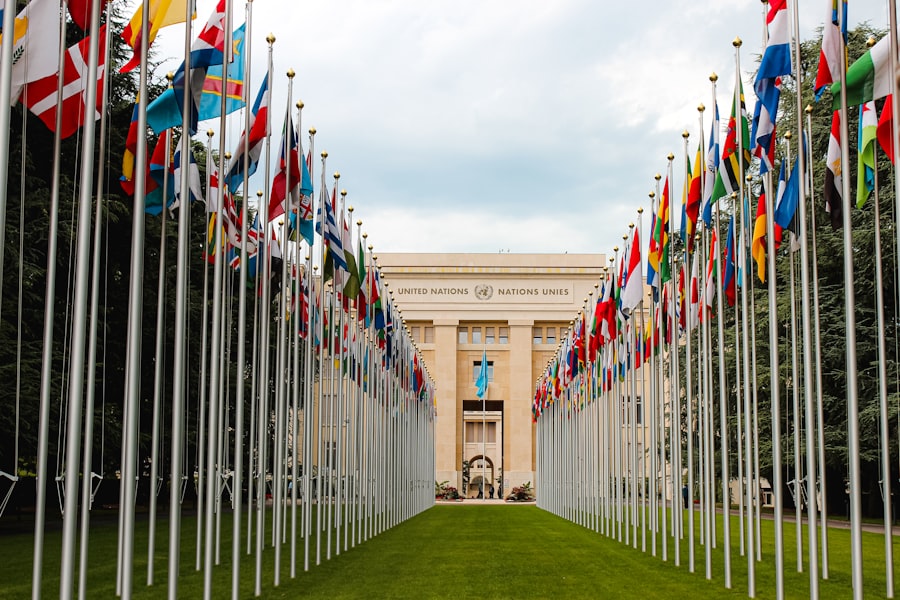
- International Cooperation and Policy: A United Front Against a Global Threat: Addressing climate change and its consequences requires unprecedented international cooperation. Global agreements, national policies, and individual actions are all critical components of a comprehensive mitigation strategy. The challenge of vanishing nations underscores the urgent need for collective action.
As climate change continues to threaten coastal regions around the world, the concept of vanishing nations has gained significant attention. A recent article explores the implications of rising sea levels on countries that are at risk of disappearing from maps altogether. This thought-provoking piece delves into the challenges faced by these nations and the urgent need for global awareness and action. For more insights on this pressing issue, you can read the full article here.
The Future of Our Shores: A Choice Between Two Worlds
| Country/Region | Estimated Land Loss (sq km) | Primary Cause | Population Affected | Year of Data | Notes |
|---|---|---|---|---|---|
| Maldives | Approximately 20 | Sea level rise | ~540,000 | 2023 | Lowest-lying country, at risk of becoming uninhabitable |
| Kiribati | ~10 | Coastal erosion and sea level rise | ~120,000 | 2023 | Government exploring relocation options |
| Tuvalu | ~5 | Sea level rise | ~11,000 | 2023 | One of the smallest and most vulnerable island nations |
| Bangladesh (coastal areas) | ~1,000 | Flooding and sea level rise | Millions in coastal zones | 2022 | High risk of displacement due to flooding |
| Marshall Islands | ~15 | Sea level rise and storm surges | ~59,000 | 2023 | Threatened by increasing frequency of extreme weather |
| Netherlands (coastal regions) | Variable, managed by dikes | Sea level rise | Millions | 2023 | Extensive flood defense systems in place |
The phenomenon of vanishing nations is a stark warning from the planet itself. It is a test of humanity’s collective will and capacity for foresight. The lines on our maps are not etched in stone; they are subject to the powerful, and increasingly dangerous, forces of a changing climate.
The Legacy We Leave: A World Submerged or a World Rescued?
The choices made today will determine the future of countless coastal communities and the very shape of our world. Will we be remembered as the generation that stood by as entire nations were swallowed by the sea, or as the generation that rose to the challenge, mitigating the worst impacts and adapting to new realities? The narratives of vanishing nations are not just about lost land; they are about the potential loss of human ingenuity, resilience, and the enduring spirit of adaptation.
The Call to Action: Beyond the Horizon
The articles about vanishing nations are not merely academic exercises; they are urgent calls to action. They demand that we move beyond complacency and confront the reality of a warming planet and its profound consequences. The future of many nations, their very existence, is a question mark on the horizon, and the ink with which that question mark is written is, alarmingly, water. The maps of tomorrow may be redrawn by the relentless advance of the ocean, and the stories of those who once called these lands home will become cautionary tales whispered on the wind. The world watches, and the tide waits for no one.
FAQs
What are vanishing nations?
Vanishing nations refer to countries or territories that are at risk of disappearing due to environmental factors such as rising sea levels, natural disasters, or other ecological changes.
Why are some countries referred to as “drowning countries”?
“Drowning countries” is a term used to describe nations that are experiencing significant land loss or submersion primarily because of climate change-induced sea level rise, leading to flooding and habitat loss.
How do maps help in understanding vanishing nations and drowning countries?
Maps visually represent geographic changes over time, showing areas affected by rising sea levels, erosion, or other environmental threats, helping researchers and policymakers track and plan for the impacts on vulnerable nations.
Which regions are most affected by the phenomenon of vanishing nations?
Low-lying island nations in the Pacific and Indian Oceans, such as the Maldives, Kiribati, and Tuvalu, as well as coastal areas in countries like Bangladesh, are among the most affected by rising sea levels and land loss.
What measures are being taken to address the challenges faced by vanishing nations?
Efforts include international climate agreements to reduce greenhouse gas emissions, development of coastal defenses, relocation plans for affected populations, and raising global awareness about the plight of these vulnerable nations.