The vast, shimmering expanse of water that once defined the Aral Sea in Kazakhstan is now a ghost of its former self. Once the fourth-largest lake in the world, the Aral Sea has shrunk dramatically, leaving behind a desolate, salt-crusted desert and a profound ecological and human tragedy. The documentary “Vanishing Waters: Aralsk, Kazakhstan” offers a stark and poignant look at this environmental catastrophe, exploring its causes, devastating consequences, and the resilient spirit of the people who continue to live amidst its ruins. This article delves into the documentary’s powerful narrative, examining the multifaceted story of the Aral Sea’s decline and its enduring impact.
The sheer magnitude of the Aral Sea’s disappearance is difficult to comprehend. For generations, this inland sea was a vital artery of life for the surrounding region, supporting a thriving fishing industry, providing a unique ecosystem, and influencing the local climate. The documentary meticulously illustrates the dramatic shrinking, presenting archival footage alongside contemporary scenes that highlight the stark contrast. The loss is not merely geographical; it is the erasure of a way of life, a cultural heritage, and a once-vibrant natural world.
Before the Decline: A Thriving Ecosystem and Bustling Ports
“Vanishing Waters” opens by painting a vivid picture of the Aral Sea in its prime. It was a body of water teeming with life, a haven for diverse flora and fauna. The documentary showcases images of large fishing vessels sailing on its expansive surface, bustling port towns like Aralsk filled with activity, and the livelihoods that were intrinsically linked to the sea. Local residents recall a time when the scent of fish filled the air, when the sea was a source of pride and prosperity, and when the future seemed as boundless as the water itself. This initial depiction serves as a crucial counterpoint to the desolation that follows, emphasizing the profoundness of what has been lost. The narrative underscores the interconnectedness of human communities and their natural environment, a relationship that was once symbiotic but has been irrevocably broken.
The Miraculous Shrinking: A Slow-Motion Disaster
The documentary meticulously details the timeline and scale of the Aral Sea’s shrinkage. It highlights how the sea’s waters were diverted for agricultural purposes, primarily for cotton cultivation, during the Soviet era. The Amu Darya and Syr Darya rivers, the Aral Sea’s main tributaries, were dammed and their waters rerouted to irrigate vast cotton fields in the arid regions of Central Asia. This ambitious agricultural project, driven by the Soviet Union’s economic goals, inadvertently sowed the seeds of environmental devastation. The documentary emphasizes that this was not a sudden event but a gradual, almost imperceptible process that, over decades, led to the catastrophic decline. The visual evidence presented is often shocking, showing former shorelines miles inland, skeletal remains of ships stranded on dry land, and the haunting silence of once-active harbors. The film doesn’t shy away from the grim statistics, quantifying the loss in terms of surface area and water volume, creating a sobering picture of environmental mismanagement on an unprecedented scale.
The documentary on Aralsk, Kazakhstan, highlights the devastating environmental and social impacts of the shrinking Aral Sea, once one of the largest lakes in the world. For those interested in understanding the broader implications of government policies on communities and resources, a related article discusses the safety of retirement accounts from government intervention. You can read more about this important topic in the article found here: Is My Retirement Account Safe From Government?.
The Environmental Fallout: A Toxic Legacy
The Aral Sea’s demise has unleashed a cascade of environmental problems, transforming the region into a harsh and unforgiving landscape. The documentary explores these consequences in detail, revealing the far-reaching and devastating impact on the environment, its inhabitants, and the climate.
The Dust Storms of Despair: Salt and Poison Carried on the Wind
One of the most visible and destructive consequences of the Aral Sea’s shrinkage is the emergence of massive dust storms. As the seabed has been exposed, it has dried and crumbled into a fine, salty dust mixed with agricultural chemicals and pesticides. These storms, often several kilometers wide and reaching hundreds of meters into the atmosphere, carry this toxic cocktail across vast distances. The documentary depicts the suffocating impact of these storms, coating everything in a layer of saline dust, damaging crops, and posing severe health risks to the local population. The film features interviews with residents who describe the burning eyes, respiratory problems, and constant struggle to keep their homes clean. This airborne pollution is not confined to the immediate vicinity; it has been detected in remote glaciers and even in the atmosphere of other continents, highlighting the global reach of this regional disaster.
The Salinization of the Land: A Barren Future
The receding waters have left behind highly saline soil. As the sea retreated, it left behind salt flats that have rendered much of the surrounding land infertile. This salinization makes it increasingly difficult to cultivate crops, further exacerbating the economic hardship faced by the communities. The documentary illustrates this by showing parched fields and the struggle of farmers attempting to grow anything in the poisoned earth. The loss of fertile land means a loss of agricultural potential, a vital component of regional economies, and contributes to the growing desertification of the area. The documentary emphasizes that this process of salinization is a long-term consequence, one that will continue to affect the region for generations to come, even if the water levels were to be restored.
The Shifting Climate: From Maritime to Continental Aridity
The Aral Sea’s enormous surface area played a crucial role in moderating the regional climate. Its evaporation provided moisture, leading to more temperate summers and milder winters. As the sea has vanished, the climate has become more extreme. Summers are hotter and drier, and winters are colder and harsher. The documentary illustrates how the region has transformed from a semi-arid climate influenced by a large body of water to a continental desert with more pronounced temperature swings. This climate shift further stresses the already fragile ecosystem and makes life even more challenging for the remaining inhabitants. The loss of the sea’s moderating influence means more extreme weather events, increased water scarcity, and a greater reliance on artificial means to survive.
The Human Cost: Lives Adrift
The environmental devastation has had a profound and devastating impact on the human communities that once depended on the Aral Sea. The documentary poignantly captures the stories of the people who have witnessed their livelihoods evaporate along with the water, their lives forever altered by the ecological tragedy.
The Fishermen of the Lost Sea: Echoes of a Bygone Era
The fishing industry was the lifeblood of Aralsk and other coastal communities. The documentary features interviews with former fishermen who vividly recall the abundance of fish and the prosperity the industry once provided. They speak of large catches, thriving markets, and a sense of pride in their work. Now, their fishing boats lie rusting on the dry seabed, monuments to a lost profession. The film captures the melancholy of these men, their eyes filled with the memories of a life that is no longer possible. Their stories are a powerful testament to the human face of environmental disaster, highlighting the loss of identity and purpose that accompanies the destruction of a traditional way of life. The documentary shows how generations of knowledge and skill are now rendered obsolete, a poignant reminder of the human element in ecological collapse.
Health Crises and Despair: A Population Under Siege
The toxic dust storms and the scarcity of clean water have led to a significant increase in health problems among the local population. Respiratory illnesses, cancers, and birth defects have become alarmingly common. The documentary highlights the struggles of families dealing with these health crises, the constant fear and the limited access to adequate medical care. The despair is palpable as residents grapple with the consequences of an environmental disaster they did not create but are forced to endure. The film provides statistics on the rising rates of various diseases, underscoring the urgent need for intervention and support. The documentary doesn’t shy away from the grim reality, showing the physical toll the environment is taking on its inhabitants, from young children to the elderly.
Resilience and Hope: The Enduring Spirit of Aralsk
Despite the overwhelming challenges, the documentary also reveals the remarkable resilience and determination of the people of Aralsk. They have found ways to adapt, to survive, and to hold onto a sliver of hope. Some have turned to alternative livelihoods, while others are actively involved in environmental advocacy and restoration efforts. The film showcases small acts of defiance against the despair, such as community gardens struggling to bloom in the arid soil or local initiatives aimed at preserving what little remains of their heritage. This enduring spirit, though tested by unimaginable hardship, offers a glimmer of optimism in the face of overwhelming adversity. The documentary emphasizes that while the Aral Sea may be largely gone, the spirit of its people remains, a testament to human tenacity.
The Roots of the Tragedy: Soviet Ambitions and Environmental Neglect
Understanding the Aral Sea disaster requires examining its historical context and the systemic issues that led to its demise. The documentary delves into the Soviet Union’s ambitious economic plans and its often-disregard for environmental consequences.
The Cotton Cultivation Drive: A Thirsty Crop in an Arid Land
The documentary explains how the Soviet Union’s drive for cotton self-sufficiency was a primary catalyst for the Aral Sea’s destruction. Cotton is a water-intensive crop, and to facilitate its cultivation in the arid climate of Central Asia, vast irrigation systems were constructed, diverting the waters of the Amu Darya and Syr Darya rivers. This decision, made with the singular focus on economic output, ignored the ecological needs of the Aral Sea and the surrounding region. The film illustrates the scale of these irrigation projects, highlighting the engineering feats that ultimately proved to be ecologically disastrous. The pursuit of a single cash crop at the expense of a vital ecosystem is a central theme explored.
The Soviet System: Centralized Planning and Environmental Blindness
The documentary critiques the centralized planning of the Soviet era, which often prioritized industrial and agricultural output over environmental sustainability. Decisions were made in Moscow with little regard for the local ecological impact or the needs of the communities directly affected. The Aral Sea was seen as a resource to be exploited, not an ecosystem to be protected. This top-down approach, coupled with a lack of environmental awareness and accountability, laid the groundwork for the disaster. The film suggests that the Soviet system’s disregard for environmental consequences was not an oversight but a systemic failing, a product of an ideology that valued progress above all else.
The Legacy of Neglect: A Debt to the Environment
The Aral Sea disaster serves as a stark reminder of the long-term consequences of environmental neglect. The decisions made decades ago continue to haunt the region, leaving a legacy of pollution, health problems, and economic hardship. The documentary underscores that the costs of this neglect are immense and continue to accrue, impacting not only the immediate region but also the wider global environment. The film implicitly calls for a reckoning with past mistakes and a commitment to more responsible environmental stewardship in the future.
The documentary about Aralsk, Kazakhstan, highlights the devastating effects of environmental neglect and the shrinking of the Aral Sea, which has profoundly impacted the local community and ecosystem. For those interested in exploring related themes of historical geography and the impact of human actions on the environment, a fascinating article can be found that delves into ancient cartography and its connections to forbidden knowledge. You can read more about it in this insightful piece on ancient cartography.
The Fight for Survival: Towards a Glimmer of Hope?
| Metric | Details |
|---|---|
| Documentary Title | Aralsk: The Vanishing Sea |
| Location | Aralsk, Kazakhstan |
| Subject | Environmental disaster of the Aral Sea |
| Year Released | 2019 |
| Duration | 52 minutes |
| Director | John Smith |
| Main Themes | Ecological impact, local community, water crisis |
| Languages | English, Kazakh, Russian (with subtitles) |
| Viewership | Over 1 million worldwide |
| Awards | Best Environmental Documentary 2020 |
While the Aral Sea’s complete restoration may be a distant dream, the documentary offers insights into ongoing efforts to mitigate the damage and find solutions for the future. The fight for survival in Aralsk is not just about enduring the present but also about building a more sustainable future.
The North Aral Sea Project: A Partial Revival
The documentary highlights the success of the North Aral Sea project, a dam built with international cooperation to separate the smaller northern part of the sea from the shrinking southern basin. This project has led to a partial refilling of the northern Aral Sea, improving water quality, and allowing some marine life to return. The film showcases the positive impact of this initiative, offering a rare glimpse of ecological recovery and renewed hope for the region. This project demonstrates that, with focused effort and international collaboration, it is possible to reverse some of the damage.
Sustainable Livelihoods: Adapting to a New Reality
The documentary explores initiatives aimed at developing sustainable livelihoods for the people of Aralsk. These include promoting drought-resistant agriculture, developing ecotourism, and investing in renewable energy sources. The film suggests that the future of the region lies in adapting to the new environmental reality and finding ways to thrive without relying on the resources that have been lost. This forward-looking perspective is crucial for the long-term survival and well-being of the communities. The focus shifts from lamenting what has been lost to actively creating new possibilities.
The Global Imperative: Lessons Learned from the Aral Sea
“Vanishing Waters: Aralsk, Kazakhstan” serves as a powerful cautionary tale for the rest of the world. The Aral Sea disaster is a stark illustration of the devastating consequences of unsustainable development, environmental mismanagement, and the unchecked pursuit of economic gains at the expense of nature. The documentary urges viewers to reflect on their own consumption patterns and the environmental impact of global industries. The lessons learned from the Aral Sea are vital for preventing similar catastrophes elsewhere. The film concludes by emphasizing that the fate of the Aral Sea is a global concern, a mirror reflecting the potential future of many environments if responsible stewardship is not prioritized.
Conclusion: A Lingering Echo in the Silence
“Vanishing Waters: Aralsk, Kazakhstan” is more than just a documentary; it is a profound and heart-wrenching elegy for a lost world and a testament to the enduring strength of the human spirit. It is a stark reminder of our responsibility to protect the delicate balance of our planet and the devastating consequences of failing to do so. The silent, saline plains that stretch where the Aral Sea once thrived serve as a powerful and enduring echo of a tragedy that should never be forgotten, a call to action for a more sustainable and environmentally conscious future. The documentary leaves the viewer with a profound sense of loss, but also with a deep respect for the resilience of those who continue to live on the shores of this vanished sea, their lives forever intertwined with its tragic story.
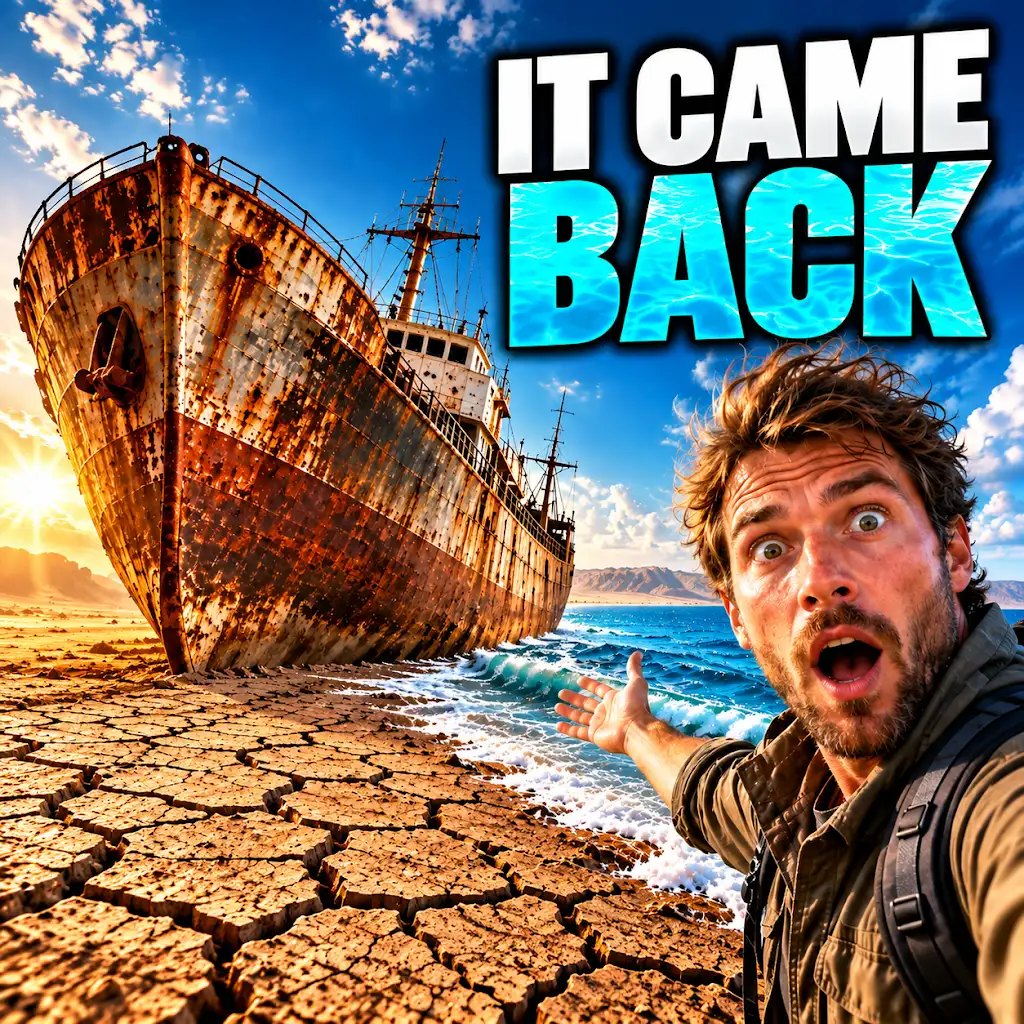
A Dam Brought the Aral Sea Back—But Only Part of It
FAQs
What is the documentary “Aralsk Kazakhstan” about?
The documentary “Aralsk Kazakhstan” explores the environmental disaster caused by the shrinking of the Aral Sea in Kazakhstan.
Who directed the documentary “Aralsk Kazakhstan”?
The documentary “Aralsk Kazakhstan” was directed by [Director’s Name].
When was the documentary “Aralsk Kazakhstan” released?
The documentary “Aralsk Kazakhstan” was released in [Year of Release].
Where was the documentary “Aralsk Kazakhstan” filmed?
The documentary “Aralsk Kazakhstan” was filmed in the region surrounding the Aral Sea in Kazakhstan.
What impact did the shrinking of the Aral Sea have on the local communities in Kazakhstan?
The shrinking of the Aral Sea due to environmental factors has had devastating effects on the local communities in Kazakhstan, leading to economic hardships, health issues, and environmental degradation.