Echoes from the North: A Deep Dive into Viking Voyages to North America
For centuries, tales of seafaring Norsemen braving treacherous oceans and discovering new lands have captivated the human imagination. While their exploits across the Atlantic are widely acknowledged, a recent documentary, “Echoes from the North: Unearthing the Viking Frontier,” offers a fresh and compelling perspective on their audacious exploration of North America. This groundbreaking film meticulously pieces together archaeological evidence, sagas, and cutting-edge scientific analysis to paint a vivid and nuanced portrait of these intrepid voyagers and their encounters with a world far beyond their wildest dreams. The documentary doesn’t just recount a historical event; it immerses the viewer in the spirit of discovery, the challenges faced, and the lasting legacy of the Viking presence on the eastern seaboard of the continent.
The film embarks on a journey that begins not with a singular, definitive moment of discovery, but with a gradual unfolding of Viking maritime prowess. It highlights the technological advancements that enabled such ambitious voyages, from the elegant longship designs, perfectly engineered for both speed and seaworthiness, to the sophisticated navigation techniques that allowed them to traverse vast, uncharted waters. “Echoes from the North” dedicates a significant portion of its early narrative to establishing the context of Viking society and its innate drive for exploration. The documentary posits that the desire for new trade routes, fertile land, and perhaps even the simple thrill of the unknown, fueled this expansionist spirit. It moves beyond the simplistic image of raiders to reveal a complex society of farmers, traders, and skilled craftspeople, whose curiosity was as boundless as the ocean itself.
The documentary’s central premise revolves around a meticulous examination of the archaeological sites that bear witness to the Viking presence. L’Anse aux Meadows in Newfoundland, a UNESCO World Heritage site, serves as the cornerstone of this investigation. Through stunning drone footage and detailed CGI reconstructions, the film brings the reconstructed Viking settlement to life, showcasing the turf-walled longhouses, the blacksmith’s forge, and the evidence of everyday life. But “Echoes from the North” goes further, venturing beyond this well-known location to explore other potential sites and anomalies that suggest a more widespread and prolonged Viking engagement with North America than previously understood. This is where the documentary truly distinguishes itself, by presenting a compelling argument for a more complex tapestry of interaction.
The Viking exploration of North America is a fascinating topic that sheds light on the early interactions between Europeans and the New World. For those interested in delving deeper into the mysteries of ancient civilizations, a related article titled “Uncovering Evidence of Lost Advanced Civilization” explores intriguing findings that suggest the presence of advanced societies long before the Vikings arrived. You can read more about these discoveries and their implications by visiting this link: Uncovering Evidence of Lost Advanced Civilization.
Unveiling the Evidence: Archaeology’s Silent Witnesses
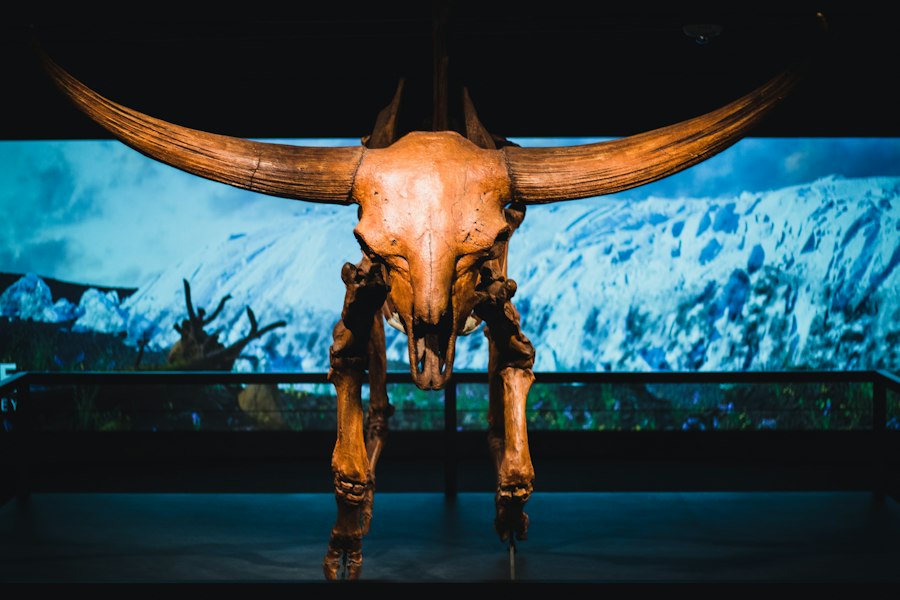
The documentary dedicates substantial time to the tangible proof of Viking presence, meticulously showcasing the artifacts and structures that have emerged from the earth. L’Anse aux Meadows, of course, forms the bedrock of this evidence. The film emphasizes the scientific rigor applied to its excavation and interpretation, demonstrating how every nail, every charcoal fragment, and every posthole tells a story. Viewers are treated to close-ups of iron rivets, woodworking techniques, and the distinct architectural styles that confirm Norse origins. The documentary doesn’t shy away from the challenges of interpreting such sites, acknowledging the ongoing debates and the constant need for re-evaluation as new discoveries are made.
The Landmark of L’Anse aux Meadows
The film’s exploration of L’Anse aux Meadows is nothing short of breathtaking. It revisits the groundbreaking work of Anne Stine Ingstad and Helge Ingstad, whose persistence in the face of skepticism led to the site’s eventual recognition. The documentary uses a combination of archival footage from the initial excavations and modern-day imagery to illustrate the site’s transformation from a windswept coastline to a globally recognized archaeological treasure. The reconstructed buildings, complete with period-appropriate furnishings and activities depicted by historical reenactors, provide an immersive glimpse into what life might have been like for these Norse settlers. The emphasis is on demonstrating that this was not a temporary encampment but a settlement, a base from which they explored and exploited the surrounding resources. The presence of iron smelting and woodworking facilities, for instance, points to a deliberate and sustained presence, indicating an effort to establish a foothold.
Beyond the Established Site: Whispers of Other Settlements
One of the most captivating aspects of “Echoes from the North” is its exploration of potential, yet unconfirmed, Viking sites. The documentary delves into various intriguing anomalies, from peculiar stone structures found in remote areas to recurring motifs in indigenous artifacts that bear striking resemblances to Norse designs. While the film maintains a scientifically grounded approach, it doesn’t shy away from presenting the hypotheses and the ongoing research that suggests the Viking footprint might have extended far beyond L’Anse aux Meadows. This section of the documentary introduces the concept of “Viking reach,” proposing that trade and exploration may have led to smaller, more transient outposts or even interactions with indigenous communities that left subtle but discernible traces. The film carefully distinguishes between established fact and speculative theory, encouraging critical thinking while also igniting a sense of wonder about what further discoveries might lie ahead.
Navigating the Sagas: Literary Clues and Historical Narratives

Beyond the tangible evidence, “Echoes from the North” delves into the rich tapestry of Norse sagas, recognizing their immense value as historical narratives, albeit with inherent caveats. The documentary acknowledges that these epic tales, passed down through generations, are not pure historical accounts but rather a blend of fact, folklore, and literary embellishment. However, it argues convincingly that within these sagas lie crucial clues that corroborate archaeological findings and offer insights into the motivations, experiences, and interactions of the Norse explorers. The film emphasizes the importance of interpreting these sagas with a critical eye, cross-referencing their accounts with material evidence to build a more complete picture.
The Vinland Sagas: Fact and Fiction Intertwined
The core of the literary investigation lies within the Vinland Sagas, primarily the Saga of the Greenlanders and the Saga of Erik the Red. The documentary meticulously unpacks the key narratives within these sagas, focusing on the voyages of Leif Erikson, his brothers, and other prominent figures. It highlights the descriptions of the lands they encountered, the resources they discovered (such as grapes for wine, hence “Vinland”), and the interactions, both peaceful and hostile, with the indigenous peoples, whom they referred to as “Skraelings.” The film uses animated sequences and expert commentary to bring these ancient stories to life, making them accessible and engaging for a modern audience. The documentary carefully considers the discrepancies between the two sagas, presenting them not as contradictions but as different perspectives or perhaps different historical traditions.
Deciphering the Language of Myth and Memory
The documentary’s approach to the sagas is nuanced, recognizing that they represent a unique form of historical record-keeping. It explores how the oral traditions, later transcribed, could have preserved genuine historical memories while also incorporating mythological elements and the biases of the storytellers. Expert historians and literary scholars featured in the film discuss the methods used to dissect these texts, looking for geographical markers, cultural details, and recurring themes that align with archaeological discoveries. The film posits that even the fantastical elements within the sagas can offer clues about the Norse worldview and their perceptions of the unknown lands they encountered. This section serves as a powerful reminder that history is not just about digging in the dirt; it’s also about understanding the stories people tell about themselves and their past.
Encounters with the Indigenous Peoples: A Complex Interplay
A particularly sensitive and crucial aspect of “Echoes from the North” is its exploration of the interactions between the Norse explorers and the indigenous populations of North America. The documentary moves beyond the simplistic portrayals of either complete isolation or outright conflict, presenting a more complex and nuanced picture of these encounters. It acknowledges the profound impact of these meetings on both cultures, recognizing that the Norse were not simply colonizers but also guests, traders, and sometimes adversaries in a land already inhabited by sophisticated societies. The film emphasizes the importance of understanding these interactions from multiple perspectives, incorporating indigenous oral traditions and archaeological evidence where available.
The “Skraelings”: A World of Indigenous Societies
The documentary dedicates significant attention to understanding the indigenous peoples of the regions where the Norse are believed to have landed. It features interviews with indigenous scholars and community members, who share their perspectives on the sagas and the potential for past interactions. The film aims to highlight the rich and diverse cultures that existed in North America long before the arrival of Europeans. It moves away from the monolithic “Skraelings” of the sagas to showcase the distinct groups, their established ways of life, and their sophisticated understanding of the land. This section emphasizes that the Norse were entering a well-established world, not an empty wilderness.
Traces of Exchange and Conflict
“Echoes from the North” meticulously examines the evidence that points to both trade and conflict between the Norse and indigenous populations. This includes the discovery of Norse artifacts within indigenous sites and, conversely, the presence of indigenous materials or influences within Norse settlements. The film explores the potential for the exchange of goods, technologies, and even knowledge. It also addresses the inevitable tensions and hostilities that arose, as depicted in the sagas. The documentary uses historical reconstructions and expert analysis to illustrate these dynamics, emphasizing that these encounters were not always harmonious but were often marked by a complex interplay of curiosity, suspicion, and adaptation on both sides. The presence of weapons and defensive structures at L’Anse aux Meadows, for instance, suggests that the Norse were aware of potential threats.
The Viking exploration of North America has long fascinated historians and archaeologists, shedding light on the seafaring capabilities of these Norse adventurers. A recent documentary delves into the evidence of their journeys, showcasing archaeological finds and expert interviews that illuminate this intriguing chapter of history. For those interested in the navigational techniques used by the Vikings, a related article offers insights into ancient navigation mysteries that have puzzled researchers for centuries. You can explore this fascinating topic further by visiting this article.
The Enduring Legacy: Reinterpreting a Lost Chapter
| Metric | Details |
|---|---|
| Documentary Title | Viking Exploration of North America |
| Release Year | 2023 |
| Duration | 90 minutes |
| Primary Locations Covered | Greenland, Newfoundland, L’Anse aux Meadows |
| Key Historical Period | 10th-11th Century |
| Number of Experts Interviewed | 8 |
| Archaeological Sites Featured | 3 major sites |
| Estimated Viking Arrival Year in North America | Circa 1000 AD |
| Documentary Language | English |
| Viewer Rating (out of 10) | 8.2 |
The final sections of “Echoes from the North” focus on the lasting impact of the Viking voyages and the significance of these discoveries for our understanding of history. The documentary argues that the Norse presence in North America, though relatively brief, represents a crucial, often overlooked, chapter in the history of human migration and transatlantic contact. It challenges the traditional narrative that Christopher Columbus was the sole discoverer of the “New World,” positioning the Vikings as the true pioneers of European exploration of the continent. The film emphasizes the importance of this reinterpretation for a more complete and accurate understanding of global history.
Redefining the Age of Discovery
The documentary powerfully recontextualizes the “Age of Discovery.” It posits that the Viking voyages predate Columbus by nearly five centuries, demonstrating that the concept of a vast ocean separating continents was not entirely unknown to Europeans. By highlighting the Norse achievements, “Echoes from the North” encourages a broader and more inclusive understanding of discovery, acknowledging the contributions of various peoples and cultures. The film stresses that the Vikings’ successful navigation of the North Atlantic and their establishment of settlements represent a remarkable feat of human ingenuity and a testament to their seafaring prowess. This redefinition encourages a more critical examination of historical narratives and a recognition of the multiple waves of human interaction across continents.
The Echo in Modern Times
“Echoes from the North” concludes by reflecting on the enduring relevance of the Viking exploration of North America. The documentary suggests that the spirit of adventure, the drive to explore the unknown, and the challenges of adapting to new environments are timeless human qualities. It prompts viewers to consider the interconnectedness of history and the long-term consequences of human endeavor. The film leaves a lasting impression, not just as a historical account, but as an inspiring narrative of courage, resilience, and the enduring human quest for knowledge. The documentary’s final scenes often feature stunning vistas of the landscapes that the Vikings first encountered, a poignant reminder of the vastness of human history and the profound legacy left by these intrepid Norse voyagers. The film serves as a powerful call to continue exploring our past, both through scientific inquiry and through appreciating the stories that shape our collective human experience.
The Viking “Bison” Myth That Was Just Debunked
FAQs
1. Were the Vikings the first Europeans to reach North America?
Yes, the Vikings were the first Europeans to reach North America around the year 1000 AD, led by Leif Eriksson. They established a settlement in present-day Newfoundland, Canada, known as L’Anse aux Meadows.
2. How did the Vikings navigate to North America?
The Vikings used a combination of navigational techniques, including following known routes, using the position of the sun and stars, observing bird migrations, and possibly utilizing primitive compasses made of lodestone.
3. What evidence supports the Viking exploration of North America?
Archaeological evidence, such as the discovery of the Viking settlement at L’Anse aux Meadows, as well as artifacts like Norse-style tools and structures found in the area, support the theory of Viking exploration of North America.
4. Why did the Viking exploration of North America not lead to permanent colonization?
Several factors may have contributed to the Vikings’ failure to establish a lasting presence in North America, including conflicts with indigenous peoples, harsh environmental conditions, limited resources, and a lack of support from their homeland in Scandinavia.
5. What impact did the Viking exploration of North America have on future European exploration?
The Viking exploration of North America may have influenced later European explorers, such as Christopher Columbus, who may have been aware of Norse sagas and accounts of the “Vinland” voyages when planning their own expeditions to the New World.