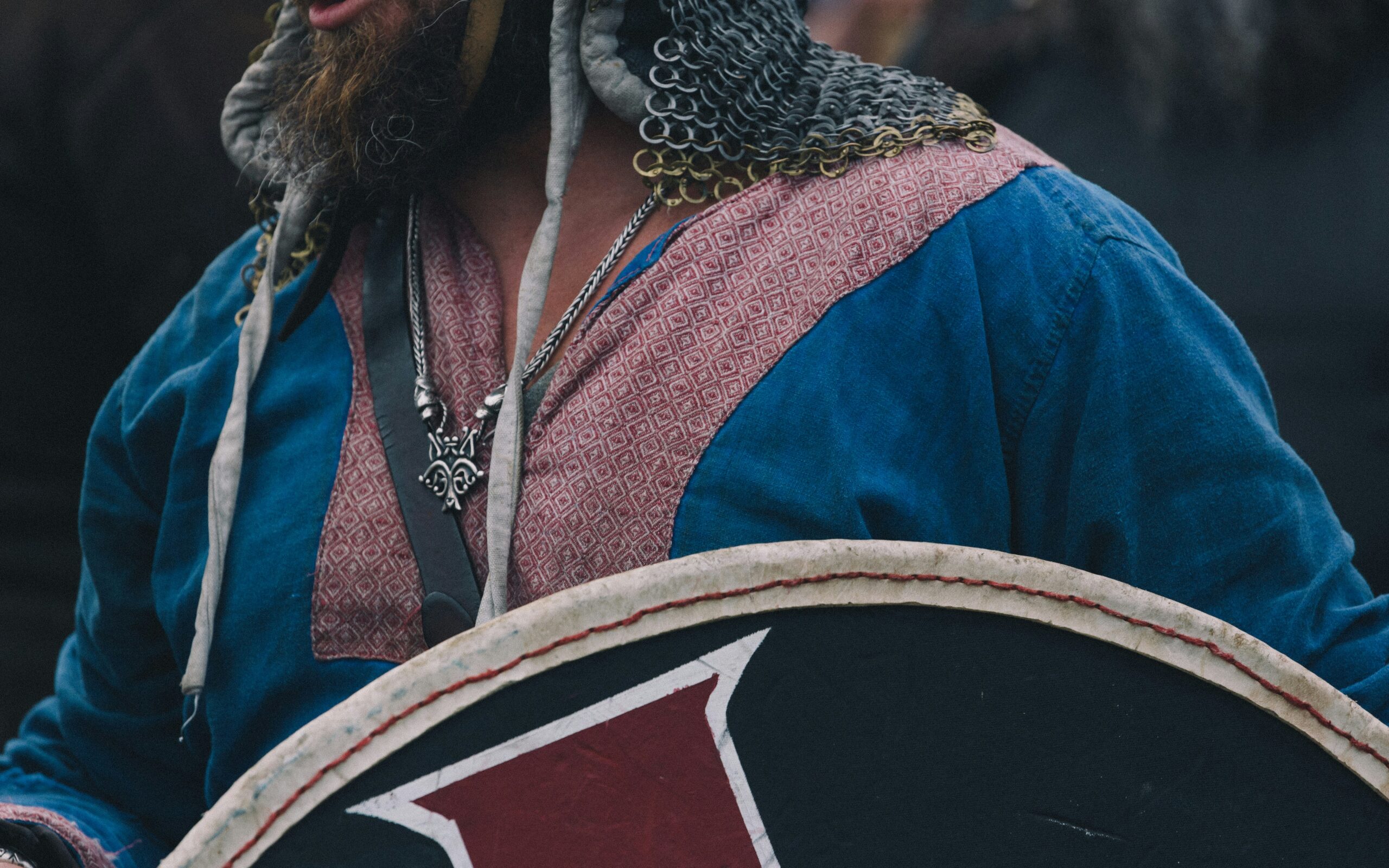
The Viking Age: A Tapestry Reimagined by Genetics
The image of the Viking is a potent one, conjured from sagas, popular media, and centuries of interpretation. Fierce, fair-haired Scandinavian warriors, their horned helmets glinting, raiding the coasts of Europe, their longships cutting through icy seas – this is the commonly held perception. However, recent groundbreaking advancements in the field of ancient DNA analysis have begun to unravel and, in many cases, entirely dismantle these deeply ingrained myths. What was once understood through fragmented archaeological evidence and often biased historical accounts is now being re-examined through the intimate lens of our ancestors’ very genetic code. This scientific revolution is not merely tweaking details; it is fundamentally reshaping our understanding of who the Vikings were, where they came from, and how they interacted with the world.
For decades, Viking studies relied heavily on interpreting material culture – the swords, brooches, coins, and settlement patterns. While invaluable, these sources offer only partial glimpses. Sagas, while rich in narrative, are subject to embellishment, propaganda, and the passage of time. Ancient DNA, on the other hand, provides a direct, unfiltered window into ancestral lineage, migration patterns, and even physical characteristics. It offers a scientific counterpoint to, and often a correction of, the romanticized or demonized portrayals that have dominated our understanding for so long. The story emerging from the DNA is far more nuanced, complex, and, in many ways, more fascinating than the simple warrior archetype. It speaks of a people far more diverse and interconnected than previously imagined, whose influence spread through trade, settlement, and assimilation as much as through conquest.
The initial shockwaves from ancient DNA research began to ripple through the academic community and into public consciousness as researchers started sequencing the genomes of individuals from Viking Age burial sites. The results challenged assumptions about Scandinavian homogeneity and the outward flow of a purely conquering force. Instead, a picture of extensive movement, intermingling, and a more fluid identity began to emerge, forcing a re-evaluation of the very definition of “Viking.” This is not to say that warfare and raiding were absent, but that they were part of a much larger, more intricate tapestry of human interaction.
Recent studies utilizing ancient DNA have shed light on various myths surrounding Viking history, revealing surprising truths about their origins and migrations. For a deeper exploration of how historical narratives can be reshaped by scientific discoveries, you may find the article “The Year History Stood Still: When the Wind Ceased” particularly enlightening. It discusses the broader implications of historical events and how they are interpreted through different lenses. You can read it here: The Year History Stood Still: When the Wind Ceased.
Shedding Light on Ancestral Origins and Diversification
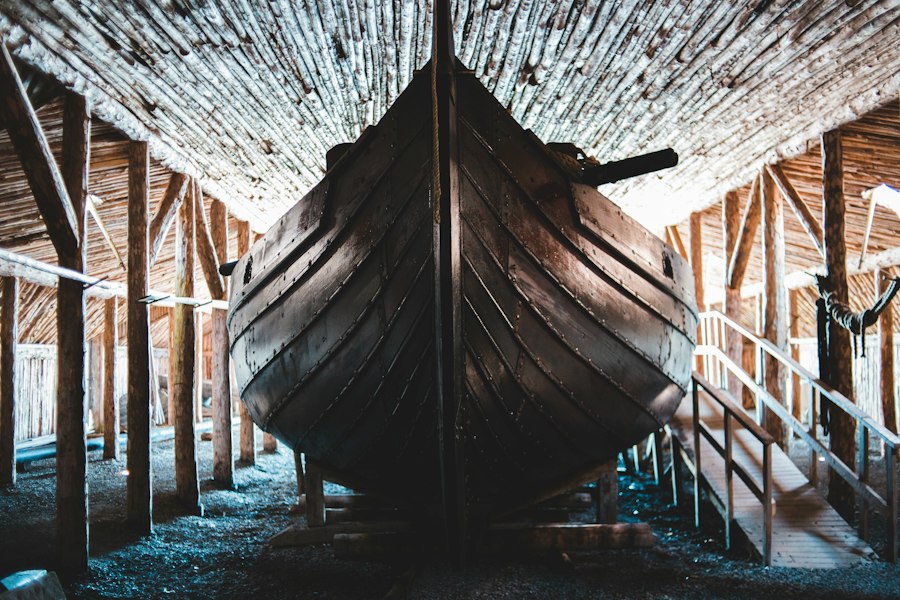
One of the most significant contributions of ancient DNA has been to illuminate the complex ancestral origins of the people we now broadly label “Vikings.” The prevailing narrative often suggested a monolithic Scandinavian origin, a homogenous group of people unified by geography and culture. However, genetic data has revealed a far more intricate picture, demonstrating significant regional variation within Scandinavia itself and highlighting the importance of external influences.
The Myth of a Single Scandinavian Stock
For a long time, the idea of a singular “Viking gene pool” dominated popular and even some academic thought. It was assumed that the Vikings were a distinct ethnic group who originated in a geographically contained area and then spread outwards. This assumption, fueled by nationalistic narratives and a lack of detailed biological evidence, created an image of a pure, unadulterated Scandinavian people.
Ancient DNA studies have systematically dismantled this notion. By analyzing genomes from various Viking Age burial sites across Scandinavia – including Norway, Sweden, and Denmark – researchers have found substantial genetic diversity. This diversity suggests that the populations within Scandinavia were not uniform but had distinct ancestral components that varied regionally. For instance, analyses have shown that some populations in southern Scandinavia had a stronger genetic connection to Central European groups, while those in the north might have had links to populations further east. This indicates that “Viking” was perhaps less a single ethnicity and more a shared cultural and economic phenomenon that encompassed diverse genetic backgrounds within its sphere of influence. The genetic markers do not point to a single point of origin but rather a mosaic of ancestral influences that coalesced into the populations we associate with the Viking Age.
Eastern and Southern European Threads in the Viking Fabric
Further challenging the idea of a purely Northern European origin, ancient DNA has revealed significant genetic contributions from Eastern and Southern Europe to the Viking Age populations. This is not to suggest that these groups were solely responsible for “creating” the Vikings, but rather that there was a considerable flow of people and genes between Scandinavia and these regions.
Through the analysis of Viking Age remains, particularly those found in burial sites, researchers have identified genetic signatures that are more commonly found in populations from modern-day Poland, the Baltic states, and even parts of the Balkans. This suggests extensive migration and intermingling, likely facilitated by established trade routes and the movement of people for various reasons, including trade, marriage, and potentially even mercenary service. For example, individuals buried in Scandinavia with strong genetic links to Eastern Europe have been identified, indicating that people from these regions settled in Scandinavia and integrated into Viking Age society. Conversely, Viking Age DNA found in Eastern European burial sites points to Scandinavian presence and settlement in those areas, solidifying the understanding that the interactions were bidirectional. This genetic evidence supports the historical understanding of extensive trade networks and the movement of people across vast distances, demonstrating that the Viking Age was not an isolated phenomenon but was deeply interconnected with the broader Eurasian world. The genes tell a story of a far more cosmopolitan society than previously conceived, where the boundaries of identity were more permeable than we might have assumed.
The Myth of the Homogeneous Blond Warrior
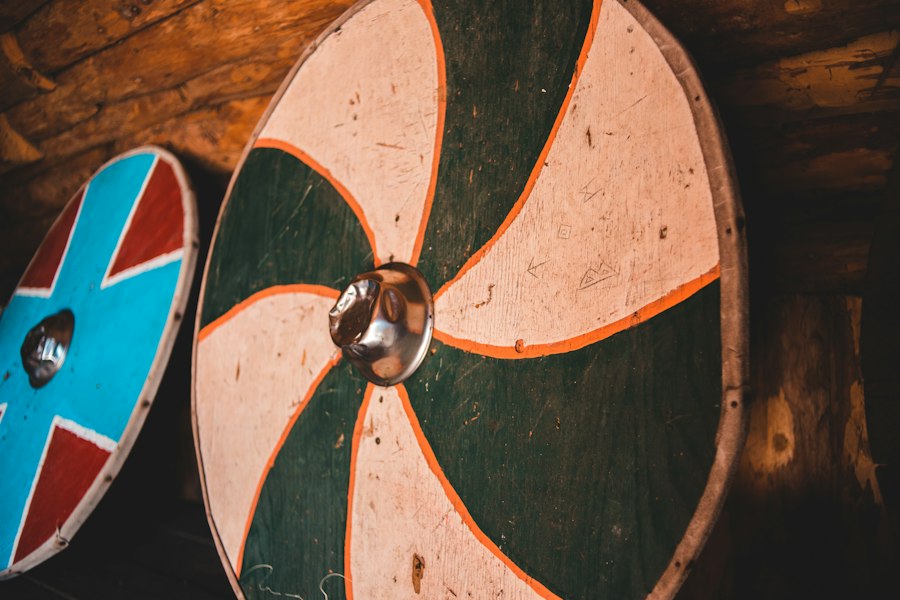
Perhaps one of the most enduring and visually striking myths surrounding the Vikings is that of their uniform appearance – predominantly tall, fair-haired, and blue-eyed warriors. This image, heavily influenced by 19th-century romanticism and later popular culture, has become deeply ingrained in our collective imagination. Ancient DNA, however, has begun to paint a much more colorful and varied portrait of Viking Age physicality.
Challenging the Blond-Haired Stereotype
The pervasive image of the blond-haired Viking is a powerful one, often reinforced in books, films, and art. This stereotype likely arose from a combination of factors, including the prevalence of blond hair in certain Scandinavian populations and the romanticized portrayal of these people as distinct and exotic. However, genetic analysis has revealed that this was far from a universal characteristic.
By examining genes associated with hair and eye color in Viking Age individuals, researchers have found a significant degree of variation. While fair hair and blue eyes were certainly present, so too were individuals with darker hair and brown eyes. The genetic data indicates that the Viking Age population was far more diverse in terms of pigmentation than the popular stereotype allows. This suggests that the “Viking” identity was not tied to a specific set of physical traits but rather to a shared culture, language, and way of life. The genetic evidence points to a spectrum of appearances within Viking Age societies, mirroring the genetic diversity observed in their ancestry. This means that individuals with a wide range of physical characteristics could have been considered Vikings, a notion that directly challenges the rigid, uniform image that has long persisted. The reality was a mosaic of appearances, much like the mosaic of their genetic heritage.
Eye Color: A Spectrum Beyond Blue
Similar to hair color, the assumption of ubiquitous blue eyes among Vikings has also been challenged by genetic evidence. While blue eyes are more common in populations of Northern European descent, ancient DNA has shown that brown eyes were also prevalent among Viking Age individuals.
The genes responsible for eye color, such as OCA2 and HERC2, have been analyzed in Viking Age skeletal remains. These analyses have revealed that a significant proportion of individuals carried genetic variants associated with brown eyes. This indicates that the blue-eyed, blond-haired warrior was not the sole representative of the Viking populace. The presence of individuals with different eye colors suggests a greater degree of genetic admixture and intermarriage with populations from regions where brown eyes are more common. This adds another layer to the understanding of Viking Age diversity, demonstrating that their physical appearance was as varied as their origins and their interactions with other cultures. The romanticized image of a singular, strikingly fair-skinned, fair-haired, and blue-eyed people is, therefore, a simplification that does not reflect the full genetic and phenotypic reality of the Viking Age.
The Myth of Viking Isolation and the Reality of Global Connections
The traditional narrative often portrays the Vikings as somewhat isolated, a seafaring people primarily engaged in raiding and limited trade with their immediate neighbors. However, the picture emerging from genetic studies, alongside archaeological and historical evidence, paints a far more complex and interconnected world, revealing extensive global reach and influence.
Viking Age Journeys: Beyond Local Raids
The image of Vikings as primarily raiders descending upon unsuspecting shores is a powerful one, but it overlooks the vast distances they traveled and the diverse regions they interacted with. Ancient DNA has provided concrete evidence of these far-reaching journeys, not just for raiding parties but for traders, settlers, and explorers.
Genetic studies have identified Viking Age individuals buried far from Scandinavia, in places like the British Isles, Ireland, Iceland, Greenland, and even as far as North America (Vinland). More significantly, DNA from these individuals often shows clear Scandinavian ancestry. This is crucial because it confirms that people from Scandinavia not only visited these regions but also settled there, establishing communities and intermingling with local populations. For example, genetic studies of modern-day Icelanders have revealed a significant Scandinavian genetic heritage, as expected, but also unexpected genetic contributions from the British Isles, indicating extensive movement and settlement across the Atlantic. The analysis of remains from the Viking settlement in L’Anse aux Meadows in Newfoundland, while not definitively Viking Age Norse, has been part of broader discussions about the extent of Viking exploration. The genetic markers found in ancient individuals in these far-flung locations provide tangible proof of their long-distance voyages and the establishment of a widespread Norse presence across the North Atlantic.
The Genetic Footprint of Viking Trade and Settlement
The impact of Viking trade and settlement is not limited to their presence in distant lands. Ancient DNA has also revealed the genetic footprint of people who traveled to Scandinavia, demonstrating that the exchange was a two-way street.
Researchers have identified individuals buried in Viking Age Scandinavia who possess genetic markers more commonly found in populations from Eastern Europe, the Baltic regions, and even the Mediterranean. This demonstrates that people from these areas traveled to Scandinavia, likely as traders, mercenaries, or even settlers. These individuals integrated into Viking society, and their genes became part of the Norse genetic landscape. For instance, the discovery of individuals with genetic profiles similar to those found in modern-day Poland or the Baltic states within Viking Age Scandinavian burial sites highlights the extensive trade networks and the movement of people across Eastern Europe. This genetic evidence reinforces the historical and archaeological understanding of robust trade routes connecting Scandinavia with the East, the Byzantine Empire, and the Abbasid Caliphate. The Vikings were not an isolated entity but were actively engaged in a complex web of interactions that spanned continents, and their genetic legacy reflects this cosmopolitan reality. The DNA acts as a passport, showing the movements and interconnections of people in a way that historical texts alone often cannot.
Recent studies have shed light on Viking history, particularly through the lens of ancient DNA, which has helped debunk several long-held myths about these seafaring warriors. For those interested in exploring how genetic evidence is reshaping our understanding of Viking ancestry and their interactions with other cultures, a fascinating article can be found here: blue origins. This research not only challenges traditional narratives but also highlights the complexity of Viking identity, revealing a more nuanced picture of their heritage and migrations across Europe.
Revisiting the ‘Viking’ Identity: Beyond Warrior Culture
| Myth | Ancient DNA Finding | Implication | Source/Study |
|---|---|---|---|
| Vikings were exclusively Scandinavian | Genetic evidence shows significant admixture with British Isles and Eastern European populations | Vikings were genetically diverse, not purely Scandinavian | Margaryan et al., 2020, Nature |
| Vikings were all fair-haired and blue-eyed | Ancient DNA reveals presence of dark hair and brown eyes among Viking individuals | Physical appearance was more varied than stereotyped | Margaryan et al., 2020, Nature |
| Vikings were primarily raiders and warriors | Genomic data from burial sites show many Vikings were farmers and traders | Viking society was complex with diverse roles beyond raiding | Margaryan et al., 2020, Nature |
| Vikings did not settle in the British Isles | DNA from Viking Age burials in Britain shows Scandinavian ancestry | Vikings established settlements and integrated with local populations | Margaryan et al., 2020, Nature |
| Vikings were genetically homogenous | Ancient DNA shows multiple maternal and paternal lineages indicating genetic diversity | Viking populations were genetically mixed and dynamic | Margaryan et al., 2020, Nature |
The label “Viking” itself has often been synonymous with a warrior-centric identity. However, the insights gleaned from ancient DNA are prompting a significant re-evaluation of what it meant to be a “Viking,” suggesting that this identity was far more fluid and encompassed a broader spectrum of roles and origins than the warrior archetype implies.
The Diversity of Viking Age Occupations and Lifestyles
The popular perception often centers on the Viking as a berserker or a shieldmaiden in battle. While warfare was undoubtedly a part of Viking Age life, genetic studies are helping to reveal the diversity of occupations and lifestyles that existed within these societies.
By analyzing the skeletal remains of individuals from various Viking Age sites, researchers can gain insights into their diets, physical activities, and even their origins. This information, when combined with genetic data, allows for a more nuanced understanding of their lives. For example, the analysis of stress markers on bones can indicate demanding physical labor, while isotopic analysis can reveal dietary patterns that might differ based on occupation or region. Genetic studies have shown that individuals with ancestry from different regions were integrated into Viking Age societies, suggesting that “Viking” was not solely an inherited identity but also a cultural one that could be adopted or shared. This means that people from diverse backgrounds, who may have been farmers, craftsmen, merchants, or explorers, could have also identified as Vikings. The genetic evidence supports the idea that a shared cultural identity, rather than purely a genetic one, was central to the concept of being a Viking. This broadens the understanding of Viking society beyond the battlefield, acknowledging the contributions of all its members.
The Fluidity of Identity: Adoption and Integration
Perhaps one of the most profound implications of ancient DNA research is its ability to illuminate the fluidity of “Viking” identity. It suggests that this was not a strictly inherited or exclusive label but one that could be adopted and integrated into.
Genetic studies have identified individuals with significant Scandinavian ancestry living in non-Scandinavian regions who were buried with Viking Age artifacts, suggesting they maintained a Viking identity. Conversely, individuals buried in Scandinavia with primarily non-Scandinavian genetic ancestry have been found, indicating that people from other regions could integrate into Viking Age society and be considered part of it. This challenges the notion of Vikings as a closed, ethnically pure group. Instead, it suggests that the “Viking” identity was more about participation in a shared culture, economy, and way of life, which included certain technologies, languages, and social structures. The genetic evidence of admixture and the presence of individuals with mixed ancestry in both Scandinavia and its spheres of influence supports this idea of assimilation and cultural exchange. It implies that individuals who embraced Viking customs, language, and social norms could be considered Vikings, regardless of their precise genetic origins. This concept of cultural adoption and integration is crucial for understanding how Viking influence spread and how their societies were formed and evolved. The DNA, in this context, acts as a witness to the human capacity for adaptation and the formation of shared identities that transcend purely biological descent.
Recent advancements in ancient DNA analysis have shed light on various myths surrounding Viking history, revealing surprising truths about their origins and lifestyles. For those interested in exploring how modern science is reshaping our understanding of the past, a fascinating article can be found at this link. It discusses the implications of genetic research on historical narratives, debunking long-held beliefs and providing a clearer picture of Viking society.
The Future of Viking Studies: A Genetically Informed Renaissance
The discoveries stemming from ancient DNA analysis have ushered in a new era for Viking studies, transforming the field and promising even more revelations in the years to come. This scientific revolution is not only correcting historical misconceptions but is also opening up entirely new avenues of research and understanding.
Continuous Refinement of Historical Narratives
As more Viking Age individuals are sequenced and their genomes analyzed, our understanding of their history will continue to be refined. The current discoveries are likely just the tip of the iceberg, and future research will undoubtedly uncover even more nuanced details about their origins, migrations, and interactions.
The ongoing sequencing of ancient DNA from diverse geographical locations and temporal periods within the Viking Age is allowing for a more granular understanding of population movements and genetic relationships. This iterative process of discovery and refinement means that historical narratives are not static but are continually being updated and improved with scientific evidence. For example, as more burial sites are excavated and sampled, researchers can build more detailed genetic maps of Viking Age Scandinavia and its surrounding regions. This will help to pinpoint the exact origins of certain populations, track the spread of specific genetic markers, and better understand the tempo and scale of migration and settlement. The interplay between genetic data, archaeological findings, and textual analysis will become even more crucial, creating a more robust and comprehensive picture of this fascinating historical period. The future promises a far more detailed and accurate portrayal of the Viking Age, moving beyond broad strokes to nuanced understanding.
Interdisciplinary Collaboration: The Power of Combined Insights
The future of Viking studies lies in the continued interdisciplinary collaboration between geneticists, archaeologists, historians, linguists, and other scholars. It is through the synthesis of these diverse fields that the most profound insights will be gained.
Ancient DNA provides a powerful new tool, but it is most impactful when interpreted in conjunction with other forms of evidence. Archaeologists can identify burial contexts, material culture, and settlement patterns that geneticists can then use to contextualize their findings. Historians can provide textual context and interpret the social and political implications of the genetic data. Linguists can shed light on the origins and spread of the Old Norse language, which can be correlated with genetic migration patterns. This synergistic approach ensures that the genetic discoveries are not viewed in isolation but are woven into the broader fabric of our understanding of the Viking Age. The next wave of research will likely involve even more sophisticated computational analyses that can integrate vast datasets from genetics, archaeology, and historical texts, leading to even more comprehensive and compelling narratives about this pivotal period in human history. The Vikings, once confined to the pages of sagas and the fragments of the past, are now truly coming alive through the combined efforts of science and scholarship.
The Viking “Bison” Myth That Was Just Debunked
FAQs
1. Were all Vikings blonde and blue-eyed?
No, ancient DNA evidence has shown that Vikings had a diverse range of physical appearances, including variations in hair and eye color. Not all Vikings fit the stereotypical image of being blonde and blue-eyed.
2. Did Vikings wear horned helmets?
No, the popular image of Vikings wearing horned helmets is a myth. There is no archaeological evidence to support the idea that Vikings wore horned helmets in battle. Most Viking helmets were simple and practical, designed for protection rather than decoration.
3. Were Vikings ruthless barbarians who raided and pillaged indiscriminately?
While Vikings did engage in raiding and pillaging, they were also skilled traders, farmers, and explorers. Recent studies using ancient DNA have shown that Vikings had complex social structures and engaged in a variety of activities beyond just warfare.
4. Did all Vikings come from Scandinavia?
No, ancient DNA analysis has revealed that the Viking population was more diverse than previously thought. Vikings had genetic influences from various regions, including Scandinavia, the British Isles, and even as far as Asia. This suggests that Vikings were a mix of different populations.
5. Were Viking women passive and confined to domestic roles?
Ancient DNA research has challenged the idea that Viking women were solely confined to domestic roles. Evidence shows that Viking women played active roles in society, including participating in trade, farming, and even warfare. They had more agency and independence than previously believed.