## The Genesis of Norse Presence in Greenland
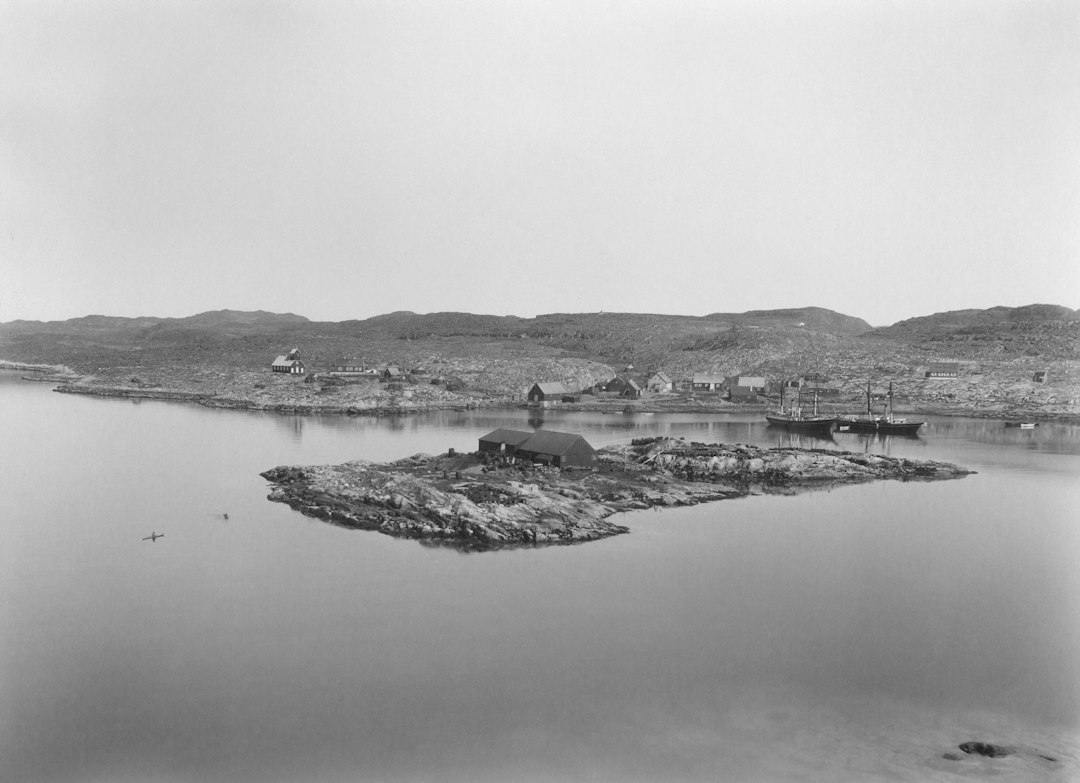
The saga of Norse settlement in Greenland began with a figure of legendary stature, Erik the Red. Exiled from Iceland for manslaughter, he set sail westward in the late 10th century, driven by a desire to explore and, perhaps, find a new home. His voyages led him to the vast, ice-clad island that would become known as Greenland. While the name itself may seem a misnomer today, archaeological evidence suggests that parts of the land were indeed greener during this period, likely due to a warmer climate and more extensive vegetation. Erik’s descriptions, though perhaps embellished to attract settlers, painted a picture of a land ripe for colonization. He spent three years exploring the southwestern coast, identifying fertile fjords suitable for farming and livestock. Upon his return to Iceland, he spoke of this new land, naming it “Greenland” to make it sound more appealing. His persuasive tales, coupled with the harsh realities of overpopulation and limited resources in Iceland, spurred a wave of emigration.
### Initial Voyages and Establishment of Settlements
The initial voyages to Greenland were fraught with peril. Navigating the treacherous North Atlantic, ships relied on rudimentary navigational tools and the skill of their captains. The first settlers arrived around 985 CE, establishing two main settlements: the Eastern Settlement (Eystribyggð) and the Western Settlement (Vestribyggð). The Eastern Settlement, located on the southwestern coast, was the larger and more populous of the two, boasting around 190 farms at its peak. It was here that Erik the Red established his own farm, Brattahlíð, which became the de facto center of Norse Greenlandic society. The Western Settlement, situated further north on the Nuuk Fjord, was smaller but still significant, with around 60 farms. These settlements were not merely outposts; they were vibrant communities that replicated many aspects of Norse life from their homelands. They built farms, churches, and trading posts, establishing a self-sufficient society that relied on a combination of agriculture, animal husbandry, hunting, and trade. The Norse brought with them their livestock – cattle, sheep, and goats – as well as their architectural styles, their legal systems, and their Christian faith.
### The Medieval Warm Period and its Impact
The success of the early Norse settlements was undeniably aided by the prevailing climatic conditions of the time. The period from roughly 950 to 1250 CE is known as the Medieval Warm Period, a time when global temperatures were significantly warmer than in the preceding and succeeding centuries. This ameliorating climate meant that Greenland’s fjords were less prone to being choked by sea ice, allowing for longer shipping seasons and facilitating communication and trade with Europe. The warmer temperatures also contributed to a more productive landscape. Pastures were more abundant, and crops, such as barley, could be grown, albeit with difficulty. The longer growing seasons and the availability of grazing land were crucial for supporting the Norse way of life, which was heavily reliant on animal husbandry. This period of relative warmth provided a window of opportunity for the Norse to establish and thrive in Greenland, creating a society that endured for centuries.
The timeline of Viking settlements in Greenland is a fascinating subject that highlights the rise and fall of Norse culture in the North Atlantic. As these settlements thrived for several centuries, they ultimately faced challenges that led to their decline. For a broader perspective on how historical events and economic shifts can impact communities, you might find the article on the effects of nearshoring on American jobs insightful. It discusses how modern economic strategies can influence job markets, similar to how environmental and social factors affected Viking settlements. You can read more about it here: The Impact of Nearshoring on American Jobs.
## The Golden Age and Societal Structure
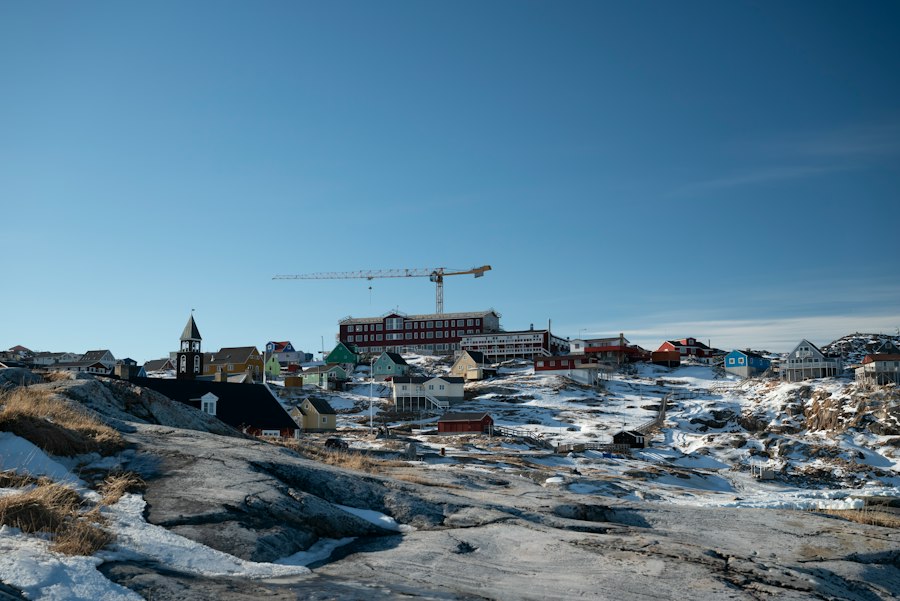
For nearly five centuries, the Norse settlements in Greenland constituted a thriving and remarkably stable society. This period, often referred to as the “Golden Age,” saw the settlements reach their zenith in terms of population and economic activity. The Norse carved out a life for themselves in this challenging environment, developing unique adaptations and maintaining strong ties with their European homelands, particularly Norway and Iceland. Their society was structured in a hierarchical manner, with a clear distinction between landowners and those who worked the land. The economy was largely agrarian, with cattle, sheep, and goats forming the backbone of their wealth. However, the Norse were also adept hunters and fishermen, supplementing their diet and generating valuable trade goods.
### Economic Pillars: Agriculture and Trade
The foundation of the Norse Greenlandic economy rested on a delicate balance between farming and trade. Agriculture was challenging due to the short growing seasons and the stony soil, but the Norse were skilled in managing their limited arable land. They cultivated hardy crops like barley and grew fodder for their animals. Animal husbandry was paramount. Cattle provided milk, butter, and meat, while sheep offered wool for clothing and meat, and goats provided milk and meat. The vast grazing lands, made more accessible by the warmer climate of the Medieval Warm Period, supported substantial herds. Beyond subsistence, the Norse developed a significant trade network. They exported valuable commodities that were in demand in Europe, most notably walrus ivory, sealskins, and live falcons. Walrus ivory was a prized luxury item, used for the production of combs, chess pieces, and religious artifacts. Sealskins were used for clothing, footwear, and sails. Live falcons, particularly Greenland gyrfalcons, were highly sought after by European nobility for falconry. In return, the Norse imported essential goods that they could not produce themselves, such as iron, timber, grain, and luxury items like wine and fine cloth. This trade was facilitated by regular voyages from Norway, which brought much-needed supplies and connected Greenland to the wider European economy. The Norse also established their own currency system, based on silver, which further integrated them into broader economic networks.
### Governance and Social Hierarchy
Norse Greenlandic society was organized under a system of chieftains and assemblies, mirroring the political structures of their Scandinavian homelands. At the apex of the social structure were the land-owning farmers, who held significant influence. These chieftains, or “goðar,” presided over local assemblies and held legal and administrative authority within their districts. The Althing, a general assembly, was held annually, serving as a forum for resolving disputes, making laws, and discussing matters of common concern. While the Althing was a democratic institution in principle, the power often resided with the wealthiest and most influential chieftains. The presence of the church also played a significant role in governance and social life. The establishment of the Diocese of Greenland in the 11th century, with its bishop residing at Gardar, solidified the Christian faith and provided a spiritual and administrative center. The church owned land, collected tithes, and exerted considerable moral authority, often working in conjunction with the secular chieftains. The social hierarchy was relatively rigid, with clear distinctions between the elite farmers, the free farmers, and a smaller number of laborers or servants. Marriages often served to consolidate alliances and property. The legal system, based on Norse customary law, emphasized kinship ties and the resolution of disputes through legal means, though blood feuds were not unknown.
### Cultural and Religious Life
Despite their isolation, the Norse in Greenland maintained a rich cultural and religious life. They brought with them their Norse mythology and traditions, which gradually intertwined with the doctrines of Christianity. Churches, such as the iconic Hvalsey Church, were central to community life. These stone structures, built with remarkable skill, served as places of worship, social gathering, and even as venues for important legal and political events. Archaeological evidence, including church records and burial sites, reveals the depth of their Christian faith. Sagas and Eddic poetry, though likely transmitted orally for the most part, would have formed a core part of their cultural heritage. Runes were used for inscriptions on stones, artifacts, and personal belongings, serving as a form of writing and a means of communication. Everyday life was shaped by the rhythms of the seasons, the demands of farming and hunting, and the rituals of the church. Festivals, both religious and secular, would have provided opportunities for communal celebration and social interaction. The Norse also developed unique Greenlandic adaptations, such as the use of bone and antler for tools and implements, and the construction of turf houses that were well-suited to the harsh climate. Their material culture, while bearing the stamp of their Scandinavian origins, also evolved to incorporate local resources and reflect their specific environment.
## The Gradual Erosion: Factors of Decline
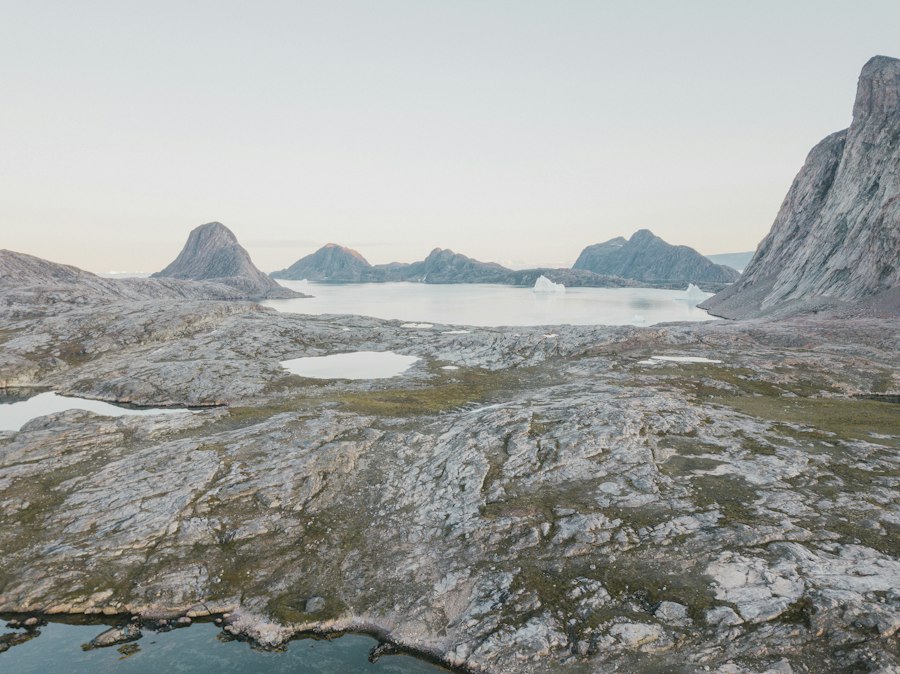
The thriving Norse society in Greenland, which had endured for centuries, began to experience a gradual decline from the late 13th century onwards. This decline was not a sudden collapse but a slow erosion, driven by a complex interplay of environmental changes, economic pressures, and shifting geopolitical landscapes. The factors contributing to their eventual disappearance are still debated by scholars, but a consensus is emerging that a combination of these elements led to the unsustainable pressures on the settlements.
### The Onset of the Little Ice Age
A crucial factor in the decline of Norse Greenland was the onset of the Little Ice Age. Beginning around the late 13th century and intensifying in subsequent centuries, this period was characterized by a significant global cooling trend. For Greenland, this meant a return to harsher climatic conditions. Sea ice became more persistent and extensive, making navigation between Greenland and Europe increasingly perilous and unpredictable. The longer periods of ice lockout severely disrupted the vital supply lines and trade routes. The colder temperatures also reduced the effectiveness of their agricultural practices. Growing seasons became shorter and less productive, and pastures were diminished, making it more difficult to sustain their herds of cattle and sheep. This climatic shift placed immense strain on the already challenging agricultural system of the Norse, undermining their primary means of subsistence and economic stability.
### Disruptions in European Trade and Support
The Norse settlements in Greenland were never entirely self-sufficient and relied heavily on trade with Europe for essential goods. However, during the period of decline, European trade patterns and political stability began to shift, further impacting Greenland. The Black Death, which swept across Europe in the mid-14th century, decimated populations and severely disrupted economic activity, including maritime trade. The Black Death also had a devastating impact on Norway, which had historically been the primary trading partner and source of support for Greenland. As Norway’s own resources and population dwindled, its ability to maintain regular contact and provide essential supplies to Greenland diminished. Furthermore, political shifts within Europe, such as the Kalmar Union which brought Norway under Danish rule, may have also led to a redirection of resources and a decreased focus on the distant Greenlandic settlements. The economic viability of distant trade routes also became questionable as the profitability of Greenlandic exports, like walrus ivory, may have declined due to changes in demand or the emergence of alternative sources.
### Internal Stresses and Resource Depletion
Beyond external pressures, internal stresses and potential resource depletion may have also played a role in the Norse decline. The reliance on a limited resource base, particularly for animal husbandry, could have led to overgrazing and soil degradation over centuries, reducing the carrying capacity of the land. While direct evidence of widespread famine is scarce, it is likely that the Norse faced periodic food shortages due to the increasingly harsh climate and disruptions in trade. The inability to adapt sufficiently to the changing environmental conditions, such as a greater reliance on hunting marine mammals and sea birds, might have contributed to their vulnerability. The societal structure, while robust for its time, may have lacked the flexibility to effectively manage the complex challenges of a prolonged environmental crisis and economic downturn. The dwindling population, a consequence of both emigration and potentially higher mortality rates, would have further strained the remaining settlers’ ability to maintain their infrastructure and way of life.
## The Final Years and Abandonment
The final centuries of Norse presence in Greenland were characterized by a marked decline in population, economic activity, and contact with Europe. The once-thriving settlements dwindled, becoming increasingly isolated and vulnerable. While the exact moment of abandonment remains a subject of historical inquiry, the evidence points to a gradual process rather than a single catastrophic event. The remaining Norse settlers faced a stark reality of dwindling resources and dwindling hope.
### Evidence of Declining Population and Activity
Archaeological findings provide compelling evidence of the diminishing Norse population and their reduced economic activity. Excavations reveal fewer farmsteads in use and evidence of farms being consolidated as people moved to fewer, more defensible locations. The quality of material culture also shows a decline, with less sophisticated tools and fewer imported goods being found in later layers of settlement. The number of graves also decreases, indicating a shrinking population. The construction of new buildings, especially churches, ceased entirely after the 14th century, a sign of societal stagnation and a lack of resources for new endeavors. The famous Hvalsey Church, the best-preserved Norse structure in Greenland, stood as a testament to their architectural prowess, but its later periods of use saw fewer occupants and less activity. The cessation of minting Norse coins in Greenland, which occurred around the 13th century, also suggests a decline in formal economic activity and a reduced connection to the wider European monetary system.
### The Last Vestiges: Isolation and Resilience
Despite the mounting challenges, the Norse in Greenland demonstrated remarkable resilience. Even as contact with Europe became infrequent, small pockets of Norse settlers likely persisted for some time, clinging to their way of life. Historical records from the early 15th century mention a bishop residing in Greenland, suggesting some level of continued ecclesiastical organization, though this was likely very limited. There are also accounts from European explorers and sailors who encountered what they believed to be the descendants of the Norse in later centuries, though the identification of these groups with the original settlers is often uncertain. The Greenlandic Norse, in their final years, would have relied even more heavily on local resources and adapted their strategies to survive in an increasingly hostile environment. This likely involved a greater reliance on hunting marine mammals, fishing, and perhaps even limited trade with the indigenous Inuit populations, though the nature and extent of this interaction remain subjects of ongoing research.
### The Enigmatic Disappearance
The ultimate disappearance of the Norse settlements from Greenland remains one of the great enigmas of history. There is no single, definitive account of their final moments. The prevailing theory suggests a gradual abandonment, with settlers either perishing due to famine, disease, or environmental pressures, or possibly integrating with the indigenous Inuit population. The possibility of integration is particularly intriguing, given that the Inuit had been developing their own successful strategies for survival in the Arctic environment for centuries. However, conclusive archaeological evidence of widespread Norse-Inuit intermarriage or cultural assimilation in the final stages of the Norse presence is still limited and debated. The last documented event associated with the Norse in Greenland is a papal bull from 1448 that mentions the possible loss of faith and abandonment of the island by its inhabitants, but this document’s reliability and interpretation are contested. What is clear is that by the early 16th century, when European explorers began to return to Greenland with greater frequency, the Norse settlements were no longer inhabited. Their abandoned farms and churches stood as silent monuments to a lost chapter of history, a testament to human ambition, resilience, and ultimately, the unforgiving power of nature and changing circumstances.
The fascinating history of Viking settlements in Greenland reveals a complex timeline of collapse that has intrigued historians and archaeologists alike. Understanding the environmental factors that contributed to this decline is crucial, and a related article explores how paleoclimate data can shed light on ancient civilizations. For more insights into this topic, you can read about it in detail here. This connection between climate change and societal collapse offers valuable lessons for contemporary discussions on sustainability and resilience.
## Legacy and Lessons from the Greenlandic Norse
| Year | Event | Details | Estimated Population | Notes |
|---|---|---|---|---|
| 985 | Settlement Founded | Erik the Red establishes the Eastern Settlement | ~100 | Start of Norse colonization in Greenland |
| 1000 | Western Settlement Founded | Second major Norse settlement established | ~50 | Expansion of Norse presence |
| 1200 | Population Peak | Both settlements thriving with farming and trade | ~2,000 | Strong trade links with Europe |
| 1300 | Climate Cooling Begins | Onset of the Little Ice Age affects agriculture | ~1,500 | Reduced crop yields and harsher winters |
| 1340 | Decline in Trade | Reduced contact with Europe due to climate and political issues | ~1,000 | Isolation increases vulnerability |
| 1378 | Last Written Record | Final known written mention of the Greenland Norse | ~800 | Indicates ongoing but declining settlement |
| 1400 | Settlement Collapse | Abandonment of Norse settlements | 0 | Exact reasons debated: climate, economy, conflict |
The story of the Norse in Greenland is more than just a tale of colonization and eventual abandonment; it offers profound lessons about human adaptation, the fragility of civilizations, and the complex interplay between human endeavors and the natural world. The legacy of the Norse in Greenland extends beyond the crumbling stone ruins; it serves as a potent reminder of the challenges and triumphs of human settlement in extreme environments. Their story continues to fascinate historians, archaeologists, and the general public, prompting ongoing research and debate.
### Archaeological Insights and Ongoing Research
The extensive archaeological work undertaken in Greenland over the past century has been instrumental in piecing together the story of the Norse settlements. Excavations at sites like Brattahlíð and Hvalsey have provided invaluable insights into their daily lives, their farming practices, their religious beliefs, and their social structures. The discovery of Norse artifacts, tools, bones, and architectural remains has allowed researchers to reconstruct their diet, their economy, and their interactions with their environment. Ongoing research continues to refine our understanding of the Norse presence. New dating techniques, advanced analytical methods for studying ancient DNA and stable isotopes in skeletal remains, and sophisticated climate modeling are all contributing to a more nuanced picture of their lives and their eventual decline. The study of Norse sagas and historical texts, when correlated with archaeological findings, further enriches our comprehension of this fascinating period.
### Lessons in Adaptation and Resilience
The Norse in Greenland demonstrated remarkable adaptability and resilience in carving out a life in a challenging Arctic environment for nearly five centuries. They developed specialized farming techniques, utilized local resources for building and tools, and established a complex social and economic system. Their ability to maintain a Christian society and engage in transatlantic trade over such a long period is a testament to their ingenuity and determination. However, their story also highlights the limits of adaptation when faced with fundamental environmental shifts and systemic external pressures. Their reliance on a traditional agrarian lifestyle, while successful during the Medieval Warm Period, proved to be a significant vulnerability when the climate turned colder and sea ice increased. The story serves as a cautionary tale about the importance of understanding and responding to environmental change and the need for diversified strategies in human settlements.
### The Enduring Mystery and Cultural Impact
The ultimate fate of the Norse in Greenland continues to fuel fascination and speculation. The enduring mystery of their disappearance lends a certain mystique to their story. While the prevailing theories point towards a gradual decline and abandonment, the lack of definitive evidence allows for continued debate and exploration. This enduring enigma has cemented the Norse presence in Greenland in the popular imagination, inspiring literature, art, and continued historical inquiry. The physical remains of their settlements, such as the beautifully preserved Hvalsey Church, stand as tangible links to this lost civilization, offering a glimpse into a unique chapter of human history. The legacy of the Norse in Greenland is a complex tapestry woven from threads of ambition, innovation, hardship, and ultimately, the profound influence of environmental and societal forces that shaped their destiny. Their story continues to resonate, reminding us of the delicate balance between human endeavors and the powerful forces of nature.
The Viking “Bison” Myth That Was Just Debunked
FAQs
1. When did the Viking settlements in Greenland begin to collapse?
The Viking settlements in Greenland began to collapse around the early 15th century, with the last written records from the Norse community dating back to the early 1400s.
2. What were some factors that contributed to the collapse of the Viking settlements in Greenland?
Several factors contributed to the collapse of the Viking settlements in Greenland, including climate change, declining trade opportunities, isolation from mainland Europe, and possible conflicts with the Inuit population.
3. How did climate change impact the Viking settlements in Greenland?
Climate change played a significant role in the collapse of the Viking settlements in Greenland. The region experienced a period of cooling known as the Little Ice Age, which made farming and livestock rearing increasingly difficult for the Norse settlers.
4. What evidence supports the theory of conflict between the Norse settlers and the Inuit population in Greenland?
Archaeological evidence, such as the presence of arrowheads and skeletal remains with signs of violence, suggests that there may have been conflicts between the Norse settlers and the indigenous Inuit population in Greenland.
5. How did the collapse of the Viking settlements in Greenland impact the Norse community?
The collapse of the Viking settlements in Greenland led to the disappearance of the Norse community from the island. It is believed that the remaining settlers either perished or assimilated into the indigenous Inuit population, marking the end of the Norse presence in Greenland.