The whisper of ancient threads, the rhythmic clatter of looms, and the skilled hands of Viking craftspeople come alive through the lens of textile archaeology. Far from being mere fragments of cloth, the surviving textiles of the Viking Age offer a remarkable window into their society, economy, and artistic expression. These meticulously preserved remnants, often found in burial sites, bog finds, and settlements, have been painstakingly studied by archaeologists, revealing a sophisticated understanding of fiber processing, spinning, dyeing, and weaving techniques that were fundamental to Viking life. The insights gleaned from these textiles paint a vivid picture of a people who not only mastered practical craftsmanship but also imbued their creations with cultural significance and personal identity.
Unraveling the Threads of Evidence: The Significance of Textile Finds
The archaeological record for Viking textiles, though often fragmented, provides invaluable data for understanding their material culture. The preservation conditions in Scandinavia, particularly in waterlogged environments or anoxic peat bogs, have been crucial in safeguarding organic materials like wool and linen, which would otherwise have long since decomposed. These finds are not simply about the aesthetics of the fabric; they represent a complex interplay of resource management, technological innovation, and social stratification. The types of fibers used, the fineness of the spin, the weave structure, and the presence of dyes all contribute to a rich narrative. From the coarse, utilitarian weaves of everyday clothing to the finer, more elaborately decorated textiles found in high-status burials, the evidence speaks volumes about the economic capabilities and social hierarchies of Viking society. The sheer volume of textile fragments recovered from numerous sites across the Viking world—from the British Isles to the Baltic—underscores the pervasive importance of textiles in their lives, serving not just for clothing but also for furnishings, sails, and even as currency or trade goods.
The Unearthing of Viking Textiles: Context and Discovery
The discovery of Viking textiles is intrinsically linked to archaeological excavation methodologies. Burial mounds, such as those at Oseberg in Norway or the Vendel period graves in Sweden, have yielded astonishingly well-preserved textiles, often associated with high-status individuals. These finds frequently include not only complete garments but also blankets, tapestries, and remnants of horse trappings, providing a holistic view of textile usage within a burial context. Similarly, settlement excavations, like those at Hedeby in Denmark or Jorvik in England, have unearthed spindle whorls, loom weights, and fiber remnants, offering direct evidence of textile production taking place within domestic and commercial spheres. The meticulous excavation of these sites, often employing specialized techniques for handling delicate organic materials, has been paramount in preserving the integrity of these fragile artifacts. The careful documentation of their provenance and association with other artifacts is critical for interpreting their meaning and function.
Preservation Challenges and Technological Advances in Analysis
The survival of Viking textiles is a remarkable feat, given the inherent fragility of organic materials. Exposure to moisture, soil acidity, and biological decay can rapidly degrade fibers. However, specific environmental conditions, such as anaerobic bogs or saline environments, can halt this decomposition, leading to exceptional preservation. Modern analytical techniques have revolutionized the study of these finds. Non-destructive methods like microscopy, reflectance spectrophotometry for dye analysis, and even advanced imaging techniques allow researchers to examine fiber structures, weave patterns, and colorants without damaging the artifacts. Radiocarbon dating provides precise chronological frameworks for the textiles, while DNA analysis can help identify the animal source of wool fibers, offering insights into animal husbandry and trade networks. These technological advancements have transformed our ability to extract detailed information from even the smallest textile fragments.
Viking weaving techniques and textile archaeology provide fascinating insights into the craftsmanship and daily life of the Norse people. For those interested in exploring the advancements in historical textile practices, a related article can be found at this link, which discusses the broader implications of technological advancements, albeit in a different context. Understanding the intricacies of Viking textiles not only sheds light on their cultural identity but also highlights the significance of weaving as a vital skill in their society.
The Art and Science of Spinning: Crafting the Threads of Viking Life
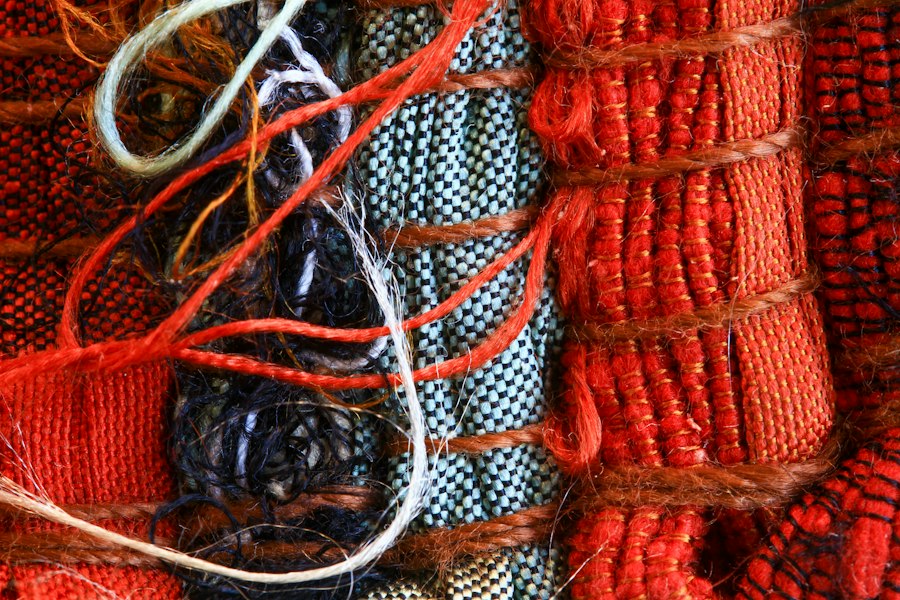
Spinning was the foundational craft of Viking textile production, transforming raw fibers into usable yarn. The quality of the spun yarn directly influenced the final textile, dictating its strength, drape, and appearance. Archaeological evidence, primarily in the form of spindle whorls, provides tangible proof of this essential activity. These small, weighted objects, made from various materials, were attached to a spindle to provide momentum, allowing for the consistent twisting of fibers into thread. The distribution and variety of spindle whorls across Viking sites speak to the widespread nature of domestic textile production.
Spindle Whorls: The Tools of Transformation
Spindle whorls are among the most common textile-related artifacts found at Viking sites. Their materials range from common stone and bone to more precious materials like amber and even fragments of metal or glass. The weight and size of a spindle whorl influenced the type of yarn produced. Heavier whorls were generally used for spinning coarser yarns suitable for everyday garments and utilitarian textiles, while lighter whorls facilitated the spinning of finer yarns required for more elaborate clothing and decorative items. The shape and decoration of spindle whorls also varied, potentially reflecting regional styles or personal preferences. Their ubiquity suggests that spinning was a skill possessed by a significant portion of the female population, a vital contribution to the household economy.
Fiber Selection: Wool and Linen as Pillars of Production
The primary fibers employed by the Vikings were wool and linen. Wool, derived from domesticated sheep, was the most prevalent and versatile fiber. Viking sheep breeds were generally hardy and produced a range of wool types, from fine fleece to coarser hair. The processing of wool involved careful sorting, cleaning, and carding or combing to align the fibers before spinning. Linen, derived from the flax plant, was also a crucial fiber, particularly for summer clothing and finer garments. The cultivation and processing of flax were more labor-intensive, involving retting (soaking to separate fibers), scutching (beating to remove woody material), and hackling (combing to align fibers). The presence of both wool and linen at Viking sites indicates a sophisticated understanding of different plant and animal resources and their unique properties.
The Loom’s Embrace: Weaving Techniques and Textile Structures

Weaving was the process of interlacing spun yarns to create fabric. The Vikings employed a variety of loom types and weaving techniques, demonstrating remarkable skill and adaptability. The archaeological record, in the form of loom weights and textile fragments, provides direct evidence of these weaving practices. The complexity of the weaves and the types of patterns employed offer insights into the skill level of the weavers and the intended function and status of the textiles.
Vertical Looms: The Backbone of Viking Textile Production
The most common loom used by the Vikings was the vertical loom, also known as the warp-weighted loom. This type of loom consisted of upright posts between which the warp threads were stretched. Weights, typically made of stone, ceramic, or iron, were attached to the bottom of the warp threads to keep them taut. The weft threads were then passed back and forth through the warp threads to create the fabric. Vertical looms were versatile and could produce a range of fabrics, from coarse to fine. The size of the loom could vary, suggesting that both household production and potentially larger workshops existed.
Weave Structures: From Plaincloth to Complex Patterns
The analysis of textile fragments reveals a range of weave structures employed by the Vikings. The most common was plainweave, where a single weft thread passes over and under each warp thread alternately. This simple but strong weave was used for most everyday textiles. Beyond plainweave, evidence suggests the use of other weaves, including twill, which produces a diagonal pattern and is stronger and more flexible than plainweave. More complex weaves, such as samitum or compound weaves, are also indicated by certain fragments, suggesting the existence of specialized weavers capable of producing highly decorative and intricate fabrics. These complex weaves were likely reserved for high-status garments and furnishings, signifying wealth and prestige.
Dyeing and Decoration: Adding Color and Character to Viking Textiles
Color played a significant role in Viking society, and textiles were a primary medium for expressing this vibrant palette. Archaeological finds, including dye residues and colored textile fragments, combined with textual references, allow us to reconstruct the range of colors available and the methods used to achieve them. Beyond color, decorative techniques such as embroidery and tablet weaving added further embellishment and individuality to Viking textiles.
The Palette of the North: Natural Dyes and Their Sources
The Vikings utilized a variety of natural sources for their dyes, extracting pigments from plants, lichens, and insects. Common colors included reds from madder and bedstraw, blues from woad, yellows from weld or onion skins, and browns and greens from various plant materials and lichens. The intensity and shade of the color would depend on the mordant used (substances like alum or iron salts that help fix the dye to the fiber) and the dyeing process itself. The presence of specific dye plants in the archaeological record or residue analysis of textiles helps confirm the use of certain colors. The limited palette, compared to modern standards, suggests a mastery of achieving a rich spectrum from available natural resources.
Embellishment and Artistry: Embroidery and Tablet Weaving
Beyond dyeing, the Vikings employed decorative techniques to enhance their textiles. Embroidery, using colored threads to create patterns and motifs on woven fabrics, is evidenced by surviving examples, particularly from high-status burials. These embroideries could be simple geometric designs or more elaborate figurative representations, reflecting artistic skill and cultural narratives. Tablet weaving was another important decorative technique. This method involved weaving narrow bands of fabric using small, flat tablets (often made of bone, wood, or horn) with holes through which warp threads were passed. By rotating the tablets in different directions, complex geometric patterns and even pictorial designs could be created. These bands were used as edgings, belts, and decorative elements on garments and other textile items, showcasing a high degree of craftsmanship and artistic expression.
Viking weaving techniques have long fascinated scholars and enthusiasts of textile archaeology, revealing insights into the craftsmanship and daily life of these seafaring people. A related article that delves into the intricacies of ancient practices can be found at this link, where the exploration of historical methodologies provides a broader context for understanding the significance of textiles in Viking culture. By studying the remnants of their woven artifacts, researchers continue to uncover the stories woven into the fabric of history.
Textiles in Viking Society: Beyond Clothing and into Culture
| Technique | Description | Materials Used | Common Artifacts Found | Archaeological Sites | Estimated Time Period |
|---|---|---|---|---|---|
| Tabby Weave | Basic plain weave with warp and weft threads crossing alternately | Wool, linen | Fragments of clothing, household textiles | Birka (Sweden), Hedeby (Germany) | 8th-11th century |
| Twill Weave | Diagonal rib pattern created by weaving weft over one or more warp threads | Wool, linen | Clothing fragments, decorative bands | Oseberg (Norway), Ribe (Denmark) | 9th-11th century |
| Tablet Weaving | Technique using tablets to create narrow, strong decorative bands | Wool, silk | Belts, straps, decorative trims | Gokstad (Norway), Hedeby (Germany) | 8th-11th century |
| Sprang | Warp-faced technique producing elastic, openwork textiles | Wool | Hairnets, decorative nets | Birka (Sweden), Kaupang (Norway) | 9th-10th century |
| Embroidery | Decorative stitching on woven fabrics, often with wool or silk threads | Wool, silk, linen | Clothing decoration, religious textiles | Oseberg (Norway), Birka (Sweden) | 8th-11th century |
The significance of textiles in Viking society extended far beyond their practical function as clothing. They served as markers of status, wealth, and identity, playing crucial roles in trade, gift-giving, and ritual practices. The quality of fabric, the colors employed, and the decorative techniques used all communicated important social information. Textile archaeology, therefore, offers a vital lens through which to understand the complex social and economic fabric of the Viking Age.
Status and Identity: Weaving a Social Hierarchy
The types of textiles individuals possessed and wore were clear indicators of their social standing. Fine woolens, brightly dyed fabrics, and elaborately decorated garments were the prerogative of the wealthy and powerful. Conversely, coarser, undyed fabrics would have been the norm for the common populace. Burial finds often reveal a stark contrast in the quality and quantity of textiles associated with individuals of different social strata, underscoring the role of textiles in reinforcing social hierarchies. Furthermore, personal adornment through textiles, such as distinctive patterns or embellishments, may have served as a means of expressing individual identity and group affiliation.
Textiles in Trade and Economy: Threads of Exchange
Textiles were not merely consumed within Viking society; they were also important commodities in trade. Wool, spun yarn, and finished textiles were likely exchanged both within Scandinavia and with other regions. The presence of specific fiber types or weaving styles in regions far from their origin indicates established trade routes. Furthermore, textiles could have served as a form of currency or as valuable gifts, strengthening social bonds and alliances. The scale of textile production, inferred from the number of spindle whorls and loom weights found at settlements, suggests a significant economic output dedicated to this craft.
Ritual and Symbolic Meanings: Cloth in the Sacred and the Mundane
Beyond the practical and economic, textiles held symbolic and ritualistic significance in Viking culture. Textiles were often included in burial rituals, perhaps intended to accompany the deceased into the afterlife. In some cases, specific types of textiles or patterns may have been associated with particular deities or ceremonies. The Oseberg ship burial, for example, yielded a vast array of textiles, including intricately woven tapestries that may have depicted mythological scenes or historical events, suggesting their use in storytelling and as visual representations of belief systems. While direct interpretation of these symbolic meanings can be challenging, the pervasive presence of textiles in ritual contexts highlights their deep integration into the spiritual and cultural landscape of the Vikings. The ongoing study of Viking textiles continues to reveal the intricate ways in which these seemingly simple threads were woven into the very fabric of their lives and society.
The Viking “Bison” Myth That Was Just Debunked
FAQs
What materials were commonly used in Viking weaving techniques?
Viking weavers commonly used materials such as wool, linen, and nettle fibers to create their textiles. Wool was the most popular choice due to its availability and warmth, while linen was used for finer fabrics.
How were Viking textiles decorated using weaving techniques?
Viking textiles were often decorated using techniques such as tablet weaving, brocading, and embroidery. These techniques allowed for intricate patterns and designs to be woven into the fabric, adding to its beauty and value.
What evidence of Viking weaving techniques has been found through textile archaeology?
Through textile archaeology, evidence of looms, weaving tools, and textile fragments have been discovered at Viking sites. These findings provide valuable insights into the weaving techniques and textile production methods used by the Vikings.
Were Viking textiles primarily made for practical or decorative purposes?
Viking textiles served both practical and decorative purposes. While some textiles were created for everyday use such as clothing and household items, others were made for special occasions or as status symbols, showcasing the skill and artistry of the weaver.
How did Viking weaving techniques contribute to the economy and trade of the Viking Age?
Viking weaving techniques played a significant role in the economy and trade of the Viking Age. Textiles were highly valued commodities that were traded both locally and internationally, contributing to the wealth and prosperity of Viking communities.