The whispers of lineage, woven into the very fabric of Virginia’s history, often lead to a singular, captivating figure: Pocahontas. For centuries, the story of the Powhatan princess and her interactions with the Jamestown settlers has resonated, but for a select group, it represents more than just a historical footnote. It is the starting point of a genealogical journey, a path that connects them to the indigenous nobility of the New World and, by extension, to a stratum of Virginia’s white aristocracy. This intricate tapestry of bloodlines, cultural intersections, and historical narratives forms the bedrock of what many refer to as the “Virginia aristocracy,” a group whose perceived exclusivity and deep roots in the Old Dominion are often inextricably linked to their alleged descent from Pocahontas.
The Unfolding of a Mythic Connection
The notion of Pocahontas as an ancestress to prominent Virginia families is a potent one, deeply ingrained in the lore of the region. While the historical accuracy of every claimed lineage is subject to rigorous scrutiny, the persistence of these claims speaks volumes about the desire for a foundational narrative, a connection to the very land and its earliest inhabitants. For many families, particularly those who rose to prominence during the colonial and antebellum periods, asserting descent from Pocahontas was a way to legitimize their presence and influence, to imbue their standing with an ancient authority that predated the arrival of many European settlers. This connection, whether fully substantiated or embellished, served to solidify their position within the social hierarchy, setting them apart from later arrivals and newcomers. The narrative itself, with its romanticized portrayal of Pocahontas and her supposed union with John Rolfe, has become a cornerstone of Southern identity for some, a way to weave indigenous heritage into the dominant European story.
The Role of John Rolfe and Pocahontas’s Marriage
The marriage of Matoaka, known to the English as Pocahontas, to the English tobacco planter John Rolfe in 1614 stands as the primary nexus for many claimed descents. This union, a pivotal moment in the fragile peace between the Powhatan Confederacy and the Jamestown colony, is the linchpin of the Pocahontas lineage. According to historical accounts and the ensuing genealogical threads, Pocahontas and Rolfe had a son, Thomas Rolfe. It is through Thomas, and his subsequent life in England and potential return to Virginia, that most alleged descendants trace their ancestry. The story, often simplified and idealized, portrays Pocahontas as a civilizing influence and Rolfe as a man who bridged two worlds. This narrative, however, often overlooks the complex political realities and the potentially coercive circumstances surrounding the marriage, focusing instead on the romanticized union that allowed for the creation of a perceived intermingling of cultures, albeit one that heavily favored the European perspective. The surviving records of this period, while offering glimpses, are often fragmented, leading to gaps that have been filled by speculation and, in some instances, deliberate fabrication.
Early Virginia Families and the Pocahontas Claim
Numerous prominent Virginia families, some of whom shaped the political and social landscape of the nascent United States, have, over generations, advanced claims of descent from Pocahontas. These claims are not always easily verifiable through strict genealogical standards due to the limitations of colonial record-keeping and the passage of time. However, the consistent assertion within certain family histories suggests a deeply held belief or a strategic adoption of this lineage. Families such as the Bollings, the Randolphs, the Lees, and the Carters, among others, have often been cited in discussions of Pocahontas descendants. The prestige associated with these surnames, coupled with the romantic allure of an indigenous ancestor, created a powerful combination that enhanced social standing. This claim became a badge of honor, a subtle yet potent marker of distinction in a society that placed a high value on lineage and inherited status. The dissemination of these claims often occurred through oral tradition, family Bibles, and eventually, printed genealogies, solidifying their presence in the collective consciousness of the Virginia elite.
The Virginia aristocracy has a rich and complex history, particularly in relation to the famous figure Pocahontas, who is often celebrated as a symbol of Native American heritage and early colonial interactions. For those interested in exploring the connections between Pocahontas and the lineage of Virginia’s elite families, a fascinating article can be found at this link, which delves into the broader implications of ancestry and heritage in shaping societal structures.
Navigating the Genealogical Labyrinth

The pursuit of a direct genealogical link to Pocahontas is a complex and often contentious endeavor. It requires navigating a historical landscape fraught with incomplete records, potential for misinterpretation, and the sometimes blurry lines between documented fact and family legend. The process demands a rigorous approach, combining meticulous archival research with an understanding of the socio-historical context in which these claims emerged. It is a journey that often reveals more about the motivations and aspirations of those seeking to establish such a connection as it does about the concrete evidence itself. The very act of tracing lineage in colonial America, particularly for those claiming elevated status, was often a performance of identity, a way to solidify one’s place in a hierarchical society.
The Challenge of Primary Source Verification
The primary hurdle in substantiating Pocahontas lineage lies in the scarcity and nature of primary source documents from the early 17th century. Records were not kept with the meticulousness of later eras, and many have been lost to time, fire, or neglect. The existing documents, such as baptismal records, marriage licenses, wills, and land grants, often fail to provide definitive links. For instance, while a family might have a surname that appears in early Virginia records and also in a lineage chart claiming descent from Pocahontas, the direct, irrefutable link between the two can be elusive. The burden of proof falls heavily on the claimant, requiring the assembly of a cohesive chain of evidence that stands up to historical and genealogical scrutiny. This often involves cross-referencing various fragmented records, looking for consistent naming patterns, and piecing together family relationships across generations, a task that is both challenging and intellectually demanding. The historical context is also crucial; understanding the social pressures and conventions of the time can shed light on why certain claims might have been made or perpetuated.
The Role of Secondary Sources and Family Lore
While primary sources are the bedrock of genealogical research, secondary sources and family lore play a significant role in the dissemination and perpetuation of Pocahontas lineage claims. Genealogists, historians, and family chroniclers have, over centuries, compiled accounts and family trees that often include these alleged descents. These secondary sources, while valuable for identifying potential leads and understanding the historical narrative, must be approached with caution. They are often products of their time, reflecting the prevailing biases and romantic notions surrounding figures like Pocahontas. Family lore, passed down through generations, can be a rich source of information but is also susceptible to embellishment and the desire to connect to significant historical figures. The challenge for modern genealogists is to sift through this information, identify the verifiable threads, and distinguish them from unsubstantiated assertions. It is a delicate balance between respecting family traditions and adhering to the principles of rigorous historical inquiry. The very act of creating and circulating these genealogies often served to reinforce social hierarchies and create a sense of inherited status among the families involved.
The Socio-Political Implications of Lineage

The assertion of descent from Pocahontas was rarely a purely academic pursuit. It carried significant socio-political weight, particularly within the hierarchical society of colonial and antebellum Virginia. This lineage, when claimed by prominent white families, served multiple purposes, from solidifying social standing to asserting a unique claim to the land and its history. It was a narrative that could elevate and distinguish, creating an aura of inherent nobility that set these families apart. The ability to trace one’s roots to the very foundation of the colony, and to an indigenous figure of renown, provided a powerful form of social capital.
Establishing Social Prestige and Elite Status
In a society that prized lineage and ancestry, the claim of Pocahontas descent offered a unique avenue to social prestige. It allowed families to position themselves as having an ancient and distinguished history in Virginia, predating many other prominent families who arrived later. This was particularly important in a region where social standing was often inherited. The alleged connection to Pocahontas provided a narrative of integration, a subtle assertion that their ancestors were not merely settlers but were, in a sense, part of the foundational tapestry of the land. This narrative was particularly appealing to families who sought to establish themselves as the rightful stewards and inheritors of Virginia’s legacy. The emphasis on lineage was a hallmark of aristocratic societies, and the Pocahontas claim served as a potent tool for constructing and maintaining such an image within the Virginian context.
The Power of Narrative in Shaping Identity
The narrative of Pocahontas and her descendants became a powerful tool in shaping the identity of certain Virginia families and, by extension, the broader narrative of the South. It offered a way to reconcile the historical dominance of European settlers with the presence of indigenous peoples, albeit in a highly romanticized and often one-sided manner. By claiming descent, these families could symbolically incorporate an indigenous element into their European heritage, creating a more complex and, in their view, more legitimate claim to the land. This narrative also played a role in the construction of a “Southern aristocracy,” one that was perceived as having deeper historical roots and a more profound connection to the region than those from other parts of the burgeoning nation. The story, passed down and reinforced, became a cornerstone of familial pride and a marker of belonging to an exclusive, established elite. The ability to tell a compelling story about one’s origins was a form of cultural power, shaping how individuals and families were perceived both within their own circles and by the wider society.
Modern Scrutiny and the Evolving Understanding
In contemporary times, the claims of Pocahontas descent have been subjected to more rigorous genealogical and historical scrutiny. The advent of DNA testing, coupled with advancements in historical research methodologies, has provided new tools for examining these long-held beliefs. This modern approach often leads to a more nuanced understanding, where verifiable links are separated from those that remain unsubstantiated or are revealed to be based on misinterpretations or fabrications. The pursuit of accurate lineage is increasingly important, as it respects both the historical record and the ancestral heritage of all involved.
The Impact of Genealogical Research and DNA Testing
Modern genealogical research, armed with sophisticated tools and methodologies, has shed new light on the complex claims of Pocahontas descent. The availability of digital archives, meticulously indexed records, and comparative genealogical databases allows for a more thorough investigation of family trees. Furthermore, the advent of autosomal DNA testing has provided an unprecedented opportunity to explore genetic ancestry. While DNA testing cannot definitively prove a specific ancestral link to Pocahontas herself, as DNA from that far back is highly diluted and difficult to trace to a single individual with certainty, it can help to identify indigenous ancestry within a family line. When combined with rigorous genealogical research, these genetic insights can either corroborate or challenge long-held family traditions. The process encourages a scientific approach to lineage, moving beyond anecdotal evidence and towards demonstrable connections. This shift has led to a more critical re-evaluation of many established genealogies, prompting a greater emphasis on verifiable documentation.
Reinterpreting Historical Narratives and Indigenous Identity
The contemporary re-examination of Pocahontas lineage is not merely an academic exercise; it is also part of a broader cultural reckoning with historical narratives and a renewed appreciation for indigenous identity. As colonial histories are deconstructed and indigenous perspectives gain prominence, the simplistic narratives of Pocahontas often associated with aristocratic claims are being challenged. There is a growing understanding of the complexities of her life, the pressures she faced, and the multifaceted nature of her interactions with the English. This evolving understanding encourages a more respectful and accurate portrayal of her legacy, one that acknowledges her role as a leader within the Powhatan Confederacy and a survivor in a rapidly changing world. The focus is shifting from claiming a romanticized, diluted form of her heritage to understanding and honoring the rich and distinct cultures of the indigenous peoples of Virginia. The ongoing dialogue around these lineages contributes to a more inclusive and accurate understanding of American history.
The Virginia aristocracy has a rich history intertwined with notable figures such as Pocahontas, whose lineage continues to spark interest among historians and genealogists alike. For those curious about the complexities of heritage and the impact of ancestry on modern society, a fascinating article explores the challenges and opportunities faced by Tuvalu, a nation grappling with its own unique historical narratives. You can read more about it in this insightful piece that sheds light on how history shapes contemporary issues by visiting this link.
Beyond the Aristocracy: A Broader Legacy
| Metric | Details |
|---|---|
| Historical Context | Virginia aristocracy often traced lineage to early colonial settlers, including those claiming descent from Pocahontas. |
| Notable Families | Randolph, Bolling, and other families claimed Pocahontas ancestry, linking them to early Virginia elite. |
| Time Period | 17th to 19th centuries, with social prominence peaking in colonial and antebellum Virginia. |
| Social Influence | Descendants often held political offices, large landholdings, and social prestige in Virginia society. |
| Genealogical Records | Extensive family trees and historical documents exist, though some claims are debated by historians. |
| Cultural Impact | Claims of Pocahontas descent contributed to narratives of Virginia’s colonial heritage and identity. |
While the connection to Virginia’s aristocracy is a prominent aspect of the Pocahontas narrative, her legacy extends far beyond the social circles of powdered wigs and grand plantations. Her story is deeply intertwined with the history of the land, the resilience of indigenous peoples, and the complex beginnings of colonial America. Recognizing her multifaceted influence requires looking beyond the claims of privileged lineage and embracing a broader understanding of her impact.
Pocahontas as a Symbol of Cultural Exchange
Pocahontas, irrespective of any direct lineage claims, remains a powerful symbol of cultural exchange, albeit a complex and often fraught one. Her interactions with the Jamestown settlers represent a critical, albeit uneasy, bridge between two vastly different worlds. She embodies the initial encounters, the moments of diplomacy, and the survival strategies that defined this early period of American history. Her story, when viewed through a less romanticized lens, highlights the agency and intelligence of indigenous leaders in navigating unprecedented circumstances. She was not merely a passive pawn in colonial machims; she was an active participant who wielded influence and sought to protect her people. Her image has been used and interpreted in myriad ways, but at its core, it speaks to the profound and often difficult intersections of cultures that have shaped the American continent.
Honoring Indigenous Heritage and Resilience
Ultimately, the enduring fascination with Pocahontas, and the genealogical claims that stem from her, can serve as a gateway to a deeper appreciation for the rich heritage and remarkable resilience of the indigenous peoples of Virginia and North America. While the pursuit of aristocratic lineage may hold sway for some, a more profound understanding recognizes Pocahontas as a figure who represents a significant indigenous legacy. It encourages a broader engagement with the history of the Powhatan Confederacy and other native nations, acknowledging their enduring presence, their cultural contributions, and their ongoing struggles for recognition and sovereignty. The conversation around Pocahontas, when it moves beyond the confines of exclusive lineage claims, can foster a more inclusive and accurate understanding of American history, one that honors the voices and experiences of those who were present from the very beginning. It is a call to remember and respect the original inhabitants of the land, whose stories are as vital to the American narrative as any aristocratic lineage.
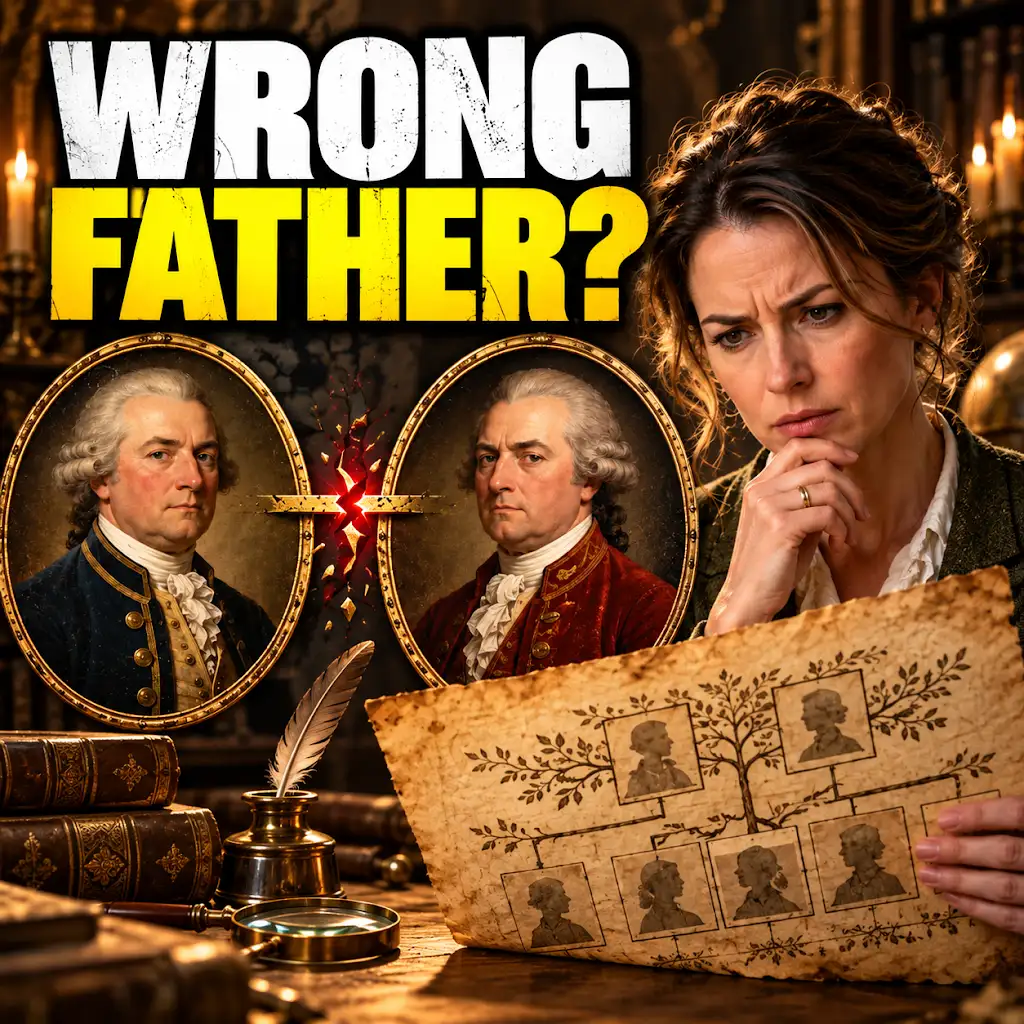
DNA Challenged This Family’s Pocahontas Ancestry Claim
FAQs
1. What is the significance of having descent from Pocahontas in Virginia aristocracy?
Having descent from Pocahontas in Virginia aristocracy is considered prestigious and historically significant. Pocahontas was a Native American woman known for her association with the colonial settlement at Jamestown, and her descendants hold a special place in Virginia’s history.
2. How can one trace their lineage back to Pocahontas in Virginia aristocracy?
Tracing lineage back to Pocahontas in Virginia aristocracy often involves extensive genealogical research. Many families have kept detailed records of their ancestry, and there are also resources available such as historical documents, church records, and online databases that can help in the process.
3. Are there specific organizations or societies dedicated to preserving the heritage of Pocahontas descendants in Virginia aristocracy?
Yes, there are organizations and societies dedicated to preserving the heritage of Pocahontas descendants in Virginia aristocracy. One prominent example is the Pocahontas Descendants Society, which aims to connect and support individuals who can trace their lineage back to Pocahontas.
4. What role did Pocahontas play in the history of Virginia aristocracy?
Pocahontas played a significant role in the history of Virginia aristocracy as she was the daughter of Chief Powhatan and married English settler John Rolfe. Her marriage to Rolfe helped establish peace between the Native Americans and the English colonists, and her descendants became influential figures in Virginia society.
5. How has the legacy of Pocahontas influenced Virginia aristocracy over the years?
The legacy of Pocahontas has had a lasting influence on Virginia aristocracy, with many families taking pride in their connection to her. Her story is often romanticized and celebrated in Virginia’s history, and her descendants continue to be recognized for their heritage and contributions to the state.