Volcanoes, those majestic and often fearsome geological formations, are not merely conduits for Earth’s molten heart but are also silent, enduring chroniclers of its vast and tumultuous history. From the explosive cataclysms that reshaped continents to the subtle outpourings that painted landscapes, each volcanic eruption, whether grand or modest, imprints a unique signature upon the planet. These fiery events leave behind a rich tapestry of geological evidence, scientific clues that, when meticulously deciphered, unlock profound insights into Earth’s past climate, atmospheric composition, biological evolution, and even the very conditions that foster life. Volcanoes, therefore, serve as Earth’s ultimate historical record keepers, offering an unparalleled archive etched in ash, rock, and gas.
The most apparent way volcanoes act as historical record keepers is through the layers of material they deposit over time. When a volcano erupts, it ejects ash, lava, and other pyroclastic materials into the atmosphere and onto the surrounding landscape. These materials settle in distinct layers, forming a stratigraphic column that mirrors the sequence of eruptions. Much like the pages of a book, each layer represents a specific period in time, and by studying these layers, geologists can reconstruct the history of volcanic activity in a region and, by extension, infer broader environmental conditions.
Ash Layers as Temporal Markers
Volcanic ash, composed of finely shattered rock, minerals, and volcanic glass, is a particularly effective marker of time. When ejected into the atmosphere, ash particles can travel vast distances, blanketing wide areas and creating a recognizable layer within sedimentary deposits. These ash layers, known as tephra layers or ignimbrites, are often distinct in their chemical composition, grain size, and color, making them uniquely identifiable.
Correlation and Dating of Tephra
The ability to correlate tephra layers across geographically separated locations is a cornerstone of geological dating. By analyzing the chemical fingerprint of ash using techniques like X-ray fluorescence (XRF) or mass spectrometry, scientists can determine its origin from a specific volcanic system. If an identical chemical signature is found in sediment cores or rock outcrops hundreds or even thousands of kilometers away, it provides irrefutable evidence that both locations experienced the fallout from the same eruption. This correlation allows for the precise dating of otherwise undated geological strata. Radiometric dating techniques, applied to volcanic minerals within the ash or the underlying lava flows, provide absolute age estimates for these tephra layers, further solidifying their role as chronological anchors.
Lava Flows and Their Cooling Histories
While ash can be dispersed widely, solidified lava flows provide more localized but equally valuable historical data. The thickness, composition, and structural characteristics of lava flows offer insights into the nature of past eruptions, including their duration, intensity, and the type of magma involved.
Paleomagnetism Encoded in Igneous Rocks
One of the most remarkable aspects of lava flows is their ability to preserve a record of Earth’s magnetic field at the time of their formation. As molten lava cools, magnetic minerals within it align themselves with the prevailing geomagnetic field. This alignment becomes permanent once the rock solidifies. By studying the direction and intensity of the magnetization in ancient lava flows, scientists can reconstruct past geomagnetic field reversals and variations. This paleomagnetic data is crucial for understanding the history of Earth’s geodynamo and has been instrumental in the development of plate tectonic theory.
Volcanoes serve as natural time capsules, preserving layers of ash and rock that can reveal critical information about Earth’s climatic and geological history. For instance, the study of volcanic deposits has provided insights into prehistoric human migration patterns, including the intriguing journey to Antarctica. This connection is explored in detail in the article titled “Prehistoric Human Migration to Antarctica,” which discusses how volcanic activity has influenced human settlement and adaptation in extreme environments. You can read more about this fascinating topic by following this link: Prehistoric Human Migration to Antarctica.
Atmospheric Archives Unveiled: Gases and Climate Proxies
Volcanic eruptions are not just geological events; they are also significant atmospheric events. The gases and aerosols released during eruptions can have profound and far-reaching impacts on Earth’s climate, and these impacts, in turn, leave their own indelible marks on ice cores, tree rings, and sedimentary archives.
The Impact of Volcanic Gases on Climate
Sulfur dioxide (SO2) is a key volcanic gas that plays a crucial role in climate regulation. When released into the stratosphere, SO2 reacts with water to form sulfate aerosols. These tiny particles are highly reflective, bouncing incoming solar radiation back into space, thus causing a temporary cooling effect on the planet. The magnitude and duration of this cooling depend on the amount of SO2 released and the height to which it is injected into the atmosphere.
Identifying Past Climate Events from Ice Cores
Ice cores, drilled from the vast ice sheets of Greenland and Antarctica, are invaluable archives of past atmospheric conditions. As snow accumulates and compresses into ice over millennia, it traps tiny bubbles of ancient air, as well as dust and volcanic ash. By analyzing the chemical composition of the ice and the trapped aerosols, scientists can identify markers of past volcanic eruptions, such as elevated levels of sulfate. The presence of exceptionally high sulfate concentrations in an ice core layer can signal a major volcanic eruption that significantly impacted global climate.
Stratospheric Aerosol Injection and Global Cooling
Large-scale volcanic eruptions like the Tambora eruption in 1815, which led to the “Year Without a Summer” in 1816, are clearly identifiable in ice core records. The massive injection of SO2 into the stratosphere by Tambora resulted in widespread crop failures and societal disruption. By studying the sulfate peaks in ice cores, scientists can date these events with remarkable precision and infer the magnitude of the climatic anomaly they caused. This allows for the reconstruction of past periods of volcanic-induced cooling and a better understanding of the sensitivity of Earth’s climate system to such perturbations.
Carbon Dioxide and Long-Term Climate Change
While the short-term cooling effect of SO2 is well-established, volcanoes also release significant amounts of carbon dioxide (CO2), a potent greenhouse gas. Over geological timescales, sustained volcanic activity can contribute to warming trends. Studying the isotopic composition of volcanic gases and trapped CO2 in ancient rocks provides insights into the long-term carbon cycle and its relationship with volcanic outgassing.
Isotopic Signatures as Tracers
The ratio of different carbon isotopes (e.g., 12C to 13C) in volcanic CO2 can distinguish it from CO2 released by other sources, such as the burning of fossil fuels. By analyzing these isotopic signatures in ancient sediments and ice cores that contain trapped volcanic gases, scientists can quantify the contribution of volcanism to atmospheric CO2 concentrations over millions of years. This has helped in understanding periods of intense volcanism that coincided with warmer global temperatures, such as the time of the dinosaurs.
Biological Echoes in the Ashes: Tracing Life’s Resilience and Extinction
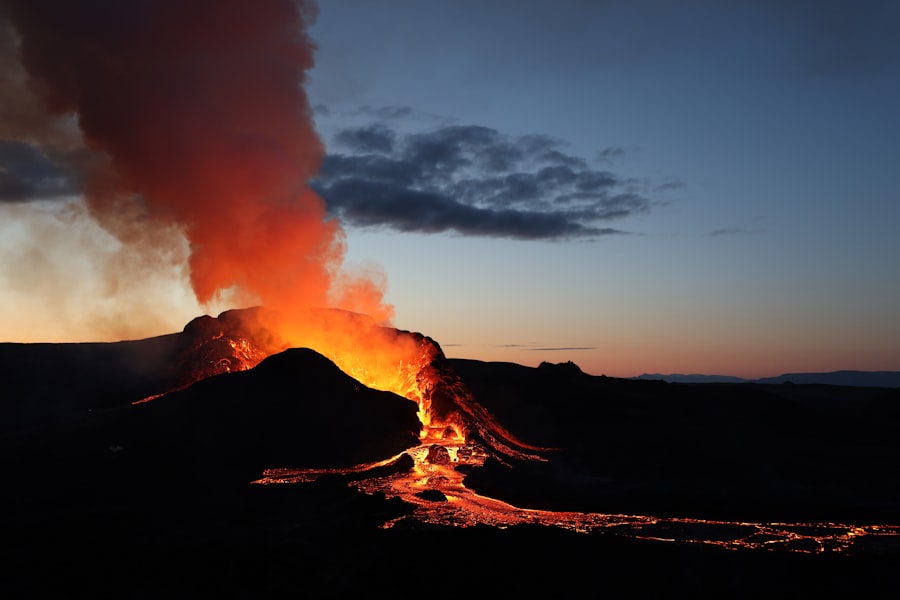
Volcanic events, particularly large-scale eruptions, have historically had profound impacts on life on Earth, leading to both widespread extinctions and remarkable opportunities for ecological recovery and evolution. The geological record, particularly fossil-bearing strata interbedded with volcanic deposits, offers a compelling narrative of this dynamic relationship.
Mass Extinctions and Volcanic Catastrophes
Several of Earth’s major mass extinction events are strongly linked to periods of intense volcanic activity. The Siberian Traps, a vast province of flood basalts formed by massive eruptions approximately 252 million years ago, are widely believed to be the primary cause of the Permian-Triassic extinction, the most severe extinction event in Earth’s history. These eruptions released enormous volumes of greenhouse gases, leading to drastic global warming, ocean acidification, and anoxic conditions.
Fossil Records in the Aftermath of Eruptions
The fossil record found in strata immediately preceding and following these major volcanic provinces provides crucial evidence. Abrupt disappearances of species in the fossil record, coupled with the appearance of more resilient or opportunistic forms in the layers above, paint a stark picture of the devastating impact of these events. Conversely, the recovery and diversification of life in the intervals after the volcanic activity subsided demonstrate the remarkable resilience and adaptability of biological systems.
The Role of Acid Rain and Toxic Gases
Beyond broad climate change, volcanic eruptions can also release toxic gases, such as hydrogen sulfide (H2S) and hydrogen fluoride (HF), which can cause direct mortality to flora and fauna. The sulfuric acid formed from SO2 in the atmosphere can lead to acid rain, devastating terrestrial and aquatic ecosystems.
Evidence of Devastation in Paleoenvironmental Reconstructions
Paleoenvironmental reconstructions, utilizing fossilized pollen, ostracods, and other indicators of past environmental conditions, can reveal evidence of widespread ecological devastation following specific volcanic events. For instance, studies of fossilized plant matter in ash-rich layers can show signs of scorching or rapid decay caused by acid rain or toxic gas exposure, further illuminating the immediate biological consequences of eruptions.
Unlocking Earth’s Interiors: Magma Composition and Geodynamic Processes
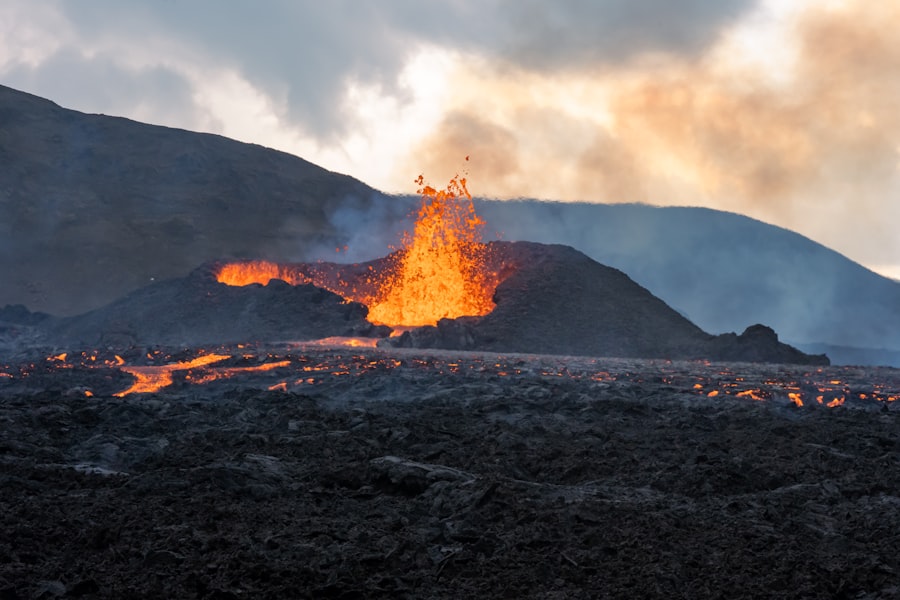
Volcanoes are not just windows to the Earth’s past climate and life but also offer direct access to the planet’s internal workings. By analyzing the composition of the erupted materials, scientists can decipher the processes occurring deep within the Earth’s mantle and crust, providing clues about the Earth’s thermal history and the dynamics of plate tectonics.
Tracing the Origin of Magmas
The chemical and isotopic composition of volcanic rocks provides a fingerprint of the magma source. Different tectonic settings, such as mid-ocean ridges, subduction zones, and hot spots, produce magmas with distinct chemical signatures. By studying these signatures, geologists can determine where the magma originated within the Earth’s mantle and how it was modified as it ascended through the crust.
Isotopic Geochemistry and Mantle Flow
Isotopic ratios, particularly those of radiogenic isotopes like strontium and neodymium, are extremely sensitive to the composition of the source region. Variations in these isotopic ratios within volcanic rocks can reveal the presence of ancient, distinct reservoirs within the Earth’s mantle and provide evidence for the movement and mixing of these reservoirs over geological time. This has been instrumental in understanding the large-scale convection currents that drive plate tectonics.
Evidence of Crustal Evolution and Recycling
The interaction of rising magma with the Earth’s crust can lead to the assimilation of crustal material, altering the magma’s composition. Studying the extent of this assimilation in volcanic rocks can reveal information about the composition and thermal state of the crust and provide insights into processes of crustal growth and recycling.
Xenoliths as Direct Samples of the Deep Crust and Mantle
Sometimes, volcanoes erupt fragments of pre-existing rock, known as xenoliths, that were incorporated into the magma during its ascent. These xenoliths can provide direct samples of the deep crust and even the upper mantle, offering unparalleled insights into the composition and conditions of these inaccessible regions of the Earth. Analyzing xenoliths can reveal the history of magma-country rock interactions and the processes that shape the Earth’s lithosphere.
Volcanoes serve as natural time capsules, preserving layers of ash and other materials that can reveal crucial information about past climatic events and geological activity. This fascinating aspect of volcanic research is explored in detail in a related article that discusses how these geological formations can help us understand historical changes in the Earth’s atmosphere and environment. For more insights on how natural phenomena can impact our world, you can read about the potential implications of economic shifts in this article.
The Future Record: Predicting and Mitigating Volcanic Hazards
| Volcano | Location | Historical Record |
|---|---|---|
| Vesuvius | Italy | Recorded eruption in 79 AD that buried the city of Pompeii |
| Krakatoa | Indonesia | Recorded massive eruption in 1883 that affected global climate |
| Mt. St. Helens | United States | Recorded eruption in 1980 that caused significant destruction |
While volcanoes serve as historical record keepers, their ongoing activity also poses significant risks to human populations. Understanding past volcanic behavior, as documented by these geological archives, is crucial for developing more accurate prediction models and mitigating future hazards.
Learning from Past Eruption Styles and Frequencies
By studying the stratigraphy of past eruptions, scientists can determine the frequency and magnitude of events for a given volcano. This historical data is essential for assessing the likelihood of future eruptions and for developing hazard maps that delineate areas at risk from lava flows, ashfall, pyroclastic flows, and lahars (volcanic mudflows).
Probabilistic Hazard Assessment and Early Warning Systems
The analysis of past volcanic activity allows for probabilistic hazard assessments, which estimate the probability of future eruptions of different magnitudes. This information informs risk management strategies, including land-use planning and the development of early warning systems. These systems, often employing seismometers, GPS, and gas sensors, monitor volcanic activity and provide crucial lead time for evacuations, thereby saving lives and minimizing damage.
The Role of International Collaboration in Volcanic Monitoring
Given the transboundary nature of volcanic ash plumes, which can disrupt air travel and impact downwind regions, international collaboration in volcanic monitoring and data sharing is paramount. Understanding the historical behavior of volcanoes globally allows for a more comprehensive approach to assessing and managing volcanic risks.
Interdisciplinary Research and Technological Advancement
The continued study of volcanoes as Earth’s historical record keepers relies on interdisciplinary research, bringing together geologists, climatologists, biologists, and atmospheric scientists. Advancements in remote sensing technologies, high-resolution geophysical imaging, and detailed geochemical analyses continue to enhance our ability to decipher the complex narratives etched within volcanic landscapes. By diligently preserving and interpreting these ancient tellurings, humanity gains invaluable knowledge not only about our planet’s past but also about its present and its future.

Scientists Found Earth’s Hidden Timestamp
FAQs
What is the significance of volcanoes in recording history?
Volcanoes play a crucial role in recording history as they preserve layers of ash, lava, and other materials that can provide valuable information about past eruptions and environmental conditions.
How do volcanoes help scientists understand past climate changes?
Volcanic eruptions release gases and particles into the atmosphere, which can affect the climate. By studying the layers of volcanic ash and gas trapped in ice cores, scientists can gain insights into past climate changes and their impact on the environment.
What information can be gathered from studying volcanic rocks and minerals?
Studying volcanic rocks and minerals can provide valuable information about the Earth’s geological history, including the composition of the Earth’s mantle, the movement of tectonic plates, and the formation of different types of volcanic rocks.
How do volcanoes contribute to the formation of new landforms?
Volcanic eruptions can create new landforms such as islands, mountains, and plateaus. The lava and ash deposited during eruptions can build up over time, forming new land and shaping the Earth’s surface.
What are some examples of historical events that have been recorded by volcanoes?
Volcanic eruptions have been linked to historical events such as the destruction of Pompeii in 79 AD, the “Year Without a Summer” in 1816 following the eruption of Mount Tambora, and the 1883 eruption of Krakatoa, which had global climatic effects.