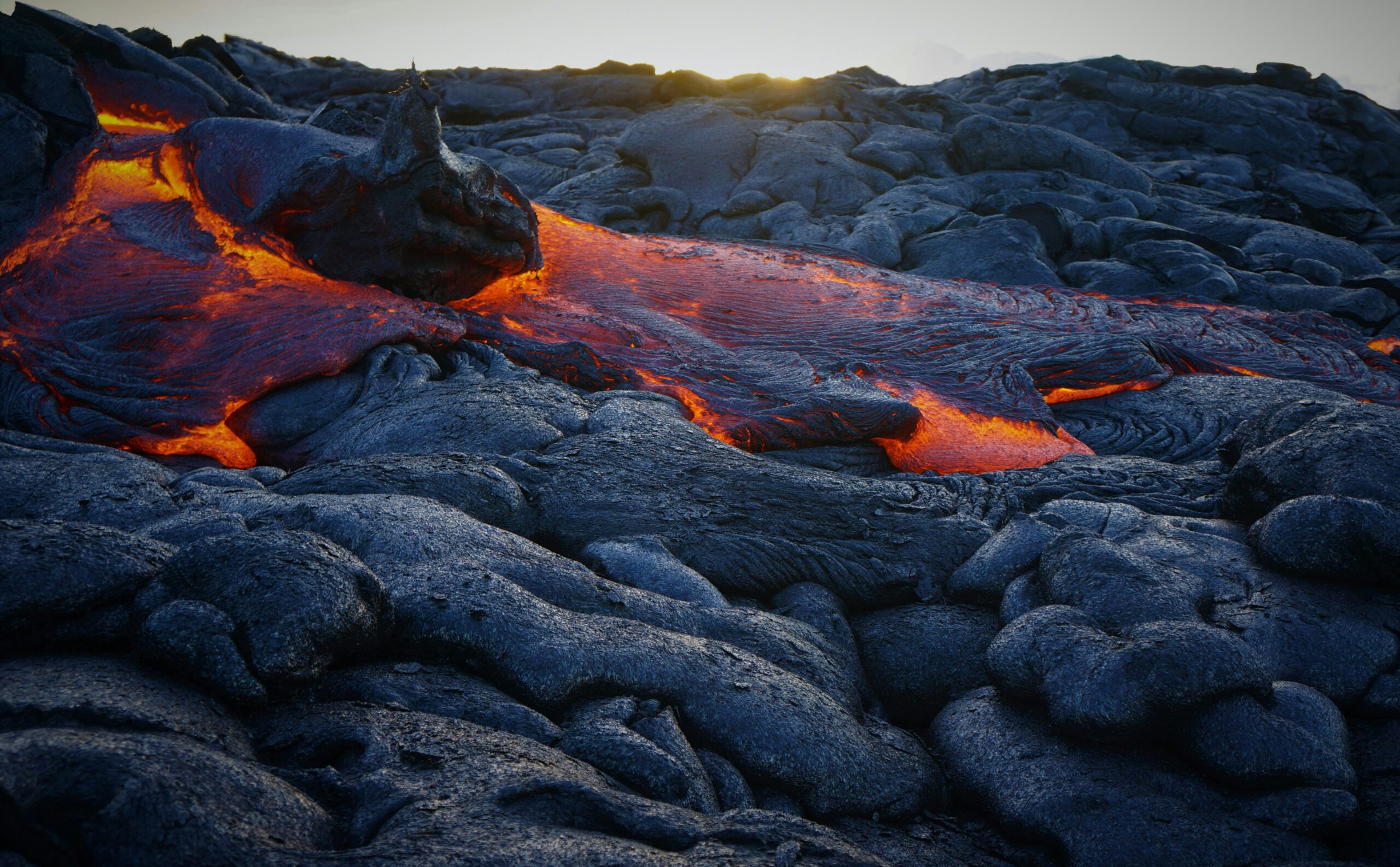
Volcanoes, those magnificent and often terrifying geological formations, have been far more than mere geological spectacles throughout human history. They are architects of landscapes, sculptors of continents, and, crucially, profound shapers of human civilization. From the dawn of our species to the complexities of the modern world, volcanic activity has relentlessly influenced where humans settled, how they lived, what they ate, and even the very technologies they developed. Their power, both destructive and creative, has woven itself into the fabric of human existence, leaving an indelible mark on our past, present, and future.
The earliest humans, like all life forms, were intrinsically tied to the Earth’s geological processes. Volcanic activity, though often perceived as a force of destruction, was also a fundamental driver of the very conditions that allowed early life to flourish, and subsequently, for human populations to establish their first permanent settlements. The release of minerals and gasses from the Earth’s interior, while sometimes cataclysmic, also created environments rich in nutrients, fostering the growth of vegetation that sustained both flora and fauna, the very basis of early human diets. Volcanoes, in their aftermath, often left behind fertile soils, drawing early agrarian societies to their slopes.
Nourishing the Land: The Gift of Volcanic Soils
The soils found around active and dormant volcanoes are renowned for their fertility. This richness stems from the pulverized rock and ash ejected during eruptions. These materials are dense with essential minerals such as potassium, phosphorus, and sulfur, which are vital for plant growth. Over time, weathering breaks down these volcanic deposits, releasing these nutrients into the soil, making it exceptionally conducive to agriculture. Early human communities, observing this phenomenon, gravitated towards areas with volcanic soils, recognizing them as reliable sources of sustenance. The lushness of these regions, especially in contrast to less fertile surroundings, would have been a powerful magnet, enabling larger and more stable populations to thrive. Regions like the Mediterranean, with its numerous volcanic islands and mainland cones, became cradles of early agriculture and civilization, directly benefiting from this geological bounty. The very existence of thriving communities in otherwise challenging terrains often points to the underlying presence of volcanic fertility.
Water and Energy: Unexpected Resources
Beyond soil, volcanic activity offered other crucial resources for early human development. Geothermal activity, the heat emanating from the Earth’s core, often led to the formation of hot springs. These springs served multiple purposes. They provided a source of consistent, clean water, particularly important in regions with seasonal water scarcity. They also offered natural bathing sites, potentially contributing to hygiene and disease prevention. Moreover, the consistent warmth of geothermal areas might have been advantageous for early settlements, offering a natural source of heat during colder months, reducing the reliance on wood for fuel and allowing for earlier outdoor activities and farming. In some instances, volcanic steam vents could have been observed and perhaps even utilized in rudimentary ways, offering a glimpse into the latent potential of geothermal energy.
Strategic Locations and Defensive Prosperies
The very landscape sculpted by volcanic activity could also offer strategic advantages for early human settlements. Volcanoes, with their imposing presence, often created natural barriers and elevated vantage points. Slopes of dormant volcanoes could be defended more easily than open plains, providing a natural deterrent against predators and rival human groups. The rugged terrain surrounding volcanic areas, while challenging to traverse, could also offer a degree of isolation, allowing nascent communities to develop without constant external interference. Furthermore, the geological formations, such as lava tubes and caldera rims, could have provided natural shelters and defensive structures, offering protection from the elements and from potential threats. These inherent qualities of volcanic landscapes, though unintentional, played a role in guiding human migration and settlement patterns.
Volcanoes have played a significant role in shaping human history, influencing everything from climate patterns to the rise and fall of civilizations. For instance, the eruption of Mount Tambora in 1815 led to the “Year Without a Summer,” resulting in widespread crop failures and food shortages across the Northern Hemisphere. This event not only impacted local populations but also contributed to social unrest and migration. To explore how external factors like economic changes can also influence societal dynamics, you can read about the effects of nearshoring on inflation in this related article: The Impact of Nearshoring on Inflation.
The Double-Edged Sword: Destruction and Displacement
While volcanoes provided fertile ground and strategic advantages, their power also manifested in terrifying destructive events that profoundly impacted human populations, leading to displacement, famine, and the abrupt termination of settlements. The sudden and violent nature of volcanic eruptions meant that civilizations that had flourished in their shadows could be brought to ruin in a matter of hours or days. These events, etched into collective memory, have played a significant role in shaping human resilience and migration patterns.
Cataclysmic Eruptions: Eras of Devastation
Throughout history, countless volcanic eruptions have unleashed devastating forces upon human populations. The eruption of Mount Vesuvius in 79 AD, which famously buried the Roman cities of Pompeii and Herculaneum, stands as a stark and well-documented example. The pyroclastic flows, hot ash, and volcanic gases suffocated and entombed entire communities, preserving them in time but abruptly ending their existence. This event, though ancient, serves as a potent reminder of the destructive potential of volcanoes and the vulnerability of human settlements to geological forces. Similarly, the eruption of Mount Tambora in 1815, the largest volcanic eruption in recorded history, caused widespread climate disruption and famine globally, earning 1816 the moniker “The Year Without a Summer.” This event highlights how even distant volcanic activity can have a profound and far-reaching impact on human life.
Forced Migration and the Reshaping of Demographics
The destructive power of volcanoes has often been a catalyst for mass migration. When an eruption renders an area uninhabitable, either through direct destruction, ashfall, or prolonged environmental degradation, human populations are forced to seek new lands. This displacement can lead to significant demographic shifts. Communities might relocate to more geologically stable regions, leading to increased population density and potential competition for resources in their new homes. Conversely, abandoned lands, once rendered safe again, might be resettled by new populations, leading to the intermingling of cultures and the evolution of new societal structures. The history of many island nations, for instance, is punctuated by periods of volcanic activity followed by significant population movements, driven by the need to survive. These forced migrations, though often traumatic, have also contributed to the spread of human populations and the development of diverse cultural landscapes.
Enduring Fears and Mythological Imprints
The sheer power and unpredictability of volcanic eruptions have also left an enduring imprint on human psychology and culture, manifesting in myths, legends, and religious beliefs. Throughout history, volcanoes have been associated with gods, spirits, and underworlds. The fiery interiors were often seen as the abodes of deities or monstrous beings, their eruptions interpreted as expressions of divine wrath or cosmic turmoil. These beliefs, while not based on scientific understanding, provided a framework for understanding and coping with the terrifying phenomena, offering explanations for seemingly inexplicable events. From the Greek myth of Hephaestus working in his forge within Mount Etna to the fire-breathing dragons of various mythologies, the imagery of volcanoes and their destructive potential has permeated human storytelling and shaped our collective imagination. These mythological imprints, born from direct experience with volcanic power, have influenced art, literature, and spiritual practices for millennia.
Resources from the Earth’s Fiery Depths: Innovation and Technology

Beyond mere sustenance, volcanoes have also been a source of raw materials and unique geological conditions that have spurred human innovation and the development of new technologies. The very elements ejected and shaped by volcanic activity have been utilized by humans for various purposes, from crafting tools to developing advanced energy resources.
Precious Metals and Building Materials: The Bounty of Volcanic Deposits
The geological processes associated with volcanism are responsible for the concentration of many valuable minerals and resources. Gold, silver, copper, and other precious metals are often found in association with volcanic activity, deposited by hydrothermal fluids. Early civilizations discovered these deposits and utilized them for adornment, trade, and the creation of valuable artifacts. Furthermore, volcanic rocks themselves, such as basalt and obsidian, have been historically important. Obsidian, a sharp, glassy volcanic rock, was a highly prized material for toolmaking in pre-metal ages, used to fashion knives, arrowheads, and other implements due to its exceptional sharpness and ease of flaking. The distinctive, dark appearance of basalt has also made it a popular building material, contributing to the construction of ancient structures and modern infrastructure alike.
Geothermal Energy: Harnessing the Earth’s Internal Heat
The consistent and powerful heat emanating from volcanic regions has long been recognized as a potential energy source. Geothermal energy, derived from the Earth’s internal heat, is a clean and renewable resource with significant potential. Early humans likely observed steam vents and hot springs and might have experimented with channeling this heat for various purposes, such as heating dwellings or in alchemical pursuits. However, the systematic harnessing of geothermal energy for electricity generation is a more recent development, gaining traction in the late 19th and 20th centuries. Countries located in geologically active regions, such as Iceland, New Zealand, and parts of the Philippines, have become leaders in geothermal power generation, utilizing the Earth’s internal heat to power their societies. This represents a direct evolution from observing natural volcanic phenomena to actively engineering solutions for sustainable energy needs.
The Puzzling Properties of Pumice: From Building to Industry
Pumice, a lightweight, porous volcanic rock formed from frothy lava, has a unique set of properties that have made it surprisingly useful throughout human history. Its buoyancy and abrasive qualities have led to its diverse applications. Historically, pumice was used as an abrasive for polishing, cleaning, and grinding. It was also used in construction, mixed with cement to create lightweight and insulating concrete. In more modern times, pumice has found its way into industries ranging from cosmetics (as an exfoliant) to horticulture (as a soil amendment to improve drainage and aeration). The discovery and utilization of pumice is a testament to human ingenuity in finding practical applications for even the most seemingly mundane geological byproducts of volcanic activity.
Culture, Art, and Philosophy: Volcanoes in the Human Psyche

The profound impact of volcanoes on human lives has naturally permeated their cultures, finding expression in art, literature, philosophy, and religious beliefs. These expressions reflect both the awe-inspiring beauty and the terrifying power of these geological forces, shaping humanity’s understanding of the world and their place within it.
Artistic Depictions and Architectural Influences: From Ancient Murals to Modern Landscapes
The dramatic landscapes sculpted by volcanic activity have long been a source of inspiration for artists. Ancient cave paintings and reliefs, as well as later frescoes and oil paintings, frequently depict volcanic cones, erupting mountains, and the aftermath of eruptions. These artistic representations served to document events, express fear or reverence, and integrate the volatile presence of volcanoes into the human worldview. Furthermore, the unique geological formations created by volcanic activity have, in some instances, influenced architectural styles. The use of volcanic stone in construction, as mentioned earlier, is a direct example. However, the very shapes and forms of volcanic landscapes, from the dramatic caldera rims to the symmetrical cones, have also subtly informed aesthetic sensibilities in art and design, even when not directly depicting a volcano.
Philosophical Inquiries and Existential Reflections: Life on the Edge
The ever-present threat and overwhelming power of volcanic eruptions have prompted profound philosophical inquiries into humanity’s relationship with nature, the impermanence of life, and the forces that govern existence. The sudden destruction wrought by a volcano could lead to contemplation of fate, destiny, and the limitations of human control. Philosophers and thinkers have grappled with the idea of Earth as a living, breathing entity, capable of both creation and destruction, a concept intrinsically linked to volcanic processes. The juxtaposition of fertile slopes and devastating eruptions presented a complex duality, forcing a recognition of the delicate balance between life and death, growth and destruction, and ultimately, influencing existential thought.
Folklore, Legends, and the Enduring Power of Myth
As previously touched upon, the mythology surrounding volcanoes is vast and diverse. These stories, passed down through generations, helped make sense of the unfathomable power and danger associated with these natural phenomena. They provided explanations for eruptions, often attributing them to divine anger or the actions of supernatural beings. These myths served a crucial cultural function, reinforcing social norms, explaining natural disasters, and providing a sense of collective identity. The enduring power of these legends underscores the deep psychological impact of volcanoes on the human psyche, demonstrating how these geological marvels have become ingrained in our cultural narratives and continue to spark our imagination.
Volcanoes have played a significant role in shaping human history, influencing everything from climate patterns to agricultural practices. For instance, the eruption of Mount Vesuvius in 79 AD not only buried the city of Pompeii but also provided invaluable insights into Roman life. Similarly, the volcanic activity in regions like Mexico has impacted local economies and industries, as explored in a related article about the country’s electronics manufacturing hubs. You can read more about this fascinating connection between geology and industry in the article found here.
The Future of Human-Volcanic Interaction: Adaptation and Mitigation
| Volcano | Impact on Human History |
|---|---|
| Santorini, Greece | The eruption of Santorini in 1600 BCE is believed to have led to the decline of the Minoan civilization and may have inspired the legend of Atlantis. |
| Vesuvius, Italy | The eruption of Vesuvius in 79 CE destroyed the city of Pompeii and had a significant impact on Roman society and culture. |
| Tambora, Indonesia | The 1815 eruption of Tambora led to the “Year Without a Summer” in 1816, causing widespread crop failures and food shortages in Europe and North America. |
| Krakatoa, Indonesia | The 1883 eruption of Krakatoa caused tsunamis and resulted in the deaths of over 36,000 people, as well as impacting global climate and weather patterns. |
| Mount St. Helens, USA | The 1980 eruption of Mount St. Helens caused significant destruction of infrastructure and natural habitats in the surrounding area. |
As human civilization continues to evolve, our relationship with volcanoes is also changing. While we cannot control their power, our understanding of volcanic processes has advanced significantly, enabling us to adapt to their presence and mitigate their risks. The future holds both challenges and opportunities in how humanity coexists with these dynamic geological forces.
Advanced Monitoring and Early Warning Systems: Predicting the Unpredictable
Modern science has made remarkable strides in monitoring volcanic activity. Through sophisticated networks of seismometers, GPS devices, gas sensors, and satellite imagery, scientists can detect subtle changes in volcanic behavior that may precede an eruption. This data allows for the development of early warning systems, providing crucial time for evacuations and disaster preparedness. While complete prediction remains elusive, these advanced technologies significantly enhance our ability to respond to volcanic threats, saving lives and minimizing damage. The scientific endeavor to understand volcanic behavior is a continuous process, driven by the need to coexist with these powerful natural phenomena.
Volcanic Tourism and a New Appreciation: Balancing Risk and Reward
The awe-inspiring power and dramatic landscapes created by volcanoes have also become a significant draw for tourism. Volcano tourism, when managed responsibly, can provide economic benefits to local communities and foster a greater public appreciation for geology and natural forces. However, it also presents inherent risks. Strict safety protocols, guided tours, and informed visitors are essential to ensure that the pursuit of experiencing volcanic wonders does not lead to catastrophic consequences. The rise of carefully managed volcanic tourism represents a complex interplay between human curiosity, economic opportunity, and the inherent dangers of these geological giants.
Climate Change and Volcanic Influence: A Complex Interplay
The interaction between climate change and volcanic activity is a complex and evolving area of scientific research. Large volcanic eruptions can inject ash and sulfur dioxide into the stratosphere, temporarily cooling the planet by reflecting sunlight. Conversely, increased volcanic activity could potentially release greenhouse gases. Furthermore, the impacts of climate change, such as rising sea levels, could interact with coastal volcanic systems in unforeseen ways. Understanding these intricate relationships is crucial for developing comprehensive strategies for climate adaptation and disaster risk reduction in a world increasingly shaped by both human-induced and natural environmental changes. The future will require a nuanced understanding of how these powerful forces intertwine, demanding collaborative scientific efforts and adaptive societal responses.
In conclusion, volcanoes are not merely geological features; they are active participants in the grand narrative of human history. From providing the fertile cradles for our earliest civilizations to unleashing forces that have reshaped landscapes and societies, their influence is undeniable and pervasive. They have fueled innovation, inspired art and philosophy, and continue to pose challenges and offer opportunities for our future. As we look ahead, a deeper understanding and respectful coexistence with these magnificent and powerful forces of nature will remain paramount for the continued flourishing of human civilization.

Scientists Found Earth’s Hidden Timestamp
FAQs
1. How have volcanoes changed human history?
Volcanic eruptions have had significant impacts on human history, including altering the Earth’s climate, causing mass extinctions, and shaping the development of civilizations.
2. What are some specific ways that volcanoes have affected human history?
Volcanic eruptions have led to the formation of new land masses, such as islands, and have also caused widespread destruction, including the loss of life and property. Additionally, volcanic ash and gases can have long-term effects on the environment and human health.
3. Have volcanic eruptions impacted ancient civilizations?
Yes, volcanic eruptions have impacted ancient civilizations in various ways. For example, the eruption of Mount Vesuvius in 79 AD led to the destruction of the Roman cities of Pompeii and Herculaneum. Additionally, the Minoan civilization on the island of Crete was affected by the eruption of Thera (Santorini) around 1600 BC.
4. How have modern societies been affected by volcanic eruptions?
Modern societies have been impacted by volcanic eruptions through the disruption of air travel, the loss of agricultural land, and the need for evacuation and resettlement of affected populations. Additionally, volcanic eruptions can have economic impacts on industries such as tourism and agriculture.
5. Can volcanic eruptions have positive effects on human history?
While volcanic eruptions are often associated with destruction, they can also have positive effects on human history. For example, volcanic ash can enrich soil, making it more fertile for agriculture. Additionally, volcanic landscapes can attract tourists and provide opportunities for scientific research and education.