The Lure of the Herd: Understanding Paleolithic Prey Behavior
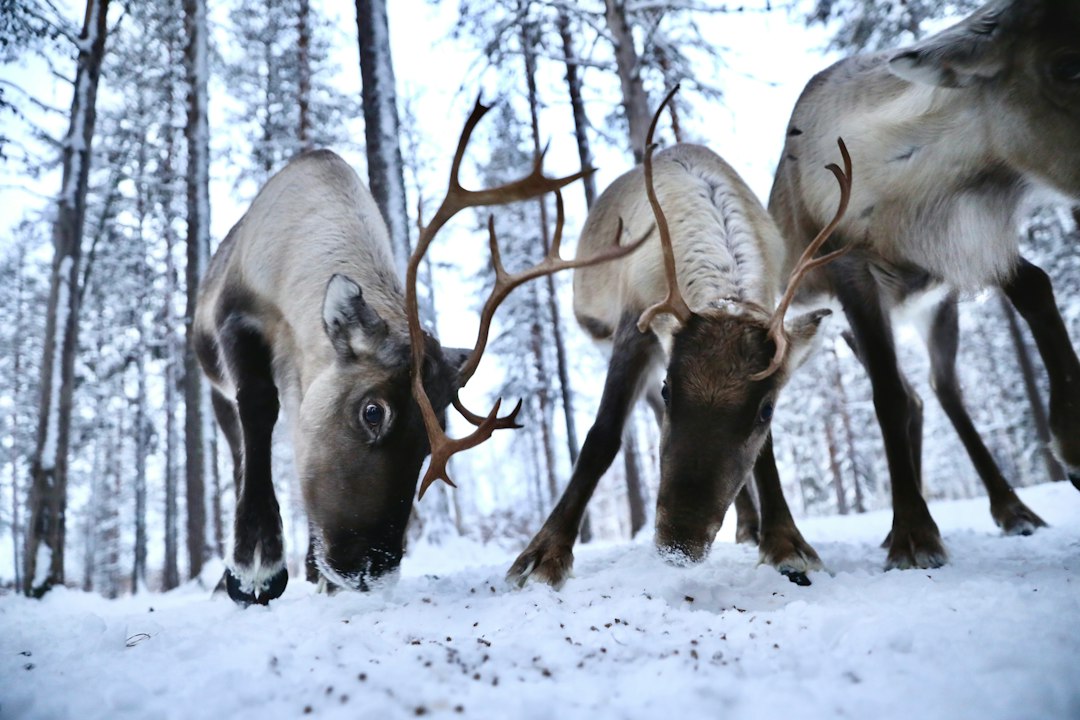
The Paleolithic era, a vast expanse of human prehistory stretching back over two and a half million years, was a time defined by survival. For our hunter-gatherer ancestors, the acquisition of food was not a passive act but a complex dance of observation, strategy, and often, immense patience. Among the most vital resources were the large herbivores that roamed the landscapes, providing sustenance, materials for tools and shelter, and fuel for the hearth. Reindeer, with their predictable migratory patterns and substantial meat yields, represent a prime example of a quarry that shaped human hunting techniques. Understanding the behavior of these creatures was paramount for successful ambushes, transforming the act of waiting into a calculated, active pursuit.
Paleolithic hunters were not simply opportunistic scavengers; they were astute naturalists who possessed an intimate knowledge of their environment and the animals within it. This knowledge extended beyond simple identification to a deep comprehension of animal habits, social structures, and individual responses to various stimuli. For reindeer, this meant understanding their seasonal movements, their preferred grazing areas, their watering hole routines, and crucially, their herd dynamics. The vulnerability of a single animal or a small group within a larger, less aware herd was a key factor in the design of ambush strategies. Hunters would observe how reindeer reacted to natural dangers, such as the scent of predators or sudden noises, and how these reactions might be manipulated to their advantage. The rustling of leaves, the snap of a twig, or even the mimicking of predator calls could be used to subtly herd or funnel prey towards prepared positions.
Furthermore, the social cohesion of reindeer was both a strength and a weakness. While a large herd offered collective defense and increased vigilance, it also presented opportunities for misdirection. A skilled hunter could exploit the herd’s tendency to follow the lead of others, creating openings where a targeted individual or smaller subgroup might be isolated. The very act of waiting in an ambush was, therefore, a testament to this profound understanding of animal psychology. It was not a passive stillness born of desperation, but an active stillness, honed by observation and informed by a deep respect for the quarry. The patience required to lie in wait, often for extended periods, was fueled by the certainty that the predictable rhythms of the reindeer herd would eventually deliver them within striking distance. This intrinsic understanding of prey behavior was the bedrock upon which Paleolithic hunting strategies were built, turning the hunter into an extension of the natural world.
In exploring the fascinating methods of Paleolithic hunting, particularly the strategic waiting in reindeer ambushes, one can draw intriguing parallels to how ancient peoples adapted to their environments. This topic is further enriched by understanding the broader implications of climate change on ecosystems, as discussed in the article on Antarctica’s melting ice caps, which threatens to raise sea levels and disrupt wildlife habitats. For more insights on this pressing issue, you can read the article here: Antarctica’s Melting Ice Caps Threatening Sea Level Rise.
The Art of the Concealment: Crafting Invisible Stalks
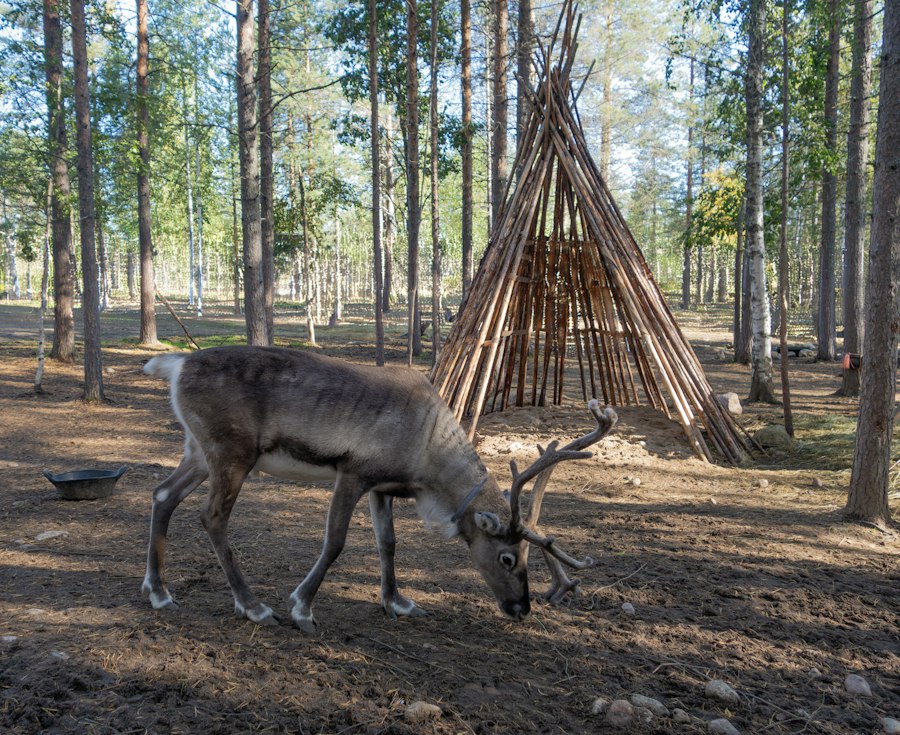
The effectiveness of any ambush hinges on the hunter’s ability to become one with their surroundings, to erase their presence from the sensory perception of their prey. For Paleolithic hunters targeting reindeer, this meant mastering the art of concealment, a skill honed through generations of observation and experimentation. The environment itself provided the primary palette for camouflage, with hunters utilizing natural materials to blend their forms and mask their scent. This was not a matter of simply hiding behind a bush; it was a deliberate and sophisticated process of integrating into the landscape.
The choice of ambush site was intrinsically linked to the available natural cover. Dense thickets of undergrowth, rocky outcrops, and the shadowed edges of forests were prime locations. Hunters would meticulously study the visual patterns of their intended hunting grounds, noting how light and shadow played across the terrain and how vegetation broke up silhouettes. They would then apply this knowledge to their own presentation. Animal hides, carefully prepared to retain their natural scent as much as possible (or sometimes treated with mud and vegetation to mask human odors), would be worn. These hides served not only as clothing but as mobile camouflage, allowing hunters to move cautiously towards their ambush positions without immediately revealing themselves.
Beyond visual concealment, olfactory deception played a crucial role. Reindeer possess a keen sense of smell, capable of detecting the presence of humans and other predators from considerable distances. Paleolithic hunters understood this vulnerability and developed strategies to mitigate it. They would frequently approach their ambush sites upwind of their prey, ensuring their scent was carried away from the herd. Additionally, they might rub their bodies and equipment with local vegetation, mud, or even animal dung to disrupt their human odor and adopt the smell of the environment. This practice was particularly important when stalking closer to the herd, where the slightest olfactory clue could send the animals scattering. The meticulous attention to detail in masking both visual and olfactory cues underscores the sophisticated understanding of animal sensory perception that underpinned Paleolithic hunting. The ability to wait, unseen and unscented, was not merely a matter of hiding but of actively crafting an invisible presence, transforming the hunter into a ghost in the landscape, patiently awaiting the opportune moment.
Weapons of Precision: Tools For a Swift Strike

The success of a Paleolithic reindeer ambush was ultimately decided by the effectiveness of the weapons employed. These were not the crude, rudimentary tools often depicted, but finely crafted instruments designed for lethal efficiency, capable of bringing down large, powerful animals with precision. The development of these weapons represented a significant leap in Paleolithic technology and hunting prowess. The vast majority of successful reindeer ambushes would have relied on projectile weapons, allowing hunters to strike from a distance and maximize their safety and the element of surprise.
The spear, in its various forms, was undoubtedly a cornerstone of Paleolithic weaponry. The simplest spears, made from fire-hardened wooden shafts, were effective for thrusting at close range, but the true innovation lay in the development of the spear-thrower, or atlatl. This ingenious device, essentially a lever, allowed hunters to hurl spears with significantly greater force and distance than they could with their arms alone. The increased velocity and range provided by the atlatl were critical for ambush hunting. It meant that hunters could engage prey from a safer distance, increasing their chances of a quick kill and reducing the risk of injury from a cornered and desperate animal. The spearheads themselves were often meticulously crafted from flaked stone, such as flint or chert, carefully shaped into sharp points or barbed forms to maximize tissue damage and prevent the spear from easily dislodging. The careful knapping of these stone points required immense skill and knowledge of the raw materials, showcasing the technological sophistication of the era.
While spears were the primary projectile, other weapons may have played a supporting role. The bow and arrow, while emerging later in the Paleolithic in some regions, would have provided an even more advanced projectile system, offering greater accuracy and penetration. However, evidence for widespread bow and arrow use in earlier Paleolithic periods is less common, and the spear and atlatl likely dominated large game hunting for much of the era. Beyond projectile weapons, close-quarters implements such as stone axes or heavy clubs might have been used for finishing off wounded animals or in situations where the ambush failed to yield a clean kill at range. The selection and maintenance of these weapons were integral to the hunting process. Hunters would spend considerable time crafting, sharpening, and repairing their tools, ensuring they were in peak condition for the demanding task ahead. The effectiveness of a reindeer ambush was thus a direct consequence of the ingenuity and skill invested in the creation of weapons capable of delivering a swift and decisive strike.
The Strategy of Silence: Orchestrating the Ambush
Successfully waiting in a reindeer ambush was not a static endeavor. It involved a dynamic and meticulously orchestrated sequence of actions designed to manipulate the herd’s behavior and isolate a target. The Paleolithic hunter was a strategist, a conductor of nature’s orchestra, using subtle cues and environmental awareness to bring about a desired outcome. The element of surprise was paramount, but achieving it required more than just passive waiting; it demanded an active, albeit silent, manipulation of the environment and the prey’s perceptions.
The initial stages of an ambush would involve careful observation of the reindeer herd. Hunters would track their movements, noting their grazing patterns, their preferred routes, and the composition of the group. They would identify the most opportune moments to initiate their strategy, often when the herd was settled and less alert, or when a particular individual or subgroup was naturally separated from the main body. The deployment of hunters would be critical. This was rarely a solo affair. Coordinated efforts, even with small numbers, allowed for a more comprehensive strategy. Hunters would position themselves at strategic points, forming a silent net or funnel. The goal was to guide the herd, or a portion of it, towards a designated kill zone, a place where the terrain offered maximum advantage and escape was limited.
The use of sound, or the deliberate absence of it, was a powerful tool. While stillness was crucial, subtle sounds could be employed to influence the herd’s direction. The snapping of a twig in a particular direction might encourage the animals to move away from that sound, and thus towards another strategically positioned hunter. The imitation of certain animal calls, though difficult to prove definitively for early Paleolithic periods, could have served to startle or misdirect. The goal was to create a controlled panic or a gentle nudging, not a full-blown flight that would scatter the prey indiscriminately. This delicate balance required immense discipline and a deep understanding of how reindeer reacted to different stimuli. Furthermore, the hunters themselves would often communicate through pre-arranged hand signals or subtle body language, a silent language developed to coordinate their actions without alerting the quarry. The execution of the ambush was a testament to their patience, their discipline, and their profound connection to the natural world, turning the act of waiting into a masterclass in tactical prowess.
In exploring the fascinating techniques of Paleolithic hunting, one intriguing method involved waiting in a reindeer ambush, where hunters would strategically position themselves to catch their prey off guard. This approach not only required patience but also a deep understanding of animal behavior and seasonal patterns. For those interested in the broader implications of strategic planning in historical contexts, a related article delves into the intricacies of tactical maneuvers during the Civil War, highlighting how similar principles of ambush and timing played a crucial role in battles. You can read more about this in the article here.
The Aftermath: Sustaining Life from the Fallen Prey
| Metric | Value | Unit | Description |
|---|---|---|---|
| Average Group Size | 5-10 | Individuals | Typical number of hunters involved in a reindeer ambush |
| Ambush Duration | 2-4 | Hours | Time hunters waited in ambush before reindeer approached |
| Success Rate | 30-50 | Percent | Estimated percentage of successful hunts per ambush attempt |
| Distance to Prey | 10-30 | Meters | Typical distance hunters maintained from reindeer during ambush |
| Weapons Used | Spear, Atlatl | Types | Primary hunting tools employed in ambush hunting |
| Season | Late Autumn to Early Winter | Time Period | Preferred hunting season when reindeer migration was predictable |
| Energy Expenditure | Moderate | Level | Physical effort required during waiting and ambush phases |
The successful conclusion of a reindeer ambush marked not an end, but a crucial beginning. The fallen animal was the culmination of immense effort and skill, but its true value lay in its ability to sustain life for the Paleolithic community. The meticulous process of butchery and utilization that followed was as sophisticated and vital as the hunt itself. Every part of the reindeer, from the flesh to the bones and hide, held intrinsic value, demonstrating a complete and sustainable approach to resource management that defined Paleolithic survival.
The immediate task was the careful butchery of the animal. This was not a haphazard dismemberment but a precise and efficient process carried out with the sharp stone tools crafted for such purposes. Hunters would work to quickly section the carcass, prioritizing the removal of the most valuable meat for immediate consumption. The fat reserves within the animal were particularly prized, providing essential calories and energy. Beyond the meat, internal organs such as the liver and heart were rich in nutrients and would have been consumed. The bones were not discarded but were systematically broken down to extract marrow, another vital source of fat and protein. The process of cracking bones to access marrow would have required robust tools, possibly stone hammers or anvils.
The reindeer hide was another invaluable resource. Carefully prepared and tanned, it would have been used for clothing, shelter, and bedding, offering essential protection against the harsh Paleolithic environment. The sinew, found in the tendons, could be processed into strong cords for binding tools, crafting bows (if available), or even for sewing. The antlers, while perhaps less crucial for immediate sustenance, could be fashioned into tools, implements, or decorative items. The ability to extract maximum utility from every part of the animal is a hallmark of successful hunter-gatherer societies. It speaks to a deep respect for the quarry and a profound understanding of the interconnectedness of the ecosystem. The successful ambush was not just about acquiring food for a single meal; it was about securing resources that could sustain a family or a small group for days or even weeks, ensuring the continuation of the community through the harsh realities of prehistoric life. The entire cycle, from the patient wait in ambush to the complete utilization of the fallen prey, represented a masterful adaptation to the natural world, a testament to the ingenuity and resilience of our Paleolithic ancestors.

➡️Life 20,000 Years Ago | When Strangers Claim Your Winter Shelter 🚨
FAQs
What is a reindeer ambush in the context of Paleolithic hunting methods?
A reindeer ambush refers to a hunting strategy used by Paleolithic peoples to capture reindeer by setting up traps or waiting in concealed positions along known migration routes. This method relied on understanding animal behavior and the landscape to effectively catch prey.
How did Paleolithic hunters prepare for a reindeer ambush?
Paleolithic hunters prepared for a reindeer ambush by scouting the area to identify migration paths, setting up natural barriers or traps, and using camouflage to blend into the environment. They often worked in groups to increase their chances of success and to manage the logistics of the hunt.
What tools and weapons were commonly used in reindeer ambush hunting?
Common tools and weapons used in reindeer ambush hunting included spears, bows and arrows, and traps made from natural materials. These tools were crafted from stone, bone, and wood, allowing hunters to effectively kill or capture reindeer during the ambush.
What role did knowledge of animal behavior play in successful reindeer ambushes?
Knowledge of animal behavior was crucial for successful reindeer ambushes, as hunters needed to understand the migration patterns, feeding habits, and social structures of reindeer. This understanding allowed them to predict when and where to set up ambushes for maximum effectiveness.
How did the success of reindeer ambushes impact Paleolithic societies?
The success of reindeer ambushes significantly impacted Paleolithic societies by providing a reliable food source, which contributed to the survival and growth of communities. It also influenced social structures, as successful hunts often required cooperation and coordination among group members.