The relentless sun has always been a formidable force, shaping civilizations and dictating the rhythms of life. For millennia, humanity has sought refuge from its searing embrace, developing ingenious methods to combat the heat. Long before the advent of electric fans and air conditioners, ancient peoples harnessed the inherent cooling properties of water, transforming it into a vital tool for comfort and survival. This exploration delves into the remarkable and often overlooked ancient cooling techniques that relied on the simple yet profound power of water, showcasing a deep understanding of its thermodynamic principles and a remarkable capacity for innovation.
The effectiveness of water as a cooling agent lies in fundamental scientific principles that were intuitively understood and expertly applied by ancient cultures. These techniques weren’t born from a sterile laboratory, but from generations of observation, experimentation, and a profound connection with the natural world. The primary mechanisms at play are evaporation, convection, and thermal mass.
Evaporative Cooling: The Breath of Relief
The most pervasive and arguably the most effective ancient water-based cooling technique relied on the process of evaporation. This phenomenon, where liquid water transforms into water vapor, requires energy. This energy is drawn from the surrounding environment, thus lowering its temperature. Ancient peoples observed that on hot, dry days, wet surfaces felt cooler, and that a gentle breeze blowing over water could bring a refreshing chill.
The Physics of Evaporation
At a molecular level, water molecules are constantly in motion. When the surface molecules gain enough kinetic energy, they can overcome the intermolecular forces holding them in the liquid state and escape into the atmosphere as gas. This energy transfer is the key to evaporative cooling. The hotter and drier the air, the more readily water will evaporate, and the more significant the cooling effect. Conversely, in humid environments, evaporation is significantly slower, and thus less effective. Ancient builders, through practical experience, understood this distinction and often located their water-based cooling systems in regions with lower humidity.
Harnessing Evaporation: Practical Applications
The application of this principle was diverse and remarkably ingenious. From simply wetting floors and courtyards to more elaborate systems involving porous materials and water circulation, the goal was to maximize the surface area exposed to air and facilitate the transition of water into vapor. This wasn’t just about personal comfort; it was about creating habitable environments that allowed for more productive and enjoyable lives even in the harshest climates. The careful placement of these systems, often in shaded areas or where prevailing winds could be harnessed, further amplified their cooling potential.
Convective Cooling: The Dance of Warm and Cool Air
Beyond evaporation, water also played a crucial role in facilitating convection, the transfer of heat through the movement of fluids. Warm air, being less dense, rises, while cooler, denser air sinks. Water, with its ability to absorb and release heat, could be used to create localized cool air currents, effectively pushing out warmer air and drawing in cooler air.
The Role of Density and Movement
Water itself, when heated or cooled, undergoes convection. However, its application in cooling focused more on its interaction with air. By introducing a source of cool water into a space, the air in direct contact with it would cool down, become denser, and sink. This downward movement would then displace the warmer air above it, creating a continuous cycle of cooling and air circulation. This was particularly effective in enclosed spaces where natural air movement was limited.
Creating Air Currents: Strategic Design
Ancient architects and engineers understood how to manipulate air currents using water. This often involved strategically placing water features, such as fountains, pools, or aqueducts, in conjunction with architectural elements like courtyards, narrow passages, or specially designed ventilation shafts. The aim was to channel the cooler air generated by the water and guide it through the living spaces, displacing the stagnant, hot air.
Thermal Mass: The Reservoir of Coolness
Water’s ability to absorb and store a significant amount of heat is known as its high specific heat capacity, a property that contributes to its role as a thermal mass. Large bodies of water, or even water contained within thick walls, can absorb heat during the day, moderating the temperature rise. At night, when temperatures drop, this stored heat can be slowly released, preventing drastic temperature swings.
Absorbing and Releasing Heat
Imagine a large stone building with a central courtyard containing a pool of water. Throughout the day, the sun heats the building’s walls and the surrounding air. The water in the pool absorbs a considerable amount of this heat, preventing the air temperature from soaring as rapidly as it might in a structure without this thermal mass. As the sun sets and the ambient temperature decreases, the water, having stored this heat, begins to release it slowly back into the environment. This gradual release helps to keep the interior of the building warmer than it would otherwise be during the night, providing a more comfortable transition into cooler evening hours.
Architectural Integration of Water
Ancient builders masterfully integrated water into their architectural designs to leverage its thermal mass properties. This wasn’t merely about aesthetics; it was a functional strategy for climate control. Features like underground cisterns, water-filled channels running through buildings, and carefully designed courtyards with water features served to regulate internal temperatures, making structures more livable and sustainable. The sheer volume of water used in these systems, coupled with the materials of the surrounding structures, created a powerful buffer against extreme temperatures.
Ancient civilizations demonstrated remarkable ingenuity in their use of water for cooling purposes, employing various techniques to combat the heat. For instance, the Romans utilized aqueducts to bring cool water into their homes and public baths, creating a refreshing environment even during the hottest days. This innovative approach to temperature regulation is explored in greater detail in the article “The Year History Stood Still When the Wind Ceased,” which discusses how ancient societies adapted to their environments. You can read more about this fascinating topic by following this link: The Year History Stood Still When the Wind Ceased.
Water Architecture: Cooling Spaces with Flow and Form
The most visually striking and perhaps the most celebrated ancient water cooling techniques involved the deliberate integration of water into architectural designs. These weren’t isolated gadgets; they were intrinsic components of buildings and urban planning, transforming entire environments into cooler, more habitable zones.
Courtyards and Atria: The Heart of the Cool
Central courtyards, often adorned with fountains and lush vegetation, were a common feature in ancient dwellings and public buildings across various cultures. These open spaces served as microclimates, with the water features actively contributing to a cooler atmosphere within the surrounding structures.
The Evaporative Oasis
The water in courtyard fountains and pools evaporated, drawing heat from the air and creating a noticeably cooler microclimate. The gentle splashing of water also added a soothing auditory element, contributing to a sense of tranquility and relief from the external heat. Surrounding colonnades or verandas provided shade, further enhancing the cooling effect by preventing direct sunlight from heating the water and the air excessively. The vegetation, watered by these features, also provided shade and contributed to evaporative cooling through transpiration.
Harnessing Natural Ventilation
The design of courtyards and atria also facilitated natural ventilation. The warmer air within the building, heated by the sun, would rise and exit through openings at the top, while the cooler, denser air generated by the water features would be drawn into the lower levels, creating a continuous flow of refreshing air. This interplay between water, shade, and architectural form was a testament to a sophisticated understanding of thermodynamics and environmental design.
Fountains and Pools: More Than Just Decoration
Ancient fountains and pools were far more than mere decorative elements. They were functional cooling devices, strategically employed to mitigate the heat of their surroundings. The continuous circulation and evaporation of water within these features created a palpable sense of coolness.
Evaporative Cooling in Action
The constant movement of water in fountains, whether through natural pressure or rudimentary pumping mechanisms, ensured a fresh surface for evaporation. The finer the spray or the more agitated the water, the greater the surface area for evaporation, and consequently, the more significant the cooling effect. This was particularly evident in enclosed courtyards or in the vicinity of public gathering spaces, where the collective cooling impact could be substantial.
Modulating Microclimates
The presence of large pools, especially those integrated into public spaces or palace complexes, served to significantly moderate the local microclimate. Their sheer thermal mass helped to absorb heat during the day, and the evaporative effect from their vast surface area provided a constant source of cool air. This not only benefited the inhabitants of the structures but also contributed to the overall comfort of the surrounding urban environment.
Water Channels and Aqueducts: Bringing the Cool In
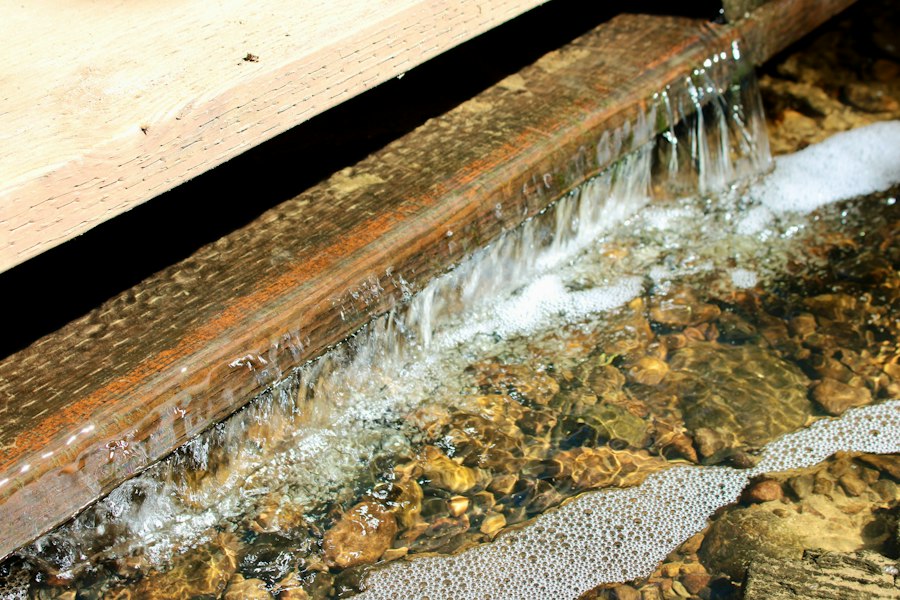
The sophisticated engineering of water channels and aqueducts, while primarily for water supply, also played a crucial role in ancient cooling strategies. The constant flow of cool water through these systems could indirectly cool the surrounding structures and air.
Cooling by Proximity
The presence of flowing water, even if not directly interacting with living spaces, could lower the ambient temperature of nearby structures through conduction and convection. Buildings adjacent to or built with materials that allowed for heat exchange with the water channels would experience a moderating effect. This was especially true in arid regions where the contrast between the hot exterior and the cool water was most pronounced.
Direct Integration into Buildings
In some advanced designs, water channels were integrated directly into the fabric of buildings. These channels could run beneath floors, within walls, or along ceilings, acting as a form of natural air conditioning by absorbing internal heat and then being cooled by the flowing water. This allowed for a more direct and controlled cooling of living and working spaces.
Sensorial Cooling: Engaging the Senses with Water
Beyond the purely physical aspects of temperature reduction, ancient cultures also understood the power of water to influence perception and create a sensory experience of coolness. The sights, sounds, and even smells associated with water could evoke a feeling of refreshment, even if the actual temperature drop was subtle.
The Sound of Serenity: Water as an Auditory Coolant
The gentle babbling of a fountain, the rhythmic splash of a waterfall, or the quiet murmur of a flowing stream could have a profoundly calming and cooling effect on the senses. In the oppressive heat of the day, these sounds provided a welcome contrast to the silence or the harsh sounds of the environment.
Auditory Illusions of Coolness
The human mind can be surprisingly susceptible to sensory cues. The auditory experience of flowing water can create an almost subconscious association with coolness, making individuals feel more comfortable even if the temperature hasn’t significantly changed. This psychological effect was likely amplified by the clear association of water with relief from heat.
Architectural Acoustics and Water Features
Ancient architects often designed spaces to amplify the acoustic properties of water. Courtyards with resonant qualities, strategically placed fountains, and enclosed spaces where water sounds could echo were all designed to enhance the auditory experience of coolness. This was a deliberate effort to create an environment that felt refreshing on multiple levels.
The Visual Refreshment: Water as a Visual Coolant
The visual presence of water itself, with its shimmering surfaces and reflective qualities, could also contribute to a feeling of coolness. The sight of flowing water, especially against a backdrop of arid landscapes or sun-baked structures, offered a visual respite from the heat.
Light and Reflection
The way water interacts with light – reflecting the sky, scattering sunlight, or creating patterns of movement – could create a dynamic and visually cool environment. The coolness conveyed by the sight of water was a powerful psychological tool in combating the feeling of oppressive heat.
Greenery and Water Integration
The integration of water with lush vegetation, a common practice in ancient cooling design, further enhanced the visual coolness. The vibrant greens of plants, nourished by water, provided a visual contrast to the surrounding heat and dryness, creating an aesthetically pleasing and psychologically refreshing experience.
Evaporative Techniques Beyond Architecture: Everyday Cooling
The ingenuity of ancient peoples in utilizing water for cooling extended beyond grand architectural projects, permeating everyday life and offering practical solutions for individuals. These techniques, often simpler in execution, were nonetheless highly effective in providing relief from the heat.
Wetting and Misting: The Personal Climate Control
The simplest and most widespread method involved directly applying water to surfaces and bodies. This ranged from wetting floors and walls to personal misting with water.
Floor and Wall Wetting
Ancient peoples would frequently wet the floors and lower walls of their homes, especially during the hottest parts of the day. As the water evaporated, it would absorb heat from the room, creating a cooler atmosphere. This was a simple yet effective way to lower the internal temperature of a dwelling.
Personal Misting and Sprinkling
Individuals would often use wet cloths, or even sprinkle water on themselves, to achieve personal cooling. This direct application of water to the skin allowed for rapid evaporative cooling, providing immediate relief. In some cultures, ornate hand-held sprayers or simple bellows that could propel water droplets were used.
Porous Materials: The Natural Humidifiers and Coolers
The properties of porous materials, when combined with water, were harnessed to create effective cooling systems. These materials could absorb water and then release it slowly through evaporation.
Earthenware and Clay Vessels
Earthenware pots and jars, with their inherent porosity, were widely used to store and cool water. By filling these vessels with water and placing them in shaded, breezy locations, the water inside would gradually cool through evaporation from the porous surface. This provided a simple yet effective way to have cool drinking water readily available.
Woven Mats and Screens
Woven mats made from reeds, straw, or other natural fibers were often employed as cooling screens. These mats would be soaked in water and then placed in windows or doorways, or hung in front of openings. As the water evaporated from the saturated mats, it would cool the air passing through them, creating a natural air conditioning effect. The breeze would then carry this cooler air into the interior.
Ancient civilizations demonstrated remarkable ingenuity in their use of water for cooling, employing techniques that not only enhanced their comfort but also improved food preservation. For instance, the Egyptians utilized evaporative cooling methods, creating simple yet effective systems to lower temperatures in their homes. This fascinating aspect of ancient life is explored in more detail in a related article, which discusses how historical maps can reveal the innovative practices of our ancestors. You can read more about it in this insightful piece on uncovering the map that rewrites history.
The Legacy of Water Cooling: Lessons for Today
| Ancient Civilization | Method of Water Cooling | Description | Effectiveness | Materials Used |
|---|---|---|---|---|
| Ancient Egypt | Evaporative Cooling with Water | Wet mats hung in doorways to cool incoming air through evaporation. | Moderate; reduced indoor temperature by 5-10°C. | Reeds, mats, water |
| Persian Empire | Qanat Water Channels and Windcatchers | Underground water channels cooled air which was directed into buildings via windcatchers. | High; could lower indoor temperatures significantly in arid climates. | Clay, stone, water |
| Ancient Rome | Hypocaust System with Water Features | Used water pools and fountains in atriums to cool air circulated through buildings. | Moderate; improved comfort in hot weather. | Marble, stone, water |
| Indus Valley Civilization | Water Reservoirs and Courtyards | Large water tanks and shaded courtyards helped cool surrounding air. | Moderate; helped maintain cooler microclimates. | Brick, stone, water |
| Ancient China | Water Channels and Ponds in Gardens | Water bodies in gardens cooled air through evaporation and shading. | Moderate; enhanced comfort in palace complexes. | Wood, stone, water |
The ancient techniques for cooling with water, born out of necessity and honed by generations of experience, offer invaluable lessons for contemporary society. They demonstrate a profound understanding of natural principles and a commitment to sustainable, low-energy solutions.
Sustainability and Energy Efficiency
In an era increasingly concerned with energy consumption and environmental impact, ancient water cooling methods serve as a powerful reminder of how to achieve comfort without relying heavily on energy-intensive technologies. Their reliance on natural processes like evaporation and convection offers a blueprint for more sustainable cooling strategies.
Passive Design Principles
The principles embodied in ancient water architecture – courtyards, water features, strategic shading, and material choices – are now recognized as fundamental elements of passive design. These techniques, which minimize the need for active mechanical cooling, are gaining renewed attention in modern sustainable building practices.
Reinterpreting Ancient Wisdom
Modern innovations in evaporative cooling, such as swamp coolers and misting systems, are essentially technologically advanced iterations of ancient techniques. By studying and understanding the efficacy of these historical methods, we can continue to refine and develop even more efficient and environmentally friendly cooling solutions for the future. The enduring effectiveness of water as a cooling agent, proved over millennia, ensures its continued relevance in our quest for comfort and sustainability. The subtle, yet powerful, interplay of water and climate control continues to inspire and inform our understanding of building and living in harmony with the environment.

How Ancient Cities Stayed Cool Without Air Conditioning
FAQs
1. How did ancient people use water for cooling?
Ancient people used water for cooling by creating evaporative cooling systems, such as using wet cloths or placing water-filled containers in hot environments to lower the temperature.
2. What were some common methods of water cooling used by ancient civilizations?
Some common methods of water cooling used by ancient civilizations included building underground water channels, using water fountains, and incorporating water features in architectural designs to cool down living spaces.
3. Why was water an effective cooling agent for ancient people?
Water was an effective cooling agent for ancient people because of its high specific heat capacity, which allowed it to absorb and release heat slowly, making it ideal for maintaining cooler temperatures in hot climates.
4. In what ways did ancient people incorporate water into their daily lives for cooling purposes?
Ancient people incorporated water into their daily lives for cooling purposes by using water for bathing, drinking, and creating water features like fountains and pools to cool down their surroundings.
5. How did ancient civilizations adapt to hot climates using water for cooling?
Ancient civilizations adapted to hot climates using water for cooling by designing buildings with water features, utilizing natural water sources, and developing sophisticated irrigation systems to create cooler environments for living and working.