
Water, the lifeblood of any civilization, has been a central concern for humanity since its inception. The rise and sustenance of ancient settlements were inextricably linked to their ability to harness, control, and distribute water resources effectively. From the arid plains of Mesopotamia and the fertile valleys of the Nile to the sophisticated urban centers of the Indus Valley and the sun-baked landscapes of Mesoamerica, ancient peoples developed remarkable and ingenious strategies for managing this most precious commodity. These practices were not merely functional; they were often imbued with cultural, religious, and societal significance, shaping the very fabric of these early civilizations and laying the groundwork for the challenges and solutions we face today.
The earliest forms of water management were born out of necessity. As nomadic peoples transitioned to settled agrarian lifestyles, the unreliability of rainfall became a significant impediment to stable food production. The need to cultivate crops and sustain growing populations drove innovation, leading to the development of fundamental techniques that would evolve over millennia.
Simple Innovations for Basic Needs
In the nascent stages of agriculture, communities focused on capturing and storing rainwater. This often involved the creation of rudimentary channels and reservoirs.
Rainwater Harvesting and Surface Storage
The collection of rainwater was a fundamental practice. Natural depressions in the landscape were often enhanced to create collection basins. These might have been simple scooped-out hollows, or more elaborate constructions lined with clay to prevent seepage. During periods of rainfall, these basins would fill, providing a localized water source for domestic use and small-scale irrigation. The development of pottery also played a role, allowing for the storage of smaller quantities of water closer to habitations.
Early Irrigation Techniques
As agricultural surpluses became desirable, the need to supplement natural rainfall with channeled water emerged. This led to the development of basic irrigation.
Diversion Channels and Floodplain Agriculture
The earliest forms of irrigation often involved diverting water from natural watercourses, such as rivers and streams. Simple dams, made from earth and stones, were used to raise water levels, allowing for gravity-fed diversion into nearby fields. Floodplain agriculture, a practice as old as early settlements, relied on the natural inundation of riverbanks during seasonal floods followed by receding waters, leaving behind fertile silt. Early human intervention focused on optimizing these natural cycles, guiding floodwaters more effectively to desired areas and preventing excessive damage.
The Mesopotamian Cradle of Civilization: Water as a Lifeblood
Mesopotamia, situated between the Tigris and Euphrates rivers, is often referred to as the “cradle of civilization,” and its development was profoundly shaped by its hydraulic landscape. The region was characterized by a semiarid climate, with rainfall insufficient for extensive agriculture. Consequently, the ancient Mesopotamians became masters of irrigation, transforming barren lands into fertile expanses capable of supporting large urban populations.
The Power of the Rivers: Harnessing the Tigris and Euphrates
The two great rivers provided the essential water source, but their unpredictable nature—ranging from devastating floods to periods of low flow—demanded sophisticated control measures.
Canal Systems: Arteries of the Land
The construction of extensive canal networks was a hallmark of Mesopotamian water management. These canals, ranging from modest channels to grand arteries, transported water from the rivers to agricultural fields miles away. The digging and maintenance of these canals required immense communal effort and sophisticated organization. They were not merely passive conduits; they were actively managed to control water flow, ensuring equitable distribution and preventing waterlogging or salinization of the soil.
Dams and Reservoirs: Storing and Regulating Flow
To overcome the seasonal variability of the rivers, Mesopotamians built dams and reservoirs. While the scale and sophistication of these structures varied across different periods and city-states, the principle remained the same: to store excess water during periods of high flow for use during drier months and to regulate downstream flow during floods. Evidence suggests the use of earth-fill dams and possibly some stone constructions, demonstrating an understanding of basic engineering principles.
Water for the City: Urban Water Supply and Sanitation
Beyond agriculture, Mesopotamian cities developed intricate systems for supplying water to their residents and managing waste.
Wells and Cisterns: Localized Water Sources
Within urban centers, wells were dug to access groundwater. Cisterns, often built within households or in public areas, served to collect and store rainwater, providing a vital supplement to river-sourced water, especially during times of drought.
Drainage and Sewerage Systems: Early Public Health Measures
Some Mesopotamian cities, like those in the Sumerian period and later, exhibited rudimentary forms of drainage and sewerage systems. These were often open ditches or ceramic pipes designed to carry away wastewater and refuse, contributing to a more sanitary urban environment and reducing the spread of disease. The sophistication of these systems varied significantly, with some settlements boasting more advanced infrastructure than others.
Ancient civilizations demonstrated remarkable ingenuity in managing water resources, a topic explored in depth in various studies. For instance, the article on Mexico’s strategic development and industrial zone plan highlights how modern approaches to water management can draw inspiration from historical practices. By examining the sophisticated aqueducts and irrigation systems of ancient societies, we can better understand the importance of sustainable water management today. To learn more about contemporary strategies that echo these ancient techniques, you can read the article here: Mexico’s Strategic Development Industrial Zone Plan.
The Gift of the Nile: Water Management in Ancient Egypt
Ancient Egypt, a civilization that flourished for millennia along the banks of the Nile River, owed its very existence and prosperity to the predictable annual inundation of its life-giving waters. The Nile’s flood, a seemingly miraculous event, deposited fertile silt and provided the water necessary for agriculture in an otherwise arid land. Egyptian water management, therefore, was characterized by a profound understanding and reverence for the river’s cycles.
The Rhythmic Flood: Adapting to the Annual Inundation
The annual flood was the cornerstone of Egyptian agriculture. The Egyptians developed sophisticated methods to maximize its benefits and mitigate its risks.
Basin Irrigation: Capturing Fertility
The primary method of irrigation was basin irrigation. Large rectangular basins, enclosed by earthen dikes, were flooded during the inundation. The water was held for a period, allowing it to deposit its rich silt, and then drained back into the river or other lower-lying areas. This system ensured that fields received a consistent supply of water and nutrients, leading to exceptionally high agricultural yields.
Dike Construction and Maintenance
The construction and maintenance of these dikes were massive undertakings, requiring considerable labor and organization. The dikes needed to be strong enough to withstand the force of the floodwaters but also permeable enough to allow for controlled flooding and drainage. Royal decrees and communal labor often mobilized to ensure the upkeep of this essential infrastructure.
Nilometers: Measuring the River’s Bounty
To predict the height of the flood and thus anticipate the agricultural potential of the coming season, the Egyptians developed nilometers. These were structures, often stairs or deep wells with marked scales, built along the riverbanks. By measuring the water level, officials could estimate the volume of water that would inundate the basins, informing agricultural planning and taxation.
Beyond Agriculture: Water for Daily Life and Grand Projects
While agriculture was paramount, Egyptian water management also extended to providing water for urban centers and supporting the construction of monumental architecture.
Wells and Cisterns for Urban Supply
Similar to Mesopotamia, wells and cisterns played a role in supplying water to towns and cities, especially those located further from the Nile or for domestic use within individual households.
The Role of Public Fountains and Water Carriers
In larger settlements, there may have been public fountains or designated areas where water was distributed. Water carriers, often women, were a common sight, transporting water from the river or wells to homes and workplaces.
Water for Construction and Ritual
The construction of colossal structures like the pyramids and temples required vast amounts of water, not only for the workers but also for specific construction processes, such as mixing mortar or transporting heavy materials. Furthermore, water held deep religious and ritualistic significance in ancient Egypt, with rituals and ceremonies often involving libations and purifications.
The Indus Valley Civilization: Master of Urban Hydrology
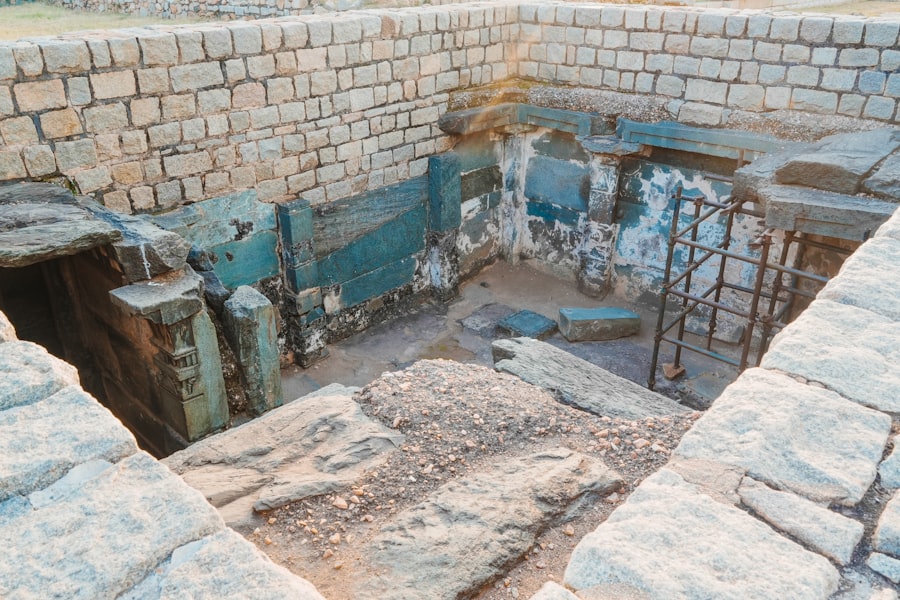
The Indus Valley Civilization, flourishing in what is now Pakistan and northwest India, stands out for its remarkable urban planning and sophisticated water management systems. Cities like Mohenjo-daro and Harappa were characterized by their grid-like street layouts, advanced sanitation, and a highly organized approach to water supply and drainage.
Planned Cities, Planned Water
The planning of Indus Valley cities was inextricably linked to their water infrastructure, reflecting a deep understanding of the principles of urban hygiene and water distribution.
Advanced Drainage and Sewerage Systems
The most striking feature of Indus Valley urban water management was their comprehensive drainage and sewerage systems. Entrances to homes and public buildings were connected to a network of covered drains that ran beneath the streets. These drains carried wastewater and human waste away from residential areas, a level of sophistication rarely matched in the ancient world.
Covered Drains and Street Gutters
The extensive use of covered brick-lined drains prevented open exposure of sewage, contributing significantly to public health. Street gutters further channeled rainwater and overflow from the drainage system, ensuring that urban environments remained relatively clean and dry.
Water Supply for the Masses
The provision of clean water for a large urban population was a critical concern. The Indus people implemented ingenious solutions to ensure its availability.
Wells and Public Baths
Abundant wells were dug throughout the cities, providing access to relatively clean groundwater. The presence of large public baths, such as the Great Bath at Mohenjo-daro, suggests a societal emphasis on hygiene and a collective approach to water use, possibly for ritualistic or social purposes.
Water Storage and Distribution
Evidence suggests that Indus cities also incorporated systems for water storage and distribution, although the exact mechanisms are still debated. This might have involved reservoirs or cisterns to hold water and channels for its delivery to different parts of the city.
The Importance of Bathing and Sanitation
The emphasis on cleanliness and sanitation in Indus Valley cities was exceptional for its time, highlighting the integral role of water in their societal values.
Individual House Drains and Toilets
Many houses featured dedicated bathing areas and even structures that appear to be rudimentary toilets, connected to the wider drainage network. This decentralized approach to sanitation within individual dwellings was remarkably forward-thinking.
Hygiene as a Societal Norm
The ubiquitous presence of bathing facilities and efficient waste disposal systems indicates that hygiene was not merely a practical concern but likely a deeply ingrained societal norm, intrinsically linked to their understanding of health and well-being.
Water Management in the Americas: Innovation in Challenging Environments

Across the Atlantic, ancient civilizations in Mesoamerica and the Andes also developed sophisticated water management systems, often adapting to challenging and unique environmental conditions far removed from the great river valleys of the Old World.
Mesoamerican Innovations: Water in the Rain and Under the Earth
Civilizations like the Maya and the Aztecs, who inhabited regions with distinct wet and dry seasons and often faced water scarcity in their urban centers, developed innovative solutions.
The Maya: Masters of Water Storage and Chicanes
The Maya, known for their impressive city-states in tropical and subtropical regions, faced the challenge of both abundant rainfall (which could cause flooding) and prolonged dry spells.
Reservoirs and Cisterns: Capturing Every Drop
To ensure water security during the dry season, the Maya constructed numerous reservoirs and cisterns. These were often large, man-made basins designed to collect and store rainwater. Some reservoirs were lined with plaster to prevent seepage, and their construction was a testament to their engineering capabilities.
Cenotes: Natural Water Treasures
In regions like the Yucatán Peninsula, the Maya utilized natural sinkholes called cenotes. These provided access to underground water tables, serving as vital sources of fresh water. The sacredness of cenotes is reflected in their use for both everyday needs and in religious rituals.
The Aztecs: Chinampas and Aqueducts
The Aztec capital of Tenochtitlan, built on an island in the middle of Lake Texcoco, presented a unique hydrological challenge. Their solutions were some of the most impressive in the ancient Americas.
Chinampas: Floating Gardens for Agriculture
The Aztecs created “chinampas,” artificial islands constructed from mud and vegetation, which they used for agriculture. These exceptionally fertile plots were surrounded by water, which provided constant irrigation and facilitated intensive farming, allowing them to feed a large population.
Aqueducts: Bringing Fresh Water to the City
To supply Tenochtitlan with fresh water from the mainland, the Aztecs constructed two major aqueducts. These impressive feats of engineering, spanning several miles, brought potable water into the city, demonstrating their ability to manage water over considerable distances.
Andean Adaptations: Terracing and Water Channels in the Mountains
In the Andes Mountains, civilizations like the Inca faced the challenges of steep terrain and a variable climate. Their approach to water management was characterized by ingenuity in agricultural terracing and channel construction.
Agricultural Terracing: Shaping the Landscape for Water
The Inca and their predecessors developed extensive agricultural terracing systems on the steep mountain slopes. These terraces not only prevented soil erosion but also played a crucial role in water management.
Water Retention and Distribution on Terraces
The terraces were designed to capture rainwater and snowmelt, retaining it for the crops grown on them. A network of meticulously constructed stone channels and aqueducts guided water from its source to the terraces, ensuring efficient distribution and preventing water loss.
Water Storage and Management in Arid Regions
In more arid regions of the Andes, water management focused on capturing and storing limited water resources.
Collection Basins and Underground Canals
The construction of collection basins, often at higher elevations, funneled water into the intricate canal systems. In some areas, underground canals were utilized to minimize evaporation and protect water sources from contamination.
Ancient civilizations demonstrated remarkable ingenuity in managing water resources, which was crucial for their survival and development. For instance, the Mesopotamians constructed intricate irrigation systems that allowed them to cultivate crops in arid regions, while the Romans built aqueducts to transport water over long distances. These engineering feats not only supported agriculture but also facilitated urban growth and public health. To explore more about how modern societies can learn from these ancient practices, you can read this insightful article on trade relations and resource management.
The Legacy of Ancient Water Management
| Civilization | Water Management Techniques |
|---|---|
| Ancient Egypt | Irrigation canals, reservoirs, and the use of the Nile River for agriculture |
| Ancient Mesopotamia | Use of irrigation systems such as canals and dikes to control water flow from the Tigris and Euphrates rivers |
| Ancient China | Construction of canals, dams, and levees to control flooding and distribute water for agriculture |
| Ancient India | Development of sophisticated irrigation systems such as stepwells and reservoirs to capture and store monsoon rains |
The water management systems of ancient civilizations were not merely feats of engineering; they were complex socio-technical systems that reflected their understanding of the natural world, their societal organization, and their cultural values. These ancient practices offer invaluable lessons for contemporary water management challenges.
Indigenous Knowledge and Sustainability
The long-term sustainability of many ancient water systems, often operating for centuries with minimal environmental disruption, highlights the wisdom embedded in indigenous knowledge. Their understanding of local ecosystems, coupled with a profound respect for water, allowed them to live in relative harmony with their environment.
Traditional Ecological Knowledge (TEK)
Many of these practices were passed down through generations, embodying a deep understanding of resource conservation. This Traditional Ecological Knowledge (TEK) offers a valuable counterpoint to modern, often technology-driven, approaches.
Community Involvement and Resource Sharing
Effective water management in ancient societies often relied on strong community involvement and equitable resource sharing. The maintenance of canals, the allocation of water rights, and the decision-making processes were frequently communal, fostering a sense of shared responsibility.
Lessons for the Modern World
The challenges of water scarcity, climate change, and sustainable resource management are pressing issues today. Examining ancient water management provides a rich source of inspiration and practical guidance.
Integrated Water Resource Management (IWRM)
The holistic approach taken by many ancient civilizations, where water was managed for multiple purposes—agriculture, domestic use, sanitation, and even spiritual significance—aligns with modern principles of Integrated Water Resource Management (IWRM).
Resilience and Adaptation
The ability of ancient civilizations to adapt to changing environmental conditions, from the unpredictable floods of Mesopotamia to the droughts of Mesoamerica, demonstrates a remarkable capacity for resilience. Their ingenuity in developing and maintaining water systems in diverse and often challenging landscapes offers crucial insights for building more resilient contemporary water infrastructure. The study of these historical systems serves not only as a fascinating glimpse into the past but also as a vital source of inspiration and practical knowledge for navigating the water challenges of the future.

The Machine That Kept Angkor Alive
FAQs
1. What were some of the methods ancient civilizations used to manage water?
Ancient civilizations used various methods to manage water, including building irrigation systems, canals, dams, and reservoirs. They also developed techniques for water storage and distribution.
2. Why was water management important to ancient civilizations?
Water management was crucial for ancient civilizations as it allowed them to support agriculture, provide drinking water, and mitigate the impact of floods and droughts. It also played a significant role in the development of urban centers and trade.
3. Which ancient civilizations were known for their advanced water management systems?
Several ancient civilizations were known for their advanced water management systems, including the Mesopotamians, Egyptians, Indus Valley Civilization, and the Romans. These civilizations developed sophisticated irrigation and water storage techniques.
4. What impact did water management have on the development of ancient civilizations?
Effective water management allowed ancient civilizations to expand their agricultural production, support larger populations, and develop complex societies. It also facilitated the growth of trade and commerce, as well as the construction of monumental structures.
5. How did ancient civilizations’ water management techniques influence modern practices?
Many of the water management techniques developed by ancient civilizations have influenced modern practices. Concepts such as irrigation, dam construction, and water distribution systems have been adapted and improved upon to meet the needs of contemporary societies.