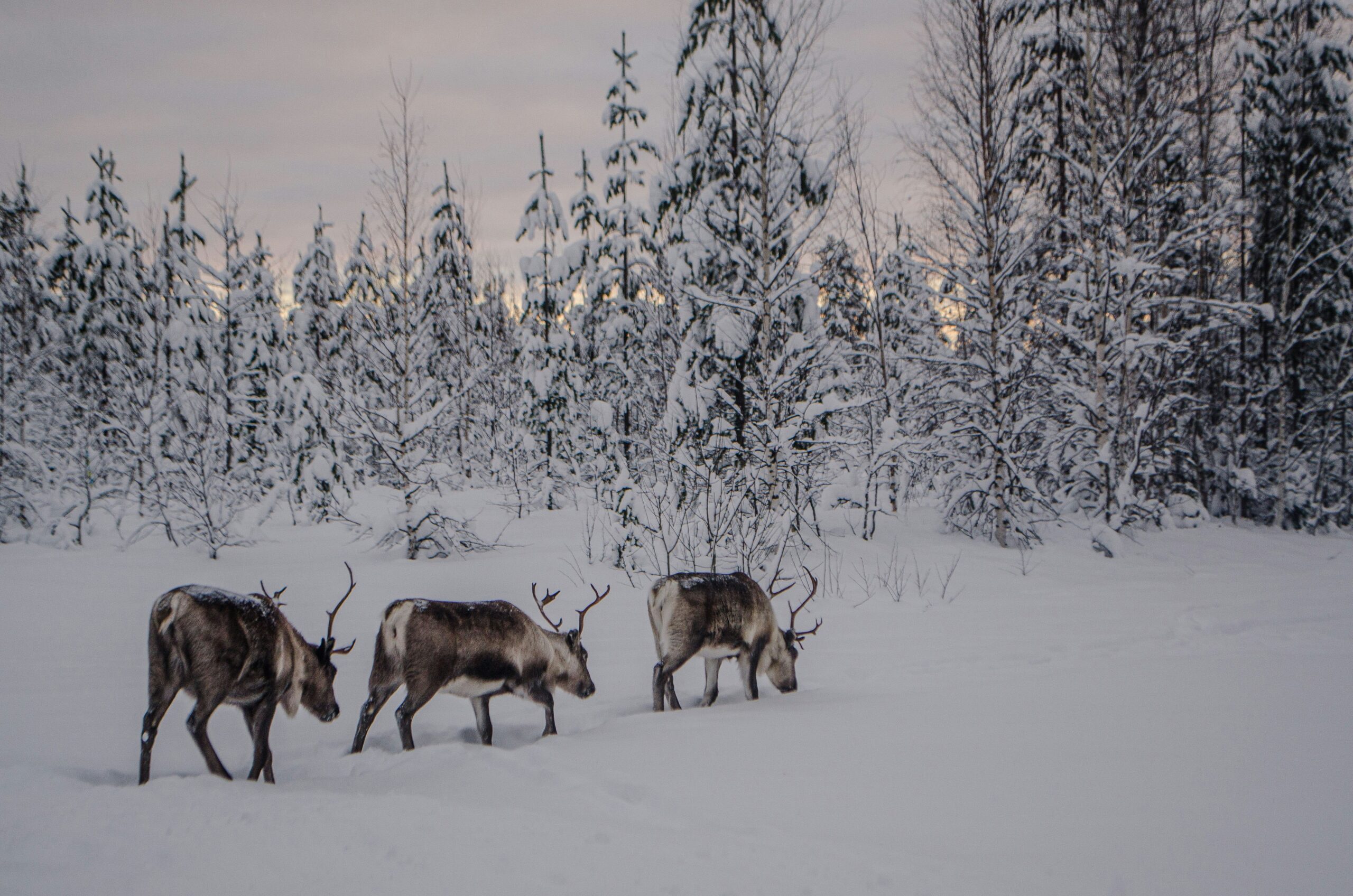
The silent world of winter, often blanketed in pristine snow, offers a fleeting glimpse into the lives of its wild inhabitants. Among the most iconic creatures to traverse these frosted landscapes is the reindeer, also known as caribou in North America. For those venturing into their habitat, understanding the signs they leave behind can be a rewarding experience, offering a connection to the natural world that is both educational and awe-inspiring. Of all the traces a reindeer leaves, its tracks are perhaps the most common and informative. Differentiating a fresh reindeer track from older impressions or the markings of other animals requires a keen eye and an understanding of specific characteristics. This article delves into the nuanced world of reindeer track identification, providing a comprehensive guide for those seeking to decipher these winter whispers.
Understanding the Anatomy of a Reindeer Track
To effectively identify a fresh reindeer track, one must first understand the underlying anatomy of a reindeer’s foot. Reindeer possess a unique hoof structure designed for navigating challenging terrain, from soft snow to rocky slopes. Their hooves are large and concave, with two prominent, widely spread toes. This broad base provides excellent flotation in snow, preventing them from sinking too deeply. The inner and outer edges of the hoof are sharp and provide grip on icy surfaces. A unique characteristic of reindeer hooves is their ability to splay outwards, further enhancing their ability to traverse snow. This splaying action is crucial when distinguishing their tracks from those of other ungulates.
The Shape and Size of the Hoof Impression
The fundamental shape of a reindeer track is that of an inverted heart or a rounded triangle. The two distinct toe impressions are the most striking feature, separated by a gap. The overall size can vary significantly depending on the age and sex of the animal. Adult reindeer can produce tracks that are considerable in size, often measuring between 3 to 5 inches in length and 2.5 to 4 inches in width. Younger or smaller individuals will naturally leave smaller impressions. The depth of the track is also a significant indicator. A fresh track will likely be deeper, especially in softer snow, as the animal’s full weight has pressed down into the substrate. As snow melts or shifts, older tracks will become shallower and less defined.
The Distinctive Splay of the Toes
One of the most definitive characteristics of a reindeer track is the outward splay of its toes. When a reindeer walks, especially in snow, its toes spread apart, creating a wider imprint than would be seen from animals with more fused hooves, like deer. This splay is a direct adaptation for snow travel. The space between the two main toe impressions is typically wider in reindeer tracks compared to those of, for example, a white-tailed deer. The inner edges of the toe impressions will often appear slightly rounded, while the outer edges may be more defined due to the sharper nature of the hoof. Observing this splay is paramount for accurate identification, as it distinguishes reindeer from many other hoofed mammals.
The Presence of the Dewclaw Impression
While not always visible, a careful observer might notice a faint impression from the reindeer’s dewclaws. These are small, vestigial claws located higher up on the back of the leg, above the main hoof. In soft snow or mud, these dewclaws can sometimes leave subtle marks behind the main hoof print. The presence of these additional marks, even if faint, can further confirm the identity of the track as belonging to a reindeer or caribou, as many other ungulates do not possess prominent dewclaws that leave such impressions. The position of these dewclaw marks, slightly behind and to the sides of the main hoof print, is also diagnostic.
When exploring the fascinating world of wildlife tracking, understanding what a fresh reindeer track looks like can provide valuable insights into the animal’s behavior and habitat. For those interested in the broader context of tracking and discovering unique artifacts in nature, you might find the article on impossible artifacts intriguing. It delves into the mysteries of the natural world and the unexpected findings that can arise from careful observation. To learn more, you can read the article here: Unearthed: Impossible Artifacts Found.
Differentiating Freshness: Clues in the Snow

The “freshness” of a track is a critical factor in its interpretability. A fresh track offers the most information about the animal’s recent activity, its gait, and its condition. Conversely, an old track can be distorted by wind, melting, or subsequent snowfall, making identification challenging. Several subtle cues within the snow itself can help determine how recently a reindeer has passed through.
Snow Displacement and Edges
A truly fresh track will exhibit sharp, well-defined edges. The snow that has been displaced by the hoof will appear freshly broken, with loose snow crystals still clinging to the sides of the impression. As a track ages, the edges will begin to soften and round off. Wind can sculpt these edges, creating a feathered appearance. Melting snow will cause the track to widen and lose its crispness, often forming small puddles or slushy areas at the bottom of the impression. Observing the texture of the snow within the track is also important. Freshly kicked-up snow will often look brighter and less compacted than the surrounding snow.
The Absence of Frost or Ice Build-up
In freezing temperatures, older tracks that have been exposed to the elements can develop a layer of frost or ice along their edges or within their depressions. A fresh track, having been made recently, will not have this frost or ice build-up. The snow within the impression will be the same as the surrounding snow. If the temperature is below freezing, and you see a track with no ice crystals or frost coating, it is a strong indicator that the animal has passed by very recently, perhaps within the last few hours. Conversely, if the edges are rimmed with ice, it suggests the track is older and has been exposed to the cold for some time.
The Presence of Trail Detail
A fresh track will often preserve finer details of the reindeer’s movement. For instance, if the reindeer was moving at a trot or gallop, you might see drag marks or scuffing from its hooves. In softer snow, you might even see evidence of the fur on the underside of the hoof. Older tracks will have smoothed over these details, leaving only the general impression of the hoof. The pattern of the track – whether it’s a walk, trot, or bound – can also be more easily discerned from fresh tracks. The spacing between individual prints and the angle of the stride offer insights into the animal’s speed and direction.
Distinguishing Reindeer Tracks from Other Animals

The wilderness is home to a variety of animals, and it is not uncommon for other creatures to leave behind hoof prints. Accurate identification requires understanding the subtle differences between reindeer tracks and those of other common ungulates. The most likely culprits for confusion are deer, elk, and sometimes even domestic livestock if they are in the area.
Comparing with Deer Tracks (e.g., White-tailed Deer, Mule Deer)
Deer tracks are generally more pointed and narrower than reindeer tracks. While both have cloven hooves, the toes of deer are typically closer together. The overall shape of a deer track is often described as a more elongated heart or an elongated oval with a distinct point at the bottom. The splay of the toes, so characteristic of reindeer, is much less pronounced in deer. Furthermore, deer do not have the same ability to spread their hooves as widely for snow travel. The dewclaw impressions, if visible at all on deer, are typically less pronounced and often absent. The size can overlap, but generally, adult reindeer tracks are larger than those of most deer species.
Contrasting with Elk Tracks
Elk tracks are considerably larger than those of reindeer. While elk also have cloven hooves and can produce a heart-like impression, the scale is much greater. An adult elk track can be 4 to 5 inches long and 3 to 4 inches wide, making it comparable to or even larger than a large reindeer track. However, the shape is often described as more rounded and less distinctly heart-shaped than a reindeer track. The toe separation in elk tracks tends to be wider than in deer but less splayed than in reindeer. Another distinguishing feature is the relative size of the dewclaw impressions, which can be more noticeable in elk tracks and are positioned further back from the main hoof print than those of reindeer.
Considering Other Potential Tracks (Moose, Domestic Animals)
Moose tracks are significantly larger and more rounded than reindeer tracks, often appearing almost kidney-bean shaped or broadly oval, with less distinct toe separation. The sheer size of a moose track is usually enough to distinguish it. Domestic animals, such as sheep or goats, have smaller, more pointed hooves, and their tracks will not exhibit the characteristic splay or size of a reindeer. If you are in an area where domestic horses are present, their tracks are much larger and circular with a distinct, rounded hoof shape, lacking the cloven impression of reindeer.
Interpreting Signs of Reindeer Behavior from Tracks
Beyond mere identification, reindeer tracks offer a wealth of information about the animal’s behavior. By observing the pattern of the tracks, their depth, and their interaction with the environment, one can infer a great deal about what the reindeer was doing. This can range from foraging and traveling to resting and social interactions.
Gait Patterns: Walking, Trotting, and Running
The spacing and angle of reindeer tracks reveal their gait. A leisurely walk will produce evenly spaced, relatively deep tracks with little or no overlap. As the reindeer picks up speed, it will move into a trot, where the stride lengthens, and the tracks may begin to overlap slightly. At a trot, the splayed toes might leave more pronounced scuff marks. When a reindeer runs or bolts, the tracks will become widely spaced, with longer strides and potentially deeper impressions as the animal pushes off with more force. In such cases, you might see evidence of the hind legs kicking up snow as they propel the animal forward. Observing the sequence of tracks can help distinguish between a curious exploration and a hurried escape.
Signs of Foraging and Feeding
Reindeer are herbivores, and their feeding habits leave distinct traces. When foraging, a reindeer will often stop and paw at the snow with its front hooves to access lichen, moss, or low-lying vegetation. This pawing action will create distinct disturbed areas of snow, often with multiple shallow impressions where the hoof has scraped the surface. You might also find small piles of dug-up snow or the remains of the vegetation the reindeer consumed. Observing the direction of these foraging patches can give clues about the types of food sources available in that area and the reindeer’s preferences. The tracks leading into and out of these feeding sites are also informative, indicating how the animal approached and departed its meal.
Social Interactions and Herd Movement
When reindeer are traveling in a herd, their tracks often appear in parallel lines, indicating coordinated movement. The density of tracks can suggest the size of the group. If the tracks are mingled and show signs of stopping and starting, it might indicate social grooming, play, or communication within the group. Tracks that show evidence of animals interacting closely, such as nudging or standing side-by-side, can suggest social bonding. Conversely, widely dispersed tracks with no clear pattern might indicate a herd that has broken up or individuals moving in different directions. The presence of calf tracks alongside adult tracks is a clear indicator of a family group.
When exploring the wilderness, understanding animal tracks can enhance your experience, and knowing what a fresh reindeer track looks like is particularly fascinating. These tracks often reveal much about the animal’s behavior and movement patterns. For those interested in how ancient cultures interacted with their environment, you might find it intriguing to read about the rationing systems they developed, which can provide context for how they managed resources in relation to wildlife. You can check out this insightful article on the topic here.
Advanced Tracking Techniques and Environmental Factors
| Metric | Description | Typical Measurement |
|---|---|---|
| Track Length | Length of a single reindeer hoof print | 7-10 cm (2.8-4 inches) |
| Track Width | Width of the hoof print | 5-7 cm (2-2.8 inches) |
| Shape | Outline of the hoof print | Heart-shaped or cloven with two distinct toes |
| Depth | Depth of the track in soft ground or snow | Varies; typically 1-3 cm depending on substrate |
| Stride Length | Distance between two consecutive prints of the same hoof | 40-60 cm (16-24 inches) |
| Track Clarity | Sharpness of edges indicating freshness | Clear, well-defined edges with visible dewclaw marks |
| Additional Signs | Other indicators of fresh tracks | Moist soil or snow displaced, no signs of weathering or melting |
Effective reindeer track identification is not solely about recognizing the shape of the hoof. It also involves understanding how various environmental factors can influence the appearance of tracks and employing more advanced techniques to glean additional information. This holistic approach enhances the accuracy and depth of interpretation.
The Impact of Snow Conditions
The type of snow is paramount. Freshly fallen, powdery snow is ideal for clear track identification, as it allows for crisp impressions and preserves fine details. Packed or icy snow can make tracks shallower and harder to discern. Crusty snow can support the weight of the animal, leading to fewer and shallower tracks, or even break underfoot, leaving fractured impressions. Wet, melting snow will cause tracks to spread and lose their definition quickly. Understanding the recent weather – whether it snowed heavily, if there has been melting and refreezing, or if the wind has been strong – is crucial for interpreting the quality of the tracks you find. For example, a very deep, well-defined track in light, powdery snow suggests a heavier animal or a more forceful stride than a faint impression in hard, icy snow.
The Role of Terrain
The terrain where tracks are found also plays a significant role. Tracks in soft boggy ground will be deeper and more smeared than those on hard, stony ground. Uphill or downhill travel can alter the appearance of tracks, with uphill tracks often appearing deeper as the animal strains, and downhill tracks potentially showing more signs of sliding or braking. Tracks in dense forest undergrowth might be fragmented or obscured by fallen leaves and branches, while those in open tundra will be more continuous. Observing how tracks transition across different types of terrain can reveal the animal’s movement patterns and its ability to navigate varied landscapes. For instance, a reindeer might pause and dig more intently in areas known to have good lichen growth, even if the terrain is challenging.
Utilizing Tracking Aids and Resources
For those serious about wildlife tracking, various aids can enhance their ability to identify and interpret signs. Magnifying glasses can help scrutinize the fine details within a track, such as snow crystal structure or minor imperfections in the hoof impression. A compass and map are essential for documenting track locations and understanding the broader context of the animal’s movements within its habitat. Field guides specifically dedicated to animal tracks and signs are invaluable resources for comparing findings and learning about the nuances of different species. Digital photography, with clear scale references, can also be a useful tool for later study and comparison. Learning from experienced trackers, through workshops or guided excursions, provides practical, hands-on knowledge that is difficult to replicate from books alone. The more you practice, the more intuitive the process becomes, transforming a simple impression in the snow into a narrative of the wild.

Life 20,000 Years Ago: The Ultimate Ice Age Fight to Survive
FAQs
What does a fresh reindeer track look like?
A fresh reindeer track typically appears as a deep imprint in the snow or mud, showing the distinct shape of a cloven hoof with two pointed ends.
How can you distinguish a fresh reindeer track from an old one?
A fresh reindeer track will have sharp edges and well-defined details, while an old track may appear more blurred and filled in with snow or debris.
What size are fresh reindeer tracks usually?
Fresh reindeer tracks are typically around 3-4 inches in length and width, depending on the size of the reindeer making the tracks.
Do fresh reindeer tracks show any signs of recent activity?
Yes, fresh reindeer tracks may have signs of disturbance in the surrounding snow or ground, indicating that the reindeer has passed through the area recently.
Can you tell the direction a reindeer was moving from its tracks?
Yes, by examining the shape and orientation of the tracks, it is possible to determine the direction in which the reindeer was moving, whether it was walking, running, or grazing.