The Shadow of the Giant: Encountering the Mammoth in Prehistoric Times
The scent of smoke, the crackle of the hearth, the murmurs of a shared story – these were the familiar comforts of life for prehistoric communities. But their world was also one of raw, untamed power, a realm where creatures of immense scale roamed the landscape. Among these titans, the mammoth, a shaggy behemoth whose very presence could reshape the earth, held a unique and profound place. An encounter with such a creature was not merely an observation; it was an event that resonated through the fabric of their lives, demanding immediate and decisive action, shaping their strategies, their beliefs, and their very survival.
The relationship between early humans and mammoths was complex, a delicate dance between predator and prey, a source of both immense danger and invaluable resource. These encounters, etched into the archaeological record and hinted at in the surviving oral traditions of descendant cultures, paint a vivid picture of communities united by a shared challenge, their ingenuity and resilience tested by the shadow of the giant.
Prehistoric communities faced unique challenges and opportunities when a standing mammoth moved closer to their territory. These massive creatures, which roamed the Earth during the Ice Age, were both a potential threat and a valuable resource for early humans. They likely employed various strategies to either avoid confrontation or to hunt the mammoth for food, clothing, and tools. Understanding the dynamics of such interactions can provide insights into the survival tactics of ancient populations. For a broader perspective on how communities adapt to changing environments and the challenges they face, you can read more in the article about global crises at The Disappearing Countries: A Global Crisis.
Understanding the Mammoth’s Domain
Before delving into the specific reactions of prehistoric communities, it is crucial to understand the mammoth itself and the environment it inhabited. The woolly mammoth, Mammuthus primigenius, was not a solitary wanderer but a keystone species in the vast, treeless landscapes known as mammoth steppe. This environment, characterized by its rich, fertile soil and a diverse array of grasses, sedges, and herbs, supported large populations of grazing herbivores.
The Mammoth’s Physicality and Behavior
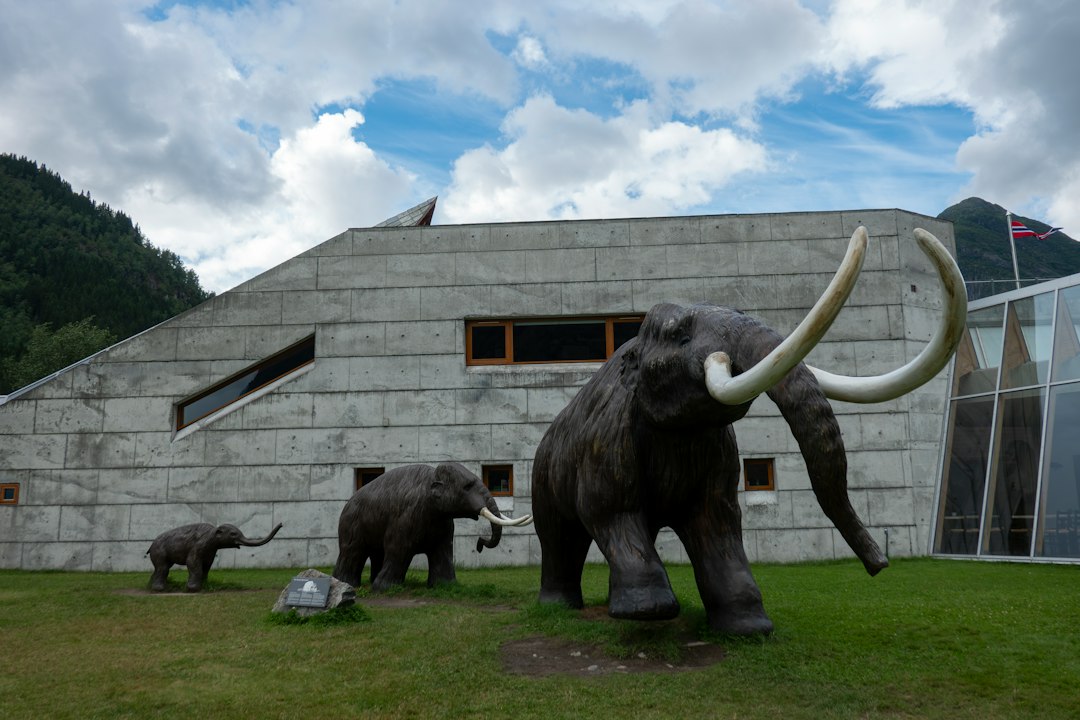
Mammoths were truly colossal animals, standing up to four meters tall at the shoulder and weighing as much as six tons. Their distinctive features – the thick, shaggy fur that insulated them against the frigid temperatures, the long, curved tusks used for foraging, defense, and possibly display, and their immense strength – made them formidable beings. Their sheer size meant that a single individual could exert considerable influence on its surroundings, pushing down trees (though these were sparse in their preferred habitat), creating pathways through dense undergrowth, and even impacting water sources through their movements.
Their social structure, inferred from modern elephant behavior and fossil evidence, likely involved matriarchal herds led by an experienced female, with younger males often forming bachelor groups. These herds would migrate seasonally, following the availability of fresh vegetation and seeking refuge from harsh weather. This migratory behavior meant that communities, often mobile themselves, would inevitably cross paths with these colossal herbivores.
The Mammoth Steppe Ecosystem
The mammoth steppe was a biome that stretched across much of the Northern Hemisphere during the Pleistocene epoch, a period characterized by repeated glacial cycles. While ice sheets covered large portions of the continents, vast areas remained unfrozen, supporting a unique and productive ecosystem. This environment was not the barren, frozen wasteland often depicted. Instead, it was a dynamic landscape teeming with life, where mammoths, woolly rhinoceroses, horses, bison, and reindeer thrived.
Prehistoric human communities were intimately tied to this ecosystem. They were hunter-gatherers, their lives dictated by the movements of prey animals and the seasonal availability of plant resources. Their settlements, whether temporary camps or more established villages, were strategically located to exploit the resources of the mammoth steppe. This cohabitation meant that interactions with large herbivores, including mammoths, were an inherent part of their existence. The presence of mammoths was a constant factor in their environment, influencing migration routes, hunting strategies, and even the distribution of settlements.
The Peril and the Promise: Assessing the Threat

An approaching mammoth was a dual-edged sword for prehistoric communities. On one hand, it represented an immediate and potentially lethal threat. On the other, it held the promise of sustenance and valuable resources that could sustain a community for extended periods. The reaction of a group would therefore be a nuanced assessment of these competing factors, a rapid calculation of risk versus reward.
Imminent Danger and Defensive Measures
The sheer power of a mammoth meant that a direct confrontation was almost always to be avoided, especially by individuals or small groups. A charging mammoth, driven by fear, territoriality, or distress, could easily trample and crush humans, inflicting fatal injuries with its massive weight and formidable tusks. Therefore, the primary reaction to an approaching mammoth, particularly one exhibiting signs of aggression or agitation, would be to seek safety.
Communities would have developed sophisticated alarm systems. The sharp bark of a dog, if domesticated, could serve as an early warning. The keen senses of humans, honed by generations of living in close proximity to large animals, would also play a role. Observational skills would be paramount – spotting disturbed vegetation, the tell-tale tracks of massive feet, or the distant rumble of movement. Upon sighting an approaching mammoth, the immediate response would be to retreat to a secure location. This could mean seeking higher ground, moving into dense thickets, or retreating to the relative safety of caves or rock shelters. The communal nature of these communities meant that a coordinated retreat, with individuals looking out for one another, would be crucial for survival. They might also employ strategies to deter a curious or aggressive mammoth, such as loud noises, fire, or throwing rocks, to encourage it to change course.
The Mammoth as a Bounty
Despite the inherent dangers, the mammoth was a prize of immense value. A single adult mammoth could provide a substantial amount of meat, enough to feed an entire community for weeks. Its thick hide offered warmth and protection, its bones could be fashioned into tools, weapons, and even shelters, and its tusks were a valuable material for art, adornment, and practical implements. This potential bounty meant that while immediate danger was paramount, the possibility of a successful hunt, or the opportunistic acquisition of a mammoth carcass, would also influence reactions.
The decision to engage with a mammoth, whether through active hunting or scavenging, would be a collective one, made by experienced hunters and elders. It would depend on factors such as the age and condition of the mammoth, the terrain, the availability of hunting tools, and the number of hunters available. The risks involved in hunting a mammoth were considerable, requiring meticulous planning, specialized knowledge of mammoth behavior, and the coordinated efforts of a large group. However, the rewards were so substantial that such hunts were likely undertaken, contributing significantly to the survival and prosperity of these prehistoric societies. The opportunistic acquisition of a mammoth that had died of natural causes or been brought down by predators would present a less dangerous, but equally valuable, opportunity for resource acquisition.
Strategies of Evasion and Engagement
The reactions of prehistoric communities to approaching mammoths were not monolithic. They varied based on the specific circumstances of the encounter, the disposition of the mammoth, the capabilities of the community, and the prevailing environmental conditions. These reactions can be broadly categorized into strategies of evasion and strategies of engagement.
The Art of Disappearing: Evasive Maneuvers
When an approaching mammoth posed an undeniable threat, the most prudent course of action was to make oneself invisible. This involved a suite of evasive maneuvers designed to avoid detection and confrontation. For nomadic or semi-nomadic groups, this often meant altering their planned routes. If a herd of mammoths was known to be traversing a particular valley or water source, a wise community would detour, finding an alternative path to their destination. This required a deep understanding of the local geography and the migratory patterns of large herbivores.
For communities with more permanent or semi-permanent settlements, evasion involved fortifying their living spaces or seeking natural refuges. Caves and rock shelters, often chosen for their defensibility and shelter from the elements, could provide a safe haven. Evidence from sites like the Abri de la Madeleine in France suggests that people would retreat into these shelters, blocking entrances with rocks or branches to deter curious or aggressive animals. Even in open-air camps, the creation of fire, particularly large bonfires, could serve as a deterrent, its smoke and light discouraging approaching animals. The use of terrain was also critical. Moving into steep ravines, dense forests (where available), or areas with difficult footing for a large animal would all contribute to evasion. The goal was to become less of a tempting target, to blend into the landscape, or to make the area seem unappealing or inaccessible.
The Calculated Risk: Cooperative Hunting and Scavenging
When the assessment favored engagement, prehistoric communities employed highly organized strategies. Mammoth hunting was not an individual endeavor; it was a collective undertaking that demanded significant planning, coordination, and courage. Hunters would have observed mammoth behavior for extended periods, learning their vulnerabilities and predictable patterns. This knowledge would inform the design of hunting strategies.
One common strategy likely involved driving mammoths into natural traps. This could include steep ravines, bogs, or areas where they could be cornered and overwhelmed. Hunters might use coordinated movements, loud noises, and projectiles to guide the animals towards these predetermined locations. Once trapped, a coordinated attack would ensue. Spears tipped with sharpened stone or bone would be used to inflict wounds, aiming for vital areas. The sheer number of hunters would be crucial to overcome the mammoth’s strength and defenses. The risks were immense, and fatalities were undoubtedly a common consequence of such hunts.
Scavenging also played a significant role. When a mammoth died from natural causes, illness, or predation by other large carnivores, prehistoric communities would move in to claim the carcass. This presented a less dangerous, though still potentially risky, opportunity to acquire vital resources. Even a decomposing carcass could attract other predators, so scavenging parties would need to be vigilant and work efficiently. The discovery of mammoth bones with cut marks, indicating butchery, is strong evidence for both hunting and scavenging practices. These remains speak to a sophisticated understanding of anatomy and butchery techniques, allowing them to efficiently process the massive animal and extract every usable part.
In exploring the behaviors of prehistoric communities when faced with the approach of a standing mammoth, it is fascinating to consider how these early humans might have strategized for survival. They likely relied on their understanding of the animal’s behavior and their own social structures to decide whether to flee or prepare for a hunt. This dynamic interaction between humans and megafauna is reminiscent of how societies today navigate complex challenges, such as the delicate balance between development and conservation. For a deeper understanding of how communities manage their resources and protect their interests, you can read more in this article on protecting national security.
Social and Cultural Ramifications
| Action Taken | Description | Purpose | Evidence Source |
|---|---|---|---|
| Retreat to Safe Distance | Prehistoric people would move away to avoid danger from the mammoth. | Ensure safety from potential attack or trampling. | Archaeological site patterns showing temporary campsites at a distance. |
| Use of Warning Calls | Communicating danger to group members through vocal signals or gestures. | Alert others to the approaching mammoth to prepare or flee. | Ethnographic analogies with hunter-gatherer groups. |
| Preparation for Hunting | Gathering weapons and coordinating group efforts if the mammoth was targeted. | To hunt the mammoth for food, tools, and materials. | Stone tools and spear points found near mammoth remains. |
| Use of Fire | Lighting fires to deter or control the mammoth’s movement. | To keep the mammoth at bay or drive it in a desired direction. | Charcoal deposits near kill sites. |
| Observation and Tracking | Careful watching of the mammoth’s behavior and movement patterns. | To predict its path and plan actions accordingly. | Wear patterns on tools and footprints near mammoth trails. |
The profound impact of encountering mammoths extended far beyond the immediate concerns of survival. These encounters shaped the social structures, belief systems, and cultural expressions of prehistoric communities, leaving an indelible mark on their way of life. The shared experience of facing such awe-inspiring creatures fostered strong social bonds and contributed to the development of complex social organizations.
Community Cohesion and Division of Labor
The necessity of cooperating to evade or hunt mammoths would have reinforced the importance of social cohesion within these groups. The shared goal of survival meant that individuals had to rely on each other, fostering trust and a sense of collective responsibility. This would have led to a clear division of labor, with individuals specializing in roles such as hunting, gathering, toolmaking, childcare, and defense. The successful outcome of a mammoth encounter, whether through a safe evasion or a bountiful hunt, would have been a collective triumph, further solidifying group identity and reinforcing social hierarchies.
The organization required for large-scale mammoth hunts likely led to the emergence of leadership roles. Individuals with superior hunting skills, strategic acumen, or experience in managing group dynamics would have been recognized and respected, potentially holding positions of authority within the community. These communal efforts would have been crucial in transmitting knowledge and skills from one generation to the next, ensuring the continued survival of the group.
The Mammoth in Myth and Meaning
The sheer power and majesty of the mammoth undoubtedly inspired awe and reverence among prehistoric peoples. It is highly probable that these encounters played a significant role in the development of their spiritual beliefs and mythologies. The mammoth, as a creature of immense strength and enduring presence, could have been viewed as a powerful spirit or deity, associated with fertility, strength, and the cycles of life and death.
Cave art, such as the magnificent depictions found in the Chauvet Cave in France, offers compelling evidence of the cultural significance of mammoths. These detailed and dynamic renderings showcase the artists’ intimate knowledge of mammoth anatomy and behavior, suggesting a deep connection and perhaps a ritualistic or symbolic relationship. The presence of mammoths in these artworks, alongside other powerful animals, indicates their importance in the symbolic world of these early humans. They may have been depicted in hunts, in their natural environment, or in more abstract, symbolic representations. These artistic expressions served not only as a form of communication and record-keeping but also as a means of engaging with the spiritual and existential questions raised by their encounters with these magnificent beasts. The awe and respect they held for the mammoth likely translated into rituals, ceremonies, and storytelling, imbuing these encounters with profound cultural meaning that transcended the practicalities of survival.
Legacy and Echoes in Time
The era of the woolly mammoth may have passed, with the last populations disappearing around 4,000 years ago, but the legacy of these encounters continues to resonate. The adaptations and strategies developed by prehistoric communities to coexist with these giants left a lasting imprint on human behavior, technological development, and even our collective imagination. The lessons learned from facing the mammoth have, in a sense, been passed down through millennia.
Technological Innovations Driven by Necessity
The challenges posed by mammoths, and other large game, were powerful catalysts for technological innovation. The need to hunt and process these massive animals spurred the development of increasingly sophisticated tools and techniques. The creation of sharp, durable projectile points from stone, bone, and antler, the development of hafting techniques to attach these points to spears and other weapons, and the invention of specialized butchering tools all reflect the demands placed upon prehistoric artisans by the presence of such formidable prey.
The construction of elaborate hunting blinds, the development of traps and nets, and the understanding of leverage and force required to bring down large animals all point to a continuous process of refinement and invention. Furthermore, the use of mammoth bones and tusks for construction, for example in the construction of huts at sites like Mezhirich in Ukraine, demonstrates an ingenious ability to utilize every part of the animal, transforming a potential threat into a source of shelter and resources. These innovations were not merely about convenience; they were essential for survival and played a crucial role in the expansion and diversification of human populations across the globe.
Enduring Fascination and the Mammoth’s Return
The memory of the mammoth, though obscured by time, has never entirely faded. Through archaeological discoveries and the persistent presence of its fossilized remains, this iconic creature continues to capture the human imagination. The awe and wonder inspired by the mammoth’s sheer scale and its prehistoric existence are evident in modern-day fascination with paleontology, in popular culture, and in the ongoing scientific endeavors to understand these ancient giants.
The concept of “de-extinction,” the ambitious scientific pursuit of bringing back extinct species like the mammoth, speaks to a deep-seated human desire to reconnect with this lost world. While the practicalities and ethical considerations of such an undertaking are complex, the very idea of seeing a mammoth walk the earth again underscores the enduring power and significance of this creature in our collective consciousness. The encounters of our ancient ancestors with these magnificent beasts have left an indelible mark, reminding us of the raw power of nature and the remarkable resilience and ingenuity of humanity in the face of its grandeur. The shadow of the giant, though long past, continues to inspire and inform us.

Life 20,000 Years Ago | When an Ice Age Wildfire Traps Your Primitive Family
FAQs
What strategies did prehistoric communities use to deal with a moving mammoth?
Prehistoric communities often employed various strategies to deal with a moving mammoth, including forming groups to surround the animal, using loud noises to scare it away, or creating barriers with natural obstacles. They might also have used hunting techniques that involved coordinated efforts to drive the mammoth into a trap or a confined area.
How did the presence of a mammoth affect the daily activities of prehistoric communities?
The presence of a mammoth could significantly disrupt the daily activities of prehistoric communities. People would likely halt their regular tasks, such as gathering food or crafting tools, to assess the situation. If the mammoth posed a threat, they would prioritize safety and may have moved to a more secure location until the animal left the area.
What role did mammoths play in the diet of prehistoric communities?
Mammoths were a crucial source of food for prehistoric communities. When successfully hunted, they provided large quantities of meat, which could be preserved for later use. Additionally, mammoth bones and tusks were utilized for tools, shelter, and other necessities, making them an integral part of the community’s survival.
Did prehistoric communities have any rituals or beliefs associated with mammoths?
Yes, prehistoric communities likely had rituals or beliefs associated with mammoths. Evidence from cave paintings and archaeological findings suggests that mammoths were revered and possibly seen as symbols of strength or fertility. Some communities may have performed rituals to honor the mammoth or seek its favor before a hunt.
How did the behavior of mammoths influence the migration patterns of prehistoric communities?
The behavior of mammoths significantly influenced the migration patterns of prehistoric communities. As mammoths migrated in search of food and suitable habitats, human groups would follow them to ensure a steady food supply. This nomadic lifestyle was often dictated by the seasonal movements of mammoths and other large game animals.