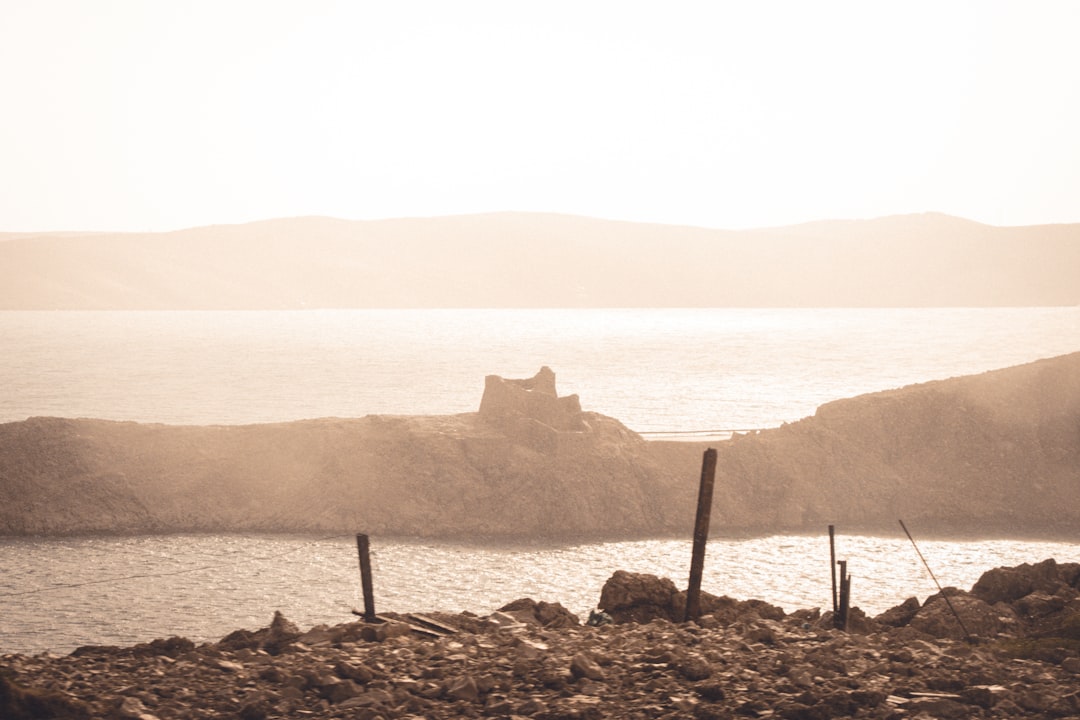
The stories whispered on the wind across the parched Iberian Peninsula, in the sun-baked valleys of North Africa, and beneath the shimmering heat of the Aegean islands, spoke of a time when the sea itself had shrunk, when the familiar azure expanse had receded, leaving behind a desolate, cracked canvas. The Mediterranean, cradle of civilizations, artery of trade, and lifeblood of countless ecosystems, had transformed. It had become, for a significant and terrifying period, a desert. This phenomenon, known to geologists as the Messinian Salinity Crisis, was not a slow, gradual drying, but a dramatic and comparatively rapid event that reshaped landscapes, triggered migrations, and left an indelible mark on the very geology of the region.
The roots of the Mediterranean’s transformation lay buried deep within the Earth’s crust, in the colossal, slow-motion ballet of tectonic plates. For eons, the Earth’s crust had been a dynamic mosaic, constantly shifting, colliding, and rifting. The Mediterranean basin itself was a product of this intricate dance, formed as the African and Eurasian plates nudged and ground against each other.
The Birth of a Basin
The Mediterranean Sea isn’t a singular, ancient depression. Instead, it’s a complex mosaic of smaller basins, formed as the African plate subducted beneath the Eurasian plate, pulling and stretching the crust above. Volcanic activity, the earth’s internal forge, also played a role in shaping the seafloor and surrounding landmasses. Over millions of years, these forces created the characteristic deep basins and submerged ridges that define the Mediterranean today.
The Strait of Gibraltar: A Crucial Gateway
Central to the Mediterranean’s hydrological cycle was its sole natural outlet to the vast Atlantic Ocean: the Strait of Gibraltar. This narrow passage, barely 14 kilometers wide at its narrowest point, served as a vital conduit. It allowed for the constant exchange of water, with less saline Atlantic water flowing in and denser, saltier Mediterranean water flowing out. This delicate balance was the key to maintaining the sea’s volume and salinity.
Foreshadowing the Future: Small Scale Evaporation Events
While the scale of the Messinian Salinity Crisis was unprecedented, there is evidence suggesting that smaller, more localized periods of restricted water exchange had occurred in the Mediterranean’s past. These events, though not as catastrophic, likely offered glimpses of what could happen if the connection to the Atlantic were to be significantly diminished. Geologists study sedimentary layers from these earlier periods for clues about the processes that would later unfold on a grander scale.
In exploring the transformation of the Mediterranean region into a desert, it is fascinating to consider the technological advancements of ancient civilizations that once thrived in this area. A related article that delves into the innovations of these lost cultures is available at Advanced Tech in Lost Civilizations: Uncovering Ancient Innovations. This piece highlights the remarkable achievements that may have contributed to the sustainability of life in the Mediterranean before its drastic environmental changes.
The Great Drying: When the Valves Closed
The primary trigger for the Messinian Salinity Crisis was a catastrophic shift in the Earth’s tectonic framework. Across the Mediterranean region, seismic activity intensified, leading to the uplift of land bridges and the eventual closure of the Strait of Gibraltar. This was not a gentle, gradual sealing, but a complex process involving significant geological upheaval.
Uplift and Isolation: The Land Rises
Geological evidence points to substantial uplifts along the continental margins surrounding the Strait of Gibraltar. The African and Eurasian plates, in their relentless movement, squeezed and buckled the Earth’s crust, effectively raising the ocean floor and creating barriers between the Atlantic and the Mediterranean. These uplifts acted like giant dams, gradually constricting the flow of water.
The Final Cut: The Gibraltar Barrier Formation
The precise sequence of events leading to the complete closure of the Strait remains a subject of ongoing scientific debate. However, the prevailing theory suggests a series of tectonic events, potentially including massive earthquakes and the formation of a substantial land bridge, effectively severed the connection to the Atlantic. Once this connection was severed, the Mediterranean became an enormous inland sea, entirely dependent on its own hydrological balance.
A World Without Atlantic Inflow
With the Strait of Gibraltar effectively sealed, the inflow of fresh Atlantic water ceased. The Mediterranean, now an isolated basin, faced a stark new reality. The primary mechanism for replenishing its water volume was gone, and the stage was set for a dramatic and irreversible change.
The Desert Blooms: Evaporation Reigns Supreme
With the inflow of Atlantic water stopped, the Mediterranean’s fate was sealed by one of nature’s most relentless forces: evaporation. Under the relentless Mediterranean sun, the vast expanse of water began to shrink, leaving behind an increasingly saline and eventually barren landscape. This process was not a gentle decline, but a cascade of accelerating desiccation.
The Slow Drip Becomes a Torrent of Dryness
Initially, the remaining water in the Mediterranean basins would have become increasingly saline. As water evaporated, the dissolved salts were left behind, concentrating the brine. This increased salinity would have made it difficult for many marine organisms to survive, leading to widespread die-offs. The once vibrant ecosystem began to falter, its inhabitants struggling against the rising salt content.
Lakes of Salt in Vast Basins
As evaporation continued, the water levels dropped dramatically. Gigantic inland lakes formed in the deepest parts of the Mediterranean basins. These were not placid freshwater bodies, but super-saline lakes, teeming with salt-loving microorganisms. The process of crystallization began, with vast salt deposits forming at the bottom of these evaporating lakes.
The Deepest Basins Become Salt Flats
In the deepest basins, like the modern-day Mediterranean Sea floor, the process went even further. The water evaporated entirely, leaving behind thick, up to several kilometers deep, layers of evaporite minerals. These included halite (rock salt), gypsum, and anhydrite, evidence of a once mighty ocean reduced to crystalline deposits. Imagine the scale of these salt flats, stretching for thousands of kilometers, a stark white testament to the lost sea.
A Scar on the Planet: The Geological Legacy
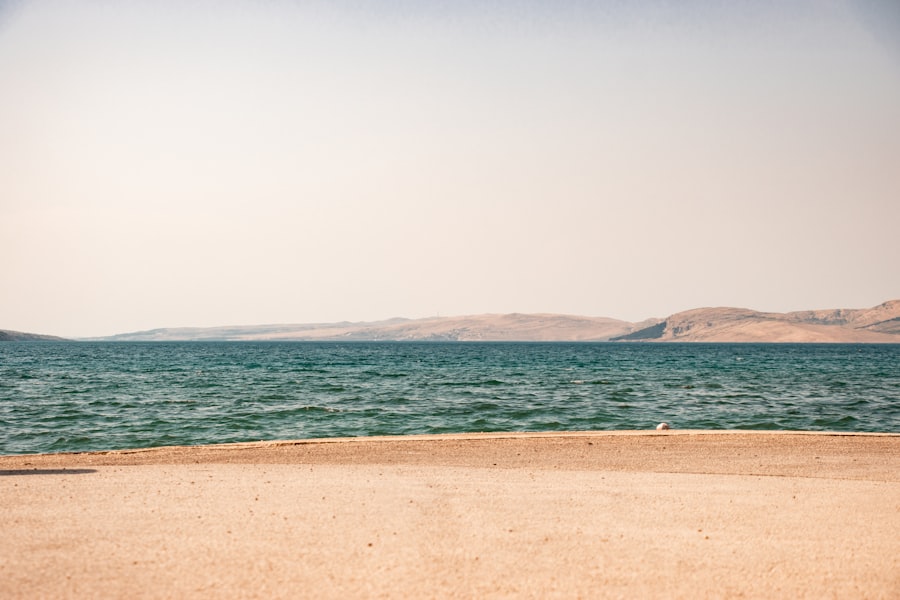
The Messinian Salinity Crisis left an indelible mark on the Earth’s geology, creating unique rock formations and profoundly altering the landscape of the entire Mediterranean region. The dramatic dehydration event created a geological record that scientists have meticulously pieced together.
The Evaporite Deposits: A Monument to Loss
The most dramatic geological consequence was the deposition of vast quantities of evaporite minerals. These sedimentary layers, found on the sea floor and in surrounding landmasses, are the direct evidence of the Mediterranean’s desiccation. The thickness and extent of these salt deposits are a testament to the sheer volume of water that once occupied the basin.
Submarine Canyons: Rivers Carving New Paths
As the sea levels dropped, rivers that once flowed into the Mediterranean began to carve incredibly deep canyons into the exposed continental shelves. These canyons, some rivaling the Grand Canyon in depth, were formed by the erosive power of rivers flowing across vast, newly exposed land. When the Mediterranean eventually refilled, these canyons were submerged, but their immense scale remains a striking feature of the underwater topography.
The Rediscovery of the ‘Lost Sea’
The salt deposits were not immediately recognized for what they were. For centuries, these thick layers of rock salt were exploited for their valuable mineral content, with mines dug into the exposed seafloor. It was only through extensive geological investigation and the analysis of rock cores drilled from the Mediterranean floor that scientists began to unravel the story of the Messinian Salinity Crisis.
The transformation of the Mediterranean into a desert has intrigued researchers for years, shedding light on the region’s complex climatic history. A fascinating exploration of ancient civilizations and their architectural feats can be found in an article about Puma Punku, where the precision of stone cuts raises questions about the technological capabilities of past societies. This connection highlights how environmental changes, like those that turned the Mediterranean arid, may have influenced human development and innovation. For more insights, you can read the article on Puma Punku and its mysteries.
A World Transformed: Impact on Life and Civilizations
| Event | Time Period | Impact |
|---|---|---|
| Mediterranean Desertification | 5.96 million years ago | Shift in climate, loss of vegetation, and formation of desert landscapes |
| Geological Changes | Miocene epoch | Formation of salt deposits and sedimentary rocks |
| Ecological Consequences | Over millions of years | Extinction of species, adaptation of flora and fauna to arid conditions |
The transformation of the Mediterranean into a desert had profound and far-reaching consequences for the flora, fauna, and human civilizations of the region. The event triggered migrations, sparked innovation, and left an enduring legacy on the cultural and biological landscape.
Ecological Collapse and Adaptation
The drastic change in salinity and the disappearance of the sea led to a widespread ecological collapse. Marine life struggled and perished, with only salt-tolerant organisms surviving in the hypersaline lakes. Terrestrial ecosystems, however, experienced a different kind of transformation. Vast salt flats emerged, creating unique and harsh environments that favored specialized life forms. Some plant species adapted to saline soils, while others were forced to migrate.
The ‘Drowned Continent’ Hypothesis and Human Migration
The vast land bridge that is believed to have formed at the Strait of Gibraltar during the crisis has fueled speculation about intercontinental migration. Some scientists propose that this land bridge may have allowed for the movement of species, including early humans, between Africa and Europe on a scale not previously possible. This period may have played a crucial role in the peopling of Europe.
Echoes in Mythology and Memory
While direct written records of the crisis would have been impossible in its most intense phases, it is plausible that the dramatic landscape changes and the disruption of established trade routes filtered into ancient myths and legends. Stories of catastrophic floods, receding waters, and the transformation of familiar lands might have drawn inspiration, however indirectly, from the memory of this extraordinary event. The memory of the desertification, even if fragmented, may have seeped into the collective consciousness of the cultures that inhabited its periphery.
In exploring the transformation of the Mediterranean into a desert, one can gain valuable insights by examining the lessons from ancient civilizations that faced similar challenges. A related article discusses how these societies adapted to climate change and offers wisdom that remains relevant today. For those interested in understanding the resilience of human ingenuity in the face of environmental shifts, this piece can be found here.
The Return of the Tide: Refilling the Mediterranean
The Messinian Salinity Crisis was not an eternal state. Eventually, the tectonic forces realigned, and the Strait of Gibraltar reopened, allowing the Atlantic Ocean to reclaim its lost territory. This refilling event, known as the Zanclean Flood, was as dramatic and rapid as the drying itself.
The Tectonic Reset: The Strait Reopens
The precise timing and mechanism of the Strait’s reopening are also subjects of scientific investigation. However, it is understood that further tectonic shifts led to the subsidence of the land bridge, re-establishing the crucial connection between the Atlantic and the Mediterranean. This was likely a catastrophic event, involving massive earthquakes and the catastrophic collapse of the land barrier.
The Zanclean Flood: A Cataclysmic Influx
Once the Strait reopened, the Atlantic Ocean, under immense pressure, began to pour into the desiccated Mediterranean basin. This influx was not a gentle trickle, but a colossal flood. Imagine the ocean roaring through the newly formed strait, carving out deep channels and rapidly filling the vast, salt-encrusted basins. The sheer volume of water and the speed of its arrival would have been a terrifying and awe-inspiring spectacle.
A New Beginning, But With a Changed Landscape
The refilling of the Mediterranean restored the sea, but the landscape had been irrevocably altered. The thick layers of salt remained, buried beneath new marine sediments. The deep submarine canyons, carved by rivers on the exposed seafloor, were now submerged features. The ecological communities had to re-establish themselves, a process that would have taken millennia. The Messinian Salinity Crisis, though a past event, had fundamentally reshaped the Mediterranean, leaving behind a geological and ecological testament to a time when the sea had become a desert. The stories, etched in rock and whispered by the wind, serve as a powerful reminder of Earth’s dynamic nature and the immense forces that can reshape our planet.

When the Mediterranean Became a Desert | The Messinian Salinity Crisis Explained
FAQs
What is the article “When the Mediterranean became a desert” about?
The article discusses the historical and geological evidence of when the Mediterranean region experienced a period of extreme aridity and desertification.
When did the Mediterranean region become a desert?
The Mediterranean region experienced a period of extreme aridity and desertification during the Messinian Salinity Crisis, which occurred approximately 5.96 to 5.33 million years ago during the late Miocene epoch.
What geological evidence supports the desertification of the Mediterranean region?
Geological evidence, such as evaporite deposits and sedimentary rock formations, supports the theory that the Mediterranean region experienced a period of extreme aridity and desertification during the Messinian Salinity Crisis.
How did the desertification of the Mediterranean region impact the environment and ecosystems?
The desertification of the Mediterranean region during the Messinian Salinity Crisis had significant impacts on the environment and ecosystems, leading to the extinction of certain species and the adaptation of others to the harsh desert conditions.
What are the implications of studying the desertification of the Mediterranean region?
Studying the desertification of the Mediterranean region provides valuable insights into past climate change and its effects on ecosystems, as well as potential implications for understanding and addressing current and future desertification processes.