White Sands Footprints: Tracing the First Americans
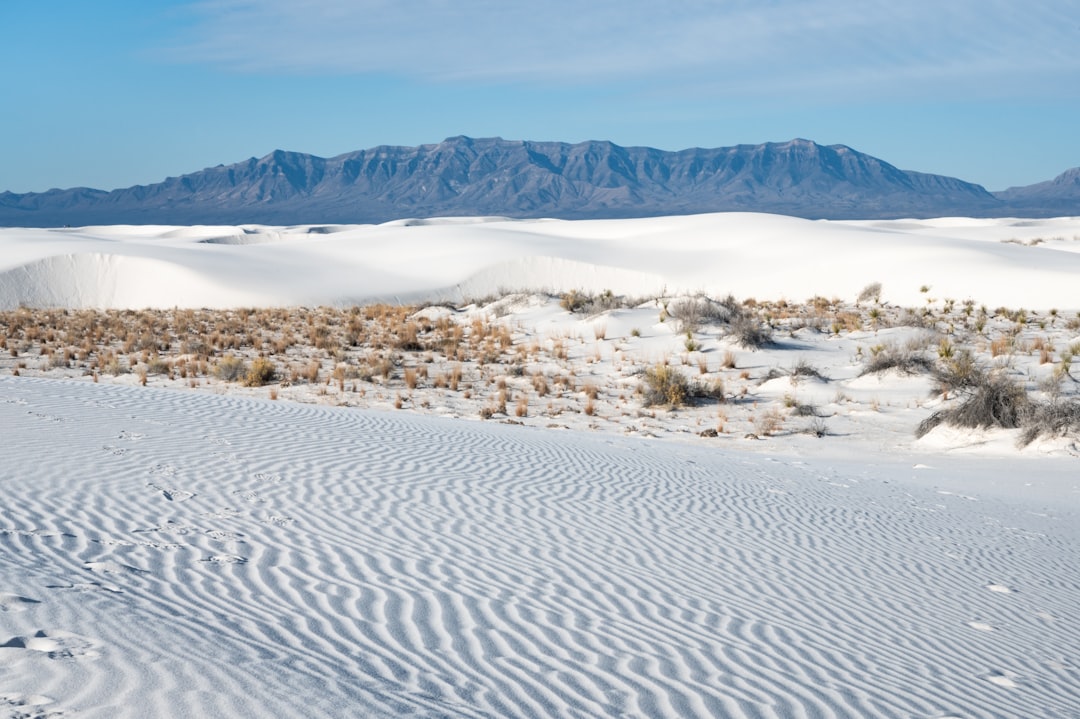
The vast, stark beauty of White Sands National Park in New Mexico is more than just a mesmerizing landscape of gypsum dunes; it is a profound historical archive, a silent witness to humanity’s earliest migrations. For decades, the discovery and study of human footprints preserved in the ancient sands of White Sands have been rewriting our understanding of when and how the first people arrived in the Americas. These ephemeral imprints, frozen in time, offer an unparalleled glimpse into the lives of individuals who walked this land thousands of years ago, transforming a remote desert into a pivotal site for uncovering the origins of the First Americans.
The story of the White Sands footprints is one of serendipity, meticulous scientific investigation, and the slow, often contentious, evolution of archaeological thought. While Indigenous oral traditions have always spoken of ancient presence in the Americas, scientific consensus on the timeline of human arrival has been a dynamic and evolving field. The discovery of these footprints has provided tangible, irrefutable evidence that has significantly pushed back the accepted dates for human habitation in North America.
Early Discoveries and Lingering Questions
The first hints of human presence at White Sands were recognized in the early 20th century. Local inhabitants and early explorers occasionally stumbled upon what appeared to be ancient human tracks in the dune fields. However, these initial observations were often anecdotal and lacked the rigorous scientific dating methods that would later become available. The prevailing archaeological paradigm at the time, focused on the Clovis culture as the earliest widespread human presence in the Americas (dating to around 13,000 years ago), made it difficult for many scientists to accept evidence of earlier inhabitants.
The Breakthrough: Advanced Dating Techniques
The turning point in the understanding of the White Sands footprints came with the application of advanced scientific dating techniques. Researchers began to collect samples from the layers of sediment surrounding and encasing the footprints. Specifically, the presence of plant seeds within the fossilized footprints proved to be a game-changer. These seeds, belonging to ancient plant species, could be dated using radiocarbon dating (¹⁴C dating). This technique measures the decay of radioactive carbon-14 isotopes within organic material.
The Astonishing Radiocarbon Dates
When the radiocarbon dates from the seeds embedded in the White Sands footprints were analyzed, they produced astonishing results. The initial and subsequent studies consistently yielded dates that far predated the Clovis culture, pushing the timeline of human occupation back to at least 21,000 to 23,000 years ago. This was a paradigm shift, suggesting that humans were present in North America during the Last Glacial Maximum, a period when much of the continent was covered in ice sheets and sea levels were significantly lower.
The discovery of ancient footprints at White Sands has sparked significant interest in the history of the first Americans, shedding light on their presence in North America thousands of years ago. For those intrigued by ancient innovations and their impact on history, a related article discusses the fascinating concept of Archimedes’ death ray, an ancient solar weapon that showcases the ingenuity of early civilizations. You can read more about this intriguing topic in the article found here: Archimedes’ Death Ray: Ancient Solar Weapon Explained.
Deciphering the Footprints: A Window into Ancient Lives
Each footprint at White Sands is a unique artifact, a snapshot of an individual in motion. Scientists have meticulously studied these imprints to glean information about the people who made them, their activities, and the environment they inhabited.
Identifying the Trackmakers: Adults, Children, and Their Pursuits
The White Sands footprints are not uniform. They vary in size and depth, indicating the presence of individuals of different ages and sizes. This has led to the identification of footprints made by adults, adolescents, and even children. Some tracks show the distinct impressions of bare feet, while others suggest the use of rudimentary footwear. The patterns of the footprints also provide clues about their activities.
Running and Playing
Some tracks suggest rapid movement, indicative of running or playing children. These energetic imprints offer a poignant connection to the human experience of joy and movement, transcending millennia.
Hunting and Gathering
Other footprints are associated with what appear to be more purposeful activities, such as walking deliberately while carrying items or perhaps tracking prey. The proximity of certain footprints to ancient animal tracks, such as those of mammoths and giant ground sloths, has led to speculation about human-animal interactions, including potential hunting or opportunistic scavenging.
Evidence of Social Interaction
The presence of multiple sets of footprints in close proximity hints at group activity. Sometimes, footprints are found alongside animal tracks, suggesting that humans and megafauna coexisted and potentially interacted in the same environments. The careful analysis of these trackways helps reconstruct potential social dynamics and movement patterns.
The Ancient Landscape: A Lost World
The environment in which these footprints were made was vastly different from the arid gypsum desert of today. Understanding this ancient landscape is crucial to comprehending the lives of the First Americans.
A Wet and Lush Environment
During the Last Glacial Maximum, White Sands was not a desert. It was a region with a more temperate climate, characterized by lakes, rivers, and vegetation. The gypsum dunes we see today were likely shorelines or alluvial plains surrounding these water bodies. The presence of ancient plant seeds and pollen within the sediment layers confirms a much wetter and more vegetated environment.
Coexistence with Megafauna
The fossil record at White Sands indicates that humans were not alone. They shared this landscape with a diverse array of now-extinct megafauna. Giant ground sloths, mammoths, dire wolves, and horses roamed the area. The footprints provide direct evidence of these animals and their interactions with humans, offering a vivid picture of a prehistoric ecosystem.
Rethinking Migration Theories: Challenging the Bering Land Bridge Paradigm
The astonishingly early dates associated with the White Sands footprints have profoundly challenged long-held theories about the initial peopling of the Americas, particularly the traditional reliance on the Bering Land Bridge as the sole or primary entry point.
The Bering Land Bridge Hypothesis: A Dominant Theory
For much of the 20th century, the dominant theory of American migration centered on the Bering Land Bridge, a landmass that periodically emerged between Siberia and Alaska when sea levels dropped during glacial periods. This theory posited that humans migrated from Asia into North America after the ice sheets retreated, creating an ice-free corridor. The Clovis culture, with its distinctive stone tools, was long considered the first widely recognized human presence in the Americas, dating to around 13,000 years ago, which aligned with the opening of this corridor.
The Coastal Migration Route: An Emerging Alternative
The White Sands footprints, along with other archaeological discoveries at sites like Monte Verde in Chile, have lent significant support to the idea of an earlier, potentially coastal migration route. This theory suggests that humans may have traveled down the Pacific coast of North America, utilizing boats and relying on marine resources. This route would have been accessible even when the interior ice sheets were still extensive.
Pre-Clovis Sites and Their Significance
Numerous pre-Clovis sites have been unearthed across North and South America, providing evidence of human occupation dating back beyond 13,000 years. Sites like Paisley Caves in Oregon, Meadowcroft Rockshelter in Pennsylvania, and now White Sands, have gradually built a compelling case for human presence in the Americas thousands of years before Clovis.
The Ice-Free Corridor and Coastal Routes: A Combined Scenario
It is increasingly likely that both the ice-free corridor and the coastal migration routes played a role in the peopling of the Americas. The White Sands footprints suggest that humans were present in North America long before the ice-free corridor became a viable passage. This implies that either the coastal route was the primary initial pathway, or that humans found ways to navigate or circumvent the ice sheets even earlier than previously thought.
The Scientific Scrutiny and Ongoing Debates
The groundbreaking nature of the White Sands footprint discoveries has naturally led to intense scientific scrutiny and ongoing debates within the archaeological community. Rigorous peer review and further research are essential to solidify these revolutionary findings.
Verification and Independent Studies
The initial findings from White Sands have undergone extensive verification. Independent research teams and dating methodologies have been employed to confirm the age of the footprints. The consistency of the ¹⁴C dates, combined with other dating approaches like luminescence dating applied to the surrounding sediments, has strengthened the credibility of the pre-Clovis timeline.
Addressing Potential Contamination and Anomalies
As with any ancient dating, potential sources of contamination and anomalies are carefully considered. Scientists have meticulously examined the sediment layers for any signs that might skew the radiocarbon dates, such as the presence of older carbon incorporated into the samples. The consistent results across multiple samples and different research groups have addressed many of these concerns.
The Importance of Multi-Disciplinary Approaches
The study of the White Sands footprints exemplifies the power of multi-disciplinary approaches in archaeology. Geologists, paleobotanists, geochronologists, and archaeologists have collaborated to interpret the evidence. The geological context of the footprints, the identification of ancient plant species, and the precise dating of the sediments all contribute to a comprehensive understanding.
Recent discoveries at White Sands National Park have sparked significant interest in the footprints left by the first Americans, providing valuable insights into their migration patterns and daily lives. These ancient tracks, dating back over 21,000 years, challenge previous understandings of when humans first inhabited North America. For those intrigued by the ingenuity of early civilizations, a related article discusses the remarkable engineering feats of ancient cultures, highlighting their ability to adapt and thrive in diverse environments. You can read more about these fascinating developments in the article on ancient engineering marvels.
The Legacy of White Sands: A Continuing Story
| Location | Date | Footprint Size | Discoverer |
|---|---|---|---|
| White Sands, New Mexico | 2016 | 7-8 inches | David Bustos |
| White Sands, New Mexico | 2018 | 10-11 inches | Matthew Bennett |
The White Sands footprints are not just a scientific curiosity; they are a profound connection to our collective human past. They offer a tangible link to the resilience, adaptability, and adventurous spirit of the first people to venture into and populate the vast North American continent.
Redefining the Timeline of Human Arrival
The most significant impact of the White Sands footprints is the dramatic redefinition of the timeline for human arrival in the Americas. The 21,000 to 23,000-year-old dates necessitate a rethinking of migration patterns and the sophisticated capabilities of early humans. It suggests that humans were not only present but also thriving in North America during a challenging glacial period.
Inspiring Future Research and Exploration
These discoveries have energized the field of American archaeology, inspiring new research questions and the exploration of previously overlooked sites. The possibility of even earlier human presence is now a more serious consideration, prompting a re-examination of existing evidence and a search for new discoveries.
Connecting with Indigenous Heritage
For Indigenous communities, the White Sands footprints offer a powerful affirmation of their deep ancestral connections to the land. These ancient tracks provide a tangible link to the narratives passed down through generations, reinforcing the idea that their presence in the Americas stretches back far beyond the era of European contact. The scientific validation of these ancient timelines can contribute to a more complete and respectful understanding of Indigenous history and heritage.
A Call for Preservation and Protection
The fragility of these ancient footprints underscores the critical importance of preservation and protection efforts at White Sands National Park. These irreplaceable records of human history are vulnerable to the natural processes of dune movement and erosion, as well as potential human impact. Continued scientific study, coupled with robust conservation strategies, is essential to ensure that these invaluable traces of our earliest ancestors are safeguarded for future generations to learn from and wonder at. The silent story told by the White Sands footprints continues to unfold, forever altering our perception of who we are and where we came from.

These Footprints Could Rewrite the Story of the First Americans
FAQs
What is the significance of the footprints found at White Sands?
The footprints found at White Sands are significant because they provide evidence of human presence in North America dating back over 23,000 years, which challenges the previously accepted timeline of human migration to the continent.
How were the footprints preserved for so long?
The footprints were preserved due to the unique environmental conditions at White Sands, including the presence of gypsum in the soil which helped to create a natural cast of the footprints and protect them from erosion.
What do the footprints tell us about the first Americans?
The footprints suggest that the first Americans may have arrived in North America much earlier than previously thought, and that they may have used a different route than the previously hypothesized Bering Land Bridge.
How were the footprints discovered?
The footprints were discovered by a team of researchers who were conducting geological surveys in the area. They noticed the distinct shape of the footprints in the gypsum-rich soil and began to investigate further.
What impact does this discovery have on our understanding of early human migration?
This discovery challenges the traditional understanding of early human migration to North America and opens up new possibilities for research and exploration into the origins of the first Americans. It also highlights the importance of considering alternative migration routes and timelines in the study of human history.