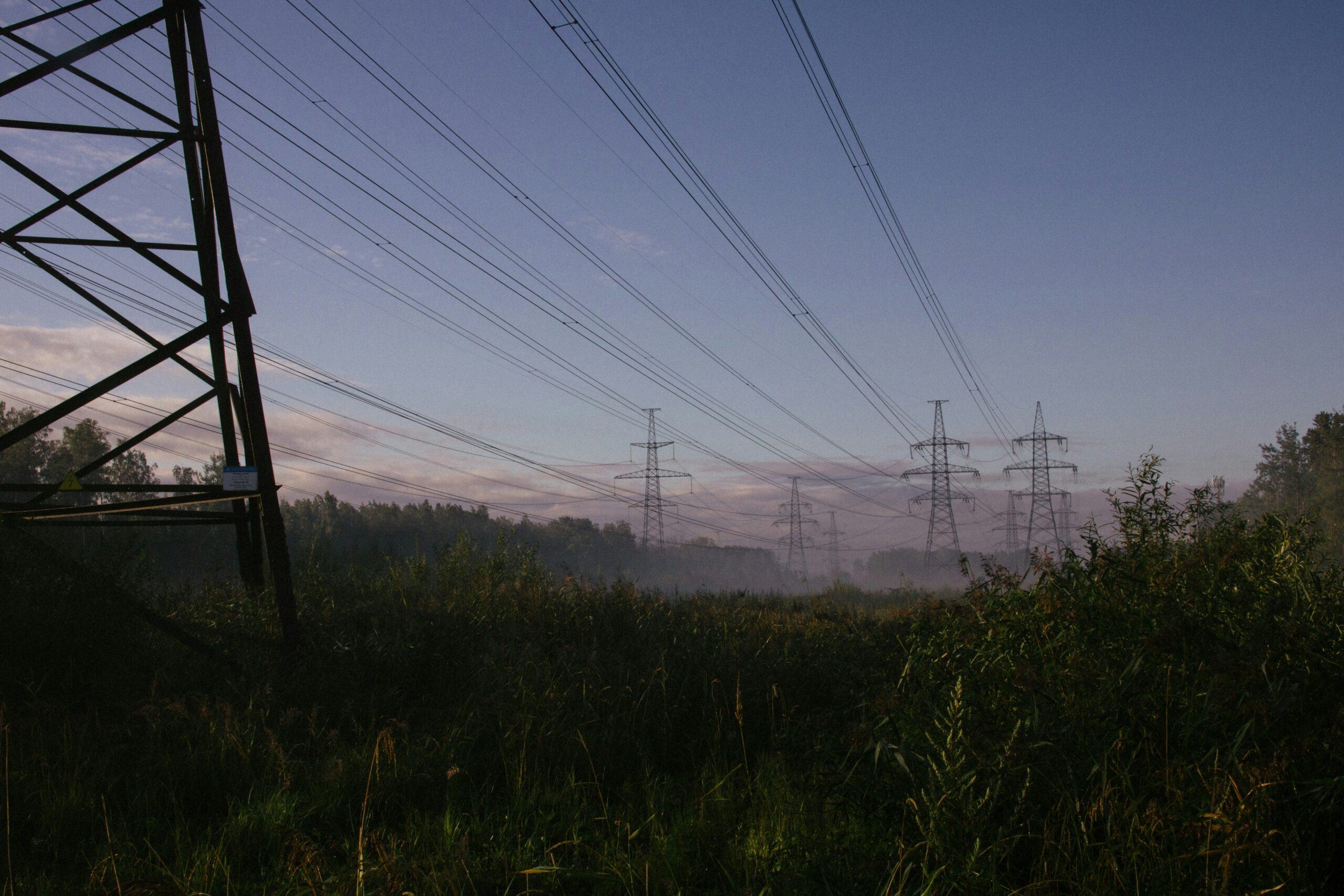
The global energy landscape, a complex interplay of supply, demand, and geopolitical forces, is frequently punctuated by periods of scarcity. While scarcity often signals hardship for consumers and a challenge for policymakers, it concurrently creates significant opportunities for specific market players. This article delves into the various entities that stand to gain when energy resources become constrained, examining the mechanisms through which they capitalize on such conditions and the broader implications for the energy sector and global economy.
Energy scarcity, at its core, represents an imbalance where the available supply of a particular energy source falls short of the prevailing demand. This imbalance can arise from a multitude of factors, including geopolitical conflicts disrupting supply chains, natural disasters impacting production infrastructure, underinvestment in new capacity, or sudden surges in demand due to economic growth or extreme weather events. The fundamental economic principle at play is simple: when supply diminishes relative to demand, prices tend to rise. This escalation in prices is the primary conduit through which market players can generate increased revenue and profits.
The Dynamics of Supply and Demand
Consider the energy market as a vast ocean. When the tide of supply recedes, while the needs of ships (demand) remain constant or even increase, the value of each drop of water (unit of energy) inevitably climbs. This price sensitivity is particularly acute in commodity markets, where energy sources like crude oil, natural gas, and coal are traded globally. Minor shifts in supply or demand expectations can trigger substantial price swings, akin to a ripple effect across the entire energy ecosystem.
The Role of Market Sentiment and Expectations
Beyond immediate physical availability, market sentiment and future expectations play a crucial role. If traders anticipate future scarcity, they may begin to hoard existing supplies or bid up prices in anticipation of even higher returns. This speculative behavior can exacerbate price increases, creating a feedback loop where perceived scarcity amplifies actual scarcity in the short term. This phenomenon is particularly evident in futures markets, where energy contracts for future delivery are traded, often reflecting collective apprehension or optimism about the future availability of resources.
In the ongoing discussion about energy scarcity, it’s essential to consider who benefits from such conditions. A related article that delves into the implications of energy scarcity and its impact on various stakeholders can be found at Real Lore and Order. This piece explores the dynamics of energy markets, the role of policy makers, and how certain industries may thrive when energy resources are limited, shedding light on the complex interplay between scarcity and opportunity.
Upstream Producers: The First Beneficiaries
When energy supplies dwindle, the entities responsible for extracting and producing these resources are often the first and most direct beneficiaries. These are the companies engaged in exploration and production (E&P) activities for oil, natural gas, coal, uranium, and other primary energy sources.
Oil and Gas Companies
Integrated oil and gas majors, as well as smaller independent E&P firms, experience a direct uplift in their revenues and profits when crude oil and natural gas prices surge. Their cost of extraction often remains relatively stable in the short term, meaning that every additional dollar per barrel or per cubic foot translates directly into increased margins.
Increased Revenue and Profit Margins
Imagine a faucet where the cost to turn it on (extraction cost) remains the same, but the price of each cup of water pouring out (unit of oil/gas) dramatically increases. This is the scenario faced by producers during scarcity. Their existing assets become more valuable, and the return on past investments significantly improves. This allows them to generate substantial free cash flow, which can be used for debt reduction, dividend payouts, share buybacks, or reinvestment in future projects.
Revaluation of Reserves
Beyond immediate revenue, the value of their proven and probable reserves also experiences a significant revaluation. These reserves, representing the estimated quantity of hydrocarbons that can be economically recovered, become more valuable when the expected future selling price of those hydrocarbons increases. This enhances the balance sheets of these companies and can make them more attractive to investors.
Mining Companies
Similarly, companies involved in the extraction of coal, uranium, and other mineral resources used for energy generation also benefit from scarcity-driven price increases. For instance, a surge in natural gas prices can lead to a shift back towards coal-fired power generation, increasing demand and prices for thermal coal. The same principle applies to uranium in the context of nuclear power, although its market dynamics are often more influenced by long-term contracts and geopolitical considerations.
Midstream and Downstream Players: A Mixed Bag of Fortunes

The impact of energy scarcity on midstream (transportation and storage) and downstream (refining and distribution) players is more nuanced. While some aspects can be beneficial, others may present significant challenges.
Midstream Companies: Infrastructure as a Premium
Midstream companies operate the pipelines, storage facilities, and terminals that move and store crude oil, natural gas, and refined products. Their business models are often based on volumetric tariffs, meaning they earn revenue based on the amount of product flowing through their infrastructure.
Increased Throughput and Storage Demand
When energy prices rise due to scarcity, there is often an increased incentive for producers to extract and transport more, leading to higher throughput for midstream assets. Furthermore, during periods of extreme price volatility, or when future prices are expected to be higher than current prices (contango), there is an increased demand for storage capacity as traders and refiners seek to hold inventory for future sale. This translates into higher utilization rates and potentially higher fees for storage and transportation services.
Hedging Against Price Volatility
Midstream companies, due to their fee-based structures, often act as a relatively stable anchor in volatile energy markets. However, they can also participate in commodity trading to hedge against their own operational costs or to capitalize on price differentials between different regions or time periods. While not directly profiting from scarcity itself, they can leverage the volatility that often accompanies it.
Downstream Players: Refining Margins and Consumer Burden
The downstream sector, primarily composed of oil refineries and product distributors, faces a more complex set of challenges and opportunities.
Refining Margins: The Crack Spread
Refiners purchase crude oil (their input) and transform it into various refined products like gasoline, diesel, and jet fuel (their outputs). The difference between the price of crude oil and the combined price of the refined products is known as the “crack spread.” When crude oil prices surge due to scarcity, refiners can find their input costs rising significantly. However, if the demand for refined products remains strong, and they can pass on these higher costs to consumers, their refining margins can remain robust or even expand. This is particularly true if there are bottlenecks in refining capacity, making refined products even scarcer than crude oil.
The Consumer’s Burden
Ultimately, it is the downstream sector that directly interacts with the end consumer. When energy prices rise due to scarcity, refiners and distributors pass these costs on, leading to higher prices at the pump or for utility bills. While this increases their gross revenue, it also risks demand destruction as consumers reduce their energy consumption in response to higher costs. The ability to pass on costs without significantly impacting demand is crucial for downstream players to profit during scarcity.
Financial Institutions and Traders: Riding the Waves of Volatility

The financial sector, through various mechanisms, is highly invested in and influenced by energy market dynamics. Periods of scarcity and the resulting price volatility create significant opportunities for financial institutions and traders.
Investment Banks and Hedge Funds
These entities capitalize on energy scarcity through sophisticated trading strategies, arbitrage, and the provision of financial services to energy companies.
Futures and Derivatives Trading
Investment banks and hedge funds are active participants in commodity futures and derivatives markets. They can take long positions (betting on rising prices) in energy contracts, anticipating that scarcity will drive prices higher. They also engage in more complex strategies, such as spread trading (profiting from price differences between different energy products or delivery dates) or options trading (buying the right, but not the obligation, to buy or sell energy at a specific price). The increased volatility during scarcity makes these markets particularly attractive for speculative trading.
Structured Finance and Lending
Energy companies, especially E&P firms, often require significant capital for exploration, development, and operational activities. During periods of high energy prices due to scarcity, these companies become more profitable and attractive borrowers. Investment banks provide financing through loans, bond issuances, and equity offerings, earning fees and interest in the process. They also engage in merger and acquisition advisory services for energy companies looking to consolidate or expand during favorable market conditions.
Energy Trading Desks
Major energy companies, utilities, and even specialized trading firms operate dedicated energy trading desks. These desks actively buy and sell physical energy commodities and derivatives.
Arbitrage Opportunities
Scarcity often leads to regional price disparities, where the same commodity can trade at different prices in different geographic locations due to transportation bottlenecks or local supply-demand imbalances. Energy traders exploit these arbitrage opportunities, buying low in one region and selling high in another, pocketing the difference.
Inventory Management and Hedging
Trading desks also play a crucial role in managing inventory and hedging price risk for their parent companies. By intelligently buying and selling energy contracts, they can protect against adverse price movements or capitalize on anticipated price trends, which become more pronounced during periods of scarcity.
In the ongoing discussion about energy scarcity, it is interesting to explore who benefits from such conditions. A related article highlights how ancient cities adapted to drought and resource limitations, shedding light on the resilience of human societies in the face of adversity. You can read more about this fascinating topic in the article on surviving drought in ancient cities, which provides valuable insights into the strategies employed by past civilizations to thrive despite environmental challenges.
Governments and State-Owned Enterprises: Resource Nationalism and Revenue Windfalls
| Stakeholder | Benefit | Reason | Example Metrics |
|---|---|---|---|
| Energy Producers | Higher Revenues | Scarcity drives up energy prices, increasing profits | Price per MWh, Profit Margins, Revenue Growth |
| Renewable Energy Companies | Increased Investment | Scarcity encourages shift to alternative energy sources | Investment Amount, Market Share, Project Pipeline |
| Energy Traders | Higher Trading Margins | Volatility in energy markets creates arbitrage opportunities | Trading Volume, Profit per Trade, Market Volatility Index |
| Energy Efficiency Technology Providers | Growth in Demand | Scarcity incentivizes adoption of efficiency solutions | Sales Growth, Market Penetration, Customer Acquisition Rate |
| Government (in some cases) | Increased Tax Revenues | Higher energy prices can lead to increased tax income from producers | Tax Revenue from Energy Sector, Budget Surplus/Deficit |
| Consumers (Selective) | Incentives for Conservation | Scarcity leads to programs and subsidies for energy saving | Energy Consumption Reduction, Subsidy Uptake Rates |
Governments, particularly those of resource-rich nations, and the state-owned enterprises (SOEs) they control, are significant beneficiaries of energy scarcity.
Resource-Rich Nations
For countries heavily reliant on oil, gas, or mineral exports for their national income, higher energy prices translate directly into enhanced fiscal revenues.
Increased Tax Receipts and Royalties
Governments levy taxes, royalties, and other duties on energy production and exports. When commodity prices soar, these revenue streams swell, providing a significant windfall for the national treasury. This can enable increased public spending, debt reduction, or the bolstering of sovereign wealth funds. These funds often invest globally, further solidifying the nation’s financial position.
Enhanced Geopolitical Leverage
Beyond economic gains, resource-rich nations can also experience enhanced geopolitical leverage. Their control over essential energy supplies grants them significant influence in international relations, especially when global supplies are tight. This leverage can be used to advance national interests on the diplomatic stage.
State-Owned Energy Companies
Many of the world’s largest energy producers are state-owned. These entities operate with varying degrees of autonomy but ultimately serve the strategic interests of their respective governments.
Profit Accumulation for National Development
When energy prices are high, state-owned energy companies accumulate significant profits. These profits can be channeled back into national development projects, social programs, or used to diversify the national economy. In some cases, these companies act as direct conduits for government policy, influencing domestic energy prices or supply levels for strategic purposes.
Investment in Strategic Infrastructure
The substantial revenues generated during periods of scarcity can also be reinvested by SOEs into expanding their production capacity, modernizing infrastructure, or exploring new energy reserves, further cementing their long-term position in the global energy market.
The dynamics of energy scarcity can lead to significant shifts in power and influence, often benefiting certain groups while disadvantaging others. For an insightful exploration of how resource limitations have historically affected civilizations, you might find the article on the downfall of ancient civilizations particularly enlightening. It delves into the reasons behind their sudden collapse and the role that resource scarcity played in these dramatic changes. To read more about this fascinating topic, check out the article here.
The Long-Term View: Investment in Alternatives and Efficiency
While short-term gains are evident for various players during energy scarcity, the prolonged or frequent occurrence of such conditions also triggers a broader, long-term shift in investment patterns and consumer behavior.
Renewable Energy and Efficiency Technologies
High prices for conventional energy sources make alternative energy technologies, such as solar, wind, geothermal, and hydropower, more economically competitive. Similarly, investments in energy efficiency measures, ranging from improved building insulation to more fuel-efficient vehicles, become more attractive.
Increased Investment and Innovation
During periods of high fossil fuel prices, there is a surge in investment into renewable energy projects and companies developing efficiency technologies. This increased capital fuels research and development, drives down the cost of these alternative solutions through economies of scale, and accelerates their market adoption. Companies involved in manufacturing solar panels, wind turbines, electric vehicles, and smart grid technologies often experience a boom.
Policy Support and Subsidies
Governments, recognizing the strategic vulnerability and economic burden of reliance on scarce fossil fuels, often introduce or expand policies to support renewable energy and efficiency. This can include tax credits, subsidies, and regulatory mandates, creating a more favorable environment for innovation and deployment in these sectors.
Changing Consumer Behavior
Consumers, faced with persistently high energy costs, adapt their behavior. This can range from more conscientious energy use to investing in personal renewable energy solutions or electric vehicles. This shift ultimately impacts the demand profile for conventional energy, potentially mitigating future scarcity events.
Conclusion
Energy scarcity, while often framed as a global challenge, is also a powerful catalyst for wealth transfer and strategic advantage within the energy ecosystem. Upstream producers, certain midstream entities, financial institutions, and resource-rich governments are positioned to accrue substantial benefits, capitalizing on elevated prices and market volatility. While these gains can be significant in the short to medium term, persistent scarcity also sows the seeds for long-term shifts, driving investment and innovation in renewable energy and efficiency solutions. Understanding these complex dynamics is crucial for comprehending the intricate web of economic and geopolitical forces that shape our energy future. The gains realized by these players are not merely abstract figures on a balance sheet; they represent tangible shifts in economic power and influence that reverberate throughout the global economy.

WATCH NOW ▶️ WARNING: Why Tesla’s Energy Tower Was Really Destroyed
FAQs
Who benefits economically when energy resources remain scarce?
Energy producers and suppliers, especially those controlling limited resources, often benefit from scarcity as it can drive up prices and increase their profits.
How does energy scarcity impact global markets?
Energy scarcity can lead to higher costs for manufacturing and transportation, causing inflation and economic instability in global markets.
Which countries are most affected by energy scarcity?
Countries heavily reliant on energy imports or with limited domestic energy production are most vulnerable to the negative effects of energy scarcity.
Do renewable energy companies gain from traditional energy scarcity?
Yes, scarcity in traditional energy sources can increase demand for renewable energy alternatives, benefiting companies in the renewable sector.
How does energy scarcity influence geopolitical relations?
Energy scarcity can heighten geopolitical tensions as countries compete for limited resources, potentially leading to conflicts or shifts in alliances.