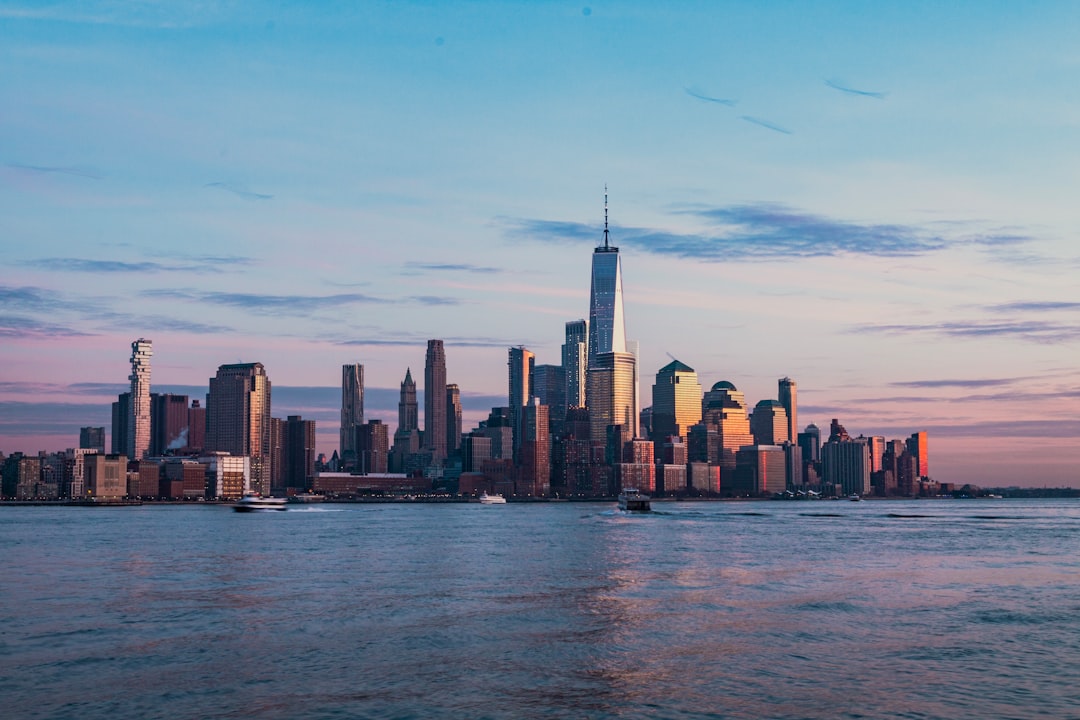
- The Illusion of Self-Sufficiency: Unpacking Urban Reliance on Faraway Lands
The modern city, a vibrant tapestry of human ingenuity and economic activity, often fosters an illusion of self-sufficiency. Its bustling streets, towering structures, and intricate infrastructure project an image of a self-contained ecosystem, capable of sustaining itself indefinitely. However, beneath this veneer of independence lies a profound and often unseen dependence on resources that originate far beyond the city limits. From the food on our plates to the electricity powering our homes, the very foundations of urban life are built upon a complex web of extraction, production, and transportation that stretches across continents and oceans. This reliance is not merely a matter of convenience; it is a fundamental pillar of survival for urban populations, shaping their growth, defining their challenges, and dictating their vulnerability to global events. Understanding this intricate relationship between cities and their distant resources is crucial for comprehending the intricate mechanisms of our globalized world and for forging pathways towards more resilient and sustainable urban futures.
The Concrete Jungle’s Thirst: More Than Just Water
When we speak of a city’s dependence, water is often the first resource that comes to mind, and for good reason. Modern metropolises, with their dense populations and insatiable demand, require vast quantities of potable water for drinking, sanitation, and a myriad of industrial and commercial processes. While some cities may draw from local rivers or aquifers, the scale of urban consumption frequently outstrips local supply, necessitating the development of extensive water infrastructure that reaches far beyond the metropolitan core.
Aqueducts of the Past, Pipelines of the Present
Historically, cities were often founded near reliable water sources. However, as populations grew and urban areas expanded, the need for increasingly sophisticated water management systems became paramount. Ancient Rome, for instance, famously relied on elaborate aqueducts to transport water from distant springs and rivers. Today, this reliance continues, albeit through modern engineering marvels like colossal pipelines. These systems can span hundreds of kilometers, tapping into remote mountain reservoirs, large river basins, or even desalinating seawater on an industrial scale. The construction and maintenance of these vital arteries represent significant financial investments and are susceptible to environmental changes, political stability in upstream regions, and the sheer physical limitations of their infrastructure.
The Hidden Hydration: Beyond Drinking Water
The dependence on distant water sources extends far beyond direct human consumption. Agriculture, which feeds urban populations, is a water-intensive industry. Many cities, even those with seemingly abundant local water, indirectly draw upon water resources used for food production in far-off regions. The water footprint of imported food is a significant factor in a city’s overall water dependency. Similarly, industrial processes that fuel urban economies, from manufacturing to energy production, often require enormous volumes of water, sourced from increasingly distant and sometimes contested water bodies. This interconnectedness means that water scarcity in one region can have ripple effects, impacting the food security and economic stability of cities thousands of miles away.
Cities often rely on distant resources due to a combination of urbanization, population growth, and the need for sustainable development. As highlighted in the article “Learning from History: Climate Change Lessons” found at this link, the increasing demand for resources such as water, energy, and food necessitates sourcing them from far-flung areas. This reliance can lead to significant environmental impacts and challenges in resource management, underscoring the importance of understanding historical patterns and adapting to climate change. By examining these lessons, cities can better strategize their resource use and promote sustainability.
Fueling the Metropolis: The Global Energy Network
The ceaseless hum of urban life is powered by an intricate and far-reaching energy network. Cities are colossal consumers of energy, demanding it for everything from the operation of transportation systems and the lighting of skyscrapers to the heating and cooling of homes and the powering of countless businesses. This immense demand is rarely met by local renewable sources alone. Instead, cities are deeply enmeshed in a global energy market, relying on the extraction, processing, and transportation of fossil fuels and, increasingly, renewable energy generated in distant locales.
The Shadow of Fossil Fuels: From Oil Fields to City Lights
For decades, the primary energy source powering urban civilization has been fossil fuels: coal, oil, and natural gas. These vital commodities are rarely found in abundance within city limits. Instead, they are extracted from remote regions – from the oil fields of the Middle East and North America to the coal mines of Australia and Russia. This extraction process is followed by complex refining and processing, often in specialized facilities located away from densely populated areas. The energy is then transported to cities through an elaborate network of pipelines, tankers, and rail lines, each step representing potential chokepoints and vulnerabilities. Geopolitical shifts, supply chain disruptions, and fluctuating global prices directly impact the cost and availability of energy for urban dwellers.
The Dawn of Renewables: New Geographies of Power
While a global shift towards renewable energy sources is underway, it has also introduced new dimensions to urban dependence on distant resources. Large-scale solar farms are often situated in sunny, arid regions, far from the cities they serve. Wind turbines are strategically placed in areas with consistent wind patterns, which may be coastal or in remote agricultural landscapes. The construction of massive hydroelectric dams, while providing power, often involves diverting rivers and impacting ecosystems in upstream territories. The materials required for these renewable energy technologies – rare earth minerals for solar panels and batteries, steel for turbines – are also sourced from specific geological locations around the globe, further extending the geographical reach of urban energy consumption. This spatial disconnect necessitates significant investment in transmission infrastructure, such as high-voltage power lines, to ferry this energy to where it is needed most.
Feeding the Masses: The Global Food Bowl
The daily sustenance of millions of urban residents is a testament to the power and complexity of global food systems. The sheer density of urban populations makes it virtually impossible for cities to produce all the food they consume locally. Consequently, urban diets are a mosaic of ingredients sourced from agricultural heartlands, often located thousands of miles away. This reliance on distant food sources creates a fragile interdependence, susceptible to a multitude of external factors.
From Farm to Fork: The Extensive Supply Chain
The journey of food from its point of origin to an urban dinner plate is a feat of modern logistics. Grains harvested in North America may end up in bread served in European cities. Fruits grown in South America find their way to urban markets in Asia. Meat processed in Australia is consumed in urban centers across the globe. This extensive supply chain involves a complex interplay of farmers, processors, wholesalers, distributors, and retailers, all connected by a vast network of transportation – ships, trains, trucks, and planes. Each stage of this journey requires energy, infrastructure, and labor, and any disruption in this chain can lead to shortages and price spikes in urban areas.
The Vulnerability of Globalization: Weather, Politics, and Pests
The globalized nature of food production inherently exposes cities to a wide range of vulnerabilities. Adverse weather events, such as droughts, floods, and extreme temperatures, in key agricultural regions can cripple production and send shockwaves through global supply chains, impacting urban food availability and affordability. Political instability or trade disputes in exporting countries can lead to sudden restrictions on food supplies. Furthermore, the spread of agricultural pests and diseases, facilitated by global trade, can devastate crops in distant regions, indirectly affecting urban food security. The reliance on a few major food-producing regions also concentrates risk; a major disruption in one of these areas can have a disproportionate impact on multiple cities.
The Rise of Specialty and Convenience Foods
Urban lifestyles often drive demand for a wider variety of foods, including specialty items and convenience products, which are frequently sourced from niche producers or require specialized processing. This further amplifies the reliance on distant resources. Think of exotic fruits, imported spices, or ready-to-eat meals, all of which involve complex transportation and supply chains, adding to the carbon footprint and vulnerability of urban food consumption.
The Materials That Build and Sustain: From Mining to Manufacturing
The physical infrastructure of a city, from its towering skyscrapers and sprawling roads to the everyday objects that populate its homes and businesses, is a testament to the extraction and utilization of a vast array of raw materials. These materials, from metals and minerals to timber and plastics, are overwhelmingly sourced from distant mines, forests, and oil fields. The lifecycle of these materials, from their origin to their eventual disposal, underscores the profound and often invisible dependence of cities on global resource extraction.
The Earth’s Bounty: Minerals and Metals for Urban Giants
Cities are built on a foundation of metals and minerals. The steel that forms the skeletons of skyscrapers, the copper wiring that powers our devices, the aluminum used in transportation – all originate from mining operations located in specific geological regions around the world. Rare earth elements, crucial for modern electronics and renewable energy technologies, are concentrated in a few key countries, making urban technological advancement deeply intertwined with the resource control of those nations. The extraction of these materials is often energy-intensive and can have significant environmental impacts, raising questions about the sustainability of urban development driven by such processes.
Timber, Sand, and Concrete: The Building Blocks
Beyond metals, cities rely on timber for construction and furniture, often sourced from vast forests that may be thousands of kilometers away. The concrete that paves our streets and forms our foundations is made from cement, which in turn requires limestone and aggregates, quarried in various locations and transported to manufacturing sites. Even seemingly abundant materials like sand, essential for concrete production, are increasingly being sourced from distant coastal areas, leading to ecological concerns. The global trade in these fundamental building materials highlights how urban growth is intrinsically linked to resource landscapes far beyond its immediate environment.
The Manufacturing Nexus: Transforming Raw Materials into Urban Goods
The transformation of raw materials into the finished goods that populate urban life – from the electronics in our hands to the clothes we wear – largely takes place in manufacturing hubs, which may be located in distant countries. This global division of labor means that cities are not only consumers of raw materials but also consumers of manufactured goods, the production of which is dependent on resources extracted and processed in other parts of the world. This complex web of global manufacturing intensifies the indirect reliance on distant resources and reshapes the environmental impact of urban consumption.
The End of the Line: Waste and Recycling’s Global Reach
Even the end-of-life of urban products contributes to this distant dependence. While cities strive for recycling, a significant portion of waste still ends up in landfills or is shipped to other countries for processing. This means that the environmental consequences of urban consumption, even in its disposal phase, often extend to distant communities and ecosystems, highlighting the global footprint of urban living and the interconnectedness of resource management.
Cities often rely on distant resources to meet their growing demands for energy, water, and food, which can lead to vulnerabilities in sustainability and supply chains. This reliance on external sources can create challenges in terms of environmental impact and economic stability. For a deeper understanding of how these dynamics play out in urban settings, you can explore the related article on the safety of financial resources in uncertain times, which highlights the importance of securing assets in a world where cities depend on distant supplies. You can read more about it here.
The Invisible Threads: Air, Data, and Services
Beyond the tangible resources like food, water, and materials, cities also depend on a more ephemeral, yet equally vital, set of distant resources. These include the very air we breathe (influenced by distant emissions), the data that flows through our connected lives, and the specialized services that underpin urban complexity. These elements, though less concrete, are fundamental to the functioning and continued existence of urban centers.
The Breath of the City: Air Quality and Transboundary Pollution
While cities are often associated with localized air pollution, their air quality is also profoundly influenced by factors far beyond their boundaries. Prevailing wind patterns can carry emissions from distant industrial areas, agricultural dust storms, or even wildfires originating in remote regions, impacting the air that urban dwellers breathe. Conversely, urban emissions can travel thousands of miles, affecting the air quality of other communities. This transboundary nature of air pollution means that cities are not isolated in their atmospheric environment and often depend on regional and international cooperation for effective air quality management. The long-range transport of pollutants, including greenhouse gases, underscores that even the composition of urban air is a shared global resource.
The Digital Arteries: Data Flows and Global Networks
In the 21st century, data has become a critical resource for urban functioning. Cities rely on vast and complex digital networks for communication, commerce, governance, and entertainment. These networks are powered by data centers, often located in regions with cheap electricity and favorable climates. The internet infrastructure itself, with its undersea cables and satellite systems, forms a global grid that connects cities to information and to each other. The physical infrastructure supporting this digital world, including the rare earth minerals needed for electronic devices and the energy required to power data centers, further links urban existence to distant resource extraction and global energy grids. The security and accessibility of this global data infrastructure are paramount for the continued operation of modern cities.
The Specialized Expertise: Global Services and Knowledge Transfer
Modern cities are complex ecosystems that require a diverse range of specialized services, many of which are not readily available within the city itself. Think of advanced medical expertise, cutting-edge research and development, specialized manufacturing processes, or even creative industries that draw talent from across the globe. Cities often attract and depend on a global talent pool and the transfer of knowledge and services across international borders. This reliance on distant expertise fuels innovation and allows cities to function at higher levels of sophistication than they might otherwise achieve with purely local resources. The international exchange of ideas and the mobility of skilled labor are thus crucial, albeit intangible, distant resources.
The Flow of Finance and Investment: Global Capital for Urban Development
Finally, the enormous capital required for urban growth, infrastructure development, and ongoing maintenance often originates from global financial markets. Investment from international sources plays a crucial role in shaping the physical and economic landscape of cities. This dependence on global capital means that urban development is influenced by international economic trends, investor confidence, and the policies of distant financial institutions. The flow of money, like the flow of goods and information, connects cities to a wider world and shapes their trajectory.

The Black Layer That Shouldn’t Exist
FAQs
1. Why do cities rely on distant resources?
Cities rely on distant resources for a variety of reasons, including limited local availability of certain resources, such as water, energy, and raw materials. Additionally, cities may rely on distant resources to meet the demands of a growing population and to access specialized goods and services not available locally.
2. What are some examples of distant resources that cities rely on?
Some examples of distant resources that cities rely on include water from distant reservoirs or aqueducts, electricity generated from power plants located outside the city, and food and raw materials imported from other regions or countries.
3. How does relying on distant resources impact cities?
Relying on distant resources can impact cities in various ways, including increased transportation costs, vulnerability to supply chain disruptions, and environmental impacts associated with transporting resources over long distances. Additionally, it can also lead to economic dependencies on external sources of resources.
4. What are the challenges of relying on distant resources for cities?
Challenges of relying on distant resources for cities include the potential for supply chain disruptions due to natural disasters, geopolitical conflicts, or transportation issues. Additionally, it can also lead to increased energy consumption and greenhouse gas emissions associated with transporting resources over long distances.
5. How can cities mitigate the risks of relying on distant resources?
Cities can mitigate the risks of relying on distant resources by investing in local resource management and conservation efforts, diversifying their resource supply sources, and promoting sustainable practices such as renewable energy generation and local food production. Additionally, developing resilient infrastructure and emergency response plans can help cities better prepare for potential disruptions to distant resource supplies.