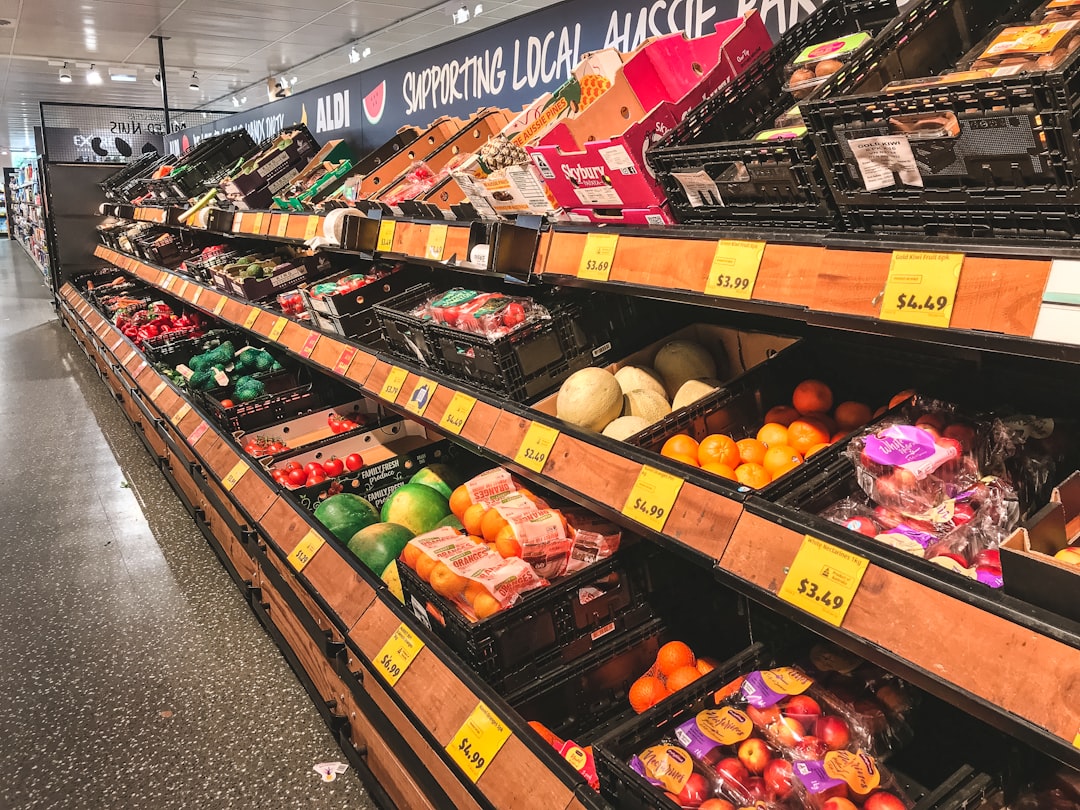
It might seem baffling. You walk into your local supermarket, a place usually brimming with every imaginable edible, only to find entire shelves bare. The produce section looks like a ghost town, the meat counter is depleted, and even the non-perishables are dwindling. Why do grocery stores run out of food so quickly, especially when it feels like it happens more often these days? The primary culprit, as many are beginning to understand, is the intricate and increasingly fragile nature of the modern supply chain. This isn’t a simple matter of a few missing trucks; it’s a complex web of interconnected issues that can bring shelves to their knees with surprising speed.
The grocery store you visit is merely the final stop in an incredibly long and complex journey for the food that fills its aisles. This journey begins with farmers cultivating crops or raising livestock, continues through processing plants, packaging facilities, distribution centers, and finally, transportation networks. Each of these stages involves countless individual steps and entities.
a. Farming and Agriculture: The Foundation Under Pressure
The very beginning of the food supply chain is incredibly vulnerable. Weather events, a recurring theme in recent years, can devastate crops at any stage of growth. Unseasonably harsh winters can kill nascent seedlings, torrential rains can flood fields and rot ripening produce, and prolonged droughts can wither crops before they reach maturity. Beyond natural disasters, agricultural labor shortages are a significant concern. Many farm jobs are physically demanding and often seasonal, making it difficult to attract and retain a consistent workforce. This scarcity of labor can directly impact the harvesting of crops, leading to delays or lost yields. Furthermore, the availability and cost of essential agricultural inputs like fertilizer, fuel for machinery, and even water can fluctuate dramatically, impacting a farmer’s ability to produce consistently. A shortage of a key fertilizer component, for instance, can reduce crop yields significantly, rippling through the entire chain.
b. Processing and Manufacturing: Bottlenecks in the Factory Floor
Once raw ingredients are harvested, they move to processing and manufacturing plants. These facilities are responsible for transforming raw goods into the products consumers see in stores – anything from grinding meat to canning vegetables to baking bread. These plants operate with sophisticated machinery and require a skilled workforce. If a key piece of machinery breaks down, or if there’s a shortage of a specialized component for repairs, production can grind to a halt. Similarly, a lack of skilled labor in these plants can lead to reduced output or even temporary closures. The packaging materials themselves are also part of this chain. Shortages of plastic, cardboard, or specialized films can create significant bottlenecks, even if the food product itself is ready.
c. Distribution and Warehousing: The Crucial Hubs
Between the processing plants and the retail stores lie distribution centers, massive warehouses where products are stored, sorted, and prepared for delivery. These are active hubs of activity, requiring efficient systems for inventory management, order fulfillment, and logistics. If a distribution center experiences a sudden surge in demand that outstrips its capacity, or conversely, if it’s understaffed and unable to process incoming or outgoing shipments efficiently, it can create a backlog. Extreme weather can also affect these facilities, whether it’s a blizzard preventing trucks from leaving or a power outage disrupting operations. Furthermore, the sheer volume of goods passing through these centers means that even a minor logistical hiccup can have a widespread impact.
d. Transportation and Logistics: The Arteries of the System
This is perhaps the most visible and relatable part of the supply chain for consumers and a frequent point of disruption. Grocery products travel thousands of miles from farm to table, relying on a vast network of trucks, trains, ships, and sometimes even planes. Any disruption to this network has immediate consequences.
i. Truck Driver Shortages: The Wheels of Commerce Stuck in Neutral
One of the most persistent and widely reported issues has been the chronic shortage of truck drivers. The profession faces an aging workforce, demanding working conditions, and difficulties in attracting new talent. This shortage means fewer trucks to move goods, leading to delays in deliveries and ultimately, empty shelves. Even a seemingly small percentage of unfilled driver positions can translate into a significant reduction in overall carrying capacity for the nation’s food supply.
ii. Fuel Costs and Availability: The Fuel That Powers the Trucks
The cost of fuel is a direct determinant of the cost and feasibility of transportation. When fuel prices spike, the cost of shipping food increases dramatically. This can lead to difficult decisions for logistics companies, who might prioritize more profitable routes or even reduce the frequency of deliveries to certain locations. Furthermore, global events can impact fuel availability, creating uncertainty and instability in the transportation sector.
iii. Port Congestion and Shipping Delays: Where the Global Shipments Dock
For many imported goods and even some domestic products that utilize waterways, port congestion is a major issue. When ships are backed up waiting to unload, or when there aren’t enough longshoremen to handle the cargo, it creates a ripple effect. This delay means that goods that should be on store shelves are instead stuck at sea or on docks, contributing to scarcity. Global events, such as pandemics or geopolitical tensions, can exacerbate these port issues by affecting labor availability, shipping schedules, and the flow of goods between countries.
iv. Intermodal Challenges: Connecting Different Modes of Transport
Much of the food transportation system relies on intermodal shipping – the use of multiple types of transportation for a single shipment (e.g., a container starting on a ship, then transferred to a train, and finally a truck). Breakdowns or inefficiencies at any point where these modes connect can cause significant delays. For instance, a shortage of chassis (the frames that trucks connect to for hauling shipping containers) can prevent loaded containers from leaving rail yards, creating a backlog that affects everything downstream.
Grocery stores often run out of food quickly due to a combination of supply chain disruptions, increased consumer demand, and logistical challenges. A related article that explores how resource management, particularly in ancient civilizations, can provide insights into modern supply chain issues is available at Uncovering Ancient Water Management Systems. This piece delves into how effective management of resources has always been crucial for sustaining populations, paralleling the current challenges faced by grocery stores in maintaining adequate food supplies.
2. The Thin Margins of Retail: Grocery Stores Operate on Tight Schedules
Grocery stores, particularly large chains, operate on remarkably thin profit margins. This business model necessitates highly efficient inventory management and precise delivery schedules. They aim to have just enough product on hand to meet anticipated demand without incurring excessive storage costs or suffering losses from spoilage, especially for perishable items.
a. Just-In-Time Inventory: Efficiency as a Double-Edged Sword
Many grocery stores employ a “just-in-time” inventory system. This means that products are delivered to the store as close as possible to when they are needed. While this system minimizes waste and reduces upfront investment in stock, it makes stores highly susceptible to disruptions in the supply chain. If deliveries are delayed, there’s often no significant buffer stock to fall back on, leading to immediate shortages. In a stable, predictable environment, this is an effective strategy, but when the supply chain falters, it becomes a vulnerability.
b. Limited Storage Space: No Room for a “Just-In-Case” Scenario
Most grocery stores have limited back-room storage space. They are designed to showcase products on shelves, not to hold large quantities of inventory. This physical constraint further reinforces the reliance on frequent, scheduled deliveries. When those deliveries are disrupted, there’s simply no place to put extra stock, even if it were available. This limited capacity means that a single delayed shipment can quickly lead to empty shelves.
c. Perishability: The Clock is Ticking on Freshness
For fresh produce, dairy, meat, and baked goods, the element of perishability adds another layer of complexity. These items have a limited shelf life. While stores aim to receive fresh stock regularly to maximize freshness for consumers, this also means they can’t simply stockpile these items for extended periods. If a delivery of fresh bread is missed, the shelves will be bare by the next day. This inherent time sensitivity makes the impact of supply chain disruptions on fresh food items particularly acute and noticeable to shoppers.
3. The Demand Side: Shifting Consumer Behavior and Unexpected Spikes
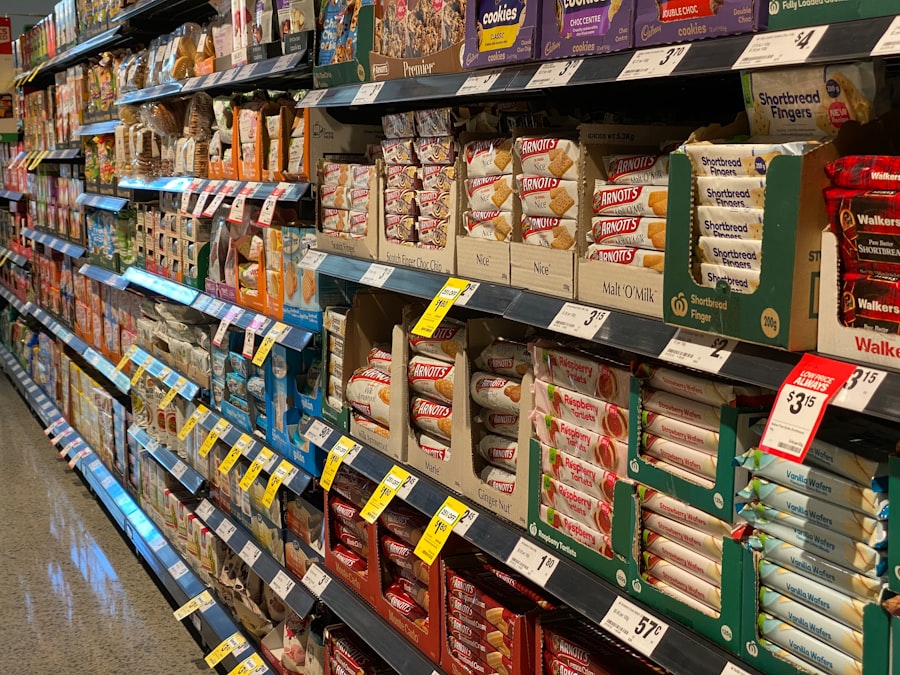
While supply chain issues are the primary driver, consumer behavior plays a significant role in how quickly shelves empty, especially during periods of disruption. Unexpected shifts in demand can overwhelm even a functioning supply chain.
a. Panic Buying and Stockpiling: The Fear Factor
When consumers perceive that shortages are imminent, a primal instinct kicks in: to buy as much as possible before it’s gone. This phenomenon, often referred to as panic buying or stockpiling, can create artificial demand spikes that far exceed normal consumption patterns. Even if the supply chain is only slightly stressed, widespread panic buying can quickly deplete available inventory, leading to the very shortages people are trying to avoid. This creates a self-fulfilling prophecy.
b. Shift in Purchasing Habits: What We Buy and Where We Buy It
During times of uncertainty, consumers may also shift their purchasing habits. For instance, if a particular item becomes scarce, shoppers might opt for a more readily available substitute. This shift in demand can put unexpected pressure on other products and their respective supply chains. Conversely, if people are spending more time at home, they might be cooking more and therefore purchasing more groceries, increasing overall demand. Similarly, changes in restaurant patronage can directly impact grocery store demand as consumers adjust their food sourcing.
c. The “Fear of Missing Out” (FOMO): A Psychological Driver
Beyond rational panic, there’s a psychological element. Seeing empty shelves or hearing about shortages can trigger a “fear of missing out” (FOMO) in consumers. This can lead individuals to purchase items they might not normally buy, simply because they are available and they fear they might not be later. This widespread emotional response can contribute to a rapid depletion of stock, even for non-essential items.
4. Global Interconnectedness: The Far-Reaching Influence of International Events
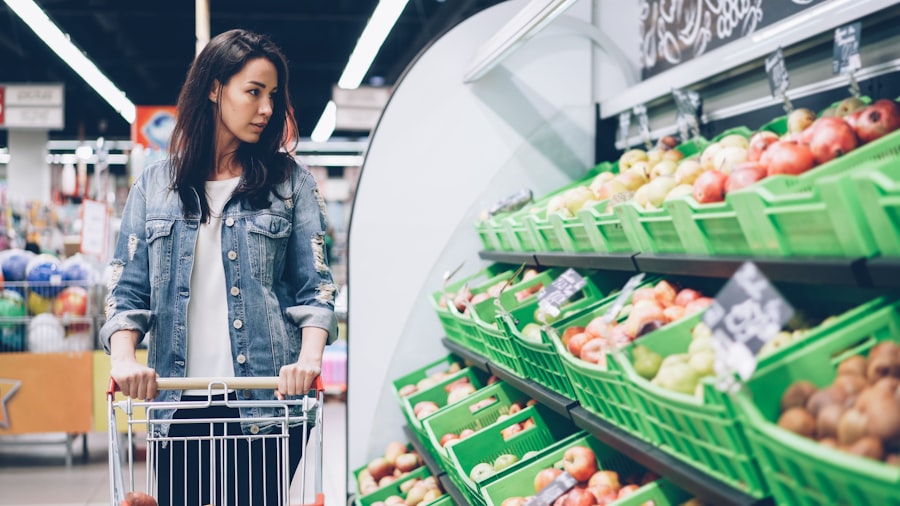
The food supply chain is a globalized entity. The ingredients for a familiar product might come from various countries, and the finished product might be destined for markets across continents. This interconnectedness means that events happening on the other side of the world can have a direct impact on the food available in your local grocery store.
a. Geopolitical Instability and Trade Restrictions: Barriers to Entry
Wars, political unrest, and trade disputes can disrupt the flow of goods across borders. Tariffs can make imported ingredients prohibitively expensive, leading manufacturers to seek less reliable or more costly alternatives. Sanctions can outright prevent certain goods from being traded. For example, a conflict in a major grain-producing region can impact global wheat prices and availability, affecting everything from bread to pasta.
b. Impact of Natural Disasters Abroad: Weather Knows No Borders
Major natural disasters in other countries, such as droughts, floods, or extreme weather events, can severely impact the production of key agricultural commodities that are then exported globally. If there’s a widespread failure of a major fruit crop in a producing nation, that scarcity will be felt in fruit aisles worldwide.
c. International Labor Issues: A Global Workforce
The global supply chain relies on a network of international labor for various stages, from agricultural work to port operations. Labor strikes, immigration policies, or health crises in one country can affect the availability of workers and thus the smooth functioning of the supply chain for goods imported from or exported to that nation. For instance, a shortage of dockworkers at a major international port can have cascading effects for months.
Grocery stores often run out of food quickly due to a combination of factors, including supply chain disruptions, increased consumer demand, and panic buying during uncertain times. These issues can create a perfect storm that depletes shelves faster than they can be restocked. For a deeper understanding of how historical events have influenced food availability, you might find it interesting to read an article on the archaeology of food rationing, which explores the complexities of food distribution throughout history. You can check it out here.
5. The Cumulative Effect: When Multiple Issues Converge
| Reasons for Grocery Stores Running Out of Food Quickly |
|---|
| High demand during peak hours |
| Supply chain disruptions |
| Unexpected increase in customer traffic |
| Inventory management issues |
| Seasonal fluctuations in demand |
Rarely does a single, isolated incident cause widespread grocery store shortages. Instead, it’s often a confluence of several smaller issues that, when they occur simultaneously, create a perfect storm. The supply chain is a resilient system, but it has its breaking points.
a. The Ripple Effect Amplified: Small Problems Become Big Ones
Imagine a truck driver shortage (Issue 1d) coinciding with a port delay (Issue 1c) for imported key ingredients, and then exacerbated by a surge in consumer demand due to a weather event (Issue 3a). Each of these problems individually might be manageable, but together, they create significant and widespread disruptions. The lack of drivers means delayed shipments from the ports, and the increased demand means the few shipments that do arrive are quickly depleted.
b. The Fragility of Complex Systems: Interdependencies Exposed
The modern food supply chain is a marvel of intricate planning and execution. However, this very complexity makes it inherently fragile. The failure of one component, even a seemingly minor one, can have disproportionate and far-reaching consequences due to the deep interdependencies between each stage. The system is optimized for efficiency, not necessarily for extreme resilience against multiple simultaneous shocks.
c. Resetting the System: The Time Lag in Recovery
When a supply chain is disrupted, it doesn’t immediately or seamlessly reset. There’s a significant time lag involved in getting everything back to normal. Rerouting shipments, re-establishing labor forces, repairing damaged infrastructure, and allowing agricultural cycles to recover all take time. This delay means that even after the initial cause of the disruption is resolved, shelves may remain bare for weeks or even months as the system slowly recalibrates. This prolonged recovery period is often what leads consumers to believe that stores are consistently running out of food, when in reality, the system is still in the process of being replenished after a series of compounding issues.

The Black Layer That Shouldn’t Exist
FAQs
1. Why do grocery stores run out of food so fast?
Grocery stores may run out of food quickly due to high demand, supply chain disruptions, and logistical challenges. Factors such as panic buying, seasonal demand, and unexpected events can also contribute to food shortages.
2. What are some common reasons for supply chain disruptions in grocery stores?
Supply chain disruptions in grocery stores can be caused by various factors such as transportation delays, labor shortages, natural disasters, and global events like pandemics or trade disputes. These disruptions can impact the availability of food products on store shelves.
3. How does panic buying contribute to food shortages in grocery stores?
Panic buying occurs when consumers stockpile goods in response to perceived threats or uncertainties. This behavior can lead to temporary shortages as stores struggle to keep up with the sudden surge in demand, resulting in empty shelves and limited availability of certain food items.
4. What measures can grocery stores take to mitigate food shortages?
Grocery stores can implement measures such as inventory management, diversifying suppliers, improving forecasting, and adjusting ordering patterns to better anticipate and meet consumer demand. Building resilient supply chains and maintaining open communication with suppliers can also help mitigate food shortages.
5. How can consumers help reduce food shortages in grocery stores?
Consumers can help reduce food shortages by avoiding panic buying, shopping responsibly, and being mindful of their consumption habits. Supporting local and small-scale producers, reducing food waste, and staying informed about supply chain issues can also contribute to a more sustainable and resilient food system.