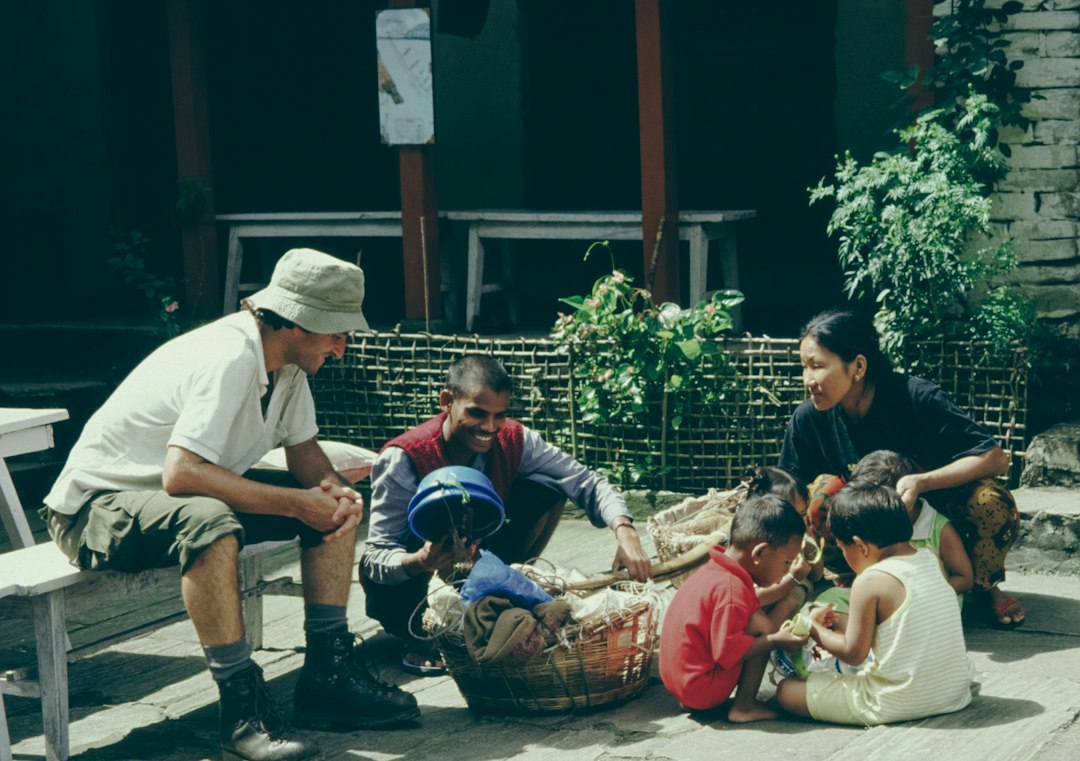
Why did prehistoric families share food? It wasn’t just about being nice; it was a fundamental strategy for survival and building the kind of social connections that kept groups alive and thriving. Think of it as a basic recipe for success in a challenging world.
The Deep Roots of Sharing
Food sharing wasn’t a later development; it likely started very early in our evolutionary story, even before the iconic big-game hunters and dedicated grandparents became the norm. Evidence suggests that even in earlier hominin groups that had some form of pair-bonding, sharing between unrelated adult males and females was probably happening. This indicates that cooperative exchange is something deeply ingrained in our past. It wasn’t just about immediate family; it was a broader social dance around resources.
Early Hominin Cooperation
Before massive game became a staple, and before dedicated grandparental care was a widespread feature, sharing was already at play. Modeling and comparisons with modern primate behavior hint at this. Imagine small groups where individuals might find a bit of food and share it with others outside their immediate core. This set the stage for more complex sharing systems to emerge as our ancestors evolved.
Pair-Bonding and Exchange
The idea of pair-bonding suggests a closer connection between two individuals, perhaps leading to a natural inclination to share resources they acquire. This sharing could have extended beyond just the bonded pair, creating early networks of reciprocal exchange that were vital for individual and group survival. It’s a foundational aspect of our social nature.
Prehistoric families often shared their limited food resources as a means of survival and social cohesion, fostering strong community bonds that were essential in harsh environments. This practice not only ensured that all members of the group had access to nourishment but also reinforced social ties and cooperation among individuals. For a deeper understanding of how ancient societies functioned and the importance of shared knowledge, you can explore the article on ancient cartography and its implications for understanding prehistoric life at Uncovering Ancient Cartography: Forbidden Knowledge.
The Impossible Solitary Life
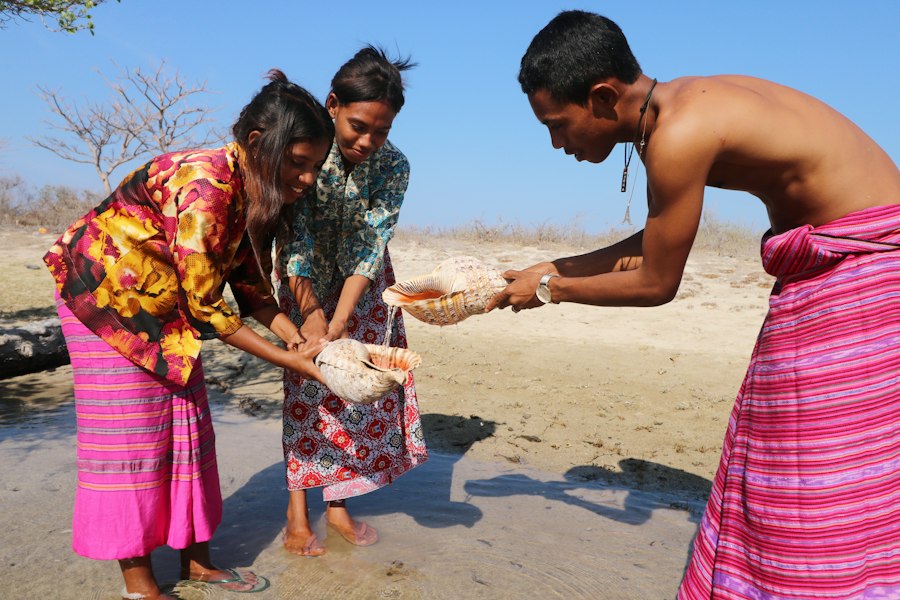
Trying to survive alone in prehistoric times was practically a non-starter. The sheer amount of work required to simply stay alive – hunting, gathering, processing food, cooking, and crucially, caring for children – was too much for any single adult to handle. This division of labor and the subsequent sharing of resources were absolutely necessary to meet the daily demands of time and energy.
The Daily Grind of Survival
Consider the tasks involved: tracking and bringing down prey, finding edible plants, digging up roots, processing tough materials, making fire, cooking, and then all the relentless demands of raising young. No one person could master all these skills and execute them effectively every single day. This forced cooperation was a matter of life and death.
Task Splitting for Efficiency
By splitting these tasks among group members, individuals could specialize and become more efficient. Hunters focused on hunting, gatherers on plants, processors on making food edible, and caregivers on the young. The fruits of these different labors were then pooled and shared, creating a more stable and reliable food supply for everyone. This collaborative approach was a major evolutionary advantage.
Women’s Crucial Role in the Camp

While big-game hunting often gets the spotlight, the daily work of women and children in processing and cooking food was absolutely central to group survival and the fabric of social life. These efforts transformed raw ingredients, many of which would have been inedible or even toxic on their own, into safe and calorie-rich meals. This was especially vital when hunts were unsuccessful, acting as a critical buffer against hunger. Their work literally reshaped bodies by providing necessary nutrition and, in doing so, reinforced the cooperative bonds within the camp.
Beyond the Hunt: The Power of Processing
It’s easy to focus on the dramatic act of bringing down an animal, but the real sustenance often came from the hours of labor that followed. Women and children were often the primary processors of plant foods, which might have required pounding, grinding, fermenting, or extensive cooking to become digestible and nutritious. This labor was not just about preparing food; it was about unlocking its potential.
Cooking: A Social and Nutritional Revolution
Cooking, in particular, was a game-changer. It made more foods available, increased their nutritional value, and made them easier to digest. This ability to transform a wide range of ingredients into satisfying meals would have been a constant source of energy for the group, particularly during lean times. The shared act of cooking and eating together also undoubtedly fostered strong social bonds.
Buffering Against Hunger
When hunts failed, and they often did, the stores of processed plant foods and other prepared items were essential for survival. This ability to rely on diversified food sources, managed by women and children, provided a crucial safety net. It meant that a single failed hunt didn’t spell disaster for the entire group.
More Than Just Calories: The Cultural Recipe
Prehistoric food practices weren’t just about raw survival; they carried a significant cultural and social element, like a “recipe” passed down through generations. Studies of Neanderthal butchery, for example, have shown that neighboring groups, even when hunting the same prey and using similar tools, left distinctly different cut-mark patterns on bones. This is interpreted as evidence of learned, group-specific food-preparation traditions – essentially, family or community recipes that defined their culinary identity.
Learned Traditions and Group Identity
These distinct patterns suggest that how food was prepared, processed, and perhaps even presented, was not random. It was learned behavior, transmitted within groups, much like we pass down family recipes today. This shared culinary heritage would have contributed to a sense of group identity and belonging, reinforcing the idea that “we” do things this way.
Culinary Fingerprints
The subtle differences in butchery marks are like culinary fingerprints. They show that even in ancient times, people weren’t just eating to live; they were eating in ways that were specific to their cultural group. This adds another layer to our understanding of prehistoric life, highlighting the role of culture in shaping fundamental behaviors like food acquisition and preparation.
The Social Value of Shared Meals
Beyond the individual act of eating, the sharing of these prepared foods likely formed the basis of social rituals and gatherings. These shared meals would have been opportunities to reinforce social bonds, transmit knowledge, and maintain group cohesion. The cultural aspect of food sharing made it a powerful tool for social bonding.
Prehistoric families often shared their limited food resources as a survival strategy, fostering social bonds and ensuring the well-being of the group. This communal approach not only helped to mitigate the risks associated with food scarcity but also strengthened relationships within the family unit. For a deeper understanding of how ancient communities functioned and the social dynamics at play, you can explore a related article that discusses recent archaeological discoveries in ancient cities. This article sheds light on the complexities of early human societies and their collaborative efforts to thrive in challenging environments. To read more about these fascinating findings, visit this link.
Evolving Cuisines and Complex Social Ties
| Reason | Description | Impact on Survival | Supporting Evidence |
|---|---|---|---|
| Resource Scarcity | Limited availability of food required sharing to ensure all family members had sustenance. | Increased chances of survival for the entire group rather than just individuals. | Archaeological findings show communal eating sites and shared food remains. |
| Social Cohesion | Sharing food strengthened social bonds and cooperation within the family unit. | Enhanced group cooperation improved hunting and gathering efficiency. | Anthropological studies of hunter-gatherer societies demonstrate food sharing as a social norm. |
| Risk Mitigation | Sharing reduced the risk of starvation if one member failed to procure food. | Distributed risk ensured group survival during periods of scarcity. | Ethnographic records show food sharing as a strategy to buffer against food shortages. |
| Child and Elder Care | Ensured vulnerable members like children and elders received adequate nutrition. | Improved survival rates of dependent family members. | Fossil evidence indicates prolonged care and feeding of non-hunting members. |
| Reciprocity and Future Sharing | Sharing food created expectations of reciprocal support in future hunts or gathers. | Built trust and long-term cooperation within and between families. | Studies of modern foraging groups show reciprocal food sharing networks. |
Shared meals in prehistory were more complex and varied than we once imagined, and this complexity was key to strengthening social ties. Analyses of residues and charred food found in Stone Age and later prehistoric pots reveal a surprisingly diverse array of plant, animal, and seafood combinations. The presence of different vessels for different dishes further suggests the development of evolving cuisines deeply embedded in shared practices.
A Palette of Prehistoric Foods
The archaeological record shows that prehistoric diets were not monotonous. We find evidence of a wide range of ingredients being combined, cooked, and shared. This diversity indicates a sophisticated understanding of available resources and how to utilize them effectively. It suggests a rich culinary landscape that went far beyond basic sustenance.
Vessels for Variety
The discovery of different types of pots and containers used for specific dishes points to a growing culinary sophistication. This implies that certain preparation methods or ingredient combinations were considered distinct enough to warrant their own specialized cookware. It’s a sign that food preparation was becoming an art form, intertwined with social life.
Shared Meals as Social Hubs
These varied and thoughtfully prepared meals, shared among group members, would have served as central social events. They provided consistent opportunities for interaction, communication, and the strengthening of relationships. The act of preparing and sharing diverse foods was intrinsically linked to building and maintaining robust social networks.
Supporting the Young and Vulnerable
Intergenerational sharing was crucial for supporting vulnerable group members, particularly children. Research into infant feeding practices has revealed that prehistoric groups introduced plant foods and animal milks into children’s diets, often as weaning foods. This indicates deliberate provisioning of the young by the broader group, not solely by mothers. This highlights a commitment to the next generation that extended beyond immediate familial care.
Beyond Maternal Care
While mothers were undoubtedly central to infant care, the evidence suggests that the entire group played a role in feeding the youngest members. This could have involved older siblings, aunts, uncles, or even unrelated adults contributing food. This collective responsibility for child welfare would have increased the chances of survival for infants and young children.
Introducing New Foods
The intentional introduction of plant foods and animal milks marks a significant developmental stage. It shows that prehistoric groups understood the nutritional needs of growing children and actively worked to meet them. This process of diversification in diet for infants was a crucial step in their development and a testament to the group’s investment in their future.
A Safety Net for the Future
By sharing food resources broadly, especially with the young, prehistoric groups created a strong safety net. This ensured that the energy and nutritional needs of the next generation were met, contributing to the long-term viability and success of the group. It underscores the deep-seated evolutionary drive to protect and nurture offspring.
Food Security and the Cooperative Niche
Modern evolutionary interpretations link prehistoric food sharing to broader cooperation and the establishment of “food security.” Policy-oriented reviews suggest that early hominin food sharing created a new cooperative niche, which helped to relax metabolic stress, stabilize access to food, and expand the possibilities for group size, mobility, and social complexity. It fundamentally changed the way humans could live and thrive.
Stabilizing Food Access
By sharing, groups could buffer against the unpredictability of individual foraging success. If one person had a bad day hunting or gathering, others in the group could still contribute, ensuring a more consistent food supply for all. This stability reduced the constant stress of searching for food and allowed for greater planning and group coordination.
Expanding Group Potential
This “food security” enabled by sharing allowed for larger group sizes, as more individuals could be sustained by communal resources. It also facilitated increased mobility, as groups could undertake longer journeys or explore new territories knowing they had a support system. Ultimately, it paved the way for the development of more complex social structures and cultural innovations.
The Foundation of Our Success
In essence, the practice of sharing food in prehistory wasn’t just about sharing meals; it was about sharing risk, sharing labor, sharing knowledge, and sharing a future. This deeply embedded cooperative behavior laid the foundation for many of the social and cultural traits that define us as humans today. It’s a powerful reminder of how interconnected our ancestors were and how vital that connection was for survival.

Life 20,000 Years Ago | When Your Ice Age Family Can’t Feed the Dog
FAQs
Why did prehistoric families share their food?
Prehistoric families shared their food primarily for survival. Sharing resources helped ensure that all members of the group had enough to eat, especially during times of scarcity. This cooperative behavior increased the chances of survival for both individuals and the group as a whole.
What were the benefits of food sharing in prehistoric societies?
Food sharing in prehistoric societies fostered social bonds and strengthened group cohesion. It encouraged cooperation and mutual support, which were essential for hunting and gathering. Additionally, sharing food could help reduce competition among group members, leading to a more stable social structure.
How did environmental factors influence food sharing?
Environmental factors such as seasonal changes, availability of resources, and climate conditions significantly influenced food sharing. In times of abundance, families could share surplus food, while during lean periods, sharing became crucial for survival. This adaptability to environmental conditions helped prehistoric families thrive despite challenges.
Did food sharing practices vary among different prehistoric cultures?
Yes, food sharing practices varied among different prehistoric cultures based on their social structures, environmental conditions, and subsistence strategies. Some groups may have had more egalitarian sharing practices, while others might have had hierarchical systems where food distribution was controlled by certain individuals or families.
What role did food sharing play in the development of early human societies?
Food sharing played a critical role in the development of early human societies by promoting social cooperation and communication. It laid the foundation for complex social interactions and the establishment of social norms. Over time, these practices contributed to the formation of larger communities and the eventual development of more complex societies.