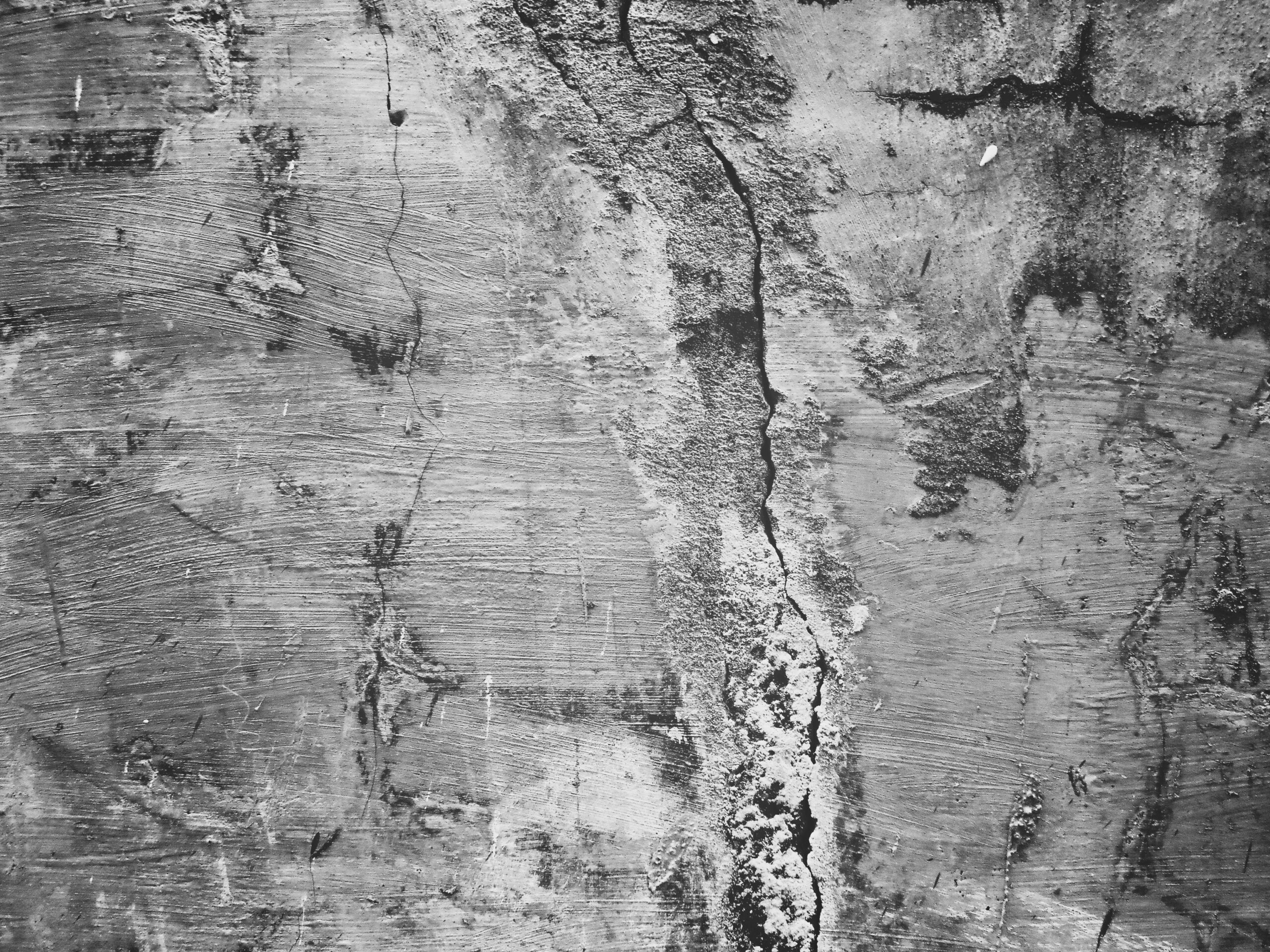
The seemingly unwavering straightness of walls can, over time, betray a fundamental fragility hidden within their very structure. What appears to be a monolithic barrier against the elements and the force of gravity is, in reality, a complex system of materials, stresses, and environmental interactions. When these walls begin to yield, manifesting as visible cracks, it is not a sudden act of defiance but rather the culmination of a scientific interplay, often born from subtle flaws and relentless external pressures. Understanding why straight walls crack requires delving into the science of materials, the physics of stress and strain, and the insidious influence of the environment.
The genesis of many wall cracks can be traced back to the very building blocks of the structure and the hands that assembled them. The integrity of a wall is fundamentally dependent on the quality of its constituent materials and the adherence to proper construction techniques. Even the most robust designs can be compromised by shortcuts or oversights in these critical early stages.
Concrete’s Vulnerabilities: Shrinkage, Curing, and Aggregate Issues
Concrete, a ubiquitous material in modern construction, is by no means immune to defects that lead to cracking. While renowned for its compressive strength, concrete possesses inherent weaknesses, particularly when subjected to tensile forces or environmental fluctuations.
Plastic Shrinkage: The Early Onset of Stress
One of the most common causes of cracking in fresh concrete is plastic shrinkage. This occurs when the surface of the concrete loses moisture faster than it can be replenished from the interior. As the surface dries, it contracts, creating tensile stresses that exceed the concrete’s still-developing tensile strength. This can lead to fine, irregular

The Walls That Shouldn’t Still Be Standing
FAQs

1. What causes straight walls to crack?
Straight walls can crack due to a variety of reasons, including foundation settlement, poor construction practices, changes in temperature and humidity, and soil movement.
2. How can foundation settlement lead to wall cracks?
Foundation settlement occurs when the soil beneath a building compresses or shifts, causing the foundation to sink unevenly. This uneven settling can put stress on the walls, leading to cracks.
3. What construction practices can contribute to wall cracks?
Inadequate reinforcement, poor quality materials, and improper curing of concrete can all contribute to the development of cracks in straight walls.
4. How do changes in temperature and humidity affect wall integrity?
Fluctuations in temperature and humidity can cause materials to expand and contract, leading to stress on the walls and potential cracking over time.
5. What can be done to prevent or repair cracks in straight walls?
Proper site preparation, quality construction materials, regular maintenance, and timely repairs can help prevent and address cracks in straight walls. It’s important to consult with a professional to determine the best course of action for each specific situation.