
The Klamath Mountains, a rugged and ancient spine of California and Oregon, bear the indelible marks of fire. These are not the fleeting smudges of a campfire’s ash but deep, enduring scars etched by the relentless fury of wildfires. For millennia, fire has been an intrinsic force in this ecosystem, shaping its diverse flora and fauna. Yet, in recent decades, the intensity, frequency, and scale of these conflagrations have escalated, leaving behind landscapes dramatically altered, and raising profound questions about resilience, adaptation, and the future of these wild lands.
For eons, the Klamath Mountains have engaged in a complex and dynamic relationship with fire. This was not a destructive force to be feared, but a vital component of the ecological cycle. The indigenous peoples of this region, including the Karuk, Yurok, and Hupa tribes, understood this intimately. They wielded fire as a tool, a carefully managed practice that shaped the forests to their needs and the needs of the landscape.
Indigenous Stewardship and Cultural Burning
The practice of cultural burning, also known as prescribed burning or traditional ecological knowledge (TEK) burning, was integral to the indigenous way of life. These were not haphazard infernos but meticulously planned events, often conducted during specific seasons and with defined objectives.
Fuel Load Reduction and Forest Health
One of the primary goals of cultural burning was to reduce fuel loads. Accumulations of deadwood, dry undergrowth, and fallen needles created the conditions for more severe fires. By carefully setting low-intensity fires, indigenous peoples cleared this excess material, promoting healthier forest growth and preventing catastrophic crown fires. This also created openings that encouraged the growth of edible plants and provided habitat for game animals.
Biodiversity Enhancement
Cultural burning was also a sophisticated method for enhancing biodiversity. Fire cleared space for new growth, stimulated the germination of certain seeds, and rejuvenated meadows. This created a mosaic of habitats, supporting a wider array of plant and animal species. For example, certain fire-adapted plants, like some species of manzanita and ceanothus, rely on fire for their reproduction.
Cultural and Spiritual Significance
Beyond its ecological functions, fire held deep cultural and spiritual significance for the indigenous peoples of the Klamath Mountains. It was a source of warmth, light, and a medium for storytelling and ceremony. The cyclical nature of fire was understood as a reflection of the cycles of life, death, and rebirth inherent in the natural world.
Fire scars in the Klamath Mountains provide valuable insights into the region’s ecological history and the impact of wildfires on forest dynamics. Understanding these scars helps researchers and land managers develop better strategies for fire management and conservation. For a deeper exploration of how ancient wisdom can inform modern practices, you can read the article on harnessing advanced knowledge at Unlocking Ancient Wisdom: Harnessing Advanced Knowledge.
The Shifting Landscape: Modern Wildfire Regimes
While fire has always been a part of the Klamath Mountains, the nature of fire has changed. A confluence of factors, including historical fire suppression policies, climate change, and land management practices, has led to an increase in the intensity and destructiveness of wildfires.
The Legacy of Fire Suppression
For much of the 20th century, the prevailing policy in the United States was to suppress all wildfires. This strategy, born from a desire to protect timber resources and human settlements, had unintended consequences. By preventing the natural, low-intensity fires that historically thinned the understory, vast quantities of flammable material accumulated.
Fuel Accumulation and Increased Fire Severity
The absence of regular, natural fires allowed dense undergrowth to flourish, creating a much deeper and more continuous fuel bed. When fires do ignite in these suppressed forests, they are far more likely to become large, intense crown fires that consume entire tree canopies and reach unprecedented temperatures. These extreme fires are far more damaging to the ecosystem, killing larger, older trees and leaving behind landscapes that are slow to recover.
Altered Forest Structure
Fire suppression has also altered the structural composition of many forests. Historically, many Klamath forests were characterized by open canopies with large, widely spaced trees, a condition maintained by frequent, low-intensity fires. The absence of these fires has led to increased tree density, with a proliferation of smaller, younger trees that compete for resources and create a more uniform fuel structure, further increasing fire risk.
The Accelerating Influence of Climate Change
Climate change is perhaps the most significant driver of the altered fire regimes currently observed in the Klamath Mountains. Rising global temperatures, altered precipitation patterns, and more frequent and intense heatwaves are creating conditions that are highly conducive to wildfire.
Drought and Increased Fuel Aridity
Warmer temperatures lead to increased evaporation, drawing moisture from soils and vegetation. This results in prolonged and more severe droughts, making forests more susceptible to ignition and enabling fires to spread more rapidly and burn with greater intensity. The dry, dead fuels become highly combustible, turning even small sparks into significant threats.
Longer Fire Seasons
The traditional fire season, typically peaking in the late summer and early fall, is lengthening. Warmer springs arrive earlier, and cooler fall temperatures arrive later, extending the period during which conditions are favorable for wildfires. This means fire managers are facing active fire seasons for longer durations, straining resources and increasing the likelihood of multiple large fires occurring simultaneously.
Extreme Weather Events
Climate change is also linked to an increase in extreme weather events, such as powerful windstorms. These winds can rapidly spread embers, igniting new fires far ahead of the main fire front. They can also fan existing fires, transforming them into uncontrollable infernos that move at astonishing speeds, posing an immense threat to both natural landscapes and human communities.
The Immediate Aftermath: A Landscape Transformed
The immediate aftermath of a major wildfire in the Klamath Mountains is a stark and often devastating sight. The vibrant green hues are replaced by a monochromatic palette of ash, charcoal, and blackened skeletons of trees. The silence that descends is profound, a stark contrast to the cacophony of flames and roaring wind.
Devastation and Loss
Wildfires can cause immense destruction. Homes and infrastructure can be lost, lives can be endangered, and the ecological fabric of an area can be severely damaged. The immediate visual impact is one of devastation, a sense of loss that can be deeply felt by those who live in or cherish these landscapes.
Loss of Biodiversity
The intense heat of wildfires can kill not only plants but also animals. Small mammals, birds, and insects that cannot flee quickly enough are often caught in the path of the flames. While some species are adapted to fire and can survive or even thrive in its aftermath, many face significant mortality. The loss of mature trees, which provide critical habitat and food sources, can have cascading effects throughout the ecosystem.
Soil Erosion and Water Quality Degradation
The removal of vegetation by fire leaves soil exposed to the elements. Without the protective cover of trees and undergrowth, rainfall can easily erode the topsoil, leading to landslides and sedimentation in rivers and streams. This sedimentation can degrade water quality, harming aquatic life and impacting downstream water supplies. The ash and debris from the fire can also leach into water bodies, further affecting their health.
The Visual Scars: A Landscape of Charcoal and Ash
The visual impact of a wildfire is immediate and profound. The once verdant forests are transformed into stark landscapes of charcoal and ash. Standing trees, stripped of their foliage and bark, resemble skeletal figures against the sky. The ground is often covered in a thick blanket of ash, obscuring the familiar textures of the forest floor.
The Blackened Canopies
The most striking visual signature of a severe wildfire is the blackened canopy. The crowns of trees, once alive with green, are consumed by flames, leaving behind scorched and brittle branches. These blackened silhouettes stand as stark reminders of the fire’s intensity, a testament to the power of the conflagration.
The Ash-Covered Earth
Beneath the scorched canopies, the earth is transformed. A thick layer of ash, the pulverized remains of vegetation, covers the ground. This ash can be several inches deep in places, creating a soft, yielding surface that muffles sound. The familiar earthy smells of the forest are replaced by the acrid scent of smoke and burnt wood.
The Slow Reclamation: Resilience and Regeneration
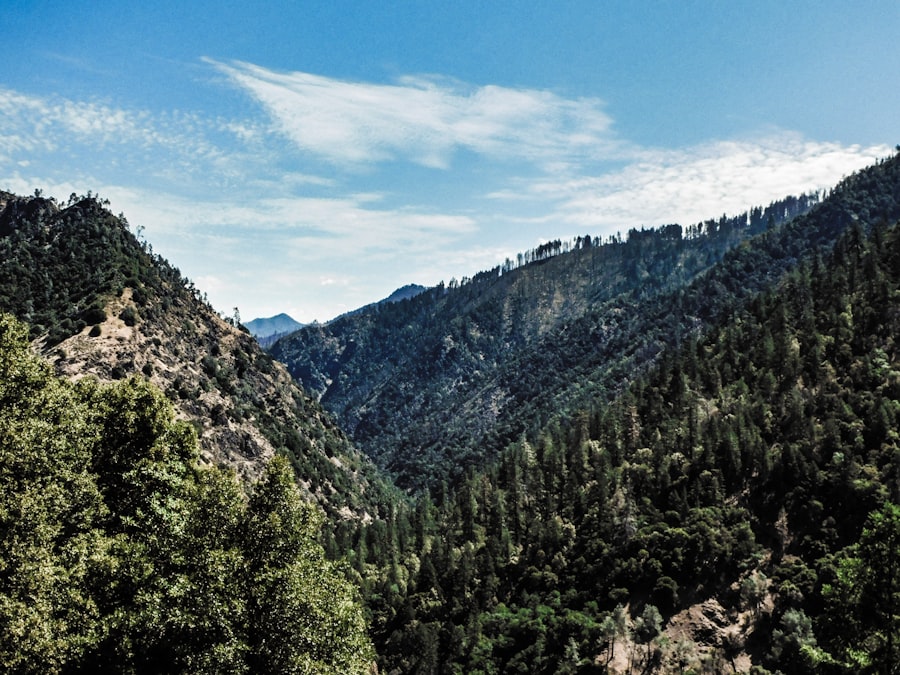
Despite the immediate devastation, the Klamath Mountains possess a remarkable capacity for resilience. The forces of nature, though brutal in their manifestation, also carry the seeds of renewal. The process of reclamation is slow and gradual, a testament to the enduring power of life.
The Role of Fire-Adapted Species
Many species in the Klamath Mountains have evolved specifically to thrive in fire-prone environments. These fire-adapted species are crucial to the recovery of the landscape after a wildfire. Their ability to germinate, grow, and reproduce in the post-fire environment is fundamental to the ecosystem’s ability to bounce back.
Seeds Awakened by Fire
Some plant seeds, like those of certain species of manzanita, chaparral, and even some pines, have a hard, impermeable seed coat. This coat is often broken down by the heat of a wildfire, allowing the seed to germinate. The ash from the fire also provides a nutrient-rich bed for these newly awakened seeds.
Rapid Colonizers
Certain plants are quick to colonize burned areas. These “pioneer species” are often annuals or fast-growing perennials that can establish themselves quickly on the exposed soil. They help to stabilize the soil, prevent erosion, and provide a food source for returning wildlife. Examples include fireweed, lupine, and various grasses.
The Return of Fauna
The return of animal life to a burned landscape is a gradual but vital part of the healing process. While some animals may flee or perish during a fire, others are attracted to the post-fire environment for its new resources.
Foraging Opportunities
The new growth that emerges after a fire can provide abundant foraging opportunities. Herbivores, such as deer and elk, are often drawn to areas with fresh green shoots and grasses. Insects, which are a food source for many birds and small mammals, also proliferate in the post-fire environment.
Habitat Recovery
As vegetation begins to re-establish, so too does habitat for wildlife. Birds return to nest in the regenerating shrubs and trees. Small mammals find shelter and food in the developing understory. The mosaic of different successional stages within the burned landscape provides a variety of niches for diverse species.
Fire scars in the Klamath Mountains provide valuable insights into the region’s ecological history and the impact of wildfires on local ecosystems. These scars reveal patterns of fire frequency and intensity, which can inform current forest management practices. For those interested in the broader implications of environmental changes, a related article discusses ancient secrets revealed in a new documentary that explores how past events shape our understanding of nature today. You can read more about it here.
Facing the Future: Adapting to a Changing Fire Landscape
| Location | Year | Size (acres) | Severity |
|---|---|---|---|
| Klamath National Forest | 2015 | 10,000 | High |
| Trinity Alps Wilderness | 2018 | 5,000 | Moderate |
| Marble Mountain Wilderness | 2020 | 8,000 | Low |
The wildfires of the Klamath Mountains are not just a legacy of the past; they are a pressing reality of the present and a significant challenge for the future. Understanding and adapting to these changing fire regimes is paramount for the health of the ecosystem and the safety of the communities that call this region home.
The Need for a New Approach to Fire Management
The historical approach of total fire suppression is no longer a sustainable or effective strategy. A paradigm shift is needed, one that embraces fire’s ecological role while mitigating its destructive potential. This requires a multi-faceted approach that integrates ecological understanding, advanced technology, and community engagement.
Embracing Prescribed Burning and Cultural Burning
The reintroduction of prescribed burning, informed by indigenous knowledge and modern scientific understanding, is crucial. Carefully planned burns can mimic natural fire cycles, reduce fuel loads, and promote forest health. Supporting and collaborating with indigenous communities to revitalize cultural burning practices is essential.
Forest Thinning and Fuel Break Construction
In areas where fuel loads are exceptionally high and the risk of catastrophic fire is severe, mechanical thinning and the construction of fuel breaks can be necessary. These interventions aim to reduce the intensity and spread of wildfires, protecting human communities and critical ecological areas.
The Role of Community and Resilience
The communities within and surrounding the Klamath Mountains are inherently linked to the health of the forests. Building resilience requires not only ecological adaptation but also robust community preparedness and engagement.
Firewise Communities and Education
Promoting “Firewise” communities, where residents take proactive steps to reduce their risk of wildfire, is vital. This includes creating defensible space around homes, using fire-resistant building materials, and developing evacuation plans. Public education campaigns are essential to foster a greater understanding of wildfire risk and preparedness.
Collaborative Land Management
Effective wildfire management requires collaboration among federal, state, and local agencies, as well as private landowners and indigenous tribes. Sharing resources, expertise, and information is crucial for developing comprehensive and effective strategies.
The scars left by wildfires in the Klamath Mountains are more than just visual blemishes; they are potent reminders of the complex and dynamic relationship between fire and the natural world. They are also a call to action, urging a deeper understanding of ecological processes and a commitment to adapting to a future where fire will undoubtedly continue to play a significant role in shaping these magnificent, wild lands. The resilience of the Klamath Mountains is undeniable, but its continued health and vitality will depend on our ability to learn from the past, adapt to the present, and plan wisely for the future.
The Wilderness Was Engineered
FAQs
What are fire scars in the Klamath Mountains?
Fire scars in the Klamath Mountains are areas of the landscape that have been burned by wildfires. These scars can vary in size and severity, and can have long-lasting effects on the ecosystem.
How do fire scars impact the Klamath Mountains?
Fire scars can have both positive and negative impacts on the Klamath Mountains. While they can cause immediate destruction and loss of habitat, they also play a crucial role in the natural regeneration and renewal of the ecosystem.
What causes fire scars in the Klamath Mountains?
Fire scars in the Klamath Mountains are primarily caused by natural wildfires, which can be ignited by lightning strikes, human activity, or other natural factors. These fires are a natural part of the ecosystem and have been occurring for thousands of years.
How do plants and animals respond to fire scars in the Klamath Mountains?
Plants and animals in the Klamath Mountains have evolved to adapt to and even benefit from fire scars. Some plant species rely on fire to release seeds or clear out competing vegetation, while certain animal species thrive in post-fire environments.
What is the long-term outlook for fire scars in the Klamath Mountains?
The long-term outlook for fire scars in the Klamath Mountains is complex and depends on various factors such as climate change, land management practices, and natural fire patterns. However, fire scars will continue to be a natural and essential part of the Klamath Mountains ecosystem.