
The stark dichotomy of winter base camps and summer hunting grounds represents a fundamental, often overlooked, aspect of wildlife survival and seasonal strategy. For many species, particularly large herbivores and their predators, the landscape transforms dramatically with the changing seasons, necessitating distinct behavioral and ecological adaptations. Understanding these shifts is crucial for appreciating the intricate balance of ecosystems and for informing conservation efforts. While the summer months offer abundant food and less harsh environmental conditions, leading to expansive foraging and increased reproductive activity, the advent of winter forces a concentration of resources and a shift towards survival-focused behaviors. This article will delve into the distinct strategies employed by wildlife during these opposing seasons, focusing on the concept of “base camps” in winter and the “hunting grounds” of summer, and exploring the ecological drivers behind these adaptations.
The Harsh Embrace of Winter: Establishing a Base Camp for Survival
As snow blankets the landscape and temperatures plummet, wildlife enters a period of intense resource scarcity and increased energy expenditure. This is where the concept of the winter base camp becomes paramount. A base camp, in this context, is not a constructed shelter but rather a carefully chosen, often long-standing, location that provides the most favorable combination of survival advantages. These advantages typically revolve around access to limited food resources, protection from extreme weather, and proximity to safe havens. The animals that thrive in winter are those with a keen understanding of their environment and the ability to exploit these strategic locations.
Nutritional Scarcity and the Art of Foraging
Winter presents a formidable challenge to herbivores. Grasslands turn into frozen plains, and succulent browse becomes buried under snow. Animals must therefore adapt their foraging strategies to maximize caloric intake while minimizing energy expenditure. This often means a shift from widespread grazing to more localized feeding. For instance, deer and elk will often seek out south-facing slopes where snow cover is thinner, allowing them to access buried vegetation. They may also congregate in areas with a higher density of browseable shrubs or trees, effectively turning these pockets of vegetation into a communal feeding ground. The base camp, in this scenario, is the nexus of these localized foraging efforts. The animal’s knowledge of where these critical food sources are located, and how to access them, is passed down through generations and is a vital component of their winter survival. Predators, in turn, learn to anticipate these congregation points, understanding that their prey will be more concentrated and potentially more vulnerable in these areas. The efficiency of hunting during winter often hinges on understanding the prey’s base camp strategies.
Shelter from the Storm: Seeking Refuge in Strategic Locations
Beyond food, protection from the elements is a critical factor in winter survival. Extreme cold, high winds, and heavy snowfall can be lethal. Therefore, winter base camps are often strategically located in areas that offer natural protection. Dense conifer forests, for example, provide a significant buffer against wind and retain warmth more effectively than open landscapes. Valleys and draws can also offer shelter from prevailing winds. For some species, the base camp might be a more mobile concept, with herds moving between various sheltered areas depending on the severity of the weather. However, there is usually a core area, or a few core areas, that represent the most consistently favorable wintering grounds. This geographical advantage allows animals to conserve precious energy that would otherwise be lost to thermoregulation. The presence of these sheltered areas dictates where populations can persist through the harshest months, and their availability is a key limiting factor for many species.
Conserving Energy: The Winter Economy of Movement
Winter is a period of enforced energy conservation. Every movement requires a significant expenditure of calories, which are difficult to replenish. Thus, animals in their winter base camps exhibit a dramatically reduced activity level compared to their summer counterparts. They will often remain in their chosen base camps for extended periods, minimizing unnecessary travel. This can lead to a significant reduction in home range size during winter. The strategy is one of “staying put” and making the most of the immediate resources. This sedentary behavior also has implications for predator-prey dynamics. While predators may be drawn to the concentrated prey, the reduced mobility of their targets can sometimes make them easier to stalk, provided the terrain doesn’t become too arduous for the predator as well. The efficiency of hunting in winter often relies on the predator’s ability to ambush rather than chase, a tactic facilitated by the prey’s energy-saving strategies.
The dynamics of winter base camps versus summer hunting grounds highlight the adaptability of ancient cultures to seasonal changes and resource availability. For a deeper understanding of how these strategies were influenced by environmental factors and technological advancements, you can explore the article on forbidden ancient technology and the secrets unearthed from our past. This insightful piece sheds light on the knowledge that shaped the survival strategies of early civilizations. To read more, visit here.
The Abundance of Summer: Migrating to Prime Hunting Grounds
In stark contrast to the austere conditions of winter, summer ushers in an era of plenty for wildlife. The landscape explodes with life, providing a veritable buffet of food resources. This abundance fuels increased activity, rapid growth, and the critical reproductive period for many species. Summer hunting grounds, therefore, are not necessarily about a single, concentrated “camp” but rather expansive territories characterized by rich food availability, suitable breeding habitats, and opportunities for growth and development.
The Feast of Vegetation: Grazing and Browsing in Lush Environments
Summer is the season of maximum plant growth, and herbivores capitalize on this bounty. Vast grasslands, meadows, and forests offer an endless supply of nutritious grasses, forbs, and browse. Animals can roam widely, taking advantage of diverse plant communities to obtain a balanced diet. This widespread foraging allows for greater individual nutrient intake and supports larger populations. The energy gained during summer is crucial for building up fat reserves that will be vital for surviving the leaner winter months. Predator species also benefit from this increased prey availability, leading to higher hunting success rates. The expansive nature of summer hunting grounds means that predators must cover more territory and employ different hunting tactics, often involving stalking, ambushing, and prolonged chases, to secure their meals. The sheer volume of prey available allows for a more robust and successful hunting season for carnivores.
Reproductive Vitality: Raising the Next Generation in Favorable Habitats
Summer is the primary breeding season for most temperate wildlife. The abundance of food and the milder weather create ideal conditions for gestation, birth, and the raising of young. Animals seek out habitats that offer both ample food for lactating females and young, and safe nesting or denning sites. These prime reproductive areas often overlap with rich foraging grounds. For example, many ungulates will move to higher elevations or more secluded areas to give birth, where the vegetation is lush and predator numbers may be temporarily lower. Bird species will establish territories in areas with abundant insect life and suitable nesting materials. The success of these reproductive efforts is directly tied to the quality and availability of summer hunting grounds, which provide the sustenance needed for the demanding processes of reproduction and offspring care.
The Hunter’s Domain: Tracking and Capturing Prey in a Dynamic Landscape
The summer hunting grounds are dynamic and expansive. Predators must adapt their strategies to a landscape teeming with food, but also one where prey is more dispersed and alert. The reduced energy conservation imperative means prey are more mobile and less predictable. This often leads to increased reliance on stealth, speed, and endurance. Predators may utilize natural cover to stalk their prey, employ pack hunting strategies to corner and overwhelm larger animals, or develop specialized hunting techniques for specific prey species. The greater availability of prey also allows predators to be more selective, often targeting the young, old, or infirm. The summer months are therefore a period of intense activity and high success rates for many predator populations, allowing them to replenish their own energy reserves and prepare for the coming lean season. The ability of a predator to successfully navigate and exploit these vast summer hunting grounds is a testament to its adaptability and ecological prowess.
The Interconnectedness: Bridging the Seasonal Divide
The transition from winter base camps to summer hunting grounds is not an abrupt switch but rather a gradual, finely tuned process dictated by environmental cues and the biological imperatives of survival and reproduction. The strategies employed in each season are not isolated but intrinsically linked, forming a continuous cycle of adaptation and resilience. Understanding this interconnectedness is vital for comprehending the overall life history of a species and for effective wildlife management.
The Cycle of Resource Use: From Scarcity to Abundance
The energy gained during the productive summer months is the fuel that sustains wildlife through the lean winter. Fat reserves built up during summer grazing and browsing are critical for survival when food is scarce and energy expenditure for thermoregulation is high. Similarly, the knowledge of winter base camp locations is accrued during the summer. Animals often scout or utilize these areas for specific resources even in warmer months, such as mineral licks or sheltered spots. This continuous cycle of resource utilization, from the abundance of summer to the scarcity of winter, highlights the importance of maintaining healthy habitats throughout the year. Degradation of summer hunting grounds can have cascading effects, leading to reduced reproductive success and ultimately impacting winter survival rates. Conversely, the destruction or fragmentation of winter base camps can decimate populations that rely on these critical refuges.
Migration and Movement: Navigating the Seasonal Shifts
The movement of wildlife between summer and winter habitats is a defining feature of many species. These migrations are often triggered by changes in food availability, temperature, and daylight hours. For some, this might involve relatively short-distance movements to lower elevations or more sheltered valleys, while for others, it could be extensive journeys spanning hundreds or even thousands of miles. The success of these migrations is dependent on the availability of suitable stopover sites and the predictability of resource availability in both winter and summer grounds. Understanding the migration routes and the ecological needs of animals during these transitional periods is crucial for ensuring habitat connectivity and preventing population declines. Conservation efforts often focus on protecting these migratory corridors and the critical habitats at either end of the seasonal journey.
Predator-Prey Dynamics: A Shifting Battlefield
The relationship between predator and prey undergoes a significant transformation between seasons. In winter, prey are concentrated in base camps, making them more vulnerable to ambush predation. However, the harsh conditions can also limit predator mobility. In summer, prey are more dispersed across vast hunting grounds, requiring predators to employ greater stealth, speed, and endurance. This seasonal shift in the predator-prey dynamic influences population dynamics, evolutionary pressures, and the overall structure of the ecosystem. For instance, the ability of predators to effectively hunt in winter can help regulate prey populations that might otherwise boom and overgraze sensitive habitats. Conversely, the high reproductive success in summer allows prey populations to rebound, ensuring a sustained food source for predators in the following year. This intricate balance is a testament to the adaptive power of natural selection operating on both predator and prey.
Conservation Implications: Protecting the Seasonal Strategies
The distinct strategies employed by wildlife in winter base camps and summer hunting grounds have profound implications for conservation efforts. Recognizing and protecting these seasonal habitats is paramount to ensuring the long-term survival of many species. A comprehensive conservation approach must consider the entire annual cycle of an animal, not just its most visible or active periods.
Habitat Protection: The Cornerstone of Seasonal Survival
The preservation of both winter base camps and summer hunting grounds is fundamental to wildlife conservation. Winter base camps, often characterized by specific microclimates and vegetation types that can withstand harsh conditions, are vital refuges. Their protection from development, logging, and other human disturbances is essential for preventing population declines. Similarly, the vast and often diverse areas utilized as summer hunting grounds must be maintained. This includes ensuring the health of grasslands, forests, and wetlands that provide abundant food and reproductive habitats. Fragmentation of these habitats, whether through urbanization, agriculture, or industrial development, can severely disrupt migration patterns and limit access to essential resources, leading to reduced reproductive success and increased mortality. Conservation strategies must therefore aim to protect large, contiguous blocks of land that encompass the full spectrum of a species’ seasonal needs.
Managing Human-Wildlife Conflict: Understanding Seasonal Shifts
Human-wildlife conflict often intensifies during seasonal shifts. For example, as winter drives animals to seek food closer to human settlements, conflicts with livestock or agricultural crops can increase. Understanding the specific needs of animals in their winter base camps can help in developing strategies to mitigate these conflicts, such as establishing buffer zones or providing alternative food sources in designated areas. Conversely, in summer, the expansion of human activities into traditional hunting grounds can lead to increased competition for resources or direct encounters. Effective conflict management requires an understanding of the seasonal behaviors and habitat requirements of the wildlife in question. This often involves community engagement, education, and the implementation of land-use policies that minimize human-wildlife overlap during critical periods.
Climate Change and Seasonal Strategies: An Emerging Challenge
Climate change presents a significant and growing challenge to the established seasonal strategies of wildlife. Warming winters can lead to earlier snowmelt, potentially exposing animals to food shortages before new vegetation emerges. Unpredictable weather patterns, such as extreme cold snaps or unseasonal droughts, can further disrupt foraging and survival. For species that rely on precise environmental cues for migration and reproduction, changes in temperature and daylight patterns can lead to mismatches between biological events and resource availability. For instance, birds may arrive at their breeding grounds before insect populations have peaked, impacting chick survival. The integrity of winter base camps can also be compromised, with reduced snow cover leading to increased predation risk or greater energy expenditure to find food. Conservationists must therefore adapt their strategies to account for these shifting environmental conditions, focusing on enhancing habitat resilience and promoting species that exhibit greater adaptability to changing climates. Research into how climate change is impacting seasonal movements and resource utilization is crucial for developing proactive conservation measures.
When considering the strategic advantages of winter base camps versus summer hunting grounds, it’s essential to explore how environmental factors influence resource allocation and survival strategies. For a deeper understanding of how vulnerabilities in different habitats can impact exploration efforts, you might find the article on the vulnerability of lunar habitats particularly insightful. This piece highlights the importance of securing resources in various settings, much like the seasonal shifts that dictate the use of base camps and hunting grounds.
Conclusion: A Symphony of Adaptation and Resilience
| Metric | Winter Base Camps | Summer Hunting Grounds |
|---|---|---|
| Average Temperature | -10°C to 0°C | 15°C to 25°C |
| Wildlife Activity | Low to Moderate | High |
| Vegetation Density | Sparse | Dense |
| Accessibility | Challenging due to snow and ice | Generally easier |
| Duration of Stay | Longer (weeks to months) | Shorter (days to weeks) |
| Primary Purpose | Shelter and survival | Hunting and resource gathering |
| Typical Shelter Type | Insulated tents or cabins | Temporary blinds or open camps |
| Common Game Species | Deer, elk (less active) | Deer, elk, small game (more active) |
The annual journey of wildlife, from the strategic confines of winter base camps to the expansive abundance of summer hunting grounds, is a profound testament to the power of adaptation and the intricate interconnectedness of ecosystems. These seasonal strategies are not merely reactive responses to environmental pressures but are deeply ingrained behaviors that have been honed over millennia of evolution. They represent a finely tuned symphony of survival, where every movement, every foraging decision, and every reproductive choice is orchestrated to ensure the continuation of the species.
The concept of a winter base camp, a haven of relative security and focused resource utilization amidst the harshness of winter, underscores the importance of finding and exploiting critical refuges when energy is scarce and the environment is unforgiving. These are not static locations but dynamic areas where animals learn to navigate the challenges of snow, ice, and limited sustenance. Conversely, the summer hunting grounds represent a period of growth, abundance, and procreation, where wide-ranging foraging and the pursuit of vital reproductive opportunities take precedence. The energy surplus generated during these months is the very currency that allows wildlife to endure the leaner times.
The interconnectedness of these two seemingly disparate seasonal strategies is undeniable. The success of summer reproduction directly impacts the number of individuals that can even attempt to survive the winter, and the knowledge of a well-chosen winter base camp can be the difference between life and death for those that do. Predator-prey dynamics, migration patterns, and the overall health of the ecosystem are all influenced by these seasonal shifts.
For conservationists, understanding and protecting these seasonal strategies is not a luxury but a necessity. It means safeguarding not just individual species, but the entire ecological tapestry that supports them. This involves protecting the integrity of both winter refuges and summer feeding grounds, ensuring habitat connectivity, and mitigating the impacts of human activities and climate change. The future of many species hinges on our ability to appreciate and preserve their remarkable, cyclical adaptations, ensuring that the symphony of their seasonal survival continues for generations to come.
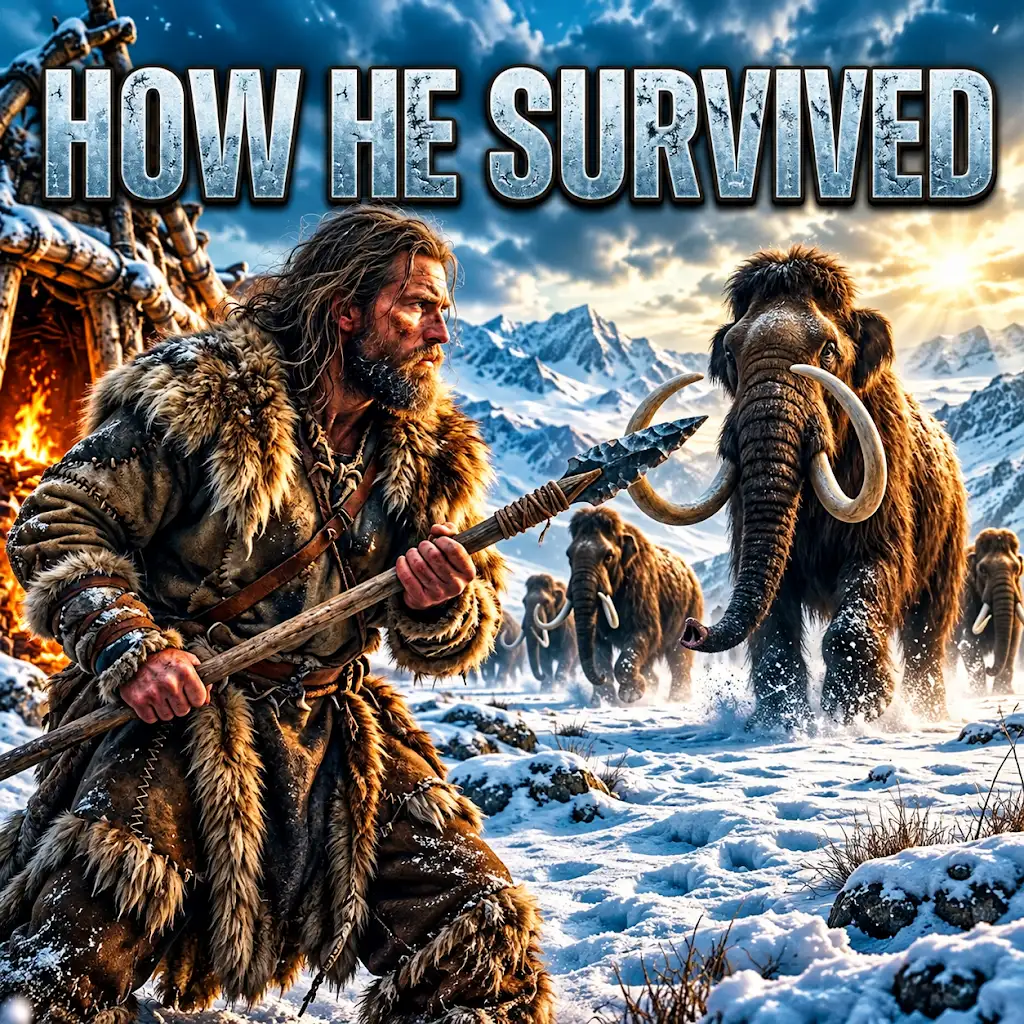
Life 20,000 Years Ago: How Humans Survived the Ice Age
FAQs
What are the main differences between winter base camps and summer hunting grounds?
Winter base camps are typically more permanent and sheltered, providing protection from harsh weather conditions. Summer hunting grounds are often more temporary and located in areas with abundant food sources.
How do winter base camps help hunters during the colder months?
Winter base camps serve as a home base for hunters, offering a place to rest, store supplies, and seek refuge from extreme cold temperatures. They also provide a sense of security and community for the hunting group.
Why are summer hunting grounds important for successful hunting expeditions?
Summer hunting grounds are crucial for hunters as they offer access to areas with high concentrations of game animals. These grounds provide opportunities for hunting, gathering resources, and honing hunting skills during the warmer months.
How do hunters adapt their strategies when transitioning between winter base camps and summer hunting grounds?
Hunters adjust their tactics based on the seasonal changes in animal behavior, food availability, and weather conditions. They may use different hunting techniques, tools, and resources to maximize their success in each environment.
What factors should hunters consider when selecting a winter base camp or summer hunting ground?
Hunters should consider factors such as proximity to water sources, food availability, shelter options, terrain features, and safety concerns when choosing a winter base camp or summer hunting ground. These factors can significantly impact the success and safety of the hunting expedition.